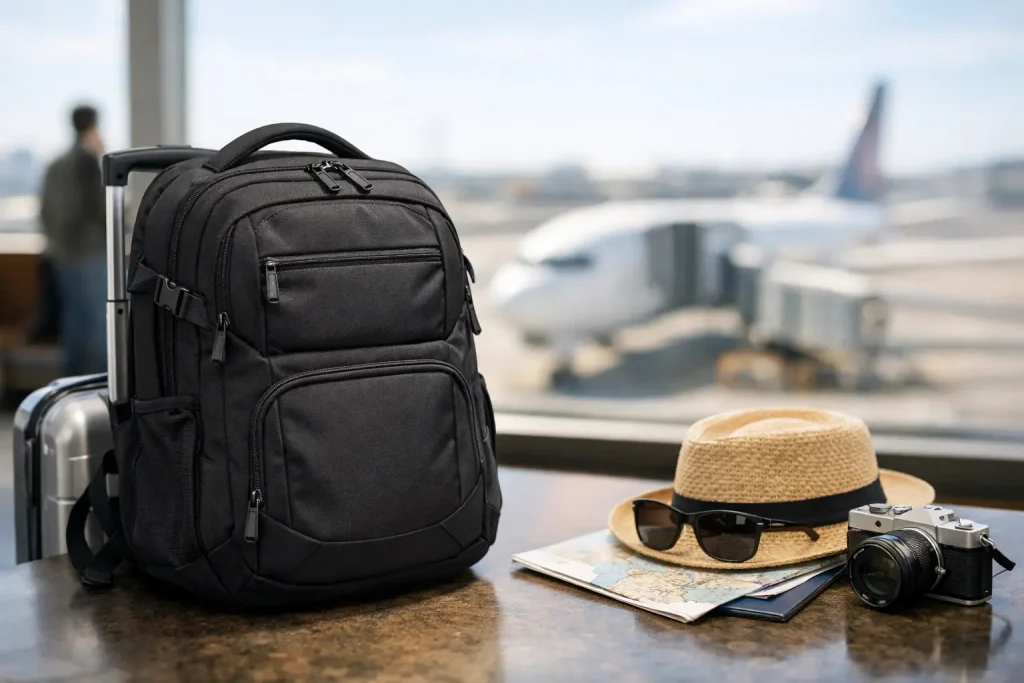
Find the best carry on backpack for travel with smart tips on size, comfort, storage, and features that make flying easier and lighter.
You feel the difference at the gate. One traveler is wrestling with a rolling suitcase, trying not to clip everyone in line. Another slips a backpack onto both shoulders, scans a boarding pass, and keeps moving. If you’re hunting for the best carry on backpack for travel, that second scenario is probably the goal – less hassle, fewer fees, and a bag that works as hard as you do.
A good carry-on backpack is not just a smaller suitcase with straps. The right one has to fit airline rules, keep weight manageable, and still give you fast access to the things you need most. That balance matters whether you’re packing for a three-day city break, a work trip with a laptop, or a longer journey where you want to skip checked baggage entirely.
What makes the best carry on backpack for travel?
The short answer is fit, function, and comfort. The longer answer is that the best bag depends on how you travel.
For most US travelers, the sweet spot is a backpack between 35 and 45 liters. That range is usually large enough for several outfits, toiletries, chargers, and a light jacket, but still small enough to work as a carry-on on many airlines. Go much smaller and you may struggle to pack efficiently. Go much bigger and you start flirting with size limits, especially on budget carriers.
Shape matters almost as much as capacity. A boxier bag tends to use space better than a tall hiking pack, especially for clothing cubes, shoes, and tech pouches. Travel backpacks that open like a suitcase are often easier to live with than top-loading packs because you can see everything at once instead of digging to the bottom for one clean T-shirt.
Comfort is where many bags separate themselves. A backpack can look sleek online and still feel miserable after twenty minutes in a terminal. Padded shoulder straps help, but so do load lifters, a breathable back panel, and a hip belt on larger models. If you rarely walk far, those details may not matter much. If you change trains, cross cities, or navigate cobblestone streets, they matter a lot.
Size rules can make or break your trip
The best carry on backpack for travel is useless if it gets flagged at the airport. Domestic US airlines often allow reasonably generous carry-on dimensions, but low-cost airlines can be stricter, and international routes add another layer of variation.
That means the smartest move is not chasing the absolute largest bag you can find. It is choosing one that stays within common carry-on measurements even when packed full. Soft-sided backpacks have an advantage here because they can compress a bit, but overstuffing can still push them past the line.
If you fly a mix of major and budget airlines, a slightly smaller travel backpack can be the better long-term buy. You give up a little packing room, but you gain flexibility and lower odds of last-minute gate-check drama.
Features worth paying for
Some backpack features look great in product photos and barely matter in real life. Others quietly make every trip easier.
A clamshell opening is one of the most useful upgrades. It turns packing into a simple layout instead of a vertical puzzle. Compression straps are another big one because they stabilize your load and help bulky clothing take up less space.
A separate laptop compartment is almost essential if you travel for work or like having entertainment on the plane. It speeds up security, keeps electronics protected, and stops your computer from sitting under shoes and chargers. Quick-access pockets are also worth having, especially for passports, headphones, snacks, and power banks.
Water resistance is helpful, but it should be viewed realistically. Light rain protection is great. Full waterproof performance is less common and often unnecessary for typical airport and hotel travel. Zippers deserve more attention than they get. Sturdy zippers, clean stitching, and reinforced grab handles are the unglamorous details that often decide whether a bag lasts two years or ten.
Soft travel backpack or structured carry-on bag?
This comes down to packing style.
A softer backpack is easier to squeeze into overhead bins and often feels less bulky on your back. It can be a better choice for travelers who pack light, move frequently, or want a bag that works in more than one setting. It also tends to feel more natural during walking-heavy trips.
A more structured backpack gives better organization and shape retention. That can be useful if you carry electronics, toiletries, and multiple compartments of gear. The trade-off is that a structured bag can feel boxier and less forgiving when fully packed.
Neither style wins for everyone. If your trips are airport-to-hotel and back, structure is attractive. If your travel includes buses, stairs, old streets, or frequent movement, a softer bag may feel more practical.
How to choose the right backpack for your travel style
A weekend traveler has different needs than a digital nomad or a parent flying with kids. That sounds obvious, but it is where many buying mistakes happen. People shop for an idealized trip, not the trips they actually take.
If you mostly travel for short domestic flights, prioritize a lightweight bag with simple organization and enough room for two or three days of clothing. You likely do not need a huge pack or advanced suspension system.
If you combine work and leisure, look for a bag with a protected laptop sleeve, tidy internal pockets, and a polished exterior that does not look too outdoorsy. You want something that works in airports, rideshares, hotel lobbies, and maybe a casual meeting.
If you travel internationally or move around a lot, comfort and durability should climb the list. A backpack that carries well for hours is more valuable than one with ten extra pockets. In that case, sternum straps, compression, and balanced weight distribution are not bonuses – they are the product.
Travelers who like to maximize every inch of space should also think about internal layout. Too many compartments can actually reduce usable room. A few well-placed pockets plus an open main compartment often beats a bag filled with tiny organizers that steal space.
Common mistakes when buying the best carry on backpack for travel
The biggest mistake is buying based on capacity alone. More liters sound better until the bag is too heavy, too big, or too awkward to carry. Bigger is not always smarter.
Another common miss is ignoring empty weight. A backpack can have great storage and still eat up your carry-on allowance before you even start packing. If you’re comparing two similar models, the lighter one often has the edge.
Style can also mislead. A sleek design is nice, but a bag with weak straps or poor balance gets annoying fast. The reverse is true too. Some highly technical bags are excellent performers but overbuilt for the average traveler. If your typical trip is three nights in a major city, you probably do not need expedition-level features.
Finally, do not underestimate access. A bag that forces you to unpack half your stuff to reach socks, toiletries, or a charger can wear on you by day two. Practical organization beats flashy design every time.
Packing matters as much as the backpack
Even the best carry on backpack for travel can feel cramped if you pack badly. Packing cubes help because they create structure and let you separate clothing by type or outfit. Rolling works for some items, folding works for others, and the smartest approach is usually a mix.
Heavy items should sit close to your back, which helps the bag carry more naturally. Shoes are best packed at the bottom or along the sides depending on the bag’s shape. Keep your in-transit essentials where you can reach them without opening the whole main compartment.
It also helps to pack for reality, not possibility. Extra outfits, backup shoes, and just-in-case gear add up quickly. Most trips get easier when you edit your packing list instead of trying to outsmart it with a larger bag.
So what is the best carry on backpack for travel?
It is the one that matches your airline habits, your body, and your packing style. For many people, that means a 35- to 45-liter backpack with clamshell access, comfortable straps, laptop storage, and enough structure to stay organized without becoming rigid. That formula works well because it covers business trips, weekend getaways, and one-bag travel without feeling extreme.
Still, there is no single winner for everybody. A minimalist flyer may prefer a lighter, simpler pack. A frequent traveler may gladly pay more for stronger materials and better carry support. A budget shopper may accept fewer premium details in exchange for solid value. That is not a flaw in the category. It is just how travel works.
The smartest buy is the one you will keep reaching for because it makes the trip easier from your front door to the overhead bin. If a backpack helps you move faster, pack cleaner, and skip the baggage carousel, it is doing exactly what it should.













Leave a Comment
Your email address will not be published. Required fields are marked with *