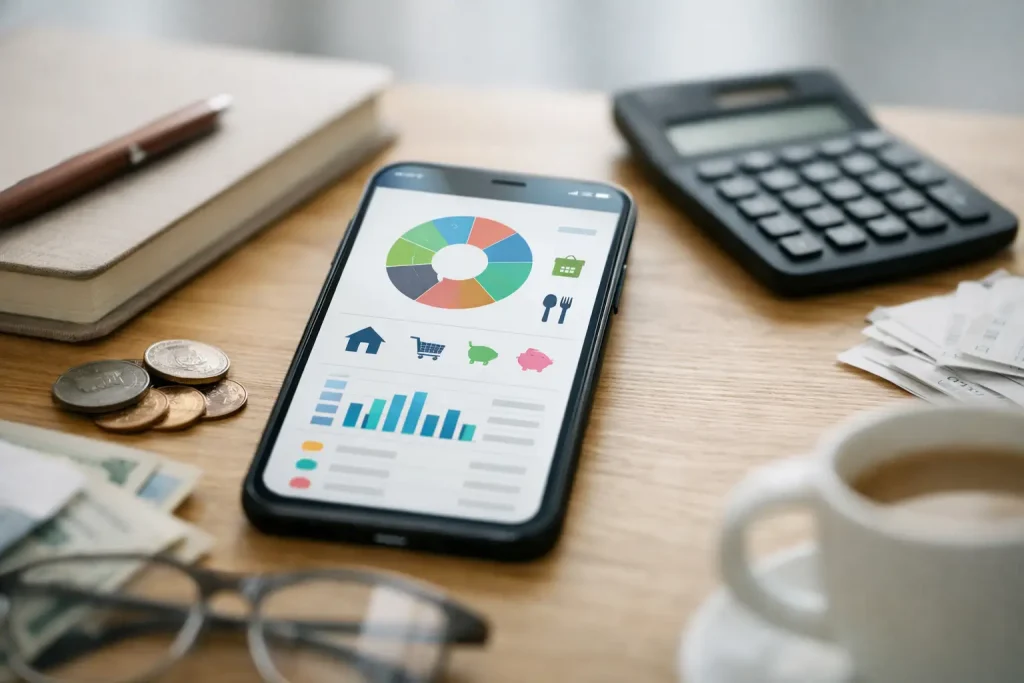
Find the best budgeting apps for beginners with simple features, low stress setup, and practical tools to track spending and start saving.
Most people do not need a complicated money system. They need one app that helps them stop wondering where their paycheck went. That is why the best budgeting apps for beginners are not always the ones with the most features. They are the ones you will actually open, understand, and keep using after week one.
If you are new to budgeting, the biggest challenge is rarely math. It is friction. Too many categories, too many charts, too many notifications, and suddenly a tool that was supposed to help starts feeling like homework. A beginner-friendly budgeting app should make your money easier to manage, not give you another task to avoid.
What makes the best budgeting apps for beginners?
A good app for first-timers usually does three things well. It shows you how much money is coming in and going out, it helps you spot spending patterns quickly, and it gives you a simple way to make changes. That can mean setting category limits, tracking bills, or building a small savings goal.
The trade-off is that simplicity and control do not always come in the same package. Some apps automate nearly everything, which is convenient but can make you less aware of your choices. Others ask you to enter transactions manually, which takes more effort but often helps people build better habits. The right pick depends on your personality. If you hate admin, automation matters. If you want to be hands-on, manual tracking may work better.
7 best budgeting apps for beginners to consider
1. YNAB
YNAB, short for You Need a Budget, is one of the strongest choices for people who want to learn how budgeting actually works. Its method is simple in theory: every dollar gets a job. Instead of guessing what you should spend, you decide where your current money should go before it disappears.
For beginners, that structure can be powerful. It teaches intentional spending rather than passive tracking. The downside is the learning curve. YNAB is not hard forever, but it can feel strict at first. It is also not the cheapest option, which matters if you are trying to cut costs aggressively.
YNAB is best for someone who wants to change habits, not just monitor them.
2. Goodbudget
Goodbudget is built around the envelope budgeting concept. You divide your money into spending buckets such as groceries, gas, dining out, and rent. Once an envelope is empty, that category is done until the next cycle.
This app is beginner-friendly because the logic is easy to grasp. It also works well for couples who want shared visibility into household spending. One catch is that Goodbudget does not focus as heavily on automatic bank syncing as some competitors, depending on your setup and plan. For some users that is a drawback. For others, it is exactly why the app works – manual entry forces awareness.
If you tend to overspend in a few repeat categories, Goodbudget can be a smart starting point.
3. EveryDollar
EveryDollar is another app built around zero-based budgeting, where your income minus expenses should equal zero. That does not mean you spend everything. It means you assign every dollar to a purpose, including savings and debt payoff.
Its interface is clean, and that matters more than people think. Beginners usually stay consistent when the app feels obvious from the first screen. EveryDollar is especially appealing if you want a straightforward monthly budget without a lot of extra investing or net worth tools mixed in.
The main trade-off is that some automation features may require a paid plan. If you want a free or lower-cost app with more connected features, another option may suit you better.
4. PocketGuard
PocketGuard is popular because it answers one of the most common beginner questions fast: how much can I safely spend right now? Instead of focusing only on categories, it looks at your bills, goals, and recurring costs, then shows what is left over.
That is useful for people who are overwhelmed by traditional budgeting. If full category planning sounds like too much, PocketGuard can feel more approachable. It gives you a guardrail without demanding a detailed spreadsheet mindset.
The flip side is that users who want deep customization may outgrow it. Still, for someone trying to get control of day-to-day spending, it is one of the easier apps to live with.
5. Monarch Money
Monarch Money leans more toward a full financial dashboard, but it is still friendly enough for many beginners, especially those who want one place to track spending, savings goals, and accounts. The design is polished, and the app does a good job turning raw financial data into something readable.
This is a strong option if you want room to grow. You might start by tracking spending and later use it for broader planning. The caution here is price. Monarch Money is usually better for users who are ready to pay for a premium experience and want more than bare-bones budgeting.
For a beginner who likes clean visuals and long-term flexibility, it can be worth a look.
6. Simplifi
Simplifi by Quicken is built for people who want budgeting with less rigidity. It tracks spending, upcoming bills, subscriptions, and savings goals, but it does not force every user into the same method. That flexibility can be a plus if strict budgeting tends to make you quit.
One of its strengths is visibility. You can see recurring expenses and cash flow clearly, which helps prevent that unpleasant surprise when several bills hit at once. It also tends to work well for users who want a broad picture of their finances without dealing with a more intense setup process.
If you want something practical and modern without feeling boxed in, Simplifi is a strong middle-ground option.
7. Empower Personal Dashboard
Empower Personal Dashboard is often mentioned more for net worth tracking and investment visibility, but it can still help beginners who want a free way to monitor spending. It links accounts, categorizes transactions, and gives a useful high-level overview.
It is not the best pick if your top priority is learning a strict budgeting method. It is better for someone who wants to understand the big picture first. Think of it as a financial awareness tool with budgeting support rather than a budgeting-first app.
For beginners who want to start by observing rather than managing every dollar tightly, it can be a comfortable entry point.
How to choose the best budgeting app for beginners
Start with the problem you are trying to solve. If you keep overspending, choose an app with strong category controls like Goodbudget or EveryDollar. If you are confused about cash flow, PocketGuard or Simplifi may be more useful. If you want to build a serious budgeting habit from the ground up, YNAB stands out.
It also helps to be honest about how much effort you will realistically give this. A highly detailed app is only better if you will use it. Many people do better with a simpler tool they check every few days than an advanced one they abandon after setup.
Cost matters too. Paid apps can absolutely be worth it if they help you avoid overdrafts, late fees, or mindless spending. But a free app that you use consistently beats a premium app sitting ignored on your phone.
Beginner mistakes to avoid when using budgeting apps
One common mistake is expecting instant results. A budgeting app is not a reset button. It is more like a mirror. At first, you may just notice habits you do not love. That can feel discouraging, but it is progress.
Another mistake is making your first budget too tight. If you slash every fun category to zero, you are probably setting yourself up to quit. A realistic budget usually works better than an aspirational one. Leave room for real life.
It is also easy to obsess over tiny purchases while ignoring the bigger leaks. A few coffee runs matter less than recurring subscriptions, takeout habits, or a car payment that eats too much of your income. The best apps help with both, but your attention should go where the dollars are.
Which app is best for most beginners?
For most people, there is no universal winner. YNAB is arguably the best teacher. PocketGuard is one of the easiest to understand quickly. Goodbudget is great for people who want hands-on control. Simplifi feels balanced and approachable. Monarch Money makes sense if you want a polished all-in-one platform.
If you are completely new, pick one based on your style, not just its rating. The best budgeting apps for beginners are the ones that match how you think about money. Some people need structure. Others need simplicity. Others just need a clear answer to, can I afford this right now?
That is a better way to shop for a budgeting app than chasing the most popular name. The right app should lower friction, build confidence, and make your next money decision a little easier than the last. If it does that, you are already moving in the right direction.
















Leave a Comment
Your email address will not be published. Required fields are marked with *