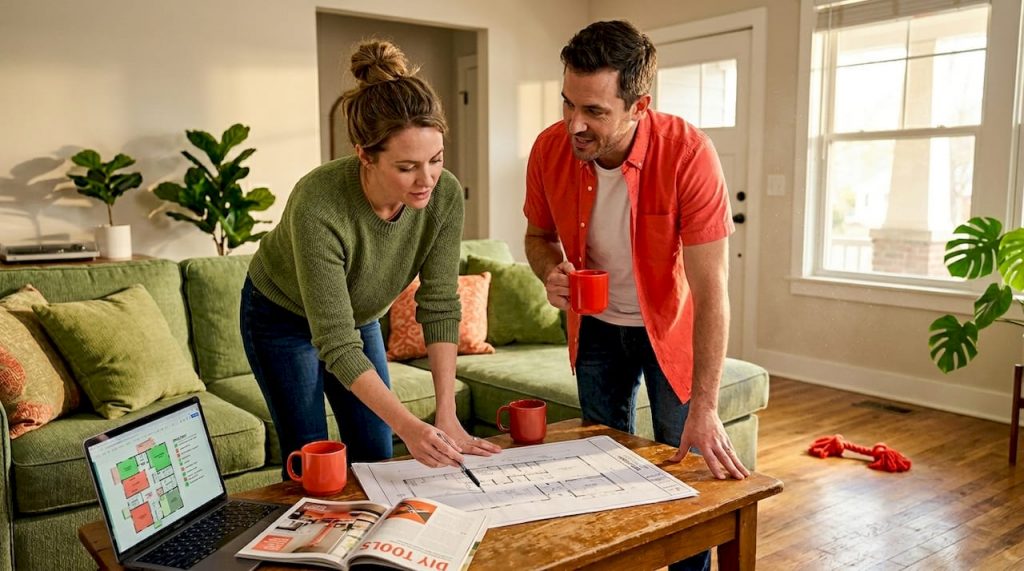
Discover the top types of home upgrades that boost comfort and value. Transform your space and increase your home’s appeal today!
Every homeowner eventually faces the same exciting but slightly overwhelming question: where should you invest to make your home feel better to live in and worth more when you sell? With dozens of upgrade options across every price range, it’s easy to feel pulled in too many directions. The good news is that the right upgrades can transform your daily comfort, slash energy bills, and significantly increase your property’s appeal. This guide walks you through the major upgrade categories, what each one delivers, and how to confidently prioritize based on your goals and budget.
Table of Contents
- How to evaluate home upgrades: What matters most?
- Curb appeal and exterior upgrades
- Kitchen and bathroom remodels: Centerpieces of the home
- Energy efficiency and sustainable upgrades
- Outdoor living and functional space additions
- Cosmetic and DIY updates: Fast fixes for any budget
- Summary comparison: ROI, cost, and lifestyle impact
- Perspective: Why the best home upgrades reflect your life, not just numbers
- Connect with more home upgrade inspiration and expert guidance
- Frequently asked questions
Key Takeaways
| Point | Details |
|---|---|
| Curb appeal matters most | Upgrades to exteriors offer the best resale returns and first impressions. |
| Small remodels outperform big | Minor kitchen and bathroom updates give higher ROI than major overhauls. |
| Efficiency saves money | Energy-saving upgrades reduce bills and appeal to today’s buyers. |
| DIY makes a big impact | Simple, affordable updates can refresh your home without a huge investment. |
| Personal fit trumps numbers | Choose upgrades that truly fit your lifestyle, not just the highest ROI. |
How to evaluate home upgrades: What matters most?
Before you swing a hammer or call a contractor, it pays to think through a clear evaluation framework. Not all upgrades are created equal, and what works beautifully for a neighbor selling next spring might be the wrong move for someone planning to stay in their home for twenty more years.
Here are the core factors worth weighing before any upgrade decision:
- Return on investment (ROI): How much of your money will you realistically recoup when you sell? Some projects return over 200% of their cost; others barely break even.
- Personal enjoyment: How much will this upgrade improve your daily experience at home? A stunning primary bathroom may not top the ROI charts, but if you use it every single day, the value is real.
- Project cost and complexity: Is this a weekend DIY project or a six-week contractor job? Budget for contingencies, especially in older homes where surprises lurk behind walls.
- Long-term impact: Will this upgrade reduce maintenance costs, lower your energy bills, or increase functionality over time?
- Resale timeline: If you’re planning to sell within two to three years, prioritize resale-friendly upgrades. If you’re staying long-term, lean toward personal comfort.
According to the 2025 Cost vs. Value Report, exterior upgrades consistently outperform interiors for ROI because they have broad appeal to buyers who form opinions before they ever step inside a home.
Pro Tip: Start your upgrade journey by writing down your goals. Are you selling in the next two years? Staying put for a decade? Your timeline shapes everything. For a deeper look at prioritizing wisely, check out these home improvement tips that can help you build a smart upgrade roadmap.
Understanding this framework makes every upgrade decision more confident and less stressful. Let’s move from strategy to specifics.
Curb appeal and exterior upgrades
First impressions are powerful. Buyers, visitors, and even you yourself form an emotional reaction to your home the moment you pull into the driveway. That’s why exterior upgrades consistently deliver some of the most remarkable financial returns of any category.

Here’s a look at the top-performing exterior upgrades based on national data:
| Upgrade | Average Cost | ROI |
|---|---|---|
| Garage door replacement | $4,513 | 267.7% |
| Steel entry door replacement | $2,355 | 216.4% |
| Manufactured stone veneer | $11,287 | 207.9% |
| New siding (fiber-cement) | $19,361 | ~88% |
| Wood deck addition | $17,615 | ~82% |
The numbers are striking. According to the 2025 Cost vs. Value Report, a garage door replacement delivers a jaw-dropping 267.7% ROI, making it the single highest-returning upgrade you can make. A steel entry door comes in at 216.4%, and manufactured stone veneer at 207.9%. These aren’t luxury renovations requiring massive budgets either. Most of them are relatively affordable and fast to complete.
Beyond the big three, there are simpler curb appeal fixes that cost almost nothing yet make a visible difference:
- Fresh exterior paint: A new coat of paint on the front door, trim, or siding can refresh a tired facade for a few hundred dollars.
- Landscaping: Neatly trimmed hedges, a layer of fresh mulch, and colorful seasonal plants create an inviting first impression. For inspiration, explore these landscaping ideas to get your outdoor space looking its best.
- Updated light fixtures: Replacing dated porch lights with modern fixtures is a one-hour project that signals care and attention.
- House numbers and mailbox: Small details matter. Clean, stylish numbers and a new mailbox add visual cohesion.
- Pressure washing: A clean driveway and walkway can make your home look years younger without spending much at all.
If you’re planning to market your home, curb appeal improvements also support your marketing strategy by making listing photos pop and driving more buyer interest.
Pro Tip: When choosing exterior colors or materials, lean toward timeless rather than trendy. Bold choices may excite you today but could alienate buyers later. Neutral tones for siding and doors with a single pop of color on accents tend to perform best across buyer demographics.
The bottom line is that exterior upgrades offer an extraordinary combination of affordability, speed, and return. If resale is anywhere on your radar, start here.
Kitchen and bathroom remodels: Centerpieces of the home
Kitchens and bathrooms are where life happens. They’re where families gather every morning and where guests form lasting impressions. It’s no wonder they rank among the most requested renovations. But here’s the thing: the size of the remodel matters enormously to your return.
The 2025 Cost vs. Value Report shows that a minor kitchen remodel costs an average of $28,458 and delivers a stunning 112.9% ROI. A major kitchen overhaul, by contrast, typically returns around 60%, meaning you spend far more and recoup far less proportionally.
Here’s a practical comparison to guide your thinking:
| Remodel type | Estimated cost | Approximate ROI | Best for |
|---|---|---|---|
| Minor kitchen remodel | $28,458 | 112.9% | Resale or budget-focused |
| Major kitchen remodel | $80,000+ | ~60% | Long-term personal use |
| Minor bathroom remodel | $12,000-$20,000 | ~70-74% | Resale value |
| Luxury bath addition | $40,000+ | ~50-60% | Personal enjoyment |
So what makes a “minor” remodel? Think updated cabinet fronts rather than full replacements, new countertops, refreshed appliances, a new sink and faucet, and fresh paint. These swaps create a visually dramatic transformation at a fraction of full gut-renovation costs.
For kitchens, here’s a smart order of operations to maximize results:
- Replace appliances first if they’re dated or inconsistent in finish. Stainless steel or matching panel-ready appliances signal modernity.
- Resurface or reface cabinets rather than replacing them entirely. New doors and hardware can look like a brand new kitchen.
- Upgrade countertops with quartz or butcher block, depending on your style and budget.
- Refresh fixtures: A new faucet, sink, and lighting upgrade complete the transformation without blowing the budget.
- Add a backsplash for texture and personality. Peel-and-stick tile options make this a manageable DIY project.
For bathrooms, focus on grout cleaning and resealing, new vanity hardware, a framed mirror, updated light fixtures, and a fresh coat of moisture-resistant paint. These small investments can yield a bathroom that feels like a high-end retreat.
Understanding the kitchen renovation benefits available to homeowners across different budget levels can help you decide exactly how far to take your remodel. And if you’re just getting started with renovation planning, brushing up on home improvement basics will set you up for success.
Energy efficiency and sustainable upgrades
Once the design upgrades are done, energy efficiency improvements keep delivering value long after the renovation dust settles. These upgrades reduce your monthly bills, make your home more comfortable year-round, and appeal strongly to environmentally conscious buyers.
Some of the most impactful energy efficiency improvements you can make include:
- Insulation upgrades: Adding or replacing insulation in attics, walls, and crawl spaces is often the single fastest-payback efficiency upgrade. Proper insulation can reduce heating and cooling costs by 15 to 20 percent annually.
- Smart thermostats: Devices like the Ecobee or Nest learn your schedule and adjust automatically, saving an average of 10 to 15 percent on climate control costs. Installation takes under an hour and costs $150 to $300.
- Energy-efficient windows: Double-pane or triple-pane windows reduce heat transfer dramatically, cutting both energy loss and outside noise. They typically carry a 65 to 70 percent ROI.
- HVAC system upgrades: A modern, high-efficiency HVAC system can reduce heating and cooling costs by up to 30 percent. This is especially compelling in older homes with aging systems.
- Solar panels: While the upfront investment is significant, solar panels can add substantial value and offer federal tax credits of up to 30 percent of system cost through 2032.
- Low-flow plumbing fixtures: Upgrading to low-flow showerheads, toilets, and faucets reduces water consumption without sacrificing pressure or comfort.
- LED lighting throughout: Replacing all fixtures with LEDs cuts lighting energy use by up to 75 percent and reduces bulb replacement frequency dramatically.
Pro Tip: Before investing in solar or major HVAC upgrades, request a home energy audit from your local utility provider. Many offer them free or at low cost. The audit identifies where your home is losing energy most and gives you a priority list for improvements, so you spend money where it counts most.
One often-overlooked advantage of efficiency upgrades is local and federal rebates. Many states and utility providers offer rebates for qualifying insulation, HVAC, and appliance upgrades, sometimes covering 20 to 50 percent of the project cost. The Inflation Reduction Act also extended significant tax credits for efficiency improvements through 2032.
For homeowners excited about home improvement tech, integrating smart home systems with your efficiency upgrades can add another layer of convenience and modernity to your living space.
Outdoor living and functional space additions
Think about how much time you could spend enjoying a well-designed outdoor space or a finished basement. These additions don’t just look great, they create entirely new rooms for your lifestyle, whether you’re working from home, hosting guests, or just relaxing with family.
Outdoor living expansions and functional space additions like basement and attic conversions are among the most impactful upgrades for increasing your home’s usable square footage and livability.
Popular outdoor and space-addition upgrades include:
- Wood or composite decks: Decks extend your living area into the backyard and rank among the most beloved features for buyers. Composite decks cost more upfront but require almost no maintenance over time.
- Paver patios: A patio with a fire pit area or outdoor kitchen creates an entertaining hub that gets used year-round in many climates. These are particularly stunning when paired with great landscaping and outdoor living design.
- Sunrooms or screened porches: These additions blur the line between indoors and outdoors, offering enjoyment in bug-prone or rainy climates.
- Finished basements: Converting an unfinished basement into a usable living space, home office, gym, or guest suite can add significant square footage value to your home.
- Attic conversions: Transforming a storage attic into a bedroom or office is one of the more cost-efficient ways to add livable square footage without expanding the home’s footprint.
“Homes with finished basements can see value increases of 70 percent or more of the project cost, and the added functionality makes a lasting impression on buyers who need flexible space.”
One important note: always check local permitting requirements before starting any addition project. Decks, basements, and room additions typically require building permits, and unpermitted work can create headaches during resale inspections. The cost and time involved in permitting is almost always worth it for peace of mind and resale clarity.
For flex spaces, think creatively. A finished basement can serve as a home office today and a guest suite tomorrow. Installing a Murphy bed, built-in shelving, and a half bath makes the space truly multipurpose and maximizes its appeal to future buyers.
Cosmetic and DIY updates: Fast fixes for any budget
Not every upgrade requires a big budget or a licensed contractor. Some of the most captivating home transformations come from simple, affordable changes that anyone can tackle over a weekend.
Cosmetic and DIY updates represent one of the most accessible and rewarding upgrade categories for homeowners at every experience level.
Here are the most impactful DIY upgrades you can take on right now:
- Fresh interior paint: A gallon of quality paint costs $30 to $60, and a full room transformation takes a weekend. Neutral tones like warm whites, soft grays, and earthy taupes appeal to the widest audience.
- Cabinet hardware replacement: Swapping out dated brass pulls for matte black or brushed nickel hardware takes less than an hour and costs $50 to $200. The visual payoff is remarkable.
- Light fixture updates: Old builder-grade fixtures are easy to replace. A new pendant light over a kitchen island or a statement chandelier in a dining room adds instant character.
- Accent walls: Whether you choose a bold paint color, shiplap paneling, or peel-and-stick wallpaper, an accent wall creates a focal point that adds depth and personality.
- Bathroom caulking and grout refresh: Clean, bright caulk and grout can make a bathroom look nearly brand new. This is a two-hour project with incredible visual results.
- Door and trim painting: Painting interior doors a bold contrasting color, like a deep navy or forest green, adds a designer touch with minimal investment.
- Staging and decluttering: This costs nothing but time and makes every other upgrade look better. Clean, uncluttered spaces photograph better and feel larger.
Pro Tip: When tackling paint projects, invest in quality brushes and primer. Cheap brushes leave streaks and low-quality primer means you’ll need extra coats. The extra $20 to $30 you spend upfront saves hours of rework.
For those new to DIY home projects, discovering step-by-step DIY decor tutorials is a great way to build confidence and get inspired by what’s genuinely achievable without professional help. The learning curve is gentle and the results are deeply satisfying.
Summary comparison: ROI, cost, and lifestyle impact
Here’s a side-by-side look at all the major upgrade categories so you can quickly identify where to focus your energy and budget.
| Upgrade category | Typical cost range | Estimated ROI | Lifestyle impact | Best for |
|---|---|---|---|---|
| Curb appeal and exterior | $2,000 to $20,000 | 80 to 270% | Moderate | Resale, first impressions |
| Minor kitchen remodel | $15,000 to $30,000 | 90 to 113% | High | Resale and daily enjoyment |
| Major kitchen remodel | $60,000 to $130,000 | ~60% | Very high | Long-term personal use |
| Bathroom remodel (minor) | $10,000 to $20,000 | 70 to 74% | High | Resale and comfort |
| Energy efficiency upgrades | $500 to $30,000 | 65 to 100%+ | High (ongoing savings) | All homeowners |
| Outdoor living additions | $10,000 to $50,000 | 65 to 85% | Very high | Lifestyle and entertaining |
| Space additions (basement) | $20,000 to $75,000 | 65 to 75% | Very high | Families, long-term use |
| Cosmetic and DIY updates | $100 to $5,000 | Variable | Moderate to high | Budget-conscious owners |
This table reinforces a core truth: no single category is universally “best.” The ideal upgrade is the one that aligns your budget, your timeline, and the life you actually want to live inside your home. Use this as your quick-reference guide whenever a new project idea strikes.
Perspective: Why the best home upgrades reflect your life, not just numbers
Here’s something the ROI charts rarely tell you: the highest-returning upgrade is only the best choice if it actually fits your life.
We’ve seen homeowners install a brand new garage door for the ROI points and then never once think about it again. Meanwhile, a family who added a screened porch they use every single evening gets a return that no spreadsheet can measure. That porch becomes the place where kids do homework, where couples share a glass of wine after work, and where holidays feel a little warmer. The numbers might show 65% ROI. The lived experience is 200%.
Conventional wisdom insists you should always follow the data. And yes, data matters. But it’s a starting point, not a finish line. A bold paint color you love, a chef’s kitchen you cook in every night, or technology and comfort upgrades that make your mornings smoother, these might not top the resale charts, but they shape the texture of your daily life.
The most rewarding upgrade decisions come from asking two questions together: “What will this give me back financially?” and “What will this give me back every single day?” When both answers are strong, you’ve found a winner. When only one is strong, you need to decide which matters more given your timeline and priorities. That’s a personal call, and it’s yours to make.
Don’t let the pursuit of a perfect ROI percentage talk you out of the upgrade that would genuinely make your home feel like the place you love coming back to.
Connect with more home upgrade inspiration and expert guidance
Ready to put your upgrade plans into motion? Whether you’re focused on boosting resale value, making your space more energy-efficient, or just transforming a room you’ve been ignoring for years, there’s a smart next step waiting for you. Explore our guides on how to maximize ROI on upgrades and discover which projects deliver the most rewarding results. If you’re curious about the latest innovations, our coverage of cutting-edge home tech showcases the gadgets and systems transforming modern homes. And if you want to get hands-on right now, our collection of DIY decor ideas gives you beautiful, achievable projects for every skill level.
Frequently asked questions
What is the highest ROI home upgrade for resale?
A garage door replacement delivers the highest ROI at 267.7% according to recent national data, making it the most financially rewarding single upgrade you can make before listing a home.
Do minor kitchen remodels really pay off?
Yes, minor kitchen remodels average an impressive ROI of 112.9%, making them one of the top value-improving projects available to homeowners, especially compared to costly full gut renovations.
Are DIY upgrades worth it for homeowners?
DIY upgrades are absolutely worth it for affordable visual impact and personalization, and cosmetic updates like paint, hardware, and lighting can dramatically refresh a space for minimal cost, even if ROI varies by specific project.
Which home upgrade category should I invest in first?
Curb appeal upgrades consistently outperform interior projects for ROI and should be prioritized first, especially if you’re planning to list your home within the next one to three years.
How can I increase energy efficiency in my home?
You can increase efficiency by upgrading insulation, HVAC systems, windows, and adding smart thermostats, all of which are recognized as high-value energy efficiency improvements that reduce costs and attract modern buyers.


















Leave a Comment
Your email address will not be published. Required fields are marked with *