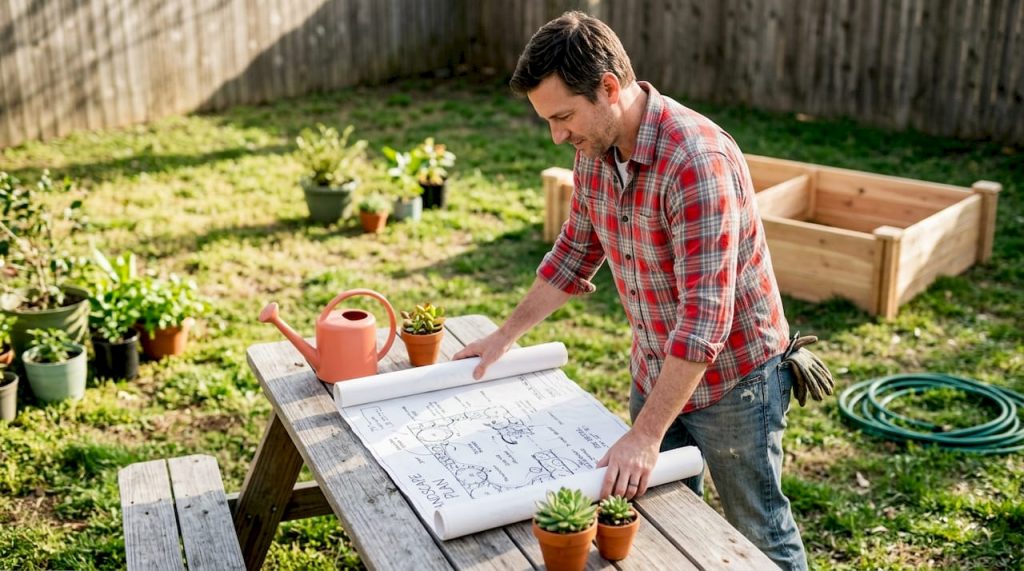
Discover what DIY landscaping is and how you can transform your outdoor space today. Create a stunning yard on your own terms!
Most people assume a beautiful yard requires a professional designer, a big budget, and years of horticultural training. That assumption couldn’t be further from the truth. With the right approach, a little patience, and a solid plan, you can create a captivating outdoor space entirely on your own terms. DIY landscaping has become one of the most rewarding home improvement pursuits for homeowners who want to put their personal stamp on their property. This article walks you through every essential step, from understanding what DIY landscaping really involves to executing your vision with confidence and skill.
Table of Contents
- DIY landscaping: What it is and how it works
- Creating your landscape plan: The foundation for success
- Softscape and hardscape: Balancing beauty and function
- Bringing your plan to life: Step-by-step application
- What most DIY landscapers overlook: Lessons from the field
- Next steps: Unlocking your DIY landscaping potential
- Frequently asked questions
Key Takeaways
| Point | Details |
|---|---|
| Start with a plan | Sketch and scale your yard before starting to avoid rework and wasted effort. |
| Balance softscape and hardscape | Mix plants and structural elements for both beauty and function. |
| Apply step-by-step guidance | Follow a clear process from site prep to installation for the best results. |
| Learn from expert insights | Avoid common pitfalls and achieve lasting improvements with practical advice. |
DIY landscaping: What it is and how it works
DIY landscaping is exactly what it sounds like: you take charge of designing, planning, and installing your own outdoor environment without hiring a professional crew to do it for you. But it goes far deeper than just planting a few flowers or laying some mulch. When you approach it thoughtfully, DIY landscaping becomes a creative and practical process that reshapes how your yard looks, feels, and functions season after season.
To understand it fully, you need to know the two core building blocks of any landscape: softscape and hardscape.
Softscape refers to all living elements in your yard. Think of flowering plants, ornamental grasses, shrubs, ground covers, lawn turf, and garden beds. These elements bring color, texture, and life to your space. They evolve over time, shifting with the seasons, growing taller, and filling in gaps. Softscape is dynamic by nature, and that’s what makes it so exciting to work with.
Hardscape, on the other hand, refers to all the non-living structural elements. Pathways, patios, retaining walls, fences, decorative stone features, and outdoor lighting all fall into this category. Hardscape elements provide the bones of your landscape, creating structure, defining spaces, and improving functionality. They are typically more permanent and require more upfront investment in materials and installation.
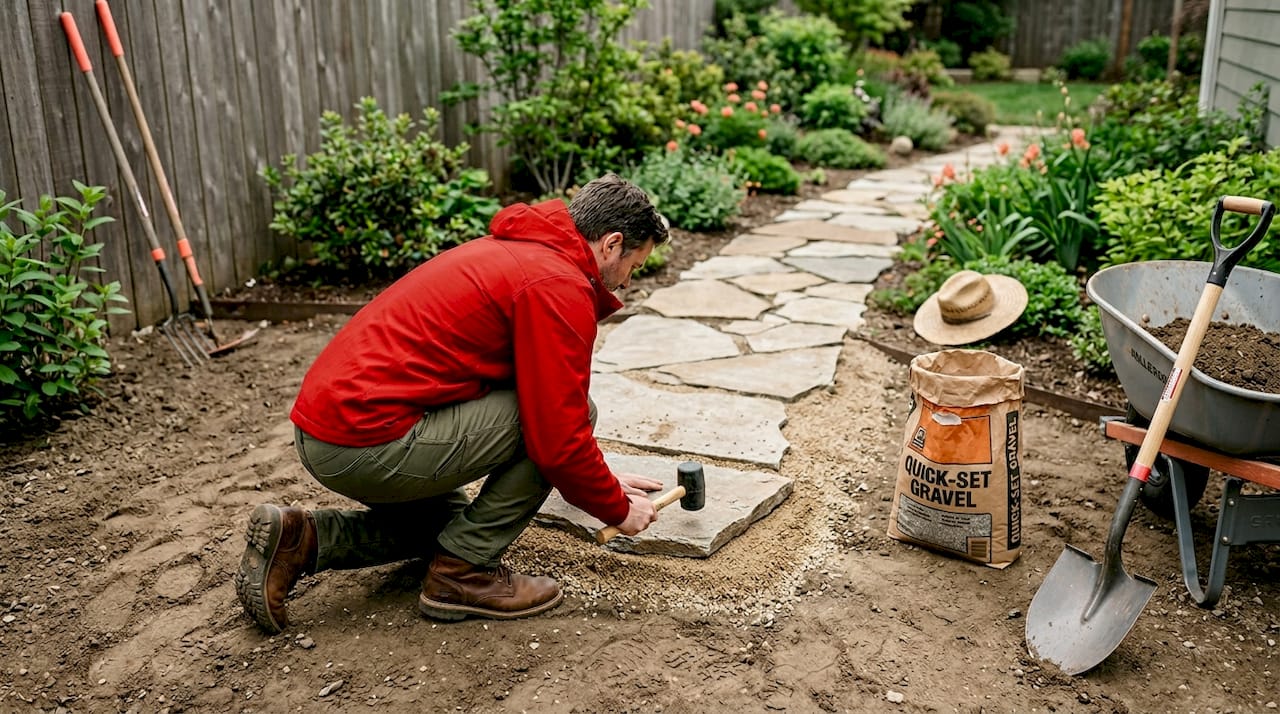
A successful DIY landscape brings these two worlds together in a way that feels balanced and intentional. As the landscape project tips community regularly highlights, the most visually satisfying yards are those where living and structural elements complement each other rather than compete.
Here’s what makes DIY landscaping work so well for motivated homeowners:
- You control the timeline and pace of each project phase
- You can customize every detail to match your lifestyle and aesthetic preferences
- You build a deeper understanding of your property’s soil, drainage, and sun exposure
- You save significantly on labor costs when you invest your own time and effort
- You experience immense personal satisfaction watching your vision take shape
“A DIY landscaping plan (how you lay out where elements go) is typically a scaled drawing/layout that organizes both softscape (plants) and hardscape (e.g., walkways/patios/lighting), before installation.”
That last point deserves emphasis: planning before installation. It’s the single most important mindset shift you can make when starting any landscape project. Many homeowners skip this step, eager to get their hands dirty, and wind up spending twice as much fixing mistakes that a simple sketch could have prevented. We’ll cover the full planning process in the next section.
Looking for inspiration that blends outdoor creativity with everyday lifestyle upgrades? Browsing practical lifestyle ideas can spark fresh concepts you might not have considered for your outdoor rooms.
With the basics set, let’s dive deeper into forming a clear plan.
Creating your landscape plan: The foundation for success
Skipping a landscape plan is like trying to build furniture without measuring anything first. You might get lucky once, but sooner or later, a piece won’t fit and you’ll be starting over. A proper landscape plan acts as your blueprint, your decision-making guide, and your quality control tool all in one.
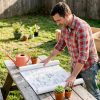
Plan-first guidance is a recurring theme in DIY landscaping: sketch and scale your yard, then define where softscape and hardscape will go so you avoid costly rework during installation. Here’s how to build that plan step by step:
- Measure your yard. Use a measuring tape to record the exact dimensions of your property, including the location of your house, any existing structures, trees, utility lines, and fences. Accuracy at this stage prevents expensive mistakes later.
- Sketch the layout to scale. Transfer your measurements onto graph paper or a digital tool, where each square represents a set number of feet (one square to one foot works well for most residential yards). This gives you an accurate visual of what you’re working with.
- Identify sun and shade zones. Walk around your yard at different times of day and mark which areas receive full sun, partial shade, and deep shade. This knowledge directly shapes your plant selections and lawn care decisions.
- Note drainage patterns. Watch how water moves across your yard during and after rain. Low spots that collect water need to be addressed either through grading, drainage channels, or plant choices that tolerate wet roots.
- Define hardscape placement first. Mark where walkways, patios, and structural elements will go before deciding on plantings. Hardscape is more permanent and costly to move, so locking in those positions early saves a great deal of frustration.
- Layer in softscape choices. Once your hardscape is mapped, fill in the surrounding areas with plant selections suited to each zone’s light and moisture conditions.
Good home improvement planning consistently shows that projects with detailed pre-work deliver better results with fewer surprises. Your landscape plan is no different.
Digital tools vs. hand-drawn plans: Which works better?
| Feature | Digital planning tools | Hand-drawn plans |
|---|---|---|
| Accuracy | High with proper measurements | Moderate, depends on skill |
| Cost | Free to low cost (apps available) | Very low (graph paper, pencil) |
| Flexibility | Easy to edit and revise | Requires erasing or redrawing |
| Learning curve | Moderate, requires some tech comfort | Minimal, anyone can start quickly |
| Visual presentation | Professional grade output | Charmingly personal |
| Best for | Larger or complex projects | Smaller yards or beginners |
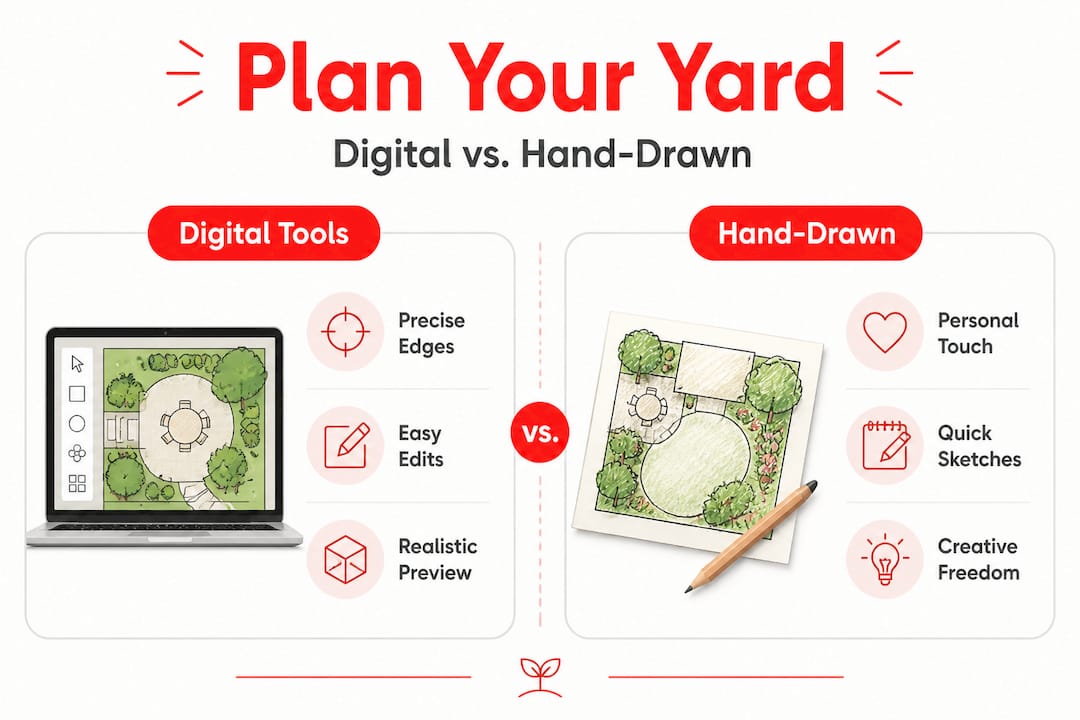
Both approaches work beautifully. Many experienced DIY landscapers start with a hand-drawn sketch to get ideas flowing, then transfer the final plan to a digital tool for precision. Apps like iScape, Home Outside, or even Google’s My Maps can help you visualize plant placement and spacing before you dig a single hole.
Pro Tip: Before you finalize your plan, visit your local extension office or nursery and ask about plants that are native to your region. Native plants thrive with less watering, resist local pests naturally, and often require far less maintenance than exotic varieties. They’re an incredible value for any DIY project.
If you’ve ever tackled other projects around the house, the structured approach used in DIY decor project steps translates surprisingly well to outdoor landscaping. The same principles of measuring, planning, and working in stages apply to both.
Now that we understand the value of planning, let’s look at how to translate your ideas into a real backyard transformation.
Softscape and hardscape: Balancing beauty and function
Your yard becomes truly captivating when softscape and hardscape work together in harmony. Think about the most inviting outdoor spaces you’ve ever walked through. Chances are, they had a thoughtful mix of lush plantings softening the edges of solid stone pathways, or warm lighting illuminating garden beds at night. That balance isn’t accidental. It’s designed.
A well-organized landscape plan typically organizes both softscape (plants) and hardscape (walkways, patios, lighting) to create a cohesive outdoor experience. Here’s a closer look at each element and how to use them wisely.
Softscape essentials
| Softscape element | Primary benefit | Maintenance level |
|---|---|---|
| Lawn turf | Usable open space, visual foundation | Moderate to high |
| Flowering shrubs | Color, fragrance, seasonal interest | Low to moderate |
| Ornamental grasses | Texture, movement in wind | Very low |
| Perennial flowers | Year-round color cycles | Low |
| Ground cover plants | Weed suppression, slope stabilization | Very low |
| Mulch beds | Moisture retention, soil health | Low (annual refresh) |
Softscape choices should always respond to your site’s specific conditions. A shady corner near your fence may become a lush fern garden, while a sun-drenched slope might call for drought-tolerant sedums and ornamental grasses. Never try to force a sun-loving plant into a shady spot. It will struggle, look poor, and require constant attention.
Hardscape essentials
Good hardscape transforms your yard from a passive green space into an active living area. It gives people places to walk, sit, gather, and enjoy the outdoors. Here are the hardscape elements that deliver the most impact for DIY installers:
- Pathways and walkways: Define traffic flow and prevent foot traffic from wearing out your lawn. Gravel paths are an easy starting point; flagstone and pavers offer a more polished finish.
- Patios and seating areas: Create a destination in your yard. Even a simple 10×10-foot paver patio can completely change how you use your outdoor space.
- Retaining walls: Practical for sloped yards and visually interesting when built with natural stone or decorative block.
- Outdoor lighting: Perhaps the most dramatic and transformative hardscape element of all. Pathway lights, uplights on trees, and string lights over a patio turn an ordinary yard into an enchanting nighttime destination. Exploring outdoor lighting concepts reveals just how many affordable options exist for DIY installers.
- Edging: Often underestimated, clean edging between lawn and garden beds creates a crisp, professional appearance with minimal effort.
Modern home improvement technology has also introduced smart irrigation controllers, solar-powered landscape lighting, and app-controlled outdoor systems that even beginners can install with confidence.
Common balance mistakes to avoid:
- Overloading one half of the yard with hardscape and leaving the other bare and unfinished
- Planting large shrubs too close to pathways, causing the path to feel crowded after just a few years of growth
- Installing lighting without planning for power sources or maintenance access
- Neglecting to leave enough open lawn space for functional activities like children playing or entertaining guests
The sweet spot is a yard that feels alive in every corner, where your eye moves naturally from a blooming garden bed to a welcoming stone path to a lit patio where you actually want to spend your evenings.
With the planning framework in place, choosing and blending materials becomes easier and more impactful.
Bringing your plan to life: Step-by-step application
You’ve sketched your plan, defined your zones, and chosen your materials. Now comes the most exciting part: actually building it. Working in the right sequence is everything here. Doing things out of order is the number one cause of rework, wasted materials, and frustrating do-overs.
The DIY installation process starts with layout, then moves to installation, specifically to avoid costly rework. Here’s the sequence that works:
- Prep and mark the site. Use spray paint, string lines, or garden hoses to outline the footprint of all hardscape features. Walk around the marked areas from different angles to check proportions before digging anything.
- Complete site grading and drainage work. Before you plant or pave anything, address any drainage issues. Grading soil away from your house foundation protects your home from water damage. Correcting low spots now prevents flooding problems later.
- Install hardscape first. Lay your patios, pathways, retaining walls, and edging before any planting begins. This protects your future garden beds from heavy foot traffic, equipment, and material deliveries.
- Add irrigation or drainage systems. If you’re installing any kind of irrigation, soaker hoses, or French drains (a gravel-filled trench that redirects water underground), do it before soil preparation and planting.
- Prepare soil for planting. This step is non-negotiable for healthy plants. Add compost, adjust pH if needed, and loosen compacted soil to a depth of at least 12 inches. Healthy soil means less watering, fewer pests, and faster plant establishment.
- Plant in order: trees first, then shrubs, then perennials, then ground covers. Starting with the largest plants lets you space everything else around them correctly.
- Lay sod or seed lawn areas. Lawn goes in near the end to prevent it from being trampled during earlier installation stages.
- Apply mulch. A 2 to 3 inch layer of mulch around all planting beds retains moisture, suppresses weeds, and gives the whole yard a clean, polished look.
- Install outdoor lighting. Low-voltage landscape lighting is surprisingly DIY-friendly. Solar options require no wiring at all, making them perfect for beginners.
- Final walkthrough and adjustments. Walk through your completed space at different times of day and evening. Note anything that needs tweaking, whether a pathway stone that sits a little high, a plant that needs repositioning, or a light that shines in the wrong direction.
Pro Tip: During your final walkthrough, take photos from multiple angles, including from inside your house looking out. You’ll catch proportion and balance issues that you simply can’t see standing in the middle of the yard. This small habit can save you from a nagging feeling that “something’s off” for years to come.
Troubleshooting common installation issues:
- Uneven paver surfaces: Remove the affected pavers, add or remove base material, and re-set them. A bubble level is your best friend during installation.
- Plants wilting after installation: Most new plants experience transplant shock for one to three weeks. Water consistently and avoid fertilizing until the plant shows new growth.
- Mulch washing away on slopes: Use shredded hardwood mulch, which interlocks and resists movement far better than large bark chips. Anchor fabric underlayment can also help on steeper grades.
- Lighting that doesn’t reach far enough: Combine spotlights with pathway lights for layered illumination that covers both ground-level and accent needs.
Solid general home improvement habits like measuring twice, staging materials efficiently, and cleaning up at the end of each work session make your landscape project feel achievable rather than overwhelming. Your lifestyle outside your home deserves just as much intentional investment as every room inside it.
Once your vision is realized, reflecting on the process can reveal valuable insights for future projects.
What most DIY landscapers overlook: Lessons from the field
Here’s something worth saying plainly: the majority of DIY landscaping mistakes don’t happen during installation. They happen weeks or months before a single shovel touches the ground, because someone skipped the planning step or treated it as optional.
Sketch and scale your yard before defining where softscape and hardscape will go. This approach exists for a reason: the cost of rework on a completed landscape isn’t just financial. It’s discouraging. Pulling up a freshly laid patio because a tree root was in the way, or digging up a plant bed because a new drainage solution cuts right through it, can turn an exciting project into a demoralizing one.
But there are two other areas that consistently trip up even motivated and well-organized DIY landscapers: soil preparation and drainage. Most homeowners see these as background details. Experienced landscapers know they’re the foundation of everything.
Poor soil is invisible until your plants struggle, yellow, and fail to thrive despite regular watering and fertilizing. The real fix isn’t more fertilizer. It’s understanding that compacted clay soil, sandy soil with no nutrient retention, or soil with extreme pH levels will undermine even the best plants. A simple soil test, costing less than $20 at most garden centers, gives you a clear picture of what your soil needs before you invest in plants.
Drainage issues are similarly invisible until the first heavy rain. Water pooling against your foundation can cause serious structural damage over time. Low spots in planting beds become muddy, root-rotting zones that kill plants in a single season. Addressing drainage before planting isn’t just smart landscaping. It’s smart homeownership.
Beyond those practical concerns, the biggest mindset shift you can make is to stop seeing your yard as a static picture you’re trying to paint once. Your landscape is a living, evolving system. Plants grow and fill in. Canopies from young trees will eventually cast new shade zones. A gravel path will settle and shift with freeze-thaw cycles. Plan for change by choosing adaptable plants, leaving growth room, and maximizing project ROI through selections that reward you for years, not just the first season.
Simple changes, done well, create lasting impact. A single flowering tree at the corner of your yard can redefine the entire visual character of your property. A well-placed stone path connecting your back door to a seating area changes how you and your guests experience the outdoor space every single day. These aren’t grand gestures requiring huge budgets. They’re thoughtful moves made possible by a solid plan and a clear vision.
Next steps: Unlocking your DIY landscaping potential
You now have everything you need to start your landscape journey with confidence and clarity. Lizard’s Lunch has your back every step of the way, with guides that go deeper on the topics that matter most to DIY homeowners. Explore practical home improvement tips to understand which projects deliver the highest long-term value for your home, and discover the latest technology for landscaping that makes installation faster, smarter, and more enjoyable than ever. Start small, think big, and remember: the most beautiful yards you’ve ever admired started with exactly the same thing you have right now, an empty space and an exciting idea.
Frequently asked questions
What tools do I need for DIY landscaping?
Basic tools include gardening gloves, a trowel, a shovel, a rake, and a measuring tape. More advanced projects may also call for a wheelbarrow, a bubble level, edging tools, and a tamper for compacting base material under pavers.
How do I choose between softscape and hardscape?
Balance your choices based on your budget, the amount of maintenance you’re comfortable with, and the function you want your space to serve. A plan that organizes both softscape and hardscape creates the best mix of visual appeal and practical use.
Can I DIY landscaping in a small yard?
Absolutely. Small yards can be transformed dramatically with smart layouts and strategic plant choices. A scaled drawing of your yard helps you maximize every square foot without overcrowding or wasting space.
How much does DIY landscaping save compared to hiring professionals?
Labor typically represents 50 to 75 percent of professional landscaping quotes, so doing the work yourself can mean significant savings. You’ll still spend on materials, plants, and tools, but even those costs can be managed by phasing your project over multiple seasons.
















Leave a Comment
Your email address will not be published. Required fields are marked with *