
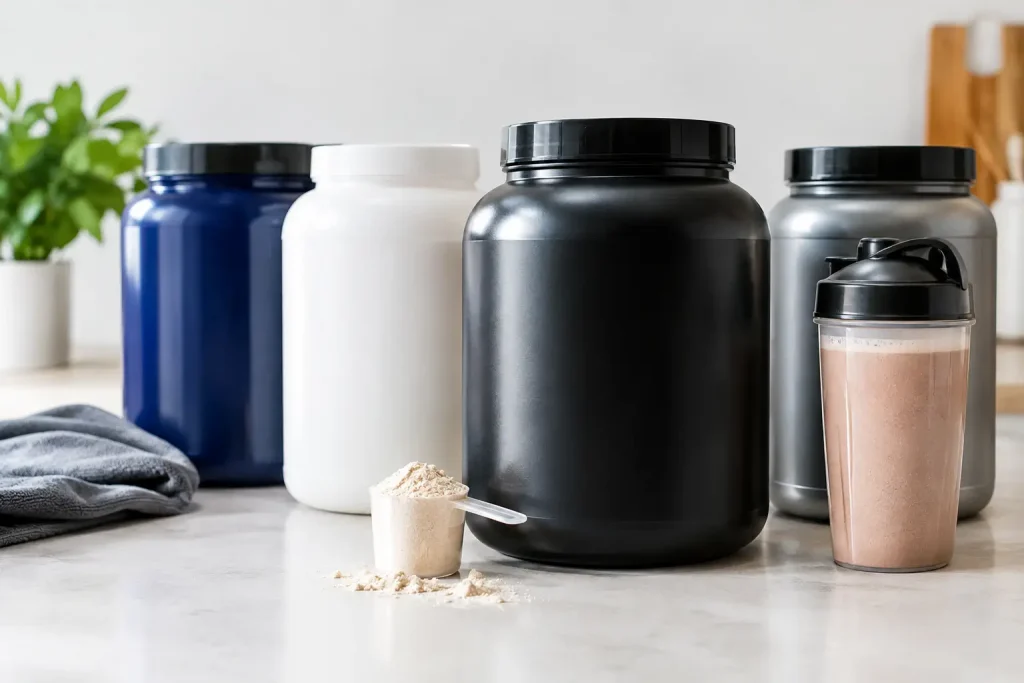
A practical protein powder review for comparing whey, plant, and specialty blends, reading labels, and finding a smart fit for your budget and routine.
A protein powder review should answer more than one question: does it have a big protein number on the front? The better question is whether that powder earns a place in your cabinet after you factor in taste, digestion, ingredients, cost per serving, and the way you actually plan to use it. A bargain tub that sits untouched because it tastes chalky is not much of a bargain.
Protein powder can be a convenient food supplement for busy mornings, post-workout snacks, and recipes that need a little more staying power. It is not required for building a balanced diet, and it cannot make up for a menu built around skipped meals. But for people who struggle to get enough protein from food alone, the right scoop can make routines easier.
What a useful protein powder review should measure
Marketing tends to make every powder sound like the answer to better workouts, easier weight management, and endless energy. The label tells a more grounded story. Start with the protein source, then look at protein per serving, calories, added sugar, sodium, flavoring, and price.
For most adults, a serving with roughly 20 to 30 grams of protein is a practical range. The right amount depends on body size, activity level, overall diet, and guidance from a clinician or registered dietitian when needed. More grams are not automatically better if the powder also adds lots of sugar or calories you did not intend to consume.
The ingredient list matters because it often explains why two similar-looking tubs mix, taste, and sit differently. Some people appreciate a short formula with a protein source, cocoa or vanilla, and a sweetener. Others need a blend with digestive enzymes, fiber, or an unflavored option for cooking. Neither approach wins by default.
Protein powder review: compare the main types
Whey concentrate
Whey concentrate is the familiar all-purpose choice, usually made from milk and often priced below isolates. It typically delivers a complete amino acid profile and mixes easily in a shaker bottle. Flavored versions can taste more like a milkshake than a health-food compromise, which is a real advantage when consistency matters.
The trade-off is that concentrate contains more lactose and usually a little more fat and carbohydrate than whey isolate. People with mild lactose sensitivity may tolerate it just fine, while others notice bloating or discomfort. A smaller bag is a smart first purchase if dairy powders have been hit-or-miss for you.
Whey isolate and hydrolyzed whey
Whey isolate goes through additional processing to remove more fat and lactose, so it often provides a higher percentage of protein per scoop. It can be a strong fit for shoppers who want a leaner formula or who find standard concentrate harder to digest.
Hydrolyzed whey is processed further into smaller protein fragments. It is commonly sold as a premium sports-nutrition option, but the price can climb quickly. Unless you have a specific reason to choose it, isolate or concentrate may offer better everyday value.
Casein
Casein is another milk-derived protein, known for mixing into a thicker shake or pudding-like texture. Its slower digestion makes it popular as an evening snack or a way to make yogurt and oats more filling. That texture is a feature for some recipes and a deal-breaker for anyone who wants a light, quick drink.
Plant-based blends
Pea protein, brown rice protein, soy, hemp, pumpkin seed, and mixed plant formulas offer dairy-free options. Blends are especially common because combining sources can improve texture and create a more balanced amino acid profile. Soy is itself a complete protein, while pea-and-rice blends are a popular alternative for those avoiding soy.
Plant powders have improved dramatically, but flavor remains more variable than with whey. Earthy notes, grittiness, and thicker shakes show up more often. Look for a brand that provides a clear serving size and protein amount, then consider buying single-serve packets or the smallest container before committing to a large tub.
Egg white and specialty formulas
Egg white protein can work for people who avoid both dairy and many plant ingredients, although it is less common and sometimes foamy when shaken. Collagen powders are also everywhere, but they should not be treated as a direct replacement for whey, soy, egg, or a well-designed plant blend. Collagen is not a complete protein, so it is better viewed as a specialty supplement than the main protein source in a shake.
Read the label beyond the protein number
A front label may spotlight 25 grams of protein while the nutrition panel reveals a serving that is two scoops and 240 calories. That may be perfect for someone using it as a meal-sized smoothie base. It is less ideal for a quick snack after a walk.
Check the serving size first, then compare calories and added sugar. Sweetened powders are not automatically poor choices. If a chocolate powder helps you replace a drive-thru dessert or makes a nutrient-packed smoothie enjoyable, a few grams of sugar may be worthwhile. Still, shoppers who use protein daily may prefer lower-sugar formulas so they can control sweetness with fruit, milk, or nut butter.
Also scan for sugar alcohols and high-intensity sweeteners if you know they bother your stomach or leave an aftertaste you dislike. Thickeners such as gums can improve texture, but some sensitive users prefer simpler formulas. This is not a universal red flag – it is a personal tolerance issue.
Third-party testing can add useful confidence, particularly for competitive athletes or anyone concerned about contaminants and label accuracy. Look for clear, credible testing or certification language on the package. If you take prescription medications, are pregnant or nursing, have kidney disease, food allergies, or a medical condition that affects nutrition, get individualized advice before adding a supplement.
Match the powder to the moment you will use it
The best protein powder is usually the one that fits an existing habit. If you want a fast breakfast, choose a flavor that works with milk, coffee, or a banana. If you bake often, unflavored whey or a mild plant blend may be more useful than a very sweet birthday-cake formula. For travel, single-serve packets can be worth the higher price because they remove friction.
Water is the cleanest way to judge mixability and flavor, but it is not the only test. Whey often works well with cold water, while plant protein can taste better blended with soy milk, oat milk, frozen fruit, or ice. A blender can solve a gritty texture, although it will not rescue a flavor you genuinely dislike.
Pay attention to serving cost rather than sticker price. Divide the container price by the number of servings, then compare products with similar protein amounts per serving. A lower-priced tub can become expensive if each serving provides only 15 grams of protein and you routinely need two scoops.
Common buying mistakes worth avoiding
Do not buy the biggest container on the first try just because the unit price looks impressive. Flavor fatigue is real, and digestive comfort is hard to predict from a label. Start smaller when trying a new source, sweetener, or brand.
Avoid treating a protein shake as a magic meal replacement unless it contains enough calories, fiber, produce, and healthy fats to keep you satisfied. A scoop stirred into water can be a useful protein boost, but it may not hold you over for long. Build it into a snack or meal that suits your hunger and schedule.
Finally, do not assume an expensive “performance” formula is necessary. Many shoppers will do well with a straightforward powder that tastes good, provides enough protein, and fits the budget. Fancy extras can be useful, but only when you understand what they add and why you want them.
A good tub should make your day easier, whether that means a smoother breakfast, a more satisfying afternoon snack, or a reliable post-gym option. Choose the one you can enjoy consistently, not the one with the loudest label.

















Leave a Comment
Your email address will not be published. Required fields are marked with *