
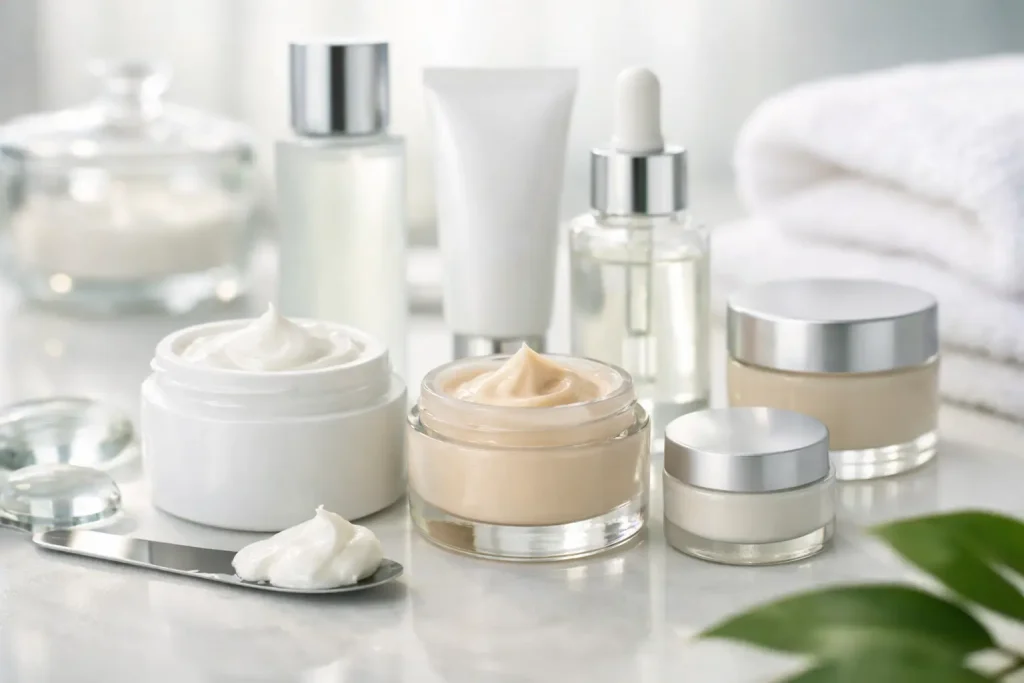
Find the best drugstore anti aging creams for your skin type, with ingredient insights, smart picks, and a simple routine that makes your money count.
A $20 moisturizer will not erase 20 years overnight, but the best drugstore anti aging creams can make a real difference in how hydrated, smooth, and even-toned skin looks over time. The key is buying for the concern you actually have – whether that is dryness, fine lines, dullness, sensitivity, or the first signs of lost firmness – instead of paying for a dramatic label.
Drugstore shelves now carry ingredients once associated with prestige skincare, including retinol, peptides, ceramides, niacinamide, vitamin C, and hyaluronic acid. That does not mean every cream is a perfect fit. A powerful retinol cream can irritate dry skin, while a rich barrier cream may feel too heavy for someone who gets oily by noon. Here are worthwhile options and a smarter way to choose one.
12 Best Drugstore Anti Aging Creams Worth Considering
1. Olay Regenerist Micro-Sculpting Cream
This longtime favorite earns its reputation with niacinamide, peptides, and hyaluronic acid. It has a rich, cushiony feel that suits normal to dry skin and gives makeup a smoother-looking base. Choose the fragrance-free version if your skin is easily reactive. Olay Regenerist Micro-Sculpting Cream will not replace a prescription retinoid, but it is an excellent everyday moisturizer for visible plumping and barrier support.
2. Olay Retinol 24 + Peptide Night Moisturizer
For people ready to add a beginner-friendly retinoid to their routine, this night cream combines retinol with peptides and hydrating ingredients. Olay Retinol 24 + Peptide Night Moisturizer is designed to target fine lines, uneven texture, and dullness without the heavy feel some nighttime formulas have. Start two or three nights per week, then increase only if your skin stays comfortable.
3. Neutrogena Rapid Wrinkle Repair Regenerating Cream
Neutrogena’s retinol-focused cream is a solid pick for shoppers whose main priority is fine lines and texture. Retinol has more research behind it than most over-the-counter anti-aging ingredients, but it comes with a learning curve. Use a pea-sized amount of Neutrogena Rapid Wrinkle Repair Regenerating Cream, avoid stacking it with exfoliating acids at first, and follow with moisturizer if you tend to get dry.
4. RoC Retinol Correxion Deep Wrinkle Night Cream
RoC Retinol Correxion Deep Wrinkle Night Cream is another dependable name for accessible retinol products. Its Deep Wrinkle Night Cream is aimed at more established lines around the forehead, mouth, and eyes, though it should be kept away from eyelids unless the label specifically says otherwise. The texture is creamy but not greasy, making it a practical option for combination and normal skin types.
5. CeraVe Skin Renewing Night Cream
Sometimes the best anti-aging move is repairing a stressed skin barrier. This cream uses ceramides, hyaluronic acid, and peptides to support moisture retention and soften the look of dehydration lines. CeraVe Skin Renewing Night Cream does not contain retinol, which makes it a particularly useful choice for sensitive skin, for rest nights between retinoid use, or for anyone whose skin reacts to active treatments.
6. L’Oréal Revitalift Triple Power Anti-Aging Moisturizer
This widely available moisturizer combines pro-retinol, vitamin C, and hyaluronic acid in one easy step. L’Oréal Revitalift Triple Power Anti-Aging Moisturizer is a convenient daytime or nighttime choice for someone looking to address dullness alongside fine lines. Because formulas and fragrance levels can vary by version, sensitive-skinned shoppers should patch-test and consider a simpler product if they are already using several active treatments.
7. Eucerin Q10 Anti-Wrinkle Face Cream
Eucerin Q10 Anti-Wrinkle Face Cream is a smart, no-fuss choice for dry or sensitive skin. Coenzyme Q10 is an antioxidant, while the moisturizing base helps skin look less crepey and tight. The formula is less aggressive than a retinol cream, so it is better for comfort and steady hydration than for rapid texture-focused results.
8. Cetaphil Healthy Renew Night Cream
This night cream is made for people who want a gentle approach to visible aging. Cetaphil Healthy Renew Night Cream focuses on hydration and a retinol alternative blend rather than traditional retinol, helping improve the appearance of fine lines without asking sensitive skin to tolerate a potentially irritating active. It is especially appealing if your face often stings, flakes, or turns red after stronger products.
9. No7 Future Renew Damage Reversal Night Cream
No7’s Future Renew line is positioned around peptide technology and skin-repair support. The No7 Future Renew Damage Reversal Night cream has a nourishing texture that works well for normal to dry skin, especially if your concerns include roughness and a tired-looking complexion. It is priced above some classic drugstore basics, but still usually costs less than comparable department-store creams.
10. Naturium Multi-Peptide Moisturizer
Naturium’s multi-peptide moisturizer has a lightweight, modern feel that may appeal to people who dislike thick creams. Peptides are not a substitute for sunscreen or retinoids, but they can complement a routine by supporting a smoother, more hydrated appearance. This is a strong option for combination skin and for layering under daytime sunscreen.
11. Differin Restorative Night Moisturizer
This is not a treatment cream in the traditional sense, but it deserves a spot for anyone using adapalene or retinol. Its purpose is to help offset dryness with ceramides and nourishing moisture. Pairing a treatment with a reliable moisturizer often gets better long-term results than pushing through irritation with a stronger product.
12. Aveeno Calm + Restore Oat Gel Moisturizer
Fine lines look more noticeable when skin is inflamed or dehydrated. Aveeno’s soothing oat-based gel moisturizer is a useful choice for sensitive, redness-prone, or oily-dehydrated skin that cannot handle a dense cream. Consider it a calming support product rather than a wrinkle treatment, and use it alongside sunscreen and a gentle active if tolerated.
What Makes a Drugstore Cream Actually Effective?
A convincing before-and-after claim is not the same as a formula that makes sense for your routine. Retinoids, including retinol, are the most proven over-the-counter category for helping improve the appearance of fine lines, uneven texture, and discoloration. They work gradually, and irritation is possible, particularly during the first month.
Peptides are popular because they are generally easy to tolerate and often appear in moisturizing formulas. They may help support a firmer, smoother-looking appearance, but results tend to be subtler than with retinoids. Niacinamide is another versatile ingredient worth seeking out. It can help support the skin barrier, reduce the appearance of uneven tone, and make a routine feel more balanced.
Then there are the foundational ingredients: ceramides, glycerin, squalane, and hyaluronic acid. They do not remodel skin, but they improve hydration. That matters because well-moisturized skin reflects light more evenly and makes fine lines look less pronounced right away.
How to Choose Among the Best Drugstore Anti Aging Creams
Start with your skin’s current behavior, not your idealized skin type from five years ago. If your face feels tight after cleansing or makeup settles into lines, prioritize a fragrance-free cream with ceramides, glycerin, or hyaluronic acid. If your concern is rough texture or early wrinkles, a low-strength retinol night cream may be the better investment.
Oily and acne-prone skin can still need anti-aging moisture, but a gel-cream or lightweight lotion usually feels more wearable than a thick balm. Sensitive skin benefits from restraint. Choose one active product at a time, give it several weeks, and stop if persistent burning, swelling, or rash develops.
Also check the jar versus pump question. Jar packaging is not automatically bad, but air-sensitive ingredients such as retinol and vitamin C tend to fare better in opaque, airtight pumps or tubes. A plain-looking tube with a clear ingredient list can be a better purchase than an elaborate jar promising a miracle.
Build a Routine That Lets the Cream Work
An anti-aging cream cannot make up for daily unprotected sun exposure. Broad-spectrum SPF 30 or higher is the most useful daytime product for preventing new visible signs of photoaging. Apply it every morning, including on cloudy days, and use enough to cover your face, neck, and other exposed areas.
At night, cleanse gently and apply your treatment cream to dry skin. If retinol causes dryness, try the sandwich method: apply a thin layer of bland moisturizer, then retinol, then another light layer of moisturizer. Avoid using retinol on the same night as strong scrubs, high-strength acids, or other irritating treatments until you know your skin can handle the combination.
Pregnant or breastfeeding shoppers should ask a clinician before using retinoid products. Anyone dealing with eczema, rosacea, persistent acne, or significant pigment changes may also get more personalized results from a dermatologist than from switching creams repeatedly.
The most satisfying skincare purchases are the ones you can use consistently. Pick one cream that fits your budget, feels good enough to reach for nightly, and supports a routine built around sunscreen. Give it time, take a photo in the same lighting every few weeks if you want to track progress, and let steady habits do the heavy lifting.


















Leave a Comment
Your email address will not be published. Required fields are marked with *