
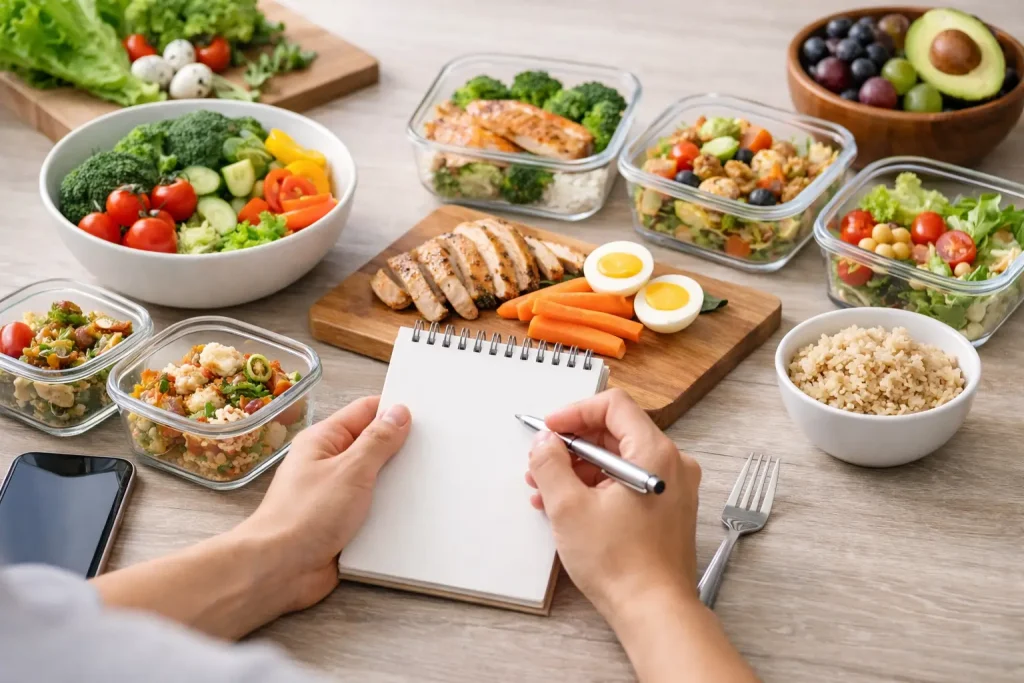
Learn how to meal plan effectively with simple weekly steps that save time, cut food waste, reduce stress, and make healthy eating easier.
That 5:30 p.m. moment – when everyone is hungry, the fridge looks random, and takeout starts sounding like a personality trait – is exactly why people want to learn how to meal plan effectively. A good meal plan is not about turning your kitchen into a military operation. It is about making dinner easier, groceries cheaper, and weekdays less chaotic.
The biggest mistake most people make is treating meal planning like a perfect system instead of a flexible tool. If your plan only works when every day goes exactly right, it is not a useful plan. The goal is not to schedule seven flawless dinners. The goal is to make enough decisions ahead of time that the rest of the week feels lighter.
How to meal plan effectively without overcomplicating it
Meal planning works best when it starts with your real life, not your aspirational one. If you know Tuesday runs late because of work, sports practice, or errands, that is not the night to test a new recipe with three pans and a homemade sauce. Put a fast, familiar meal there instead. Save the more involved meals for a slower evening or the weekend.
Start by looking at your week before you think about food. Check your calendar, count how many breakfasts, lunches, and dinners you actually need at home, and note any nights when leftovers would help. This one step makes the rest of the plan more realistic.
Then build around what you already have. A half bag of rice, chicken in the freezer, spinach that needs to be used, and a jar of pasta sauce are not leftovers from old intentions – they are your starting lineup. Planning from your pantry and fridge first cuts waste and lowers your grocery bill without much effort.
Build a weekly meal plan that fits your schedule
A practical meal plan usually covers three things: what you will cook, when you will cook it, and what can be reused. Reuse matters more than people think. If you roast vegetables on Sunday, those can show up in grain bowls on Monday, pasta on Tuesday, and a quick lunch wrap on Wednesday.
Instead of choosing seven completely different meals, think in categories. Pick one pasta meal, one taco or bowl night, one soup or slow cooker dinner, one sheet pan option, one leftover night, and one easy backup meal. That gives you variety without forcing you to reinvent dinner every day.
Here is where a lot of meal plans get better fast: match meal difficulty to energy level. On high-energy days, cook something that takes a little more attention. On low-energy days, use shortcuts. Rotisserie chicken, frozen vegetables, bagged salad, pre-cooked grains, canned beans, and store-bought sauces are not cheating. They are often the reason a meal plan survives a busy week.
Pick anchor meals, not endless recipes
An anchor meal is a dependable option you can make without much thought. Think turkey tacos, baked salmon with potatoes, stir-fry, chili, breakfast-for-dinner, or pasta with protein and vegetables. You do not need dozens of these. You need five to ten that your household will actually eat.
This matters because too much choice creates friction. If every week begins with scrolling for recipe inspiration, meal planning starts to feel like homework. A small set of repeat meals removes decision fatigue while still leaving room for one or two new things when you feel like it.
Plan for leftovers on purpose
Leftovers work best when they are intentional. Doubling a soup, chili, casserole, or grain base can give you lunch the next day or cover a dinner later in the week. That is different from cooking too much and hoping someone feels excited about it later.
It also helps to think beyond reheating the exact same plate. Leftover grilled chicken can become quesadillas, salads, sandwiches, or rice bowls. Cooked ground beef can move from tacos to pasta sauce. A little planning here makes leftovers feel useful instead of repetitive.
Make your grocery list do the heavy lifting
Once your meals are set, your grocery list should follow the plan closely. Random shopping is where budgets get blown and good intentions fall apart. If it is not tied to a meal, snack, or staple you know you use, it probably does not need to go in the cart.
Organizing your list by store section helps more than it sounds like it should. Produce, protein, dairy, frozen, pantry, and household basics keep the trip faster and cut down on forgotten items. If you shop at more than one store, note what is worth buying where. That can matter if you are balancing convenience with price.
It is also smart to keep a short backup list of items that can create an emergency meal. Eggs, pasta, black beans, tortillas, shredded cheese, frozen dumplings, soup, and sandwich supplies can rescue a week when plans shift. A strong meal plan includes a little margin for real life.
Prep just enough to make weekdays easier
Meal prep and meal planning are related, but they are not the same thing. You do not have to spend your entire Sunday filling matching containers to benefit from planning. Often, the best prep is partial prep.
Wash produce, chop onions, cook a batch of rice, marinate protein, hard-boil eggs, or portion snacks. These small tasks reduce friction later without committing you to fully assembled meals you may not want by Thursday. For many households, partial prep is easier to maintain than full batch cooking.
There is a trade-off here. Full meal prep saves time later but can get repetitive. Cook-as-you-go meals taste fresher but require more evening effort. Most people do best with a hybrid approach: prep the ingredients that take time, then assemble meals fresh enough to still feel appealing.
Store food where it is easy to see
Visibility changes behavior. If prepped vegetables are hidden behind leftovers and condiments, they are less likely to get used. Put ready-to-eat items at eye level. Keep proteins labeled. If your freezer is part of your planning strategy, write down what is in it.
A simple fridge or freezer inventory can save money and prevent duplicate shopping. It does not need to be fancy. Even a note on your phone with chicken thighs, frozen broccoli, meatballs, and soup can make weekly planning much faster.
How to meal plan effectively on a budget
Meal planning is one of the easiest ways to control food spending, but only if the plan reflects prices as well as preferences. Start with sale items, store brands, and ingredients that stretch. Rice, beans, pasta, oats, potatoes, eggs, canned tomatoes, and frozen vegetables are budget-friendly staples that support a lot of meals.
Protein is usually where costs rise fastest. If your budget is tight, you do not have to cut it completely or buy the most expensive options. Ground turkey, chicken thighs, canned tuna, lentils, tofu, and beans can all work well depending on your taste and cooking style. Mixing meat with beans or vegetables can also make meals more affordable without making them feel skimpy.
Budget planning also means knowing when convenience is worth paying for. A pre-cut vegetable tray may cost more than whole carrots and celery, but if it prevents waste and helps you actually cook, it may still be the better buy. Effective meal planning is not about chasing the lowest possible receipt. It is about getting value from what you purchase.
Keep your system simple enough to repeat
The best meal plan is the one you will still use next month. That usually means having a repeatable routine. Pick one day to review the week, one day to shop, and a short window to prep. If your schedule changes, adjust the timing, but keep the rhythm.
You can use a notebook, a notes app, a whiteboard, or a printable planner. The tool matters less than consistency. If a color-coded spreadsheet makes you happy, great. If a sticky note on the fridge works better, that counts too.
Watch for patterns as you go. Maybe you always over-plan lunches, or Friday is better as leftovers than a new recipe night. Maybe your family eats more fruit than you thought and less salad than you hoped. A meal plan improves when it reflects what actually happens, not what should happen in theory.
If you miss a week, do not treat it like failure. Just reset with three dinners, a few lunch basics, and one backup meal. A lighter plan is still a plan, and often a better one.
Meal planning gets easier when you stop trying to make it impressive and start making it useful. Feed the week you really have, leave room for change, and let simple wins carry more weight than perfect ones.


















Leave a Comment
Your email address will not be published. Required fields are marked with *