

Explore 10 Cheap Weekend Trip Ideas in the US for 2026. Discover affordable getaways that promise adventure without breaking the bank!
An affordable weekend getaway is any short trip where your total cost, including lodging, transport, food, and activities, stays under $200 per person. The 10 cheap weekend trip ideas in the US covered here prove that a tight budget does not mean a dull experience. Smart destination choices, combined with shoulder season timing and the right lodging strategy, are the real engine behind budget travel. Shoulder season pricing runs 20–40% below peak rates, which means the calendar you choose matters as much as the destination itself.
1. Shenandoah National Park, Virginia
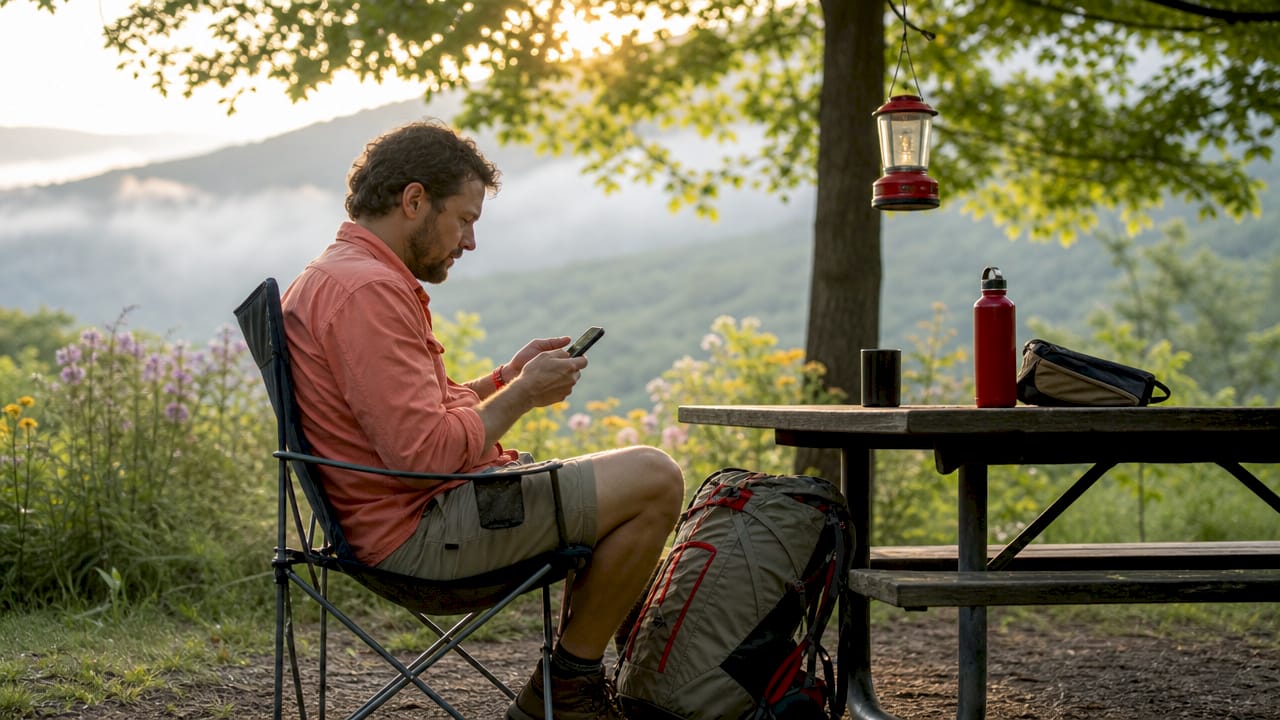
Shenandoah is one of the most rewarding cheap vacations in the US for anyone within a day’s drive of the Mid-Atlantic. The park entrance fee runs about $30 per vehicle for seven days, and campground fees sit between $20 and $35 per night. That means a full weekend for two people can cost under $100 in lodging and entry combined.
- Main draw: Skyline Drive, 500+ miles of hiking trails, and stunning fall foliage
- Best timing: Late september through october for color; avoid summer holiday weekends
- Cost tip: Pack all your food. Camp stores charge premium prices.
Pro Tip: Book your Shenandoah campsite on Recreation.gov the moment the six-month booking window opens. Sites at Mathews Arm and Big Meadows sell out within hours.
2. Asheville, North Carolina
Asheville punches well above its size for budget travelers. The city’s walkable River Arts District and downtown are packed with free galleries, street musicians, and independent coffee shops. You can spend a full Saturday exploring without spending a dollar on activities.
- Main draw: Blue Ridge Parkway drives, craft breweries, and the River Arts District
- Best timing: April through may or october for mild weather and lower hotel rates
- Cost tip: Stay in a hostel or a budget inn just outside downtown to cut lodging costs
Asheville’s food scene skews local and affordable. Grab lunch at the Western North Carolina Farmers Market, where fresh produce and prepared foods cost a fraction of restaurant prices.
3. Savannah, Georgia
Savannah is one of the most walkable cities in the South, and its 22 historic squares are completely free to visit. The city’s architecture, Spanish moss, and riverfront make it feel like a destination that should cost far more than it does.
- Main draw: Historic district walking tours, Forsyth Park, and River Street
- Best timing: March through april or november for cooler temperatures and lower crowds
- Cost tip: Free walking tour companies operate daily; tip what you can afford
Major cities like Savannah deliver genuine affordability through walkability and free attractions, not just rural settings. Budget a single paid experience, like a ghost tour or a riverboat ride, and keep everything else free.
4. Olympic Peninsula, Washington
The Olympic Peninsula offers three distinct ecosystems in one weekend: temperate rainforest, alpine meadows, and rugged Pacific coastline. It is one of the most dramatic short trips for less money anywhere in the country.
- Main draw: Hoh Rain Forest, Hurricane Ridge, and Rialto Beach
- Best timing: June through early september for dry weather; avoid July 4th weekend
- Cost tip: The park pass covers all entry points for seven days
The peninsula is a long drive from Seattle, so plan your route in advance. A well-organized road trip here eliminates the need for any flights, and regional road trips let you redirect your entire flight budget toward better food and gear.
Pro Tip: Stay in Forks or Port Angeles rather than inside the park. Lodging there runs significantly cheaper, and you are still within 30 minutes of every major trailhead.
5. Galveston, Texas
Galveston is the go-to affordable beach weekend for anyone in Texas or the Gulf South. The island has free public beaches, a historic Strand District, and a relaxed pace that makes it easy to decompress without spending much.
- Main draw: East Beach, the Strand National Historic Landmark District, and Moody Gardens
- Best timing: April through may or september through october to avoid peak summer crowds
- Cost tip: Rent a vacation home with a kitchen and cook most meals yourself
Lodging with a kitchenette cuts restaurant costs by 50–66%, which is often the single biggest budget win after transportation. Galveston has dozens of vacation rentals with full kitchens at rates well below comparable beach towns on the East Coast.
6. Sedona, Arizona
Sedona has a reputation as a luxury destination, but it does not have to be. The red rock formations are free to look at from dozens of pullouts along State Route 89A. Hiking is free with a Red Rock Pass, which costs about $5 per day.
- Main draw: Cathedral Rock, Bell Rock, and Slide Rock State Park
- Best timing: March through april or october through november for ideal hiking temperatures
- Cost tip: Stay in Cottonwood or Camp Verde, 20 minutes away, to cut lodging costs by 30–40%
Sedona is a strong example of staying one neighborhood away from tourist centers to cut accommodation costs by 25–40%. The drive into town is scenic, and you avoid the inflated prices of in-town hotels entirely.
7. Acadia National Park, Maine
Acadia is the crown jewel of the Northeast for budget outdoor travel. The park’s carriage roads are free to hike and bike, and Bar Harbor is a short walk from most campgrounds. A weekend here feels far more expensive than it actually is.
- Main draw: Cadillac Mountain sunrise, Jordan Pond, and the carriage road network
- Best timing: September through early october for foliage and thinner crowds
- Cost tip: Camp at Blackwoods or Seawall instead of staying in Bar Harbor hotels
The park entrance fee covers seven days of access. Combined with campground rates in the $20–$35 range, a couple can cover two nights of lodging and park entry for under $100.
8. New Orleans, Louisiana
New Orleans is one of the most culturally rich budget-friendly travel ideas in the country. The French Quarter, Frenchmen Street, and the Garden District are all free to walk. Live music spills out of bars onto the street every night at no cover charge.
- Main draw: Frenchmen Street jazz, Magazine Street shopping, and City Park
- Best timing: January through march, outside of Mardi Gras week, for the lowest hotel rates
- Cost tip: Eat at local po-boy shops and Vietnamese restaurants on Magazine Street instead of tourist-facing Bourbon Street spots
New Orleans rewards travelers who eat where locals eat. A full meal at a neighborhood lunch counter costs $10–$15 and tastes better than most tourist-district restaurants charging three times as much.
9. Great Smoky Mountains, Tennessee and North Carolina
Great Smoky Mountains National Park is the most visited national park in the US, and it charges no entrance fee at all. That single fact makes it one of the best US trips under $200 for families and solo travelers alike.
- Main draw: Clingmans Dome, Cades Cove, and Laurel Falls Trail
- Best timing: April through may for wildflowers; october for fall color; avoid summer weekends
- Cost tip: Stay in Bryson City, NC, rather than Gatlinburg for lower prices and a quieter base
Gatlinburg is fun, but its lodging prices spike dramatically on weekends. Bryson City sits on the quieter North Carolina side of the park and offers genuine small-town charm at a fraction of the cost.
10. Portland, Oregon
Portland is one of the most walkable and transit-friendly cities in the Pacific Northwest, and its food cart culture makes eating well on a tight budget completely realistic. Powell’s Books alone can fill an entire afternoon for free.
- Main draw: Powell’s Books, Forest Park, the Pearl District, and food cart pods
- Best timing: June through september for dry weather; avoid holiday weekends
- Cost tip: Use TriMet’s MAX light rail from the airport instead of a rideshare to save $25–$35 each way
Cities like Portland and Denver offer affordable weekend options with round-trip airfare often in the mid-$200s from many US hubs. Flying into Portland International Airport and using public transit keeps your total transport cost low from the moment you land.
Pro Tip: Set a fare alert for Portland flights at least six weeks out. Fare alerts and price drop protection can save $100–$400 per trip, which is a bigger win than any daily expense cut you can make on the ground.
How shoulder season timing cuts your weekend trip costs
Shoulder season is the period between a destination’s peak and off seasons. It typically falls in spring (april through may) and fall (september through october) for most US destinations. Crowds are thinner, prices are lower, and the weather is often more pleasant than at peak times.
Shoulder season accommodation costs run 20–40% below peak rates. That gap translates directly into cash you can spend on experiences instead of a bed.
Weekday stays add another layer of savings. Booking Sunday through Thursday nights lowers lodging rates by 20–30% compared to Friday and Saturday stays. If your schedule allows a Sunday departure instead of Saturday, you capture that discount on at least one night.
Practical timing tips:
- Check local event calendars before booking. A regional festival can spike hotel rates by 50% or more even in shoulder season.
- Avoid the week before and after major holidays, even if the holiday itself falls on a weekday.
- For beach destinations, the last two weeks of august often see sharp price drops as families return home before school starts.
- For mountain and park destinations, the week after Labor Day is consistently the best value of the year.
Pro Tip: Travel expert Melanie Fish recommends setting fare alerts as your first planning step, not your last. Booking at the right moment saves more money than any combination of small daily cuts.
Lodging and transportation strategies that keep trips under budget
The two biggest costs on any weekend trip are where you sleep and how you get there. Getting both right is the difference between a $150 weekend and a $400 one.
Lodging choices that actually save money
Campground stays at $20–$35 per night are the clearest path to cheap lodging. National park campgrounds, state park sites, and Corps of Engineers campgrounds all offer clean facilities at those rates. For travelers who prefer a roof, a motel or vacation rental with a kitchen is the next best option.
A kitchenette reduces meal costs by 50–66% over a weekend. Breakfast and packed lunches alone can save $30–$50 per person over two days. That is real money that goes toward a better experience elsewhere.
Staying one neighborhood away from tourist centers cuts accommodation costs by 25–40%. The key is confirming that transit or walking access to attractions is practical before you book. A $60 per night motel two miles from the action beats a $120 per night hotel in the middle of it.
Transportation choices that protect your budget
Regional road trips eliminate airfare entirely and let you redirect that money toward experiences. Splitting fuel costs with one travel companion cuts your transport budget roughly in half. A well-planned road trip is one of the most reliable ways to keep a weekend under $200 per person. Our team at Lizard’s Lunch has a full guide on planning a road trip that covers routing, packing, and cost management in detail.
When flying is necessary, secondary airports near major destinations significantly reduce airfare. Flying into Providence instead of Boston, or Burbank instead of LAX, often saves $50–$100 on the ticket and cuts ground transport time. Pair that with a short rental car drive and you have converted an expensive destination into an affordable one.
Pro Tip: Check the best days to fly before you book. Tuesday and Wednesday departures consistently price lower than Thursday through Sunday flights on most US routes.
How to keep activities and dining affordable on any weekend trip
Free attractions are the foundation of every successful budget weekend. Every destination on this list has at least a full day’s worth of free activities. The goal is to build your itinerary around free options first, then add one or two paid experiences that genuinely matter to you.
Free activity categories that deliver real value:
- National and state park trails and scenic drives
- Historic districts, public squares, and waterfront promenades
- Free museum days (most major art museums offer one free day per week)
- Farmers markets and public festivals
- Free walking tours (tip-based, so you control the cost)
Dining is the easiest place to overspend on a weekend trip. The fix is simple: eat where locals eat. Neighborhood lunch counters, food cart pods, and local bakeries charge half the price of tourist-facing restaurants and usually taste better. Preparing your own breakfast in a kitchenette and packing a lunch for the trail saves $20–$30 per day per person without any sacrifice in enjoyment.
Timing your trip around a local festival or free community event adds enormous value at zero cost. Many small cities host free outdoor concerts, art walks, and food events on weekends throughout spring and fall. A quick search of a destination’s local events calendar before you book can turn a good trip into a great one.
Pro Tip: Check how to avoid tourist traps before you go. The restaurants and shops closest to major attractions charge the highest prices and deliver the least authentic experience.
Key takeaways
The most affordable weekend trips in the US combine free or low-cost destinations with shoulder season timing, budget lodging, and local dining to keep total costs under $200 per person.
| Point | Details |
|---|---|
| Shoulder season saves the most | Traveling in april, may, september, or october cuts lodging costs by 20–40% compared to peak times. |
| Campgrounds beat hotels on price | National park campgrounds cost $20–$35 per night, far less than most city hotels. |
| Kitchenettes cut food costs in half | Lodging with a kitchen reduces meal expenses by 50–66% over a weekend stay. |
| Stay one neighborhood away | Booking accommodations just outside tourist centers saves 25–40% on lodging with minimal inconvenience. |
| Road trips eliminate airfare | Regional drives split fuel costs and redirect the flight budget toward better experiences. |
The trips that surprised us most
Our team at Lizard’s Lunch has spent time researching and writing about budget travel for years, and the destinations that consistently surprise us are not the obvious ones. Shenandoah and the Smokies are well known, but places like Bryson City, North Carolina, and Cottonwood, Arizona, are where the real value hides.
The conventional wisdom says you need to go far to have a great trip. We disagree. Some of the most memorable weekends come from driving two hours in a direction you have never gone and finding a small town with a great bakery, a scenic river walk, and a farmers market on Saturday morning. No flight, no hotel shuttle, no $18 cocktail.
The other thing most budget travel guides miss is the value of doing less. Packing three destinations into a weekend to “maximize” the trip usually means you enjoy none of them fully. Pick one place, stay two nights, and actually settle in. You will spend less and remember more.
Flexibility in travel dates is the single most powerful tool you have. If you can leave on a Thursday evening instead of a Friday, or return on a Sunday morning instead of Sunday night, you unlock lower lodging rates and thinner crowds at every destination on this list. That flexibility costs nothing and saves real money every single time.
— Our team at Lizard’s Lunch
More travel resources from Lizard’s Lunch
Planning a great weekend trip takes more than a destination list. It takes a clear budget, smart timing, and the right tools to keep costs from creeping up. Our team at Lizard’s Lunch has put together practical guides that complement every trip idea above.
Start with our guide on keeping vacation costs down, which covers shoulder season strategy, lodging choices, and the booking habits that protect your budget from the moment you start planning. If you are heading out by car, our road trip planning guide walks you through routing, packing, and cost management step by step. And if you want to travel lighter and smarter, our travel tech guide for 2026 covers the gadgets and apps worth carrying on any budget trip.
FAQ
What is the cheapest type of weekend trip in the US?
National park camping is the cheapest option, with campground fees of $20–$35 per night and park entry around $30 per vehicle for seven days. Great Smoky Mountains National Park charges no entrance fee at all.
How do I keep a weekend trip under $200 per person?
Combine campground or kitchenette lodging, shoulder season timing, free attractions, and a regional road trip to eliminate airfare. Eating one meal per day from a grocery store or local market cuts daily food costs significantly.
When is the best time to book a budget weekend trip?
Set fare alerts at least six weeks before your trip. Shoulder season dates in april through may and september through october consistently offer the lowest lodging and activity prices at most US destinations.
Are major US cities affordable for a weekend trip?
Yes. Cities like Portland, Savannah, and New Orleans offer full weekends of free walking, free attractions, and cheap local dining. Affordability in cities comes from walkability and timing, not just rural or nature settings.
Does staying outside the tourist center really save money?
Booking accommodations one neighborhood away from tourist centers cuts lodging costs by 25–40%. The key is confirming that transit or walking access to main attractions is practical before you commit to the booking.















Leave a Comment
Your email address will not be published. Required fields are marked with *