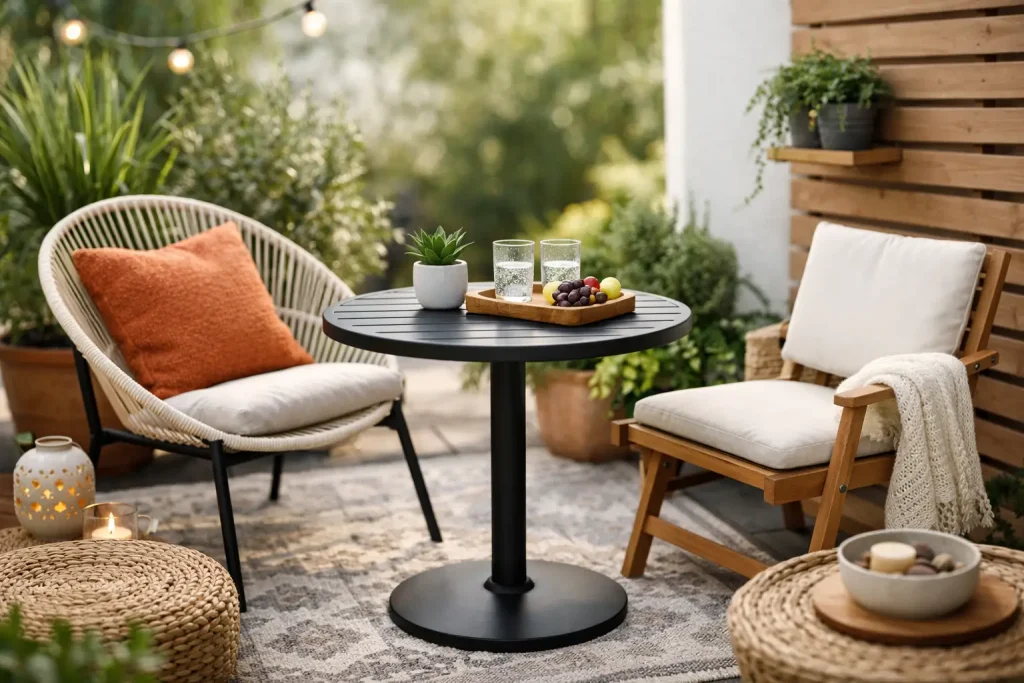
Find the best patio furniture for small spaces with smart picks, sizing tips, and stylish ideas that make balconies, porches, and tiny patios work.
A tiny patio can turn into a clutter trap fast. One oversized loveseat, one wobbly side table, and suddenly your morning coffee spot feels like a storage closet with better lighting. The best patio furniture for small spaces solves that problem by doing more with less – less bulk, less visual noise, and less wasted square footage.
Small outdoor areas ask for a different mindset than big backyards. You are not just shopping for style. You are shopping for scale, flexibility, and furniture that earns its footprint. A compact balcony, narrow porch, or apartment patio can still feel inviting, but only if each piece fits the space and the way you actually live.
What makes the best patio furniture for small spaces?
The short answer is proportion. Furniture that works in a showroom or a wide-open deck often looks awkward in a six-foot balcony. Small-space patio furniture should feel visually lighter, physically smaller, and easy to move when you need the area for something else.
That usually means slim frames, clean lines, and pieces that leave some floor visible underneath. Chairs with open backs, tables with narrow legs, and benches without heavy arms tend to make a space feel less crowded. By contrast, chunky wicker sectionals and oversized deep-seat sets can swallow a small patio in minutes.
Function matters just as much. In a tight outdoor area, every item should serve a purpose. A side table that doubles as storage, a folding dining set, or stackable chairs often beats a more luxurious piece that locks the whole layout into one use.
Start with measurements, not mood boards
It is easy to fall for a cute bistro set online and assume it will fit. Then the box arrives, the chairs scrape the wall, and the door barely opens. Before buying anything, measure the full patio and the usable area inside it.
Pay attention to door swing, walkway clearance, railing height, and odd corners. If your patio is long and narrow, a round table may waste less space than a square one. If it is shallow, low-profile lounge chairs may fit better than upright dining seats. A good rule is to leave enough room to move comfortably without turning sideways every time you sit down.
Tape out furniture dimensions on the ground if you can. It sounds basic, but it is one of the easiest ways to avoid expensive mistakes.
The best types of patio furniture for small spaces
Bistro sets for everyday use
If you want one of the safest bets for a compact outdoor area, start with a bistro set. These sets are made for small footprints and usually include two chairs and a petite table. They work especially well on apartment balconies, townhouse patios, and front porches where space is tight but you still want a place to sit with a drink or a laptop.
The trade-off is comfort and versatility. Bistro chairs are often upright and better for short sits than long lounging sessions. But if your goal is casual dining, coffee, or a simple conversation spot, they are hard to beat.
Folding furniture for flexible layouts
Folding chairs and tables are ideal when your patio has to do double duty. Maybe you use the space for container gardening, drying rugs, or letting kids play outside. Foldable furniture gives you seating when you want it and open floor space when you do not.
This option is especially useful for renters. It is easy to store, easy to move, and usually easier on the budget. The downside is that some folding sets can look temporary or feel less sturdy, so materials and build quality matter.
Stackable chairs with a slim table
For people who entertain now and then but live with limited space every day, stackable chairs are a smart middle ground. You can keep two out regularly and bring out extras only when needed. Pair them with a narrow café table or a compact rectangular dining table if your patio shape allows it.
This setup works well when you want flexibility without the look of camping furniture.
Storage benches and dual-purpose seating
Multi-use pieces tend to shine in small spaces. A storage bench can hold cushions, gardening tools, or outdoor throws while also giving you extra seating. Some ottomans do the same job and can act as a footrest, side table, or spare seat.
The catch is size. Dual-purpose furniture is only helpful if it is actually compact. A huge storage box with a seat cushion on top still eats up valuable room.
Conversation sets with compact proportions
If lounging is your priority, look for scaled-down conversation sets instead of full patio sectionals. Two compact club chairs and a small table can create a polished look without overfilling the space. In some cases, a loveseat and one petite side table make more sense than a full matching set.
Look closely at seat depth. Deep lounge seating sounds great, but in small patios it can make the area feel crowded and less functional. A slightly more upright seat often fits better and still feels comfortable.
Materials that work well in tight outdoor areas
Material changes how furniture looks and how heavy it feels in a small space. Aluminum is one of the strongest choices because it is lightweight, rust-resistant, and visually clean. It is easy to rearrange and usually has a slimmer profile than bulkier wood or resin designs.
Wicker can work too, especially if it has a more modern, streamlined frame. But thick, rounded wicker pieces can feel too heavy on a narrow patio. If you like that woven look, choose lighter colors and tighter silhouettes.
Wood brings warmth, but it often needs more maintenance and can visually read heavier in a small footprint. Steel is durable, though it is usually heavier to move. For tiny patios, lighter-looking materials often create a more open feel, even when the actual dimensions are similar.
Color and shape matter more than most shoppers think
On a small patio, visual weight is real. Dark, bulky furniture can make the area seem smaller, while lighter neutrals and open-frame pieces keep it feeling airy. That does not mean everything has to be beige. Black metal can look sharp and modern, especially when the frame is thin. The goal is balance, not blandness.
Shape matters too. Round tables usually soften tight corners and improve movement, while square and rectangular tables can be more efficient if your patio is long and straight. If you are deciding between two similar sets, pick the one that makes walking around it easier.
How to avoid common small-patio mistakes
One of the biggest mistakes is buying a full set just because it is sold as a set. Matching pieces can be convenient, but they are not always the smartest use of a compact area. Sometimes two chairs and one versatile table outperform a four-piece arrangement designed for a larger deck.
Another mistake is ignoring vertical space. If your square footage is limited, wall planters, railing trays, or a narrow shelving unit can add function without crowding the floor. That leaves more room for the furniture you actually need.
Cushions are another area where it depends. Thick cushions add comfort, but they also add bulk. In very small spaces, slimmer cushions may keep the furniture usable and easier to store. Weather resistance matters too, especially if you do not have an outdoor storage box.
Best patio furniture for small spaces by lifestyle
If you mostly drink coffee outside and want a simple setup, a bistro set is probably your best buy. If you host occasionally, stackable chairs and a compact table give you more flexibility. If you use your patio to unwind after work, a pair of compact lounge chairs or a loveseat with a small side table makes more sense.
For families, benches can be more space-efficient than several individual chairs. For renters, folding furniture is often the easiest option to move and store. For design-focused shoppers, mixed materials like aluminum and wood-look finishes can give a small patio a more polished feel without adding visual clutter.
That is really the key. The best choice is not the piece with the most features. It is the one that fits your routine, your footprint, and your tolerance for maintenance.
A quick shopping checklist before you buy
Before you add anything to your cart, check five things: the actual dimensions, seat height, material weight, whether the chairs tuck in neatly, and whether the furniture can survive your local weather. A set that looks great in photos but needs constant upkeep or blocks your door will get old fast.
Also think about what you do not need. If you never eat full meals outside, skip the dining setup. If you rarely entertain, avoid buying extra seats just in case. Small patios reward restraint.
A compact outdoor space does not need a miracle makeover. It just needs furniture that respects the space. Pick pieces with a smaller footprint, a clear purpose, and enough style to make you want to step outside more often.















Leave a Comment
Your email address will not be published. Required fields are marked with *