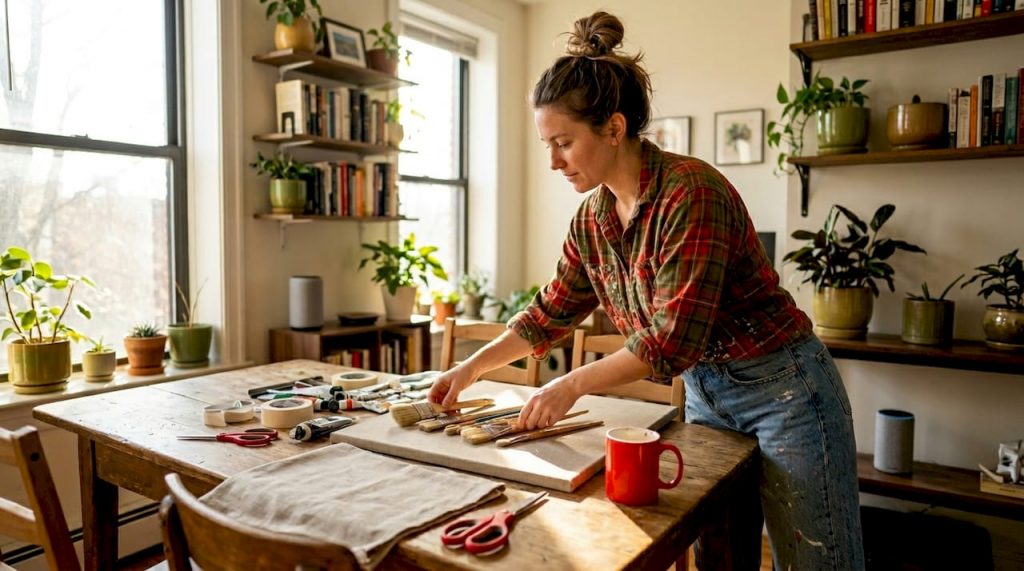
Unlock your creativity with our DIY home decor tutorial! Transform your space effortlessly with simple steps for stunning results. Start your project today!
There’s a special kind of frustration that comes from staring at the same bare walls or outdated furniture day after day, wishing your home felt more like you without the wallet-draining cost of a full renovation. The good news? You don’t need a contractor, a design degree, or a massive budget to transform your living space into something genuinely captivating. DIY home decor is one of the most rewarding ways to put your personal stamp on every room, and it’s far more accessible than most people think. This tutorial walks you through every stage of the creative process, from sparking an idea to proudly displaying your finished piece. Whether you’re a first-timer or a seasoned crafter looking for fresh direction, you’ll find the inspiration, tools, and confidence to make it happen right here.
Table of Contents
- Gathering inspiration and setting your vision
- Essential tools and materials checklist
- Step-by-step DIY home decor project walkthrough
- Finishing touches and showcasing your results
- Why most people overthink DIY home decor (and how to get unstuck)
- Ready to tackle more DIY ideas? Explore these resources
- Frequently asked questions
Key Takeaways
| Point | Details |
|---|---|
| Start with inspiration | Defining your style and project goals streamlines the path to a satisfying result. |
| Prepare with a checklist | Gather all tools and materials before you begin to prevent mid-project delays. |
| Follow steps carefully | A structured approach boosts your confidence and project quality at every stage. |
| Embrace creative tweaks | Personal touches and finishing flourishes make your DIY decor one-of-a-kind. |
| Share and learn | Showcasing your finished project connects you with a wider creative community. |
Gathering inspiration and setting your vision
With excitement set, the next step is to clarify what you want and what suits your home. Jumping into a project without a clear vision is one of the most common reasons DIY decor projects end up feeling “off.” A little planning at the start saves hours of frustration later, and it also makes the whole experience far more enjoyable.
Where great ideas come from
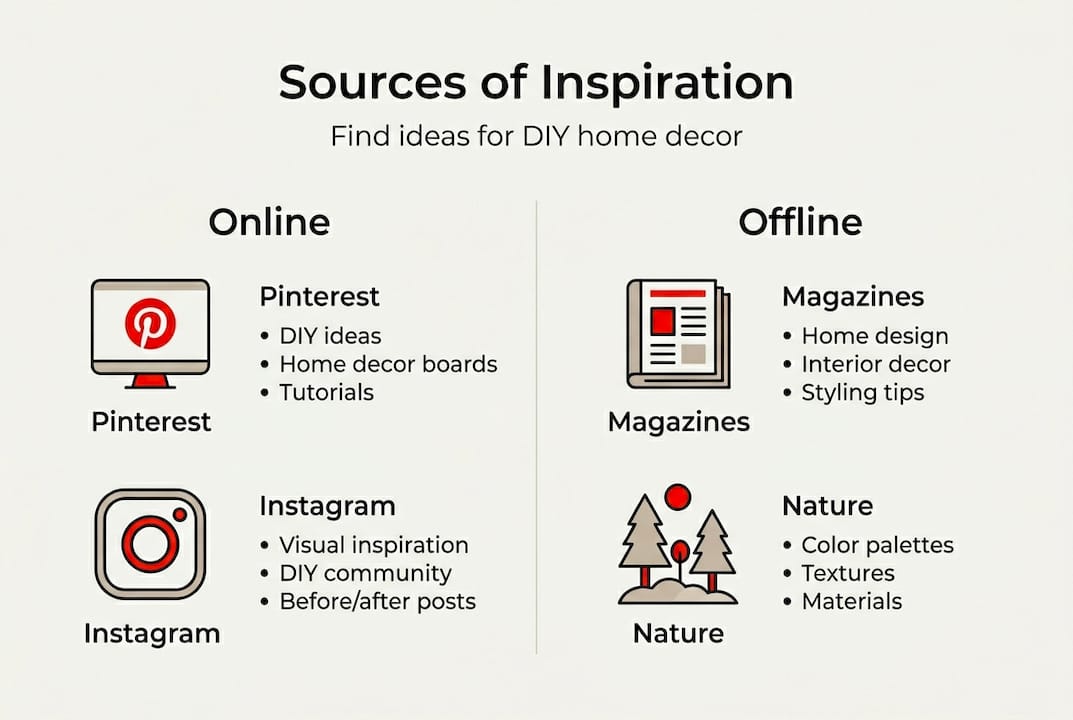
The world is absolutely full of creative inspiration once you know where to look. Online platforms like Pinterest and Instagram are treasure troves of home design ideas that span every style imaginable, from cozy farmhouse aesthetics to sleek minimalist setups. A quick search with specific keywords like “rustic floating shelves” or “boho wall art” will surface hundreds of real projects that real people have completed in real homes.
Don’t overlook the physical world either. Flip through lifestyle magazines at your local library, take a slow walk through a home goods store just to observe textures and color combinations, or look at the natural world outside your window. The grain pattern of a wooden fence, the color of autumn leaves, or the arrangement of stones in a garden can all spark a brilliant design idea. Even architecture in your neighborhood, the curve of a doorway or the color of a brick wall, can suggest something beautiful for your interior.
Social media communities, particularly on platforms like Reddit and Facebook Groups dedicated to DIY and interior decorating, are another goldmine. You’ll find people sharing before-and-after photos, honest tips, and genuine feedback, all free of charge.
Defining a style that fits your space
Once you have a collection of images you love, patterns will start to emerge. Maybe you keep pinning warm wood tones and woven textiles. Maybe you’re drawn to bold geometric shapes and monochrome palettes. These patterns tell you a great deal about your instinctive style, and they’ll guide every decision going forward.
Choosing a modern home trends approach doesn’t mean your entire home needs to look like a catalog shoot. It just means picking one dominant style for your project and committing to it. This clarity makes shopping for materials much faster and ensures your finished piece feels intentional rather than accidental.
Setting a realistic goal also means being honest about your time, budget, and current skill level. A beginner attempting an elaborate upholstered headboard as a first project might feel overwhelmed, while that same person would feel triumphant tackling a simple gallery wall. Choose a project that stretches your abilities just a little without snapping them.
Key things to define before you begin:
- Your dominant style or aesthetic (modern, bohemian, farmhouse, industrial, Scandinavian)
- Your color palette (stick to two to four colors for a cohesive look)
- Your available budget, including a small buffer for unexpected needs
- Your available time, both for the project overall and per session
- The specific room or wall space you’re decorating
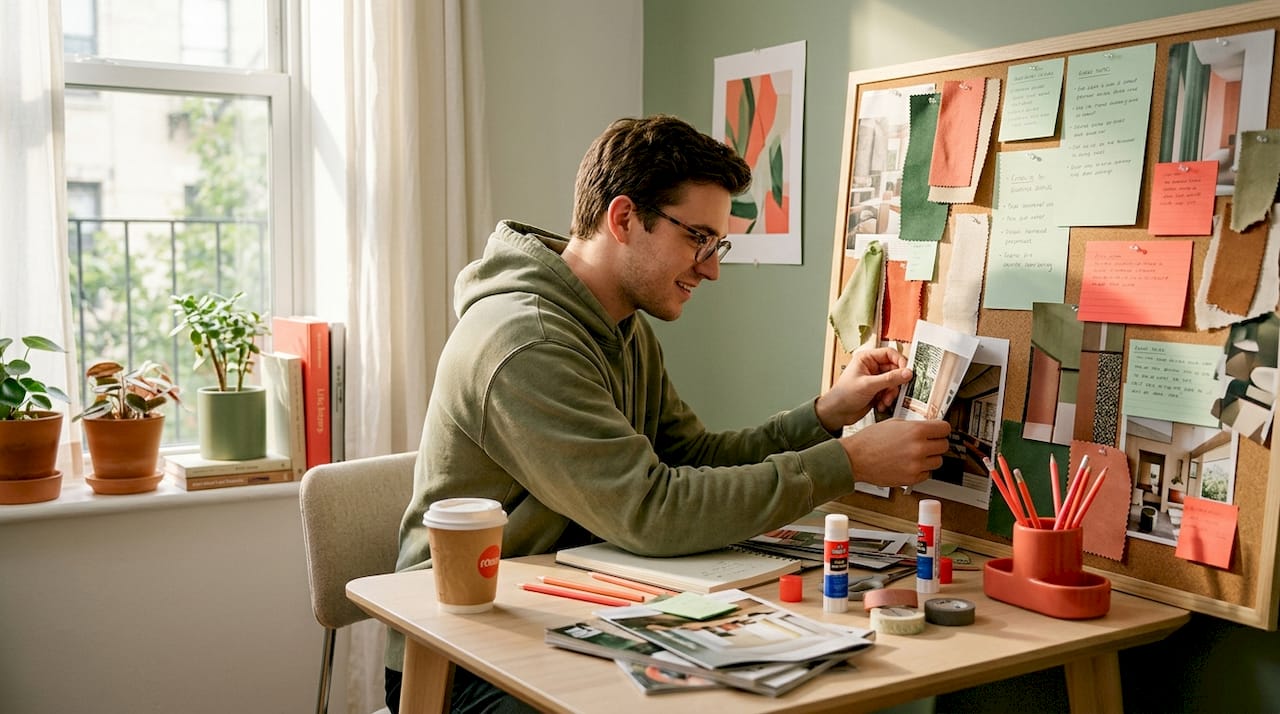
A quick mood board is one of the most powerful tools in any DIYer’s arsenal. You can create a digital version using free tools like Canva, or simply cut images from magazines and tape them to a piece of cardboard. Include fabric swatches, paint chip samples, and printed color references to get a tangible sense of how everything will look together.
One mistake to actively avoid is copying a project exactly without adapting it to your space. What looks stunning in a bright loft apartment with 12-foot ceilings may feel crowded and overwhelming in a smaller bedroom. Use inspiration as a guide, not a blueprint, and adjust proportions, colors, and scale to match your own room.
Pro Tip: Before you finalize your idea, snap a few photos of your actual space with your phone. Then pull up inspiration images side by side and compare the lighting, existing furniture colors, and wall texture. This simple habit prevents costly mismatches between what you imagined and what you end up with.
Essential tools and materials checklist
Now that you know the look you’re after, it’s time to gather exactly what you need. One of the biggest momentum killers in any DIY project is realizing mid-process that you’re missing a critical tool or material. A little preparation here makes everything downstream go smoothly.
Core tools and materials for DIY home decor
The specific supplies you’ll need vary by project, but most basic decor projects draw from the same reliable set of tools and materials. Here’s a helpful reference table to get you started:
| Tool or material | Primary use | Budget-friendly option |
|---|---|---|
| Acrylic paint | Coloring wood, canvas, fabric | Craft store brands under $3 |
| Paintbrushes (various sizes) | Applying paint and varnish | Multi-pack sets from discount stores |
| Hot glue gun and sticks | Bonding lightweight materials | Available for under $10 |
| Sandpaper (80, 120, 220 grit) | Smoothing wood surfaces | Sold in multi-packs cheaply |
| Measuring tape | Accurate sizing and spacing | Standard hardware item |
| Level | Hanging items straight | Free app on your smartphone |
| Craft knife or box cutter | Cutting paper, foam, fabric | Replacement blades extend life |
| Mod Podge or decoupage glue | Sealing and layering materials | Widely available in craft stores |
| Wood panels or canvases | Base for wall art | Thrift stores and dollar stores |
| Twine, rope, or ribbon | Texture and hanging elements | Dollar store finds work great |
Budget-friendly sourcing strategies
You don’t need to buy everything new. Thrift stores, garage sales, and online marketplaces like Facebook Marketplace and OfferUp are loaded with furniture, frames, and decor pieces waiting to be transformed. Buying a beat-up wooden frame for $2 and refinishing it with paint and new hardware is one of the most satisfying and affordable DIY wins out there.
Dollar stores are genuinely underrated for craft supplies. Canvases, wooden letters, small containers, and basic tools are all available for next to nothing. Checking the clearance section of craft stores like Michaels or Hobby Lobby can also yield incredible deals on materials that are perfectly good but simply out of season.
For DIY project tips and material ideas on a budget, it also pays to think about what you already own. Old jars become vases. Scrap wood becomes shelving. Leftover paint from a bedroom refresh becomes custom artwork. The most resourceful DIYers look at existing items with fresh eyes before spending a dollar.
Safety basics to keep in mind:
- Work in a well-ventilated area when using paint, varnish, or adhesives
- Keep sharp tools like craft knives and scissors out of reach of children
- Let hot glue cool before touching it directly
- Wear a dust mask when sanding wood, especially older pieces that may contain old finishes
- Read labels on any chemical products before use and follow their safety guidelines
Quick preparation checklist
Before you sit down to start your project, run through this quick inventory:
- All required materials purchased and ready
- Workspace cleared and protected (use newspaper or a drop cloth)
- Protective gear on hand if needed (gloves, mask, safety glasses)
- Reference images printed or displayed on a nearby screen
- Timer or schedule set if you’re working in stages
Pro Tip: Organize your supplies into labeled sections or small trays before you begin. Setting up your workspace like a mini studio, with brushes in one spot, adhesives in another, and hardware grouped together, saves you from constantly hunting for things mid-project and keeps your creative flow uninterrupted.
Step-by-step DIY home decor project walkthrough
With supplies ready, you can roll up your sleeves and get hands-on. For this tutorial, we’ll walk through creating a custom abstract canvas wall art piece, one of the most popular and beginner-friendly projects that delivers a genuinely impressive, high-end result at a fraction of the cost of buying art.
What you’ll need
A blank stretched canvas (any size you like), acrylic paint in your chosen palette, a variety of brushes, a palette or disposable plate, painter’s tape, and a cup of water for rinsing brushes.
Step-by-step instructions
- Prepare your canvas. Lay your canvas flat on your protected work surface. If the canvas has a slight sheen or feels slippery, lightly sand it with 220-grit sandpaper to help the paint adhere better. Wipe away any dust with a slightly damp cloth and let it dry completely.
- Apply your base coat. Choose your lightest color for the background. Using a large, flat brush, apply an even layer across the entire canvas surface. Work in smooth, overlapping strokes in one direction for a cleaner finish. Allow this layer to dry fully, which usually takes 20 to 30 minutes for acrylic paint at room temperature.
- Tape off any geometric shapes (optional). If you want clean lines or geometric patterns, now is the time to apply painter’s tape. Press the edges down firmly to prevent paint from bleeding underneath. This step is especially great for beginners because it creates structure that looks intentional and professional.
- Add your accent colors. Load your brush with your second color and begin applying bold strokes, sweeping curves, or textured blobs depending on the aesthetic you’re after. Don’t overthink it. Abstract art is forgiving and expressiveness is the whole point. Layer colors while they’re still slightly wet to create blended edges, or wait for them to dry for crisp, distinct sections.
- Add texture and depth. Using a smaller brush or even a crumpled piece of plastic wrap, dab or drag paint across the surface to create organic textures. A palette knife, if you have one, can create particularly striking, three-dimensional strokes. This step is where your painting truly comes alive.
- Peel tape and evaluate. If you used painter’s tape, remove it slowly while the paint is still slightly tacky for the cleanest edge. Step back and look at the whole composition. This is your chance to add finishing strokes, intensify a color area, or add a pop of a new shade.
- Seal and protect. Once the paint is fully dry, apply a thin, even coat of Mod Podge or a dedicated acrylic varnish using a wide, soft brush. This seals the surface, protects against dust and moisture, and gives the piece a finished, gallery-worthy look.
Important: Never rush the drying stages. Paint that looks dry on the surface can still be wet underneath, especially in thick layers. Sealing wet paint traps moisture and can cause bubbling or cracking days later. When in doubt, give it an extra hour before moving on.
Painting vs. staining: choosing the right finish for wood projects
If you’re applying this to a wood-based project like a decorative shelf or furniture piece, here’s a quick comparison to help you decide on the right finish:
| Method | Best for | Finish look | Skill level | Drying time |
|---|---|---|---|---|
| Acrylic paint | Full color coverage, any wood | Opaque, bold | Beginner | 20 to 45 minutes |
| Wood stain | Showing natural grain | Transparent, rich | Beginner | 1 to 2 hours |
| Chalk paint | Vintage or matte finish | Soft, velvety | Beginner | 30 to 60 minutes |
| Varnish/polyurethane | Protective topcoat only | Clear, glossy or satin | Intermediate | 2 to 4 hours |
For even more ideas and visual guidance, exploring DIY video tutorials can show you exactly how these techniques look in motion, which is especially helpful for texture work. You can also check out this step-by-step guide to home improvement for broader project planning inspiration.
Troubleshooting common issues:
- Paint is streaky: Apply a second coat after the first is fully dry, using consistent, even strokes.
- Colors look muddy when blended: Let one color dry completely before adding the next. Wet-on-wet blending requires a light touch.
- Tape pulled up the base coat: Dab a tiny amount of matching paint over the damage with a fine brush once the tape is removed.
- The piece feels “unfinished”: A few small details like a signature, a tiny accent shape, or an additional pop of a contrasting color can bring the whole composition together.
Finishing touches and showcasing your results
After completing the main assembly, it’s time to celebrate and fine-tune your work. This stage is just as important as the creation itself, because the details you add now are what elevate a good project to a great one.
Inspecting and refining your finished piece
Start by moving your completed piece to its intended display location and stepping back at least six to eight feet. Distance reveals things that close-up inspection misses. Look for uneven areas, spots where the color feels heavier on one side, or any patches that need a touch-up.
Run your hand lightly over any surfaces to check for rough patches that sandpaper can smooth out. Check that any hanging hardware is level and secure. If your piece involves multiple elements, like a gallery wall grouping, stand back and assess the spacing between items for visual balance.
Quick customization ideas
Even after the main project is done, there are always small flourishes that add enormous character:
- Hardware swaps: Replace plain screws or standard hooks with decorative vintage-style hardware for an instant upgrade.
- Stenciling: Add a simple word, a small botanical shape, or a subtle pattern using a stencil and a bit of paint. This works beautifully on wooden frames, trays, and canvases.
- Accent colors: A thin brush stroke of metallic gold or copper around the edge of a canvas or shelf adds a professional finishing touch that catches the light beautifully.
- Natural elements: Dried flowers, pressed leaves, or a sprig of eucalyptus tucked into a frame or vase adds organic warmth to any decor piece.
- Framing: Sometimes the right frame is all a canvas or textile needs to go from “homemade” to “handcrafted masterpiece.”
Photographing and sharing your work
Sharing your finished project is genuinely one of the most rewarding parts of the DIY experience. The creative hobbies community online is enthusiastic and generous with encouragement, and seeing your work inspire someone else is an incredible feeling.
To photograph your piece effectively, place it in its display spot and wait for natural light to fill the room. Early morning and late afternoon light (the “golden hour”) creates the warmest, most flattering glow. Avoid using a flash, which flattens texture and creates harsh shadows. Take shots from multiple angles, straight-on, slightly to the side, and from a distance showing it in context with the rest of the room.
Post your photos to platforms like Instagram, Pinterest, and Reddit’s r/DIY or r/HomeDecorating communities. Include a short description of your process and any tips you discovered along the way. The more specific and honest you are, the more engagement and connection you’ll generate.
Pro Tip: Natural light is your best photography tool. Before photographing your finished decor, open every curtain and window covering in the room and turn off overhead artificial lights. The result will be warmer, more detailed, and far more inviting than any indoor lighting setup you could create.
Why most people overthink DIY home decor (and how to get unstuck)
Here’s a perspective that most tutorials won’t give you: the biggest obstacle to a beautiful DIY project isn’t a lack of skill or a tight budget. It’s hesitation. It’s the voice that says “what if it doesn’t turn out right?” or “I’m not creative enough for this.” We’ve seen it time and again, and it holds genuinely talented people back from projects they would have absolutely loved completing.
The truth is that perfection is not the goal. Progress is. Every single skilled DIYer you admire has a graveyard of wonky first attempts, peeling paint, and projects they’d rather not photograph. Those “failures” are exactly what taught them to do better the next time. The fastest path to beautiful results is starting, making mistakes, learning from them, and starting again.
Homemade does not mean amateur. When you make something with your own hands, it carries a warmth and authenticity that no mass-produced item from a big-box store can replicate. Guests always notice handmade decor. They ask about it. It becomes a conversation piece, a story, a small piece of your personality made tangible in your home.
There’s genuine wisdom in the idea that “done is better than perfect.” Taking a look at simple home decor solutions that other people have completed with basic materials can be a powerful reminder that creativity doesn’t require perfection, it just requires courage. Give yourself permission to start messy, and watch how quickly things come together once you do.
Ready to tackle more DIY ideas? Explore these resources
Once you have a taste for DIY, there’s a wide world of creative projects to explore. Whether you’re ready for your next beginner build or you want to tackle something a little more challenging, Lizard’s Lunch has a growing library of practical content to keep you inspired and equipped. Our home improvement guides cover everything from furniture upcycling to smart storage solutions, with step-by-step advice that’s easy to follow even if you’re new to hands-on projects.
If you’re looking to explore a broader range of creative pursuits, the DIY hobby inspiration section is a wonderful place to browse. You’ll find ideas across a huge range of skill levels and styles, and connecting with other readers who are sharing their own results adds a layer of community that makes the whole journey even more enjoyable. Share your completed project, ask a question, or simply browse for your next great idea.
Frequently asked questions about DIY Home Decor tutorial
What are some budget-friendly DIY home decor ideas?
Try painting old furniture, creating wall art from recycled materials, or updating throw pillows with new covers to refresh your space without spending much. Dollar stores and thrift shops are excellent starting points for gathering supplies at almost no cost.
How do I choose colors that work well together for a room?
Start with a neutral base and add two or three accent colors drawn from your inspiration images or existing decor pieces already in the room. Pulling a color from a pattern you love (like a rug or cushion) is a reliable way to ensure cohesion.
What if I make a mistake during my DIY project?
Most mistakes are completely fixable with a bit of sandpaper, a touch of matching paint, or a strategically placed decorative element to cover the trouble spot. Don’t be afraid to improvise, some of the most creative finishes come from happy accidents.
How can I share my completed home decor projects online?
Capture your project in good natural light and post it on Instagram, Pinterest, or decor-focused Reddit communities to connect with other enthusiasts. Including a short description of your process and any challenges you overcame tends to generate the warmest and most helpful responses from the community.

















Leave a Comment
Your email address will not be published. Required fields are marked with *