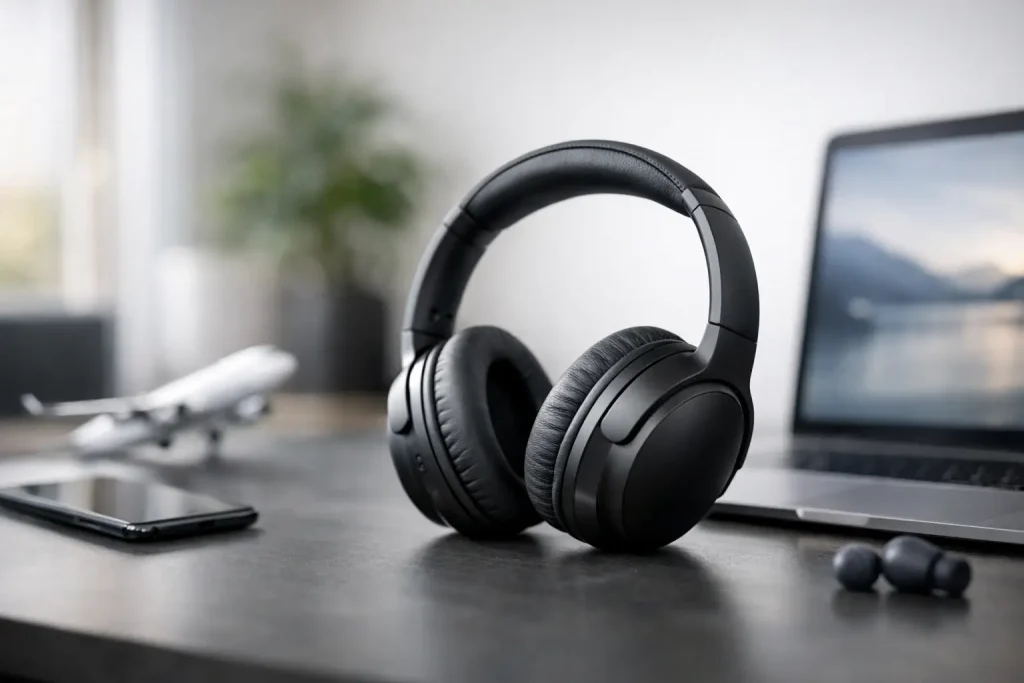
This noise cancelling headphones review breaks down sound, comfort, battery life, and value so you can choose the right pair with confidence.
A good pair of headphones can make a packed flight feel tolerable, a noisy office feel usable, and a long work session feel a lot shorter. That is exactly why a noise cancelling headphones review matters – not because every model promises silence, but because the real differences show up in comfort, call quality, battery life, and how well the tech works when life gets loud.
What actually makes noise canceling worth paying for?
The first thing to know is that active noise canceling is not magic. It works best on steady, low-frequency sounds like airplane engines, HVAC hum, bus rumble, and office drones. It is usually less dramatic with sudden voices, barking dogs, or nearby clattering dishes.
That matters because many buyers expect total quiet, then feel disappointed when they still hear parts of the world around them. The better way to judge these headphones is by asking whether they reduce the kind of noise you deal with most. If you commute, travel, or work in shared spaces, strong ANC can be a daily quality-of-life upgrade. If you mostly listen at home in a quiet room, you may get more value from sound quality and comfort than maximum noise reduction.
Noise cancelling headphones review: the features that matter most
A flashy spec sheet can distract from the basics. In real use, a few core factors separate a satisfying purchase from one that ends up in a drawer.
Noise canceling performance
This is the headline feature, but it needs context. Some headphones create a strong cocoon against engine noise but add a faint pressure sensation that some people dislike. Others feel more natural on the ears but block less sound overall. Neither approach is automatically better.
If you are sensitive to ear pressure, it may be smarter to choose balanced ANC instead of the most aggressive option. If you fly often, stronger cancellation is usually worth it. For office use, a model that softens background chatter without making your head feel weird may be the better fit.
Sound quality
Good ANC headphones should still sound good when the novelty of noise reduction wears off. Look for clear vocals, controlled bass, and enough detail that podcasts, calls, and playlists all sound enjoyable. Some models push bass hard to sound exciting at first, but that tuning can get tiring over time.
This is where personal taste comes in. If you like hip-hop, EDM, or pop, a warmer, bass-forward sound may feel fun. If you listen to acoustic music, jazz, or a lot of spoken audio, cleaner mids and treble often matter more.
Comfort for long sessions
Comfort is one of the least glamorous specs and one of the most important. Even excellent headphones are a bad deal if they pinch your jaw, trap too much heat, or feel heavy after an hour.
For travel and remote work, softer ear pads, moderate clamping force, and a manageable weight make a huge difference. People with glasses should pay close attention here, because some designs create pressure points much faster than others.
Battery life and charging
Most modern options offer enough battery for everyday use, but the details still matter. Strong battery life is especially useful for frequent travelers and anyone who forgets to charge devices regularly. Fast charging is just as important, because a short top-up before a commute can save the day.
A model that offers solid ANC but weak battery can become annoying surprisingly fast. Convenience counts.
Microphone and call quality
A lot of people buy noise canceling headphones for music, then end up using them for Zoom calls, phone calls, and voice notes every day. Some excellent listening headphones are just average for calls, especially in windy or crowded settings.
If work calls are part of your routine, this should not be treated as a bonus feature. It should be part of the buying decision.
Controls and app support
Touch controls can feel sleek, but they are not always better than physical buttons. In cold weather, on the move, or when adjusting quickly, buttons can be more reliable. Companion apps can also add useful extras like EQ adjustment, customizable ANC modes, and wear detection.
None of this is essential, but thoughtful controls make the experience smoother over months of daily use.
How premium models usually compare with mid-range options
A practical noise cancelling headphones review should be honest about diminishing returns. Premium headphones usually deliver the best combination of ANC, comfort, materials, and smart features. They often sound more refined and feel better built. That said, the jump in price is not always matched by a dramatic jump in everyday satisfaction.
Mid-range models have improved a lot. Many now offer very respectable noise canceling, strong battery life, and sound quality that will satisfy most listeners. The trade-off is that they may have less effective microphones, simpler apps, cheaper plastics, or a less polished fit.
For many buyers, mid-range is the sweet spot. If you travel constantly, take calls all day, or care about fine details in sound and finish, premium can still make sense. If you mainly want to quiet your commute and enjoy music without spending top dollar, mid-range often gets you most of the way there.
Who should buy over-ear noise canceling headphones?
Over-ear models are usually the best choice if comfort, battery life, and maximum ANC are your priorities. They tend to create a better seal around the ears, which helps both passive isolation and active cancellation. They are also often more comfortable for long listening sessions than earbuds.
The downside is portability. They take up more bag space, can feel warm in hot weather, and are less convenient for quick, on-the-go use. If you want something for airplanes, trains, office work, or home focus sessions, over-ear is hard to beat. If you want something pocketable for errands and the gym, earbuds may be the smarter move.
Common mistakes people make before buying
One of the biggest mistakes is choosing based only on brand reputation. Big names often make excellent headphones, but fit and comfort are deeply personal. A highly rated model that annoys your ears after 45 minutes is not a good buy for you.
Another mistake is ignoring codec support and device compatibility. Casual listeners do not need to obsess over this, but Apple users may prefer different strengths than Android users. Some features also work better within certain ecosystems, so convenience can vary depending on your phone, laptop, or tablet.
The last common mistake is paying for features you will never use. Spatial audio modes, auto-switching, and adaptive listening tools can be nice, but they should not distract from the fundamentals. Great ANC, all-day comfort, and reliable battery life matter more.
What to look for based on your lifestyle
If you fly often, prioritize top-tier ANC, long battery life, and comfort that holds up for hours. If you work from coffee shops or shared offices, balanced ANC and strong microphone quality should move higher on the list. If you listen mostly at home, comfort and sound tuning may matter more than class-leading cancellation.
Students may want a value-focused model that handles library study sessions and casual streaming without stretching the budget. Remote workers should think harder about call clarity and how the headphones feel by mid-afternoon. Gym users usually need a different product entirely, because most over-ear ANC headphones are not ideal for sweat-heavy workouts.
A realistic way to judge value
Price matters, but value is about how often you use the product and how much friction it removes from your day. A pair that costs more but gets used every commute, every flight, and every work session can easily be the better purchase. A cheaper pair that sounds fine but feels uncomfortable or dies too quickly may not feel like a bargain for long.
That is why the best pick is not always the most expensive or the cheapest. It is the one that fits your routine with the fewest compromises.
Final thoughts on this noise cancelling headphones review
If you want the short version, start with your environment before you start comparing brands. Think about where you listen, how long you wear headphones, and whether calls are part of the job. Once those answers are clear, the right choice usually gets a lot easier. The best headphones are not the pair with the loudest marketing – they are the ones that make your day feel calmer, clearer, and a little easier to manage.
















Leave a Comment
Your email address will not be published. Required fields are marked with *