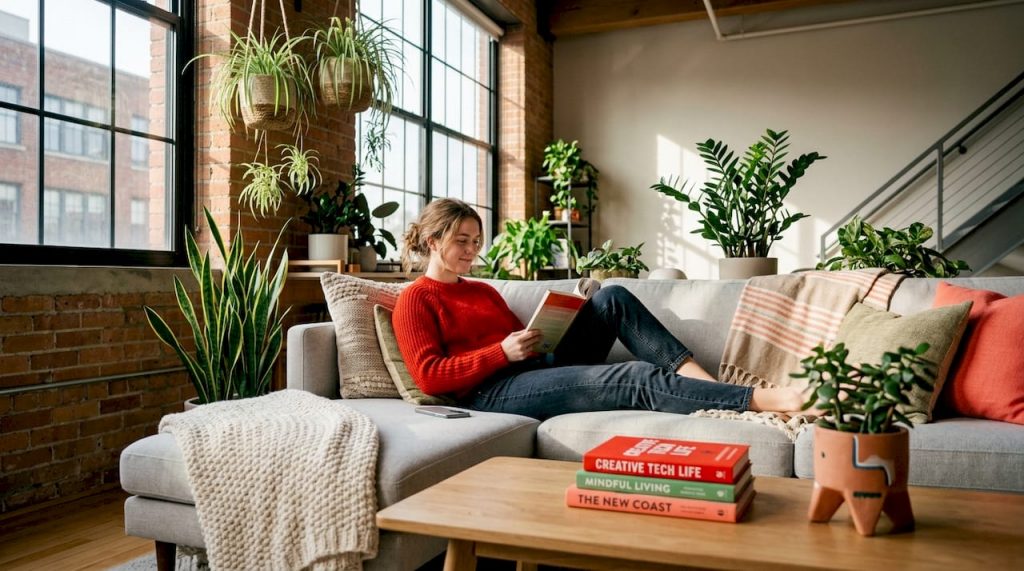
Discover why indoor plants can elevate your home and life. Uncover the real benefits beyond air purification and transform your space today!
Most people bring home a new pothos or snake plant with the confident belief that they’re upgrading their air quality. That belief is everywhere online, repeated on gardening blogs and wellness accounts as if it were scientific fact. But the truth is a lot more interesting. Plants’ air purification benefits are often overhyped; the primary gains are psychological and aesthetic, not mechanical. The real story of indoor plants is actually richer and more exciting than filtering formaldehyde. This article unpacks what the science genuinely supports, how plants shape your mood and your rooms, and how to choose the right greenery for your real-life goals.
Table of Contents
- The real benefits of indoor plants: Beyond air purification
- How indoor plants transform home decor and atmosphere
- What science really says about air purification and indoor plants
- Choosing indoor plants for maximum personal impact
- A fresh perspective: Why the simplest plants often work wonders
- Next steps: Elevate your space through thoughtful upgrades
- Frequently asked questions
Key Takeaways
| Point | Details |
|---|---|
| Mental health boost | Indoor plants can reduce stress, support focus, and improve your mood more effectively than most people realize. |
| Home decor upgrade | Plants bring texture, color, and vibrance that enhance any room’s appeal instantly and affordably. |
| Air cleaning limits | Despite the hype, plants alone can’t meaningfully clean indoor air in the average home. |
| Choose for effect | Healthy, lush plants with dense canopies offer the greatest benefits to wellbeing and ambiance. |
| Simple wins | Focusing on easy-to-maintain plants—and actually caring for them—matters more than exotic varieties. |
The real benefits of indoor plants: Beyond air purification
Having highlighted the real value of indoor plants, let’s see how these benefits outpace common misconceptions. When you place a leafy monstera in a sun-drenched corner or tuck a spider plant onto a bookshelf, something genuinely positive happens in your brain. Plants trigger what researchers call “attention restoration,” a process where natural visual stimuli reduce mental fatigue and help you refocus. That’s not a minor perk. That’s a meaningful shift in how you experience your home and your workday.
Research from the Royal Horticultural Society confirms that indoor plants improve mood, reduce stress, boost productivity, and sharpen attention span. These aren’t soft, anecdotal observations. They’re backed by controlled studies involving real people in real environments. Participants in plant-rich settings report feeling calmer, more creative, and more energized than those in bare rooms. Imagine walking into your home office and immediately feeling a quiet sense of focus settle over you. That’s the plant effect at work.
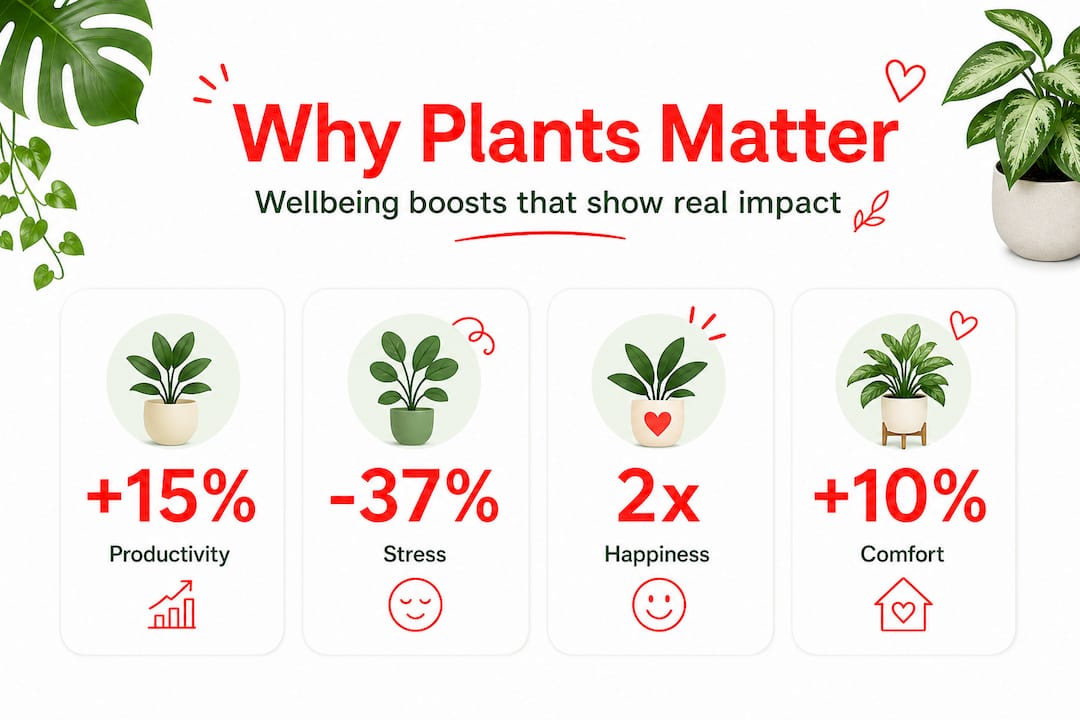
The productivity angle is particularly compelling. A study highlighted in biophilic design researchclean%20version%20FINAL%20with%20tables%20and%20figures%20included.pdf) from the University of Reading found that introducing office plants reduced sickness absence and improved perceived productivity by around 15%. For a home-based worker, that kind of gain is enormous. And the mechanism is not mysterious. Green, living things help regulate your nervous system, draw your gaze away from screens, and create micro-recovery moments throughout the day.
Physical comfort also improves. People in plant-filled spaces report fewer symptoms like dry eyes, headaches, and fatigue. If you’re already exploring ergonomic comfort strategies for your home office or living space, plants are a perfectly complementary step. They don’t replace good posture or the right chair, but they do create an environment that feels less harsh and more restorative.
Here’s a quick look at the proven health effects of indoor plants:
| Benefit | Type of evidence | Typical impact |
|---|---|---|
| Stress reduction | Multiple controlled studies | Significant, measurable cortisol reduction |
| Improved mood | Self-report and behavioral studies | Positive and consistent |
| Better concentration | Attention restoration theory | Short-term, repeatable |
| Reduced physical discomfort | Workplace environment studies | Moderate improvement |
| Productivity increase | Office environment research | Around 15% perceived improvement |
| Enhanced creativity | Environmental psychology studies | Moderate, especially in natural-light settings |
Key psychological and wellbeing wins from indoor plants include:
- Lower cortisol levels after just a few minutes near plants
- Elevated feelings of calm and control in home environments
- Faster recovery from mental fatigue during work breaks
- Stronger sense of connection to nature, even in urban apartments
- Improved ability to sustain attention on demanding tasks
Pro Tip: When choosing plants for mood and focus, go for lush, dense green varieties over sparse or sculptural ones. Thick, leafy canopies trigger a stronger restorative response than minimalist succulents.
How indoor plants transform home decor and atmosphere
Now that you understand the mental boost plants bring, discover their power as flexible design elements for any space. Interior designers have known for decades what plant lovers are just discovering: greenery is one of the most versatile, affordable, and impactful decor tools available to you. A single well-placed fern can change how a whole room feels, softening hard edges, adding warmth, and anchoring a space in a way that artwork and furniture simply can’t replicate.
As experts note, indoor plants improve aesthetics by softening lines, filling empty corners, adding color, and introducing natural variety into controlled indoor environments. That word “variety” is key. Rooms without plants can feel rigid or flat, even if they’re beautifully furnished. The organic shapes and textures of living plants introduce a visual unpredictability that makes spaces feel alive. And when you bring in different shades of green, from the pale lime of a pothos to the deep forest tones of a fiddle leaf fig, you’re adding a subtle complexity that most decor elements can’t achieve.
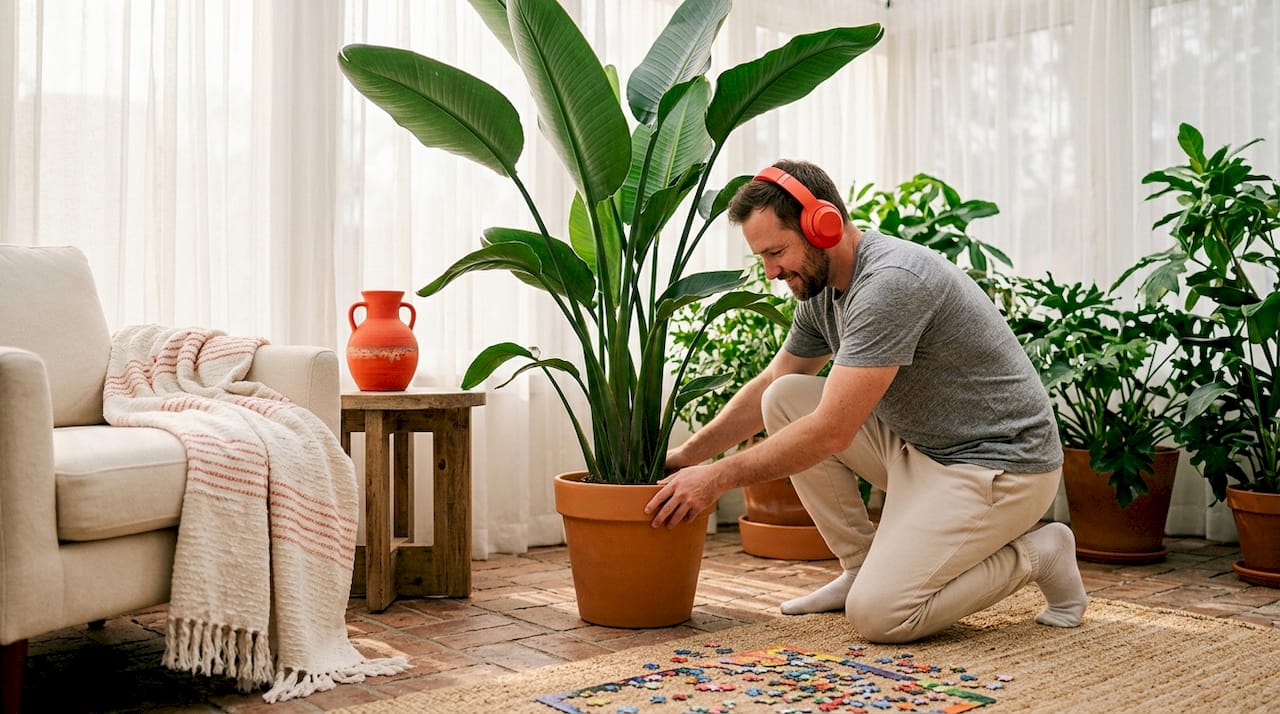
Foliage choices genuinely set the emotional tone of a room. Big, bold leaves like those on a bird of paradise create a dramatic, tropical mood that says “this space is adventurous and confident.” Meanwhile, trailing vines and soft ferns suggest calm and introspection, perfect for bedrooms or reading nooks. A collection of matching white-potted succulents leans minimalist and modern. The plant you choose speaks as clearly as your furniture selection.
Compare common plant arrangement styles and their decor impact:
| Style | Best plants | Room feel | Ideal for |
|---|---|---|---|
| Minimalist | Succulents, single snake plant | Clean, modern, restrained | Studios, home offices |
| Lush and tropical | Monstera, bird of paradise | Bold, energetic, warm | Living rooms, entryways |
| Trailing accent | Pothos, string of pearls | Casual, creative, relaxed | Shelves, bookcases |
| Grouped cluster | Mix of ferns, philodendrons | Rich, layered, curated | Dining areas, corners |
| Single statement | Fiddle leaf fig, olive tree | Sophisticated, anchored | Open-plan living spaces |
Easy decor wins you can try right now with indoor plants:
- Place a tall, upright plant like a rubber tree in an empty corner to fill vertical space without clutter
- Use trailing plants on high shelves to draw the eye upward and make ceilings feel taller
- Group odd numbers of plants together, three or five, for a naturally balanced cluster
- Use complementary pots to tie your plant display into your existing color palette
- Mix different heights to create visual rhythm across a windowsill or sideboard
Those upgrades that boost comfort in your home don’t always need to involve renovation. Sometimes, a few well-chosen plants arranged with intention can transform a room just as dramatically as a fresh coat of paint.
Pro Tip: Grouping plants together creates a sense of abundance and balances visual weight across a room. Odd-numbered clusters of three or five feel more natural and less contrived than symmetrical pairs.
What science really says about air purification and indoor plants
With decor and wellbeing covered, it’s time to clear up the most persistent myth about houseplants: their actual influence on indoor air. The origin story of the plant-as-air-purifier myth is fascinating and a little humbling. In the late 1980s, NASA researchers placed individual plants inside sealed, airtight chambers and measured how effectively those plants removed volatile organic compounds (VOCs). VOCs include substances like benzene, formaldehyde, and trichloroethylene, chemicals that off-gas from furniture, carpets, and cleaning products. The results were genuinely promising in that controlled setting. Certain plants removed VOCs like benzene and formaldehyde from sealed chambers in measurable quantities.
Here’s where the myth takes hold. The media picked up those findings and translated them, with great enthusiasm, into headlines like “houseplants clean the air in your home.” What they skipped was the crucial detail that sealed lab chambers are nothing like a real living room. Your home exchanges air constantly through windows, doors, HVAC systems, and gaps in the structure. That ventilation means VOC concentrations dilute far faster than any plant can absorb them.
What exactly are VOCs and why do they matter?
- Benzene: Found in paints, tobacco smoke, and synthetic fibers
- Formaldehyde: Off-gasses from pressed wood furniture, carpets, and glues
- Trichloroethylene: Present in printing inks, lacquers, and adhesives
- Ammonia: Produced by cleaning products and some building materials
- Xylene: Released by rubber, leather, and exhaust fumes
If you actually want to improve your indoor air quality, here are the strategies that genuinely work:
- Open your windows regularly to introduce fresh outdoor air and dilute indoor pollutants
- Invest in a quality HEPA air purifier rated for your room size
- Choose low-VOC paints, adhesives, and furniture when renovating or decorating
- Keep humidity in the healthy 40 to 60 percent range with a humidifier or dehumidifier
- Change HVAC filters on schedule and ensure your system is properly maintained
- Avoid synthetic air fresheners, which are themselves a common source of VOCs
“The number of plants needed to match the ventilation effect in an average home would be between 10 and 1,000 plants per square meter. Plants offer real wellbeing and aesthetic value, but treating them as air-cleaning machines misrepresents what the science actually shows.” — Derived from expert consensus covered by Science Alert’s review of the original NASA findings
That reality check doesn’t diminish the joy of owning plants. It just redirects it toward the benefits that are genuinely on your side: mood, beauty, and a calmer home atmosphere. Understanding the real picture actually makes you a smarter, more intentional plant owner.
Choosing indoor plants for maximum personal impact
Understanding what’s fact and fiction empowers you to make the most out of your indoor greenery. Here’s how to do it right. The first decision is figuring out which benefit matters most to you. Are you chasing a mood lift? Do you want to elevate your living room’s visual appeal? Are you looking for a beginner-friendly green companion that won’t demand much of your time? Each goal leads you to a different plant, a different placement strategy, and a different level of care commitment.
Research shows that healthy, lush green plants with dense canopies deliver the strongest perceived wellbeing benefits. Sparse, struggling, or visually minimal plants don’t trigger the same positive psychological response. So the health and vitality of your plant matters as much as its species. A thriving, full-leafed pothos beats a wilting fiddle leaf fig every single time.
The indoor plant market reflects how seriously people are taking this. Foliage plants are leading market growth in the indoor plant industry, driven by wellness and decor trends, with the global market projected to grow from $20.68 billion to $30.25 billion. That growth is being driven by exactly the values we’ve discussed here: people want living beauty, mood support, and connection to nature in their homes. Low-maintenance varieties are especially popular because they deliver those benefits without punishing busy owners.
Here’s a curated guide to choosing plants by your primary goal:
For mood and mental wellbeing:
- Peace lily: Glossy, dramatic leaves and calming white flowers
- Pothos: Trailing vines that fill shelves and bookcases with lush green energy
- Chinese evergreen: Robust, low-light tolerant, and deeply satisfying to care for
- Boston fern: Full and feathery, perfect for creating that restorative green canopy
For home decor impact:
- Fiddle leaf fig: A tall, architectural statement plant for living rooms
- Monstera deliciosa: Bold, graphic leaves that look intentional and curated
- Snake plant: Upright and sculptural, ideal for modern and minimalist spaces
- Trailing string of pearls: Visually striking on high shelves or hanging planters
For ease of care and beginner confidence:
- Snake plant: Thrives on neglect and survives low light
- ZZ plant: Nearly indestructible and glossy under most lighting conditions
- Spider plant: Fast-growing and forgiving of irregular watering
- Aloe vera: Requires minimal water and doubles as a practical household tool
Placement matters enormously. A plant placed where you’ll actually see it, like at eye level near your desk or beside your favorite reading chair, delivers far more mood benefit than one tucked in a dim hallway. Think about your most-used rooms first, then match light availability with the plant’s needs. A north-facing room suits low-light champions like snake plants, while sunny south and west windows open the door to dramatic statement plants.
Staying connected to current home improvement trends helps you see where plant styling intersects with broader design movements. Pairing plants with thoughtful creative lighting ideas can take a plant display from attractive to genuinely captivating, especially in the evening when warm light filtering through leaves creates a magical, layered atmosphere.
A fresh perspective: Why the simplest plants often work wonders
Now, after exploring the practical side, here’s a grounded take on what really matters when it comes to indoor plants. There’s a tempting trap in the indoor plant world, and it’s lined with beautiful Instagram photos of rare aroids, meticulously styled shelfies, and plants with four-digit price tags. The trap is believing that the right plant is always the most impressive one. That more dramatic means more rewarding. That rarity translates to results.
It doesn’t. The most effective plant in your home is the one you actually look after.
What most people miss is that maintenance, not species, determines whether a plant delivers any benefit at all. A neglected fiddle leaf fig dropping leaves in a corner triggers zero restorative response. It might even create mild stress as you feel guilty about its decline. Contrast that with a healthy, robust pothos spilling cheerfully down a bookcase shelf, watered every week, pruned occasionally, growing visibly. That pothos does more for your mood, your focus, and your room than any trendy rare plant you’re afraid to touch.
We encourage you to push back a little on the Instagram-driven obsession with novelty. The plant world celebrates new variegations and impossible-to-find cultivars constantly, and while those are genuinely beautiful objects, they often demand care that busy real-world people can’t consistently provide. A stressed rare plant is worse than a thriving common one, in every measurable way.
The psychology of plant ownership matters here. When you succeed with a plant, when you see it grow, when you root a cutting and watch it establish, you experience genuine positive reinforcement. That builds confidence, connection to your space, and a nurturing habit that benefits you far beyond the plant itself. Start with simple DIY decor wins that build momentum, and let your collection grow organically from there.
The most enchanting indoor gardens we’ve ever seen aren’t the ones overflowing with rare specimens. They’re the ones where every plant is visibly thriving, healthy, and perfectly suited to its spot. Consistency and care create that lush, inviting atmosphere. Novelty chasing, without the discipline to back it up, usually creates a sad trail of failed experiments. Be the person with three incredible, thriving plants. That person is always happier than the one with twenty struggling ones.
Next steps: Elevate your space through thoughtful upgrades
If you’re inspired to take your home aesthetic or comfort to the next level, there’s a whole world of accessible, practical guidance waiting for you at Lizard’s Lunch. Plants are a beautiful starting point, but they’re even more powerful when paired with smart, intentional home upgrades. Explore guides that help you maximize your space’s ROI by making improvements that add both daily comfort and long-term value. Or dive into easy decor tutorials that show you how to style your space with confidence, using plants, lighting, furniture, and color to create a home that truly feels like yours. Your next beautiful room is closer than you think.
Frequently asked questions
Do indoor plants really purify the air in my home?
While plants removed VOCs in lab chambers, real homes have constant air exchange, making the effect negligible without hundreds of plants per room. Open windows and a quality air purifier will do far more for your air quality.
What are the main health benefits of having indoor plants?
Plants genuinely reduce stress, boost mood, improve productivity, and lower physical discomforts like dry eyes and fatigue in people who live and work near them. These psychological and sensory benefits are consistent and well-supported by research.
Which houseplants are best for beginners?
Low-maintenance foliage plants like pothos, snake plants, and ZZ plants are ideal because they tolerate irregular watering, low light, and minor neglect while still looking full and vibrant.
Does having indoor plants make a room look better?
Yes, and the effect is often immediate. Plants soften room lines, fill empty corners, add color, and introduce organic texture that makes any space feel more alive and inviting.
How many plants do I need to get these benefits?
One or two well-placed, healthy plants can meaningfully boost your mood and improve your room’s appearance. For air quality impact, however, studies suggest you’d need 10 to 1,000 plants per square meter to rival even basic ventilation, which makes it entirely impractical as an air-cleaning strategy.


















Leave a Comment
Your email address will not be published. Required fields are marked with *