
Keep your property in top shape with this comprehensive home maintenance checklist. Stay organized, prevent costly repairs, and enjoy peace of mind!
A home maintenance checklist is a structured schedule of inspections, cleaning tasks, and repairs organized by monthly, seasonal, and annual cycles to keep your property safe and in good condition. Better Homes & Gardens recommends building your checklist around six core systems: exterior, appliances, HVAC, plumbing, safety, and electrical. Staying ahead of these systems prevents small issues from becoming expensive emergencies. Whether you own your home or rent it, a reliable property maintenance guide gives you control over your living space and peace of mind year-round. This guide breaks down every task you need, organized by timing and priority, so you always know what to do next.
1. Monthly home maintenance checklist tasks every household needs
Monthly tasks are the foundation of any solid home upkeep guide. They take less than an hour combined, yet they protect your family and your property every single day.
Safety equipment checks
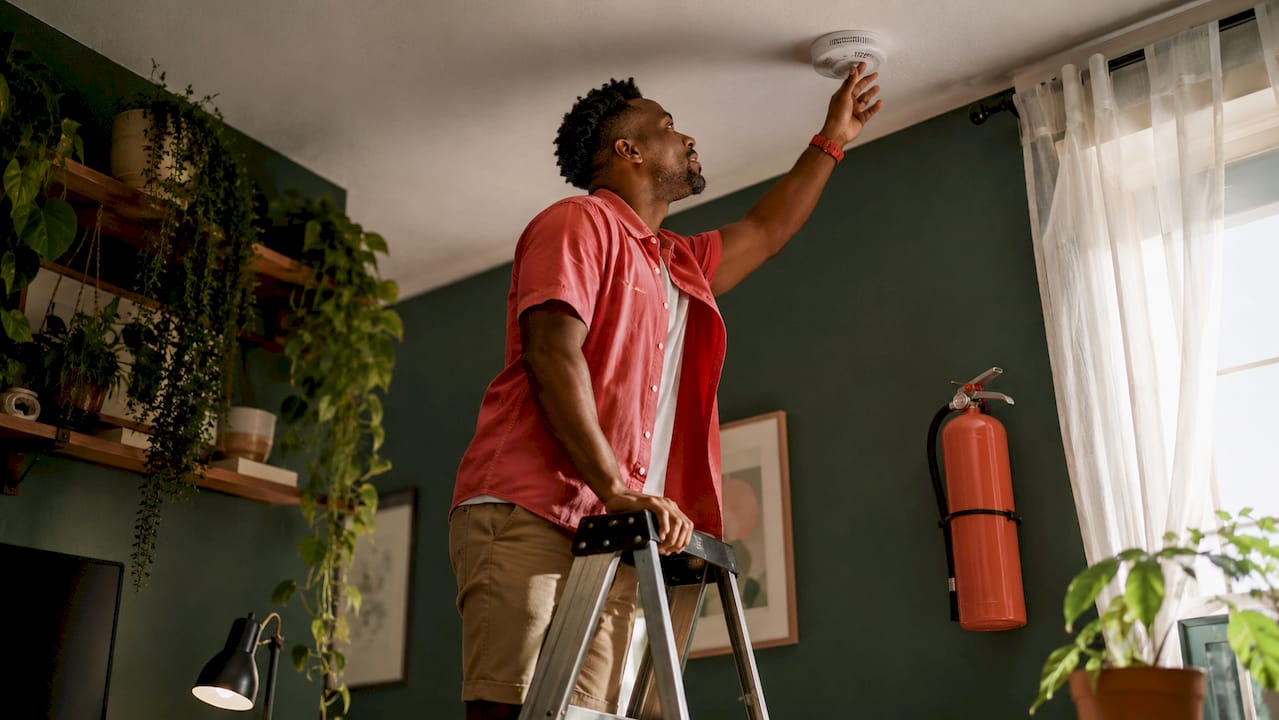
The NFPA recommends testing smoke alarms and carbon monoxide detectors at least once a month using the built-in test button. Simply having detectors installed is not enough. Detectors that are never tested may fail silently, leaving your household unprotected. Check every unit on every floor, including units near bedrooms and outside any attached garage.
Fire extinguishers also need a monthly visual check. According to NFPA 10, your monthly inspection should confirm four things: the pressure gauge needle sits in the green zone, the extinguisher is physically accessible, the tamper seal is intact, and the inspection tag is current. This check takes about 30 seconds and can save your home.
HVAC filter maintenance
Replacing your HVAC filter on schedule is one of the highest-return monthly home tasks you can do. Fiberglass filters last roughly 30 days, pleated filters last 60–90 days, and HEPA filters can last up to 12 months. Households with pets or allergy sufferers should replace filters at the shorter end of each range. A clogged filter forces your system to work harder, and regular filter changes can reduce energy consumption by up to 15%. That adds up to real savings on your utility bill over a full year.
Plumbing and ventilation
- Check under sinks and around toilets for slow leaks or moisture stains
- Run water in guest bathrooms and rarely used fixtures to prevent drain clogs and dry P-traps
- Vacuum air vents and heat registers to remove dust buildup that restricts airflow
- Inspect washing machine hoses for bulging or cracking
Pro Tip: Set a recurring phone reminder on the first of each month labeled “Home Check.” Attach a short note listing your filter brand and size so you never buy the wrong replacement.
2. Seasonal home maintenance checklist: spring, summer, fall, and winter
Season-based checklists work because home systems react differently to weather stress throughout the year. Planning your tasks around the seasons prevents breakdowns before they happen.
Spring tasks
Spring is the time to assess winter damage and prepare your home for warmer months.
- Clean gutters and downspouts. Debris from winter storms blocks drainage and causes water to back up against your roofline and foundation. Clear gutters completely and flush downspouts with a garden hose.
- Inspect the roof. Look for missing or curled shingles, cracked flashing around chimneys, and soft spots near valleys. Catching damage early prevents interior water intrusion.
- Check the foundation. Walk the perimeter and look for new cracks or gaps where pests could enter. Seal any openings with exterior-grade caulk or foam.
- Schedule your pre-summer HVAC tune-up. A professional inspection before the cooling season confirms refrigerant levels, cleans coils, and checks electrical connections.
Summer tasks
Summer seasonal maintenance tasks focus on the exterior and outdoor systems.
- Maintain landscaping. Trim trees and shrubs so branches stay at least three feet from your home’s exterior. Overgrown vegetation traps moisture against siding and creates pest pathways.
- Check irrigation systems. Inspect sprinkler heads for clogs or misalignment. A broken head can waste hundreds of gallons per week and damage your foundation.
- Storm-proof outbuildings. Inspect shed roofs, doors, and anchoring. For detailed guidance on protecting outdoor structures, Lizardslunch covers shed storm protection in depth.
Fall tasks
Fall is your last chance to prepare before cold weather arrives.
- Clean gutters again. Fallen leaves are the leading cause of gutter clogs. Clear them before the first freeze to prevent ice dams.
- Replace smoke and CO detector batteries. Donofrio & Associates specifically recommends pre-winter battery replacement to keep detectors functional during power outages.
- Seal drafts. Check weatherstripping on doors and windows. Replace any sections that are cracked, compressed, or missing.
- Schedule your pre-winter HVAC tune-up. Have a technician inspect your furnace or heat pump before you need it for the first time.
Winter tasks
Winter maintenance is mostly about monitoring and protecting systems under cold stress.
- Insulate exposed pipes in unheated spaces like garages and crawl spaces to prevent freezing.
- Check attic insulation for gaps that allow heat to escape and cause ice dams on the roof.
- Test your generator if you own one, and confirm you have emergency supplies on hand.
For a deeper look at cold weather preparation, Lizardslunch has a dedicated guide covering five must-know winterizing steps.
Pro Tip: Prioritize exterior tasks based on your climate. Homeowners in the Pacific Northwest need to focus on moisture and moss control, while those in the Midwest should prioritize freeze protection and furnace readiness.
Seasonal task summary
| Season | Priority task | Frequency |
|---|---|---|
| Spring | Gutter cleaning, roof inspection | Once per season |
| Summer | Landscaping, irrigation check | Monthly during season |
| Fall | Gutter cleaning, battery replacement | Once per season |
| Winter | Pipe insulation, furnace monitoring | Ongoing |
3. Annual home maintenance priorities for safety and value
Annual tasks go deeper than monthly checks. Many require professional involvement and protect the long-term structural integrity and market value of your home.
HVAC deep service
Schedule a full professional HVAC maintenance visit once a year, separate from your pre-season tune-ups. A deep service includes cleaning the heat exchanger, inspecting the blower motor, testing safety controls, and checking refrigerant charge. Skipping this service shortens equipment life and voids many manufacturer warranties.
Safety equipment replacement
Monthly testing tells you if a detector works today. Annual inspection tells you if it will still work in three years. Smoke detectors lose effectiveness after 10 years, and carbon monoxide detectors require replacement after 5–7 years. Check the manufacture date on the back of each unit. Replace any unit that has exceeded its lifespan, regardless of whether it passed the monthly test.
Fire extinguisher professional inspection
NFPA 10 requires annual inspections by a licensed fire equipment technician. The technician checks internal pressure, inspects the cylinder for corrosion, verifies the discharge mechanism, and updates the inspection tag. Monthly visual checks are your responsibility. Annual professional service is non-negotiable for compliance and safety.
Exterior and structural upkeep
- Power wash siding, decks, and driveways to remove mold, mildew, and grime
- Touch up exterior paint or stain to protect wood surfaces from moisture
- Inspect the electrical panel for signs of corrosion, burning smells, or tripped breakers that reset frequently
- Clean or replace area rugs and check flooring for soft spots that could indicate subfloor moisture damage
Coordinate your annual inspections with your homeowner’s insurance renewal date. Many insurers offer discounts for documented maintenance records, and some home warranty providers require proof of annual HVAC service to honor claims.
Pro Tip: Create a simple home maintenance log in a Google Sheets document or a free app like HomeZada. Record the date, task, and technician name for every professional service. This log becomes a selling point when you list the home.
4. How to customize your checklist for renters vs. homeowners
Renters and homeowners share some maintenance responsibilities but have very different scopes of authority. Knowing the difference saves you time, money, and conflict with your landlord.
What renters can and should do
Renters are responsible for day-to-day safety and cleanliness tasks. These include:
- Testing smoke alarms and CO detectors monthly and reporting non-functional units to the landlord in writing
- Keeping fire extinguisher access clear and reporting pressure issues immediately
- Checking for visible plumbing leaks under sinks and reporting them before they cause water damage
- Replacing HVAC filters if the lease assigns that responsibility, which many do
- Keeping drains clear of hair and debris to prevent clogs
What landlords handle
Major structural and mechanical systems are the landlord’s domain. HVAC servicing, roof repairs, foundation issues, and electrical panel work all require landlord coordination. If you request a repair and receive no response, document your request in writing with a date and follow up through your local tenant rights office if necessary.
Keeping records as a renter
Clear documentation of who handles what improves maintenance efficiency and protects you legally. Keep a simple log of every maintenance request you submit, including the date, the issue, and the landlord’s response. Photograph any damage before and after repairs. This record protects your security deposit and supports any dispute resolution.
Pro Tip: Before signing a lease, ask the landlord for the age and last service date of the HVAC system, water heater, and smoke detectors. This tells you what you are inheriting and what may need attention soon.
Key takeaways
A reliable home maintenance checklist organized by monthly, seasonal, and annual tasks is the most effective way to protect your property, reduce repair costs, and keep your household safe.
| Point | Details |
|---|---|
| Monthly safety checks | Test smoke alarms, CO detectors, and fire extinguishers every month without exception. |
| HVAC filter timing | Replace filters every 30–90 days based on filter type, pets, and allergy conditions. |
| Seasonal task timing | Clean gutters and schedule HVAC tune-ups twice per year, in spring and fall. |
| Annual replacements | Replace smoke detectors after 10 years and CO detectors after 5–7 years. |
| Renter vs. owner split | Renters handle safety checks and minor upkeep; landlords manage structural and HVAC systems. |
Why I think most people approach home maintenance backwards
Most homeowners wait until something breaks before they act. I understand the impulse. Life is busy, and a working furnace feels invisible until it stops working at 11 p.m. in January. But after years of writing about home improvement and talking to inspectors, contractors, and real estate professionals, I am convinced that reactive maintenance costs three to five times more than proactive maintenance over a 10-year period.
The tasks that get skipped most often are not the dramatic ones. Nobody forgets a roof leak. The overlooked tasks are the quiet ones: the HVAC filter that goes six months without a change, the fire extinguisher that has been sitting in the same corner since 2019, the gutter that gets cleaned once every two years instead of twice. These are the tasks that quietly compound into expensive problems.
I also think people underestimate how much home automation can help with maintenance awareness. Smart thermostats like Ecobee and Nest track filter life and send replacement reminders. Leak detectors from brands like Moen and Flo alert you to drips before they become floods. These tools do not replace a checklist. They make the checklist easier to follow.
My honest advice: start with the monthly safety checks. They take five minutes and they are the most important tasks on the entire list. Once those become habit, add the seasonal tasks. Build the annual inspections into your calendar the same way you schedule a dentist appointment. The goal is not perfection. The goal is consistency.
— Alexander
Keep your home organized and thriving with Lizardslunch
Staying on top of your property care checklist is much easier when you have the right resources in your corner. Lizardslunch covers a wide range of home improvement topics to help you go beyond basic upkeep and actually add value to your space. Whether you are looking to tackle a DIY project, plan a seasonal refresh, or understand which upgrades deliver the best return, you will find practical guidance waiting for you. Check out the home improvement tips that maximize ROI to discover which projects pair perfectly with your regular maintenance routine and make your home work harder for you.
FAQ
What should be on a basic home maintenance checklist?
A basic home maintenance checklist covers monthly safety checks (smoke alarms, CO detectors, fire extinguishers), HVAC filter replacement, plumbing leak inspections, and seasonal tasks like gutter cleaning and HVAC tune-ups. Better Homes & Gardens recommends organizing tasks around exterior, appliances, HVAC, plumbing, safety, and electrical systems.
How often should you change your HVAC filter?
Fiberglass filters need replacement every 30 days, pleated filters every 60–90 days, and HEPA filters up to every 12 months. Households with pets or allergy sufferers should replace filters more frequently to maintain air quality and system efficiency.
What home maintenance tasks can renters do themselves?
Renters can test smoke and CO detectors monthly, check for visible plumbing leaks, keep drains clear, replace HVAC filters if the lease requires it, and maintain clear access to fire extinguishers. Major repairs involving HVAC systems, roofing, or structural elements are the landlord’s responsibility.
When should smoke detectors be replaced?
Smoke detectors require replacement after 10 years from the manufacture date, and carbon monoxide detectors after 5–7 years, regardless of whether they pass monthly tests. Check the manufacture date printed on the back of each unit to confirm its age.
How do you create a seasonal home maintenance schedule?
Organize tasks into four seasonal blocks: spring (roof inspection, gutter cleaning, pre-summer HVAC tune-up), summer (landscaping, irrigation checks), fall (gutter cleaning, battery replacement, pre-winter HVAC tune-up), and winter (pipe insulation, furnace monitoring). Adjust priorities based on your local climate and home type.


















Leave a Comment
Your email address will not be published. Required fields are marked with *