
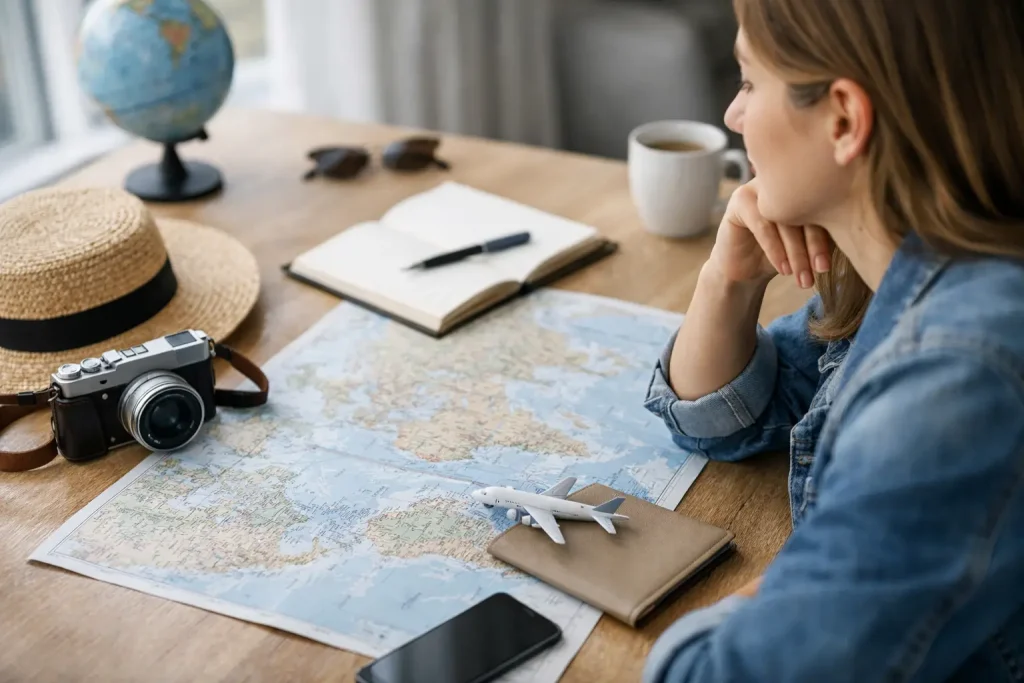
Learn how to plan solo travel with a realistic budget, smart booking choices, safety habits, and a flexible itinerary that still leaves room for surprises.
A solo trip can start with a very small decision: booking the concert ticket in another city, taking the vacation days you keep saving, or admitting that waiting for everyone else’s schedule is getting old. Learning how to plan solo travel turns that decision into a trip that feels exciting rather than stressful. The goal is not to control every hour. It is to make enough smart choices before you leave that you can enjoy your own company once you arrive.
Start With the Trip You Actually Want
The best first question is not, “Where should I go?” Ask what you want your days to feel like. A first solo trip may be about food, museums, a beach, hiking, nightlife, or simply proving to yourself that you can navigate a new place alone. Your answer narrows the options quickly.
For a first-time solo traveler, a destination with reliable public transportation, walkable neighborhoods, plenty of daytime activity, and a range of accommodations is often easier than an isolated resort town or a road trip through unfamiliar terrain. That does not mean you need the most popular destination. It means you should choose a place that matches your comfort level and travel style.
Think about the practical trade-offs, too. Major cities offer more flights, tours, restaurants, and people around at night, but they can stretch your budget. Smaller cities may feel calmer and cost less, though getting around can require more planning. International travel adds the reward of a new culture, but a domestic trip can be an excellent low-pressure starting point.
Build a Budget With a Safety Cushion
Solo travel costs more in a few categories because there is no one to split a hotel room, rental car, or rideshare with. That is not a reason to skip the trip. It simply means the budget needs to be honest from the beginning.
Start with the nonnegotiables: transportation, lodging, travel insurance if it makes sense for the trip, and any entry requirements or major activities. Then estimate daily spending for meals, local transit, attractions, and small purchases. Finally, add an emergency cushion for a missed connection, a last-minute hotel change, a medical need, or a ride home when walking no longer feels wise.
A useful approach is to set a daily spending target while leaving one or two “splurge” moments in the plan. Maybe you save on breakfast and choose a great dinner, or pick a simple hotel but book the guided tour you really want. Trying to do every activity cheaply can make a vacation feel like work. Spending without limits can create regret halfway through the trip.
Book the First Pieces in the Right Order
Once you choose a destination and travel window, secure the pieces that create the most certainty. Usually, that means your transportation and the first few nights of lodging. Prices and cancellation policies matter, but location deserves equal attention.
Choose Lodging for More Than the Room
For solo travelers, the cheapest room is not always the best value. Look at how easily you can reach it after arrival, whether the surrounding area is active and well lit, and how far it is from the things you want to do. A modestly priced hotel near transit can be a better choice than a bargain property that requires expensive rides every night.
Read recent guest reviews with a practical eye. Comments about cleanliness, noise, staff responsiveness, broken locks, or misleading location details are more useful than complaints about a small breakfast selection. If you choose a hostel, consider a private room or a smaller dorm if sleeping well affects your mood and confidence.
Keep Arrival Day Simple
The first few hours of a solo trip can be the most tiring. You may be jet-lagged, carrying luggage, figuring out transit, and adjusting to an unfamiliar setting all at once. Avoid packing arrival day with nonrefundable plans.
Have a clear route from the airport, train station, or parking area to your accommodation. Save the address offline, know the expected transit fare, and keep a backup option such as a licensed taxi or rideshare service. Once checked in, take a short walk nearby, buy water or snacks, and get oriented. That small reset makes the rest of the trip easier.
Create a Flexible Itinerary, Not a Minute-by-Minute Script
A good solo itinerary gives each day a shape without turning your vacation into an appointment calendar. Pick one anchor activity per day: a museum reservation, a neighborhood food tour, a hike, a show, or a day trip. Add one or two nearby ideas, then leave room for detours.
Grouping plans by neighborhood saves time and decision fatigue. If you are visiting a museum downtown, find a coffee shop, park, market, or dinner option in the same area. You will spend less time crossing the city and more time enjoying it.
It also helps to plan around your natural energy. Some people love early walking tours and quiet dinners. Others prefer slow mornings, an afternoon attraction, and a lively evening. Traveling alone means you do not have to compromise on the rhythm of the day. Use that freedom.
Put Safety Into Your Routine
Safety planning should support your trip, not make you afraid to take one. Most solo travel safety comes down to awareness, preparation, and trusting your instincts when something feels off.
Before leaving, share your itinerary, flight details, and lodging information with a trusted person. Set a check-in schedule that feels reasonable, especially if you are changing cities or heading into remote areas. Keep digital copies of important documents in a secure location, and carry a separate backup payment card if possible.
When you are out, know how you will get back before you start drinking, staying late, or venturing far from your accommodation. Keep your phone charged, avoid displaying large amounts of cash, and do not feel obligated to tell strangers exactly where you are staying or what your full plans are. Friendly conversation is part of travel. Oversharing is not required to be polite.
If a situation feels uncomfortable, leave. You do not need a perfect explanation. Step into a store, hotel lobby, busy restaurant, or transit station, call for a ride, and reset. Your comfort is a valid reason to change plans.
Make Solo Time Feel Less Lonely
There is a difference between being alone and feeling lonely. You may feel both at some point, particularly at dinner or after a busy day. Planning for that possibility keeps it from catching you by surprise.
Build in easy ways to be around people without forcing constant socializing. Join a small-group food tour, take a class, book a guided hike, sit at a restaurant bar, or choose a coffee shop with communal seating. These settings create natural conversation while still letting you leave when you want quiet.
Bring a few comfort items for downtime: a book, headphones, a journal, downloaded shows, or a playlist that makes a strange hotel room feel more familiar. Solo travel is not a test of whether you can entertain yourself every second. Rest days, room-service nights, and slow mornings count as part of the experience.
Pack for Mobility, Not Every Possibility
Overpacking is especially annoying when you are the only person carrying everything up stairs, through stations, and into small rooms. Choose layers, comfortable shoes, and a bag you can manage without help. Test it before you leave. If lifting it into an overhead compartment feels like a workout at home, it will be worse after a delayed flight.
Keep essentials in your personal item: medications, identification, chargers, a change of clothes, basic toiletries, and anything you would not want lost for a day or two. A compact crossbody bag or secure daypack can make sightseeing easier, as long as it closes well and stays comfortable for long walks.
Give Yourself Permission to Change the Plan
The most valuable part of knowing how to plan solo travel is recognizing that planning creates choices, not obligations. A restaurant may disappoint. Bad weather may cancel a hike. You may discover that the neighborhood you thought would be perfect is not where you want to spend your afternoon.
Adjusting is not failing at the itinerary. It is one of the best skills solo travel teaches. Leave enough money, time, and energy in reserve to say yes to the better option when you find it. Your trip does not need to look impressive from the outside. It only needs to feel like time well spent when you head home.
















Leave a Comment
Your email address will not be published. Required fields are marked with *