
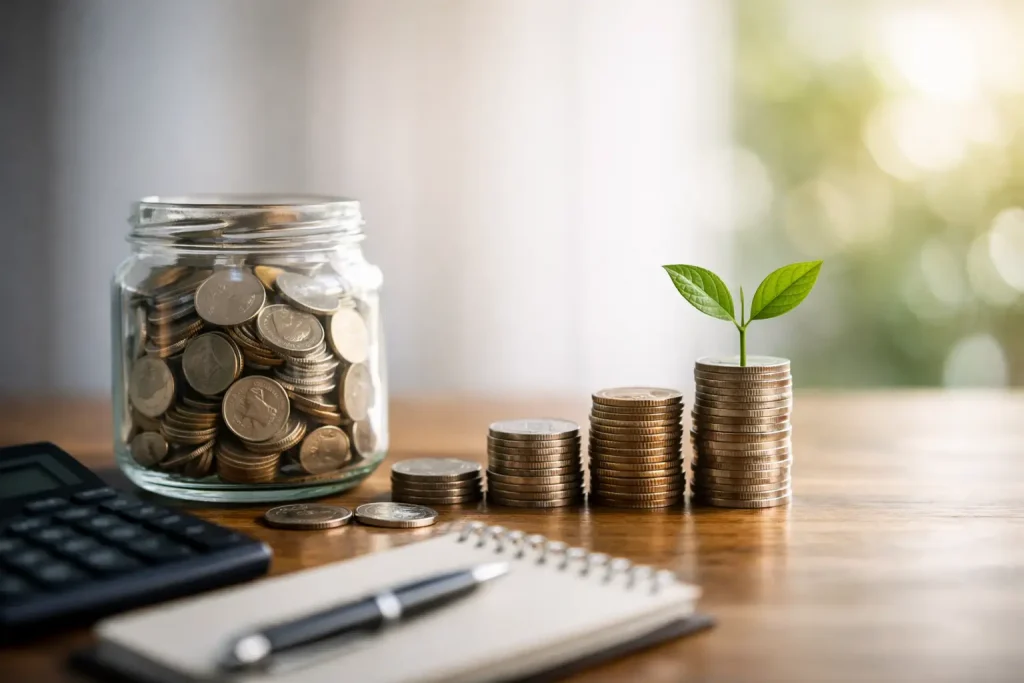
What is a high yield savings account? Learn how it works, how it compares to regular savings, and when it makes sense for your cash.
A lot of people realize their savings account is underperforming the moment they check the interest rate and see something tiny like 0.01%. If you have cash sitting in the bank for emergencies, upcoming bills, or short-term goals, asking what is a high yield savings account is a smart place to start.
A high yield savings account is a savings account that pays a much higher annual percentage yield, or APY, than a traditional savings account. It is designed to hold cash safely while helping it earn more interest over time. You are not taking on stock market risk, and you can usually access your money when you need it, although the exact transfer speed and account rules depend on the bank.
For many savers, the appeal is simple: your money does the same basic job as it would in a regular savings account, but it has a better chance of growing. That makes it a strong option for emergency funds, vacation savings, home repair reserves, or any money you do not need to invest for the long haul.
What is a high yield savings account, exactly?
At its core, a high yield savings account works like a standard savings account. You deposit money, the bank pays you interest, and your balance grows gradually without you having to do anything beyond keeping the money there.
The main difference is the rate. Traditional savings accounts at big brick-and-mortar banks often pay very little interest. High yield savings accounts, which are commonly offered by online banks and some credit unions, usually pay a more competitive APY. That higher rate can make a noticeable difference, especially if you keep a larger balance or save consistently over time.
The phrase APY matters here. APY reflects the interest you earn in a year, including the effect of compounding. In plain English, compounding means you earn interest on your original deposit and on the interest you already earned. The more often interest compounds, the more your balance can grow.
How a high yield savings account works
When you open a high yield savings account, you usually link it to an existing checking account and transfer money in electronically. Many accounts let you set up recurring deposits, which is useful if you want to build savings without thinking about it every month.
Interest is typically calculated daily and paid monthly, though terms vary by bank. Your money stays in cash, not in stocks, bonds, or mutual funds. That means your principal does not swing up and down with the market.
Most accounts are also insured when held at eligible institutions. Banks generally offer FDIC insurance, while credit unions generally offer NCUA insurance. Within coverage limits, that means your deposits are protected if the institution fails.
This safety is one reason high yield savings accounts are popular for money you cannot afford to lose. You are trading the higher potential returns of investing for stability, liquidity, and predictability.
High yield savings account vs regular savings account
The simplest comparison comes down to earnings and convenience.
A regular savings account may be easy to open at the same bank where you already have checking, and that familiarity can be useful. But the interest rate is often so low that inflation can outpace what you earn by a wide margin.
A high yield savings account usually offers a stronger APY, but it may come with a more digital-first experience. Many of the best rates are found at online banks, which often have fewer physical branches. For some people, that is no issue at all. For others, especially those who like in-person banking, it can feel less convenient.
There can also be differences in transfer timing, minimum balance requirements, fees, and customer service options. A higher APY is attractive, but it should not be the only factor you look at.
When a high yield savings account makes sense
This kind of account is best for money that needs to stay safe and reasonably accessible. An emergency fund is the classic example. If your car breaks down or an unexpected medical bill shows up, you want cash you can reach quickly without selling investments at a bad time.
It also works well for shorter-term savings goals. Maybe you are saving for a wedding, a move, holiday shopping, or a down payment you plan to use within the next year or two. In those situations, preserving the money matters more than chasing bigger returns.
Where it may not be the best fit is long-term wealth building. If you are saving for retirement that is decades away, a high yield savings account is usually too conservative on its own. It can protect cash, but it is not likely to deliver the growth that investing can over longer periods.
What to look for before opening one
Not all high yield savings accounts are equally useful. The APY is important, but the details around it matter just as much.
Start with the interest rate and whether it is competitive right now. Rates can change, especially when the broader interest rate environment shifts, so the top offer today may not stay on top forever.
Then check fees. A monthly maintenance fee can eat into your earnings fast. Also look at minimum opening deposits, minimum balance rules, and whether the account requires direct deposit or other activity to earn the advertised APY.
Transfer speed is another practical detail people overlook. If you need your money fast, waiting several business days for a transfer can be frustrating. Some banks offer quicker transfers than others.
It is also worth reviewing withdrawal limits, mobile app quality, customer support hours, and whether the bank offers features like savings buckets or automatic roundups. Those extras are not essential, but they can make saving easier.
Pros and cons to keep in mind
The biggest advantage is straightforward: better interest on money you were going to keep in cash anyway. That can help your savings grow with almost no added effort.
Another major plus is safety. Because these accounts generally keep your funds insured up to legal limits, they offer peace of mind that riskier options cannot match.
The trade-off is that returns are still limited compared with long-term investing. Even a strong APY may not keep ahead of inflation all the time. And because many top accounts are online-only, you may give up branch access or same-day cash convenience.
There is also the reality that rates move. A high yield account with a great APY today can cut that rate later. It is still a savings account, not a locked-in certificate of deposit.
Common questions about high yield savings accounts
Is your money locked up?
Usually no. You can generally withdraw or transfer your money, though the process may take a little time depending on the institution. That makes it more flexible than a CD, which often charges a penalty for early withdrawal.
Can you lose money?
You normally do not lose money from market changes because your funds are held as cash deposits, not invested assets. You could lose value to inflation over time, but not because the account balance itself dropped like a stock can.
Do you pay taxes on the interest?
Yes. Interest earned in a savings account is typically taxable income. If you earn enough, the bank may send you a tax form showing the amount.
Are online banks safe?
They can be, as long as they are insured and legitimate. The key is verifying the institution, checking insurance coverage, and understanding the account terms before you deposit money.
So, should you get one?
If you keep meaningful cash in a low-interest account, switching to a high yield savings account is often one of the easiest money moves you can make. It will not turn spare cash into a fortune, but it can help your money work harder while staying available for real-life needs.
The right choice depends on how soon you need the money, how much access matters to you, and whether you are comfortable banking online. If the goal is safety, flexibility, and a better return than a standard savings account, this type of account earns a serious look.
A good savings setup does not have to be fancy. Sometimes the smartest upgrade is simply making sure your cash is sitting in the right place.

















Leave a Comment
Your email address will not be published. Required fields are marked with *