
Discover the best home improvement tech ideas to elevate your space. Transform your home with practical upgrades that enhance comfort and efficiency!
Walking into a home improvement store or scrolling through tech review sites can feel like standing in the middle of Times Square at night. Everything flashes, beeps, and promises to change your life. The challenge is not finding options. It is figuring out which upgrades will genuinely make your daily routine more comfortable, your energy bills lighter, and your home a place you truly love. This guide cuts through the noise. We cover real criteria for smart buying decisions, showcase the most captivating tech upgrades available today, and help you build a practical roadmap from your first purchase to a fully connected, joy-filled home.
Table of Contents
- How to choose the right home improvement technology
- Smart lighting made simple: The easiest DIY tech upgrade
- AI-driven smart home solutions: The new wave of renovation tech
- Comparing top home improvement tech ideas: What works for every space?
- Why following trends isn’t enough: Our take on using tech for a better home
- Take your next step with Lizard’s Lunch
- Frequently asked questions
Key Takeaways
| Point | Details |
|---|---|
| Start with smart lighting | Wireless smart bulbs and switches offer fast, low-risk improvements for any home. |
| AI transforms energy use | Modern AI tools automate lighting, climate, and energy savings for increased comfort and efficiency. |
| Evaluate before buying | Prioritize tech based on ease of installation, everyday usefulness, and compatibility with your home. |
| Comparison helps decisions | Using a comparison table makes it easy to choose the most impactful home tech upgrades for your needs. |
How to choose the right home improvement technology
Let’s start by clarifying what matters most when narrowing down the wide field of tech options. Before you spend a single dollar, you need a clear picture of your space, your goals, and your realistic budget. Without that foundation, you end up with a drawer full of gadgets that looked impressive in unboxing videos but never get used.
Here is a simple, proven framework for evaluating any piece of home technology:
- Identify the actual problem. Ask yourself what daily frustration or inefficiency the tech would solve. Vague goals like “make the house smarter” lead to regrettable purchases. Specific goals like “stop forgetting to turn off lights before bed” lead to deeply satisfying solutions.
- Match the upgrade to your space. A studio apartment and a four-bedroom house have very different needs. Consider square footage, room layout, and how many people use the home every day.
- Set a clear budget with room to grow. Many smart home ecosystems are designed to expand over time. Budget for your starter setup, but also think about whether the system allows you to add devices later without replacing everything.
- Prioritize energy savings and convenience. The upgrades with the highest return on investment tend to be those that reduce your monthly bills or dramatically cut down on repetitive tasks. Smart thermostats, lighting controls, and energy monitors consistently rank at the top for everyday impact.
- Check compatibility before buying. This is the most overlooked step among first-time buyers. Not all smart devices speak the same language. Look for products that support open standards like Matter or work within the same ecosystem, whether that is Amazon Alexa, Google Home, or Apple HomeKit.
- Think about security and privacy. Every connected device is a potential entry point for security risks. Stick with reputable brands that provide regular firmware updates and clear privacy policies.
When it comes to exploring home improvement projects for the first time, most people overlook expandability entirely. They buy a single smart speaker and then discover six months later that the security camera they want does not connect to it. Planning your ecosystem from day one saves real money and genuine frustration.
Smart lighting is the easiest DIY entry point for home improvement tech, and it is a perfect example of why these criteria matter. Lighting upgrades score high on all six points above. They solve a clear problem, work in any size space, fit modest budgets, reduce energy use, connect to virtually every major ecosystem, and pose minimal security concerns.
Pro Tip: Before shopping, spend fifteen minutes sketching a rough floor plan of your home and marking every room where a tech upgrade would genuinely change your daily routine. You will quickly see patterns and priorities you had not noticed before.
A well-structured smart home setup guide can also walk you through the early decisions with confidence, especially if you are nervous about compatibility or installation. The goal is always a home where the technology works quietly in the background, making life feel effortless rather than complicated.
Smart lighting made simple: The easiest DIY tech upgrade
With the selection criteria in mind, let’s dig into the most recommended starting point for home tech upgrades. Smart lighting is not just popular because it looks beautiful. It is popular because it delivers immediate, visible results with minimal effort and almost no risk of a costly mistake.
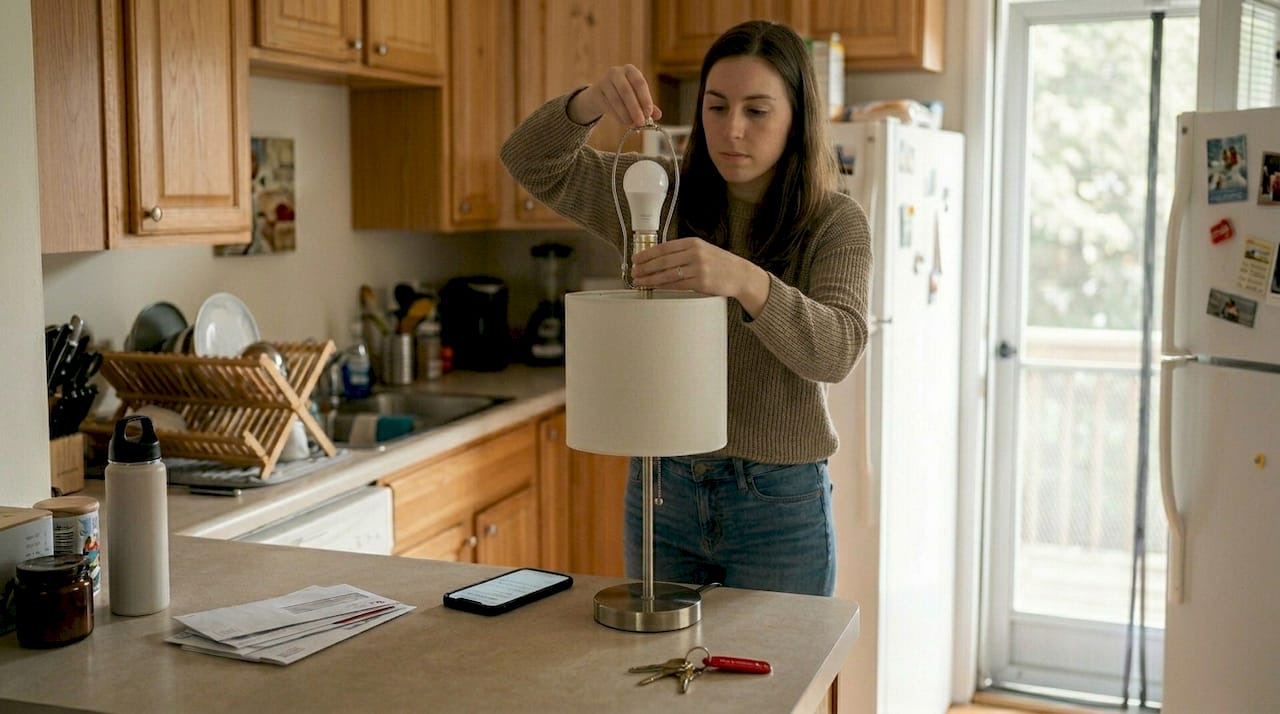
Think about the impact of walking into a room and having the lights adjust automatically to the perfect brightness for movie night. Or waking up gently to lights that slowly brighten like a sunrise rather than a jarring alarm. These are not futuristic fantasies. They are features available right now in affordable, easy-to-install systems.
Wireless switches and bulbs like Philips Hue or Lutron Caseta mean you never need to touch your home’s wiring. That is a game-changer for renters, first-time DIYers, and anyone who simply wants a faster path to results. Here is what makes smart lighting such a captivating upgrade:
- No rewiring required. Wireless bulbs screw into existing sockets. Smart switches replace standard wall switches using the wires already in place, and many newer designs use radio frequency signals that require no neutral wire, making them compatible with older homes.
- Instant ambiance control. Systems like Philips Hue offer millions of color options and adjustable color temperature, letting you shift from bright, energizing white light in the morning to warm, cozy amber in the evening with a single tap.
- Voice and app control. Connect your lights to Alexa, Google Assistant, or Siri and control every bulb in your home without getting off the couch. Schedule lights to turn on before you arrive home or dim automatically at bedtime.
- Real energy savings. LED smart bulbs use up to 80% less energy than traditional incandescent bulbs. Automation features like occupancy detection and scheduling ensure lights are never left on in empty rooms.
- Expandable ecosystem. Start with one room, then gradually add bulbs, outdoor fixtures, light strips, and accent lighting. Philips Hue alone offers over 100 compatible products that all work together seamlessly.
“Smart lighting transforms not just how a space looks, but how it feels to live in it every single day. The right light at the right moment is one of the most powerful tools for creating comfort and calm at home.”
Exploring smart lighting upgrades through trusted reviews can help you find the right fit for your budget and style, whether you want a minimalist white-light system or a full-color immersive experience. And if you are ready to explore even more DIY smart home solutions, you will find that lighting is almost always the gateway that makes people excited about everything else.
Pro Tip: Start your smart lighting journey in the room where you spend the most time. When you experience the transformation there first, it builds enthusiasm and confidence to expand throughout your home.
AI-driven smart home solutions: The new wave of renovation tech
Beyond lighting, the newest trend captivating home renovators is the use of artificial intelligence for advanced control and efficiency. AI in the home is not about robots or science fiction scenarios. It is about your devices learning your habits, predicting your preferences, and making adjustments you did not even realize you needed.
Here is a concrete example. An AI-powered thermostat like the Google Nest Learning Thermostat monitors when you wake up, when you leave, when you return, and what temperatures you prefer in each room. Within a week, it builds a schedule that matches your lifestyle perfectly, then refines it continuously. You stop fiddling with settings entirely. The system handles it for you.
The growth of AI in home renovation is remarkable and real. AI integration in renovations has reached 24% of all renovators, up from just 9% previously, according to Block Renovations’ How America Renovates 2026 Report. That is nearly a threefold increase in just a short period, signaling that AI is moving from novelty to necessity in home improvement circles.
Here are the most popular ways AI is reshaping renovations right now:
- Climate and HVAC optimization. AI thermostats analyze weather forecasts, your daily schedule, and even the thermal properties of your home’s construction to minimize energy waste while keeping every room perfectly comfortable.
- Intelligent lighting control. Advanced AI lighting systems go beyond schedules. They use sensors to detect natural light levels, occupancy, and even your mood-influenced preferences to automatically adjust brightness and color throughout the day.
- Energy management platforms. Whole-home energy monitors with AI capabilities track usage across every circuit in real time. They identify energy-hungry appliances, detect inefficiencies, and offer specific recommendations that can reduce monthly utility costs significantly.
- AI-assisted design and planning. Before renovation begins, AI tools can generate room layouts, suggest material combinations, and even create virtual walkthroughs of planned changes, helping homeowners visualize results before spending a dollar.
- Predictive maintenance. Some AI home systems monitor appliances and HVAC units for unusual patterns that might signal a problem, alerting you before a small issue becomes an expensive repair.
| AI Solution | What it does | Top brands | Entry cost |
|---|---|---|---|
| Smart thermostat | Learns schedule, optimizes climate | Google Nest, Ecobee | $150 to $250 |
| Energy monitor | Tracks and reduces energy use | Sense, Emporia Vue | $100 to $300 |
| AI lighting system | Adjusts light based on habits and sensors | Caséta, Hue Synce | $80 to $400 |
| AI security camera | Recognizes people, flags anomalies | Arlo, Ring, Google | $100 to $350 |
| AI design tool | Plans renovations virtually | Houzz, Planner 5D | Free to $30/month |
The smart strategy for getting started with AI is to pick one area of your home where inefficiency or discomfort is most noticeable. A smart thermostat in a drafty or poorly regulated home, for example, can pay for itself within a single heating season. You can read more about AI in real estate trends to understand how these tools are shaping property values and buyer expectations in 2026.
Understanding how AI-integrated home marketing is influencing the broader home services industry also gives you a sense of just how deeply this technology is woven into the future of home ownership. The best part is that many AI home products are surprisingly beginner-friendly. You do not need a tech background. You just need curiosity and a willingness to let the system learn.
Comparing top home improvement tech ideas: What works for every space?
Now that you have seen individual upgrades, here is how the top ideas compare and what to try first based on your needs. The goal of this section is to give you a clear picture so you can make a confident decision rather than feeling frozen by too many options.
Smart lighting and AI-driven solutions are the two fastest-growing categories in home renovation technology, according to the How America Renovates 2026 Report. But they are not the only ones worth considering. Here is a comprehensive comparison of the most popular and practical home tech upgrades available right now.
| Tech upgrade | DIY difficulty | Estimated cost | Impact | Best for |
|---|---|---|---|---|
| Smart bulbs | Very easy | $15 to $50 per bulb | High ambiance, moderate energy savings | Renters, beginners |
| Smart switches | Easy to moderate | $30 to $80 each | High convenience, energy savings | Homeowners, any size space |
| Smart thermostat | Easy | $150 to $250 | Very high energy savings | Homeowners with HVAC |
| Smart locks | Moderate | $100 to $300 | High security, convenience | Homeowners, families |
| Smart security cameras | Easy | $80 to $350 | High security | All homeowners |
| Whole-home energy monitor | Moderate | $100 to $300 | Very high savings | Homeowners, large spaces |
| Smart plugs | Very easy | $15 to $30 each | Moderate convenience | Renters, beginners |
| AI-powered thermostat | Easy | $200 to $300 | Very high savings and comfort | Homeowners with older systems |
For renters or people just starting out, the best options are smart bulbs, smart plugs, and wireless light switches. These all require zero permanent changes and can move with you when you relocate.
For homeowners with a medium budget and a desire for maximum impact, a smart thermostat combined with smart lighting in the main living areas delivers remarkable daily improvement. It is the combination that most consistently earns rave reviews from homeowners who try it.
Use this checklist to help you decide where to start with all about home tech upgrades:
- List your top three daily frustrations at home. Do lights get left on? Is one room always too hot or too cold? Do you forget to lock the door?
- Check your renter or owner status. Renters should focus on wireless, plug-in solutions with no drilling or wiring.
- Assess your existing ecosystem. If you already own an Amazon Echo or Google Nest Hub, prioritize devices that integrate with those platforms.
- Start with one room. Trying to automate everything at once leads to frustration and overspending. Pick the room that matters most and nail it before expanding.
- Read reviews from people with similar homes. A review from someone in a 400-square-foot apartment is more useful to a renter than feedback from someone in a suburban five-bedroom house.
- Plan for the future. Choose brands and systems that are part of growing ecosystems, so your investment remains valuable as technology evolves.
The right tech upgrade does not have to be expensive or complicated. Sometimes the smallest change, like a smart plug that cuts power to your entertainment system on a schedule, creates a surprisingly satisfying shift in daily life. Explore everyday tech tips for more inspiration on low-effort, high-reward upgrades that fit seamlessly into any lifestyle.
Why following trends isn’t enough: Our take on using tech for a better home
Stepping back, let’s look at why thoughtful selection matters more than chasing the latest technology. We see a pattern repeat itself constantly in the home improvement world. A homeowner gets excited about a trending gadget, buys it on impulse, uses it three times, and then it sits on a shelf collecting dust. The problem is never the technology itself. It is the mismatch between what the tech does and what the homeowner actually needs.
The most satisfied smart homeowners we hear from are not the ones with the most devices. They are the ones whose homes feel effortlessly comfortable, where the technology is invisible. Their lights adjust without being asked. Their home is the right temperature when they wake up. The door locks itself when they leave. Technology working in the background like that is genuinely magical.
Our honest recommendation is to resist the pull of novelty for its own sake. Before adding any new device, ask whether it solves a problem you genuinely feel every week. If the answer is yes, it is worth trying. If the answer is “it looks really cool,” pause and reflect. Cool fades. Usefulness does not.
There is also real value in keeping things simple. A homeowner who masters two or three well-chosen upgrades through solid balanced DIY projects will experience far more joy than someone who installs twelve devices and spends weekends troubleshooting connectivity issues. Build slowly, choose flexibly, and let your home’s tech grow alongside your actual needs. That approach is sustainable, satisfying, and genuinely transformative over time.
Take your next step with Lizard’s Lunch
Ready to put these ideas into action? Here is how you can go even further with trusted support. At Lizard’s Lunch, we believe that home improvement technology should feel exciting and accessible, not overwhelming. That is exactly why we have built a library of practical guides, hands-on reviews, and curated inspiration specifically for homeowners and DIY enthusiasts like you.
Whether you want to explore the latest in smart devices through our technology collection or follow a step-by-step path through our easy smart home setup guide, we have resources to match every skill level and budget. From beginner-friendly lighting projects to advanced AI-driven renovations, our goal is to make sure every upgrade you make brings genuine joy and real value to your daily life. Dive in, explore what resonates, and start creating the home you have always envisioned.
Frequently asked questions
What is the easiest tech upgrade for DIY homeowners?
Smart lighting is the simplest upgrade, using wireless bulbs and switches that screw or snap into existing fixtures without any rewiring or professional installation.
How common is AI in home renovations?
About 24% of home renovators now use AI tools to support their projects, nearly triple the 9% reported in earlier surveys, showing rapid mainstream adoption.
Can renters use home improvement tech ideas too?
Absolutely. Wireless smart bulbs, smart plugs, and battery-operated smart switches are all renter-friendly solutions that require no drilling or permanent changes, making them just as accessible as any owned home. Products like Philips Hue or Lutron Caseta are specifically designed to work without touching a home’s wiring.
What tech investments save the most energy at home?
AI-powered energy management and smart thermostats consistently deliver the highest energy savings by learning your habits and automating heating, cooling, and lighting schedules to eliminate waste throughout the day.


















Leave a Comment
Your email address will not be published. Required fields are marked with *