
Discover the top smart home devices of 2026. Compare 5 products for enhanced comfort and convenience in your home.
Imagine a home where lights adjust with a simple voice command, security stays tight whether you are home or away, and daily tasks feel almost effortless. Smart home technology keeps getting smarter and more helpful, transforming living spaces in new ways every year. Choosing the right devices can shape how comfortable and connected your home feels. Some systems focus on energy savings, others offer peace of mind, and a few even bring entertainment to a new level. The options can seem endless, but a few stand out for what they bring to the table. Which features matter most and what surprises can these devices offer
Table of Contents
Shelly

At a Glance
Shelly provides a broad lineup of smart home and building automation devices aimed at homeowners and property managers who want control and visibility over lighting, security, and energy. The system balances DIY friendliness with options for professional integration and commercial setups.
Core Features
Shelly includes switches, sensors, controllers, and professional energy meters that work across multiple protocols. The platform supports Wi-Fi, ZigBee, Z-Wave, Bluetooth, LAN, and KNX/IP and connects with voice assistants like Alexa and Google Home for hands free control.
Pros
- Comprehensive product lineup: Shelly covers lighting, security, climate, and energy monitoring so you can standardize devices across a home or building.
- Multiple protocol support: The variety of communication options makes integration easier whether you prefer Wi-Fi or a wired KNX/IP backbone.
- Voice assistant compatibility: Native support for Alexa and Google Home simplifies voice control without extra hubs in many setups.
- Energy focused tools: Built in meters and monitoring tools help homeowners track usage and reduce electrical waste.
- Professional integration options: Shelly offers devices that installers can integrate into commercial building systems for centralized control.
Cons
- Overwhelming website content: The site contains a lot of technical documents and product variants that can confuse buyers who want a clear starter path.
- Unclear pricing details: Public product pages do not list consistent prices so budgeting requires contacting resellers or checking bundles.
- Limited user experience data: The supplied content lacks in depth user reviews which makes real world reliability harder to assess from the information given.
Who Its For
Shelly suits homeowners who want flexible smart controls and data on energy use and property managers or businesses that need scalable building automation. If you value protocol choice and plan to mix DIY and professional installs, Shelly fits that hybrid approach.
Unique Value Proposition
Shelly stands out for offering both consumer grade devices and professional energy management hardware under one ecosystem. That mix gives you simple smart switches for daily convenience and metering tools that support cost conscious upgrades for larger properties.
Real World Use Case
A homeowner installs Shelly smart switches and sensors to automate lighting and climate, links devices to Alexa for voice control, and monitors energy with Shelly meters to identify high use appliances and lower monthly bills.
Pricing
Prices vary by device and the company sells discounts and bundles for multi unit or commercial projects. Expect to compare unit cost versus bundled savings and to contact resellers for exact per unit pricing.
Website: https://www.shelly.com
Ecobee Smart Thermostat
At a Glance
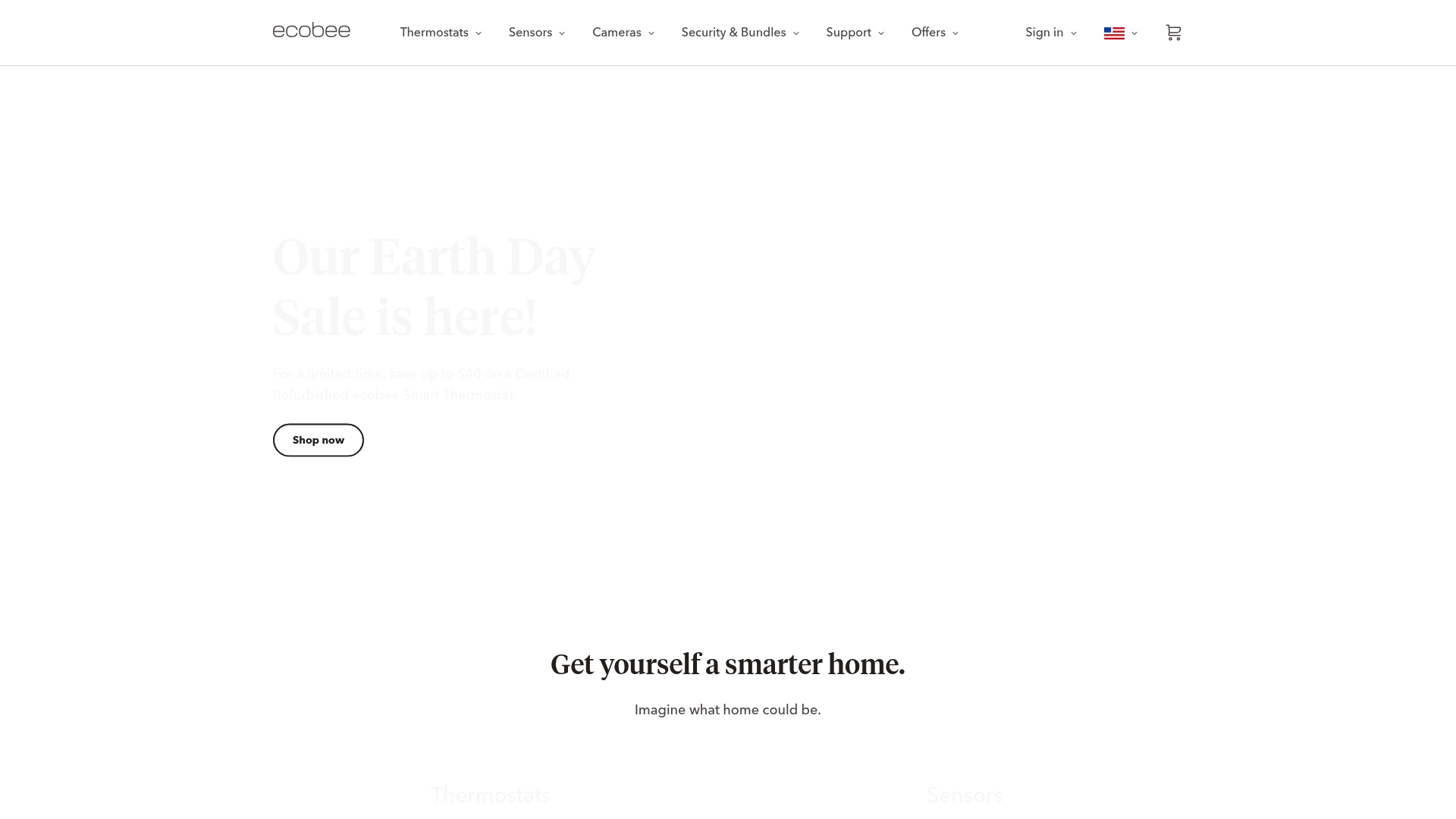
The Ecobee Smart Thermostat delivers whole home comfort control while focusing on energy savings and smart home compatibility. It pairs WiFi-connected thermostats with room sensors and optional cameras to balance comfort and monitoring across your house.
Core Features
Ecobee combines WiFi connectivity, room sensors for whole home comfort control, indoor and outdoor cameras, and home security bundles that integrate with major smart home systems and the eco+ energy features. Support options include help center resources and professional installation.
Pros
- Recognized for performance: Ecobee earns praise for industry-leading smart thermostats and home security products that deliver reliable climate and safety control.
- High compatibility: The thermostats and accessories work with a wide range of smart home systems for centralized control and voice or app integration.
- Dedicated support: Ecobee provides help center resources and offers professional installation for homeowners who prefer hands-off setup.
- Sustainable options: Certified refurbished products give a lower-cost, eco-friendly path to smart home upgrades.
- Positive coverage: Major technology publications recommend Ecobee for its balance of features and usability.
Cons
- Product prices run higher than basic thermostats, which can affect budget-focused buyers looking for a minimal setup.
- Professional monitoring for security bundles has limited availability in some regions, so full-service options are not universal.
- Several advanced features require subscription services, adding ongoing costs for features beyond basic thermostat control.
Who It’s For
Homeowners who prioritize energy efficiency, multi-room comfort, and integration with existing smart home systems will find Ecobee a strong choice. If you want a single platform for heating, cooling, sensing, and optional monitoring, this product fits that profile well.
Unique Value Proposition
Ecobee stands out by combining room-level sensing with a thermostat that ties into security and camera options. That combination lets you manage temperatures, monitor rooms, and add security features without juggling separate ecosystems.
Real World Use Case
A homeowner installs an Ecobee thermostat and two room sensors to eliminate hot and cold spots, then adds an indoor camera for remote checks while away. The setup reduces wasted heating and cooling while providing peace of mind through remote monitoring.
Pricing
Prices vary; Smart Thermostat Essential starts at $139.99, Smart Thermostat Premium at $259.99, and other products are priced accordingly. Subscription fees apply for certain monitoring and advanced features.
Website: https://www.ecobee.com
Control4
At a Glance
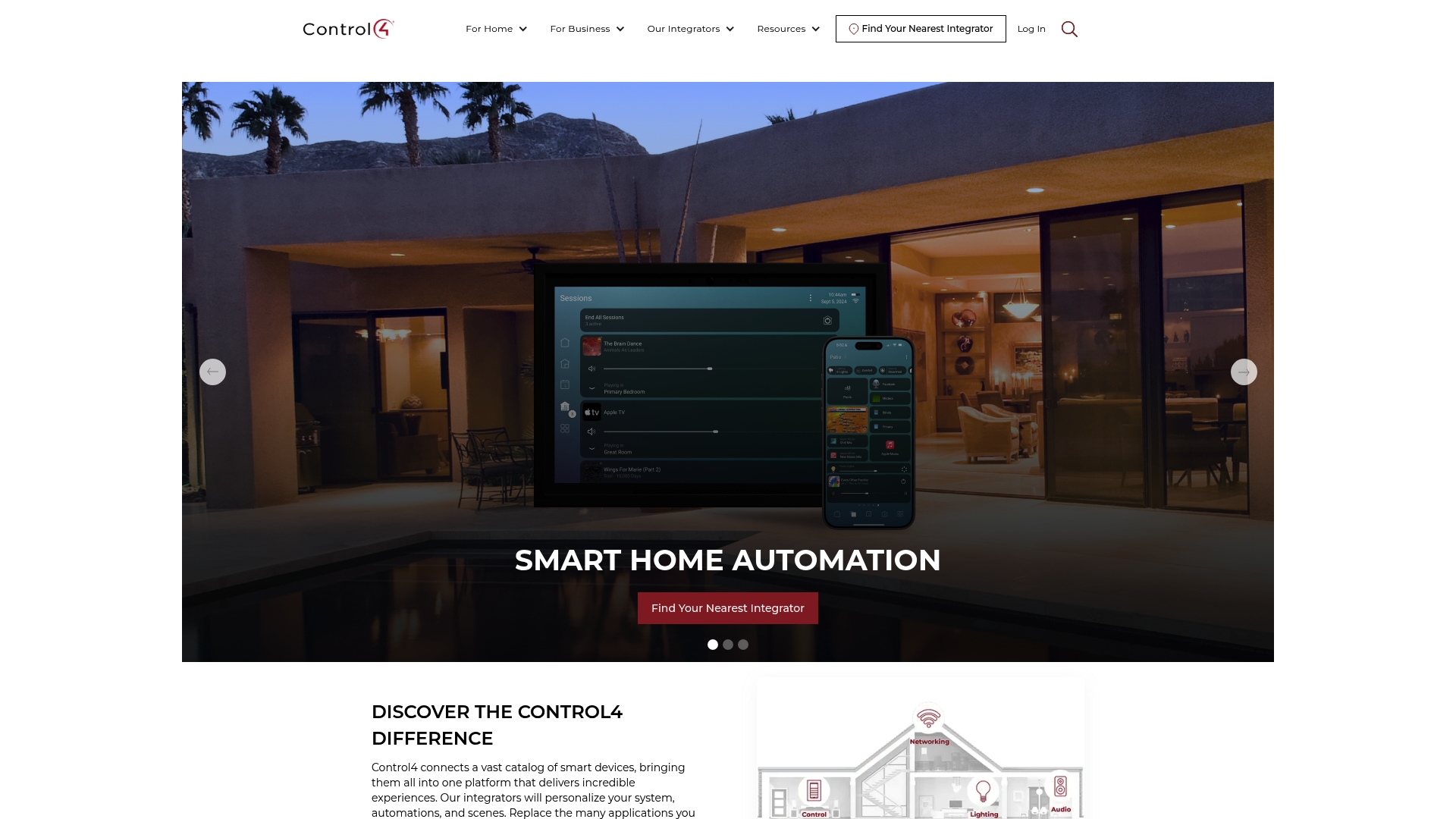
Control4 delivers a whole home automation platform that ties lighting, audio, video, climate, and security into a single professionally installed system. It suits homeowners and business owners who want a polished, scalable solution rather than a DIY gadget approach.
Core Features
Control4 offers a Whole Home Smart System with support for Video and Home Theater, smart lighting, multiroom audio, outdoor entertainment, and safety and security systems. The platform works across smartphones, touchscreens, on wall keypads, remotes, and voice control, and it integrates with thousands of third party devices.
Takeaway: Control4 focuses on centralized control and broad compatibility.
Pros
- Comprehensive automation solutions for both home and business: The platform covers entertainment, comfort, safety, and commercial use cases in one ecosystem.
- User friendly interface across multiple devices: Control4 delivers consistent control from phones, touchscreens, remotes, and keypads so daily use stays simple.
- Personalized system configuration with professional support: Certified installers tailor scenes, schedules, and device behavior to your home or business needs.
- Extensive product compatibility and integration options: Integration with thousands of devices reduces the chance you will need separate control silos.
- Scalable systems for future expansion: The architecture supports adding zones, rooms, and new devices as needs grow.
Takeaway: Strength lies in depth and flexibility backed by professional installation.
Cons
- Requires professional installation for optimal setup, which adds scheduling and coordination compared with plug and play devices.
- Can be costly depending on system complexity and integration, so budgets rise quickly for whole home deployments.
- Pricing varies based on system components and installation, and detailed quotes are typically provided only after consultation which limits upfront price clarity.
Takeaway: Expect higher upfront cost and a consultative sales process.
Who It’s For
Control4 fits Homeowners and Business Owners who prefer a tailored, professionally managed automation system and plan to scale features over time. If you want centralized control for entertainment, security, and climate and value installer support, this is a practical choice.
Unique Value Proposition
Control4 stands out for deep professional integration and broad device compatibility. With Voice Control Capabilities and Integration with Thousands of Devices, it creates personalized experiences managed from a single platform while supporting future upgrades.
Real World Use Case
A homeowner integrates lighting, security, entertainment, and climate into a single system managed via smartphone and touchscreens, with professional support ensuring smooth operation and room by room expansion.
Pricing
Pricing varies based on system components and installation, and Control4 typically provides detailed quotes after consultation. Budget accordingly for hardware, custom programming, and installer labor when planning a whole home or commercial rollout.
Website: https://www.control4.com
Loxone
At a Glance
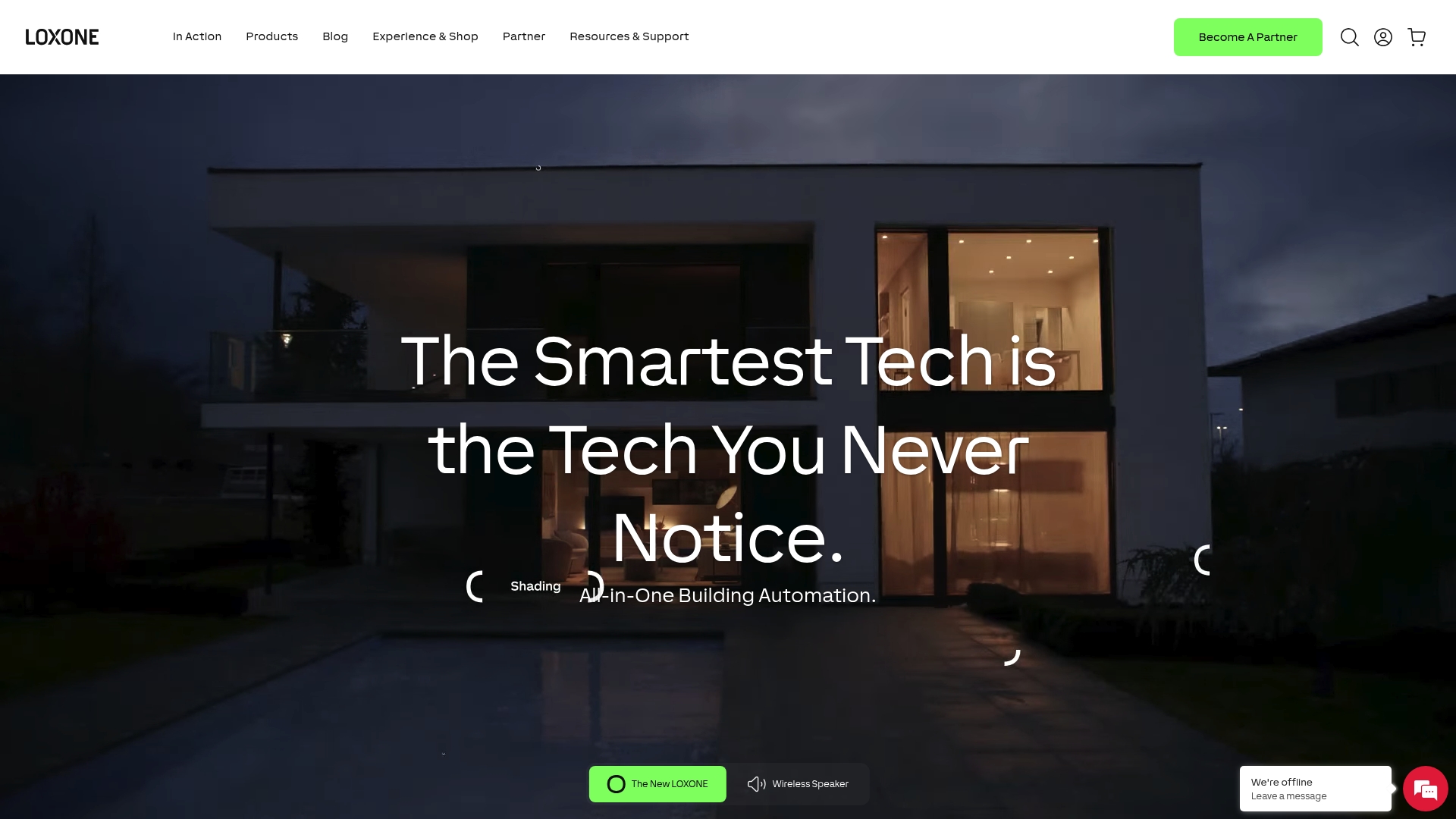
Loxone delivers an all in one building automation platform that ties lighting, climate, shading, audio, and energy into a single control layer. The system targets homeowners and professionals who want a cohesive, scalable solution rather than a patchwork of smart devices.
Core Features
Loxone focuses on centralized building control that adapts to daily life. The platform emphasizes lighting control that responds to moments and energy management to reduce bills while keeping comfort.
- All in one building automation integrating lighting, climate, energy, security, and audio
- Automatic shading and blinds that adjust with conditions
- Integrated audio solutions with wireless speakers for multiroom playback
- Energy management tools that monitor and optimize consumption
Pros
- Seamless integration of building functions. Loxone pulls disparate systems into one interface so you avoid juggling multiple apps and hubs.
- User friendly design centered on needs. The platform prioritizes intuitive control and presets that match typical homeowner routines.
- Scalable for different building types. Solutions fit single family homes up to commercial installations without swapping platforms.
- Professional support and reliability. The platform is presented as tested with support channels for architects and installers.
- Innovative audio and climate features. Wireless speakers and smart climate control add lifestyle value beyond basic automation.
Cons
- No specific pricing details provided. The lack of published costs makes budgeting and direct comparison difficult for planning.
- Professional installation often required. Achieving optimal results typically calls for planning by installers or MEPs which adds time and cost.
- Limited technical specification in the content. The overview lacks detailed performance numbers and hardware specs that some buyers need.
Who It’s For
Loxone fits building owners and homeowners who want a single vendor approach to automation and prefer professional planning. Architects, MEPs, and installers benefit from a platform that supports system design and handoff to clients.
Unique Value Proposition
Loxone sells a unified, professionally supported automation stack rather than a collection of consumer gadgets. That means less friction when coordinating lighting, shading, climate, audio, and energy control across a whole building.
Real World Use Case
A luxury homeowner programs daily routines so lights, blinds, and audio adjust with sunrise, occupancy, and energy tariffs. The system reduces peak consumption and centralizes control while maintaining a comfortable environment.
Pricing
Pricing is not specified in the provided content. Expect project based quotes that vary with scope and professional services since the offering targets tailored installations.
Website: https://www.loxone.com
Comprehensive Product Comparison Table
This table provides a consolidated overview of various solutions, enabling users to compare features, pros, cons, pricing, and usability of mentioned products.
| Product | Features | Pros | Cons | Pricing |
|---|---|---|---|---|
| Shelly | Smart home devices supporting various protocols | Comprehensive product lineup Energy-focused tools Voice Assistant compatible |
Overwhelming website Unclear pricing |
Price varies by device |
| Ecobee Smart Thermostat | Smart thermostats with room sensors and security cameras | Energy savings Multi-room control Compatible with major smart systems |
Costs higher than basic setups Subscriptions required for advanced features |
Starting at $139.99 for basic model |
| Control4 | Whole home automation including lighting, audio, and security | Professionally tailored systems Extensive compatibility with third-party devices |
Requires professional installation Pricing typically consultation-based |
Pricing varies by scope |
| Loxone | Comprehensive building systems for lighting, shading, climate, and audio | Unified control platform Adaptable to various building types Energy optimization |
Professional installation needed Pricing details not specified |
Project-based quotes |
Discover the Smart Home Solutions That Transform Your Living Space
The “Top 5 Smart Home Devices 2026” article highlights the challenge many homeowners face in finding reliable, integrated technology that brings ease and efficiency to daily life. If your goal is to enhance comfort, energy savings, and security without the hassle of juggling multiple apps or confusing setups then exploring comprehensive smart home automation is essential. Key pain points like managing diverse devices and ensuring seamless compatibility are common concerns for tech-savvy individuals seeking the best solutions.
At Lizard’s Lunch we provide up-to-date guides and expert insights that help you navigate the evolving smart home landscape. Whether you want practical advice on choosing the right devices or inspiration for creating a connected, user-friendly home environment, our content empowers you to make informed decisions. Start exploring our curated articles now and take the first step toward a smarter, more comfortable home today.
Frequently Asked Questions
What are the top features to look for in smart home devices in 2026?
To get the best out of your smart home devices, focus on compatibility with existing systems, energy efficiency, and added functionality like security features. Evaluate devices that have user-friendly applications to help with ease of use and management.
How can smart home devices enhance energy efficiency at home?
Smart home devices can enhance energy efficiency by monitoring energy consumption and automating settings to reduce waste. For instance, smart thermostats can learn your habits and adjust heating and cooling accordingly, potentially reducing energy costs by up to 20%.
What should I consider when setting up multiple smart home devices?
When setting up multiple smart home devices, ensure they are compatible with your central hub or home assistant. Also, maintain a clear naming convention for your devices to help streamline control via voice commands or applications.
How often should I update the firmware of my smart home devices?
You should update the firmware of your smart home devices as new updates become available to ensure optimal performance and security. Setting reminders to check for updates monthly can help keep your devices functioning efficiently.
Can I control my smart home devices remotely?
Yes, most modern smart home devices allow for remote control through smartphone applications, enabling you to manage settings from anywhere. Download the relevant app and configure remote access to start enjoying this convenience.
What security measures should I take when using smart home devices?
To enhance security when using smart home devices, regularly change passwords and enable two-factor authentication where available. Also, consider segmenting your home network to separate smart devices from personal computers and sensitive information.

















Leave a Comment
Your email address will not be published. Required fields are marked with *