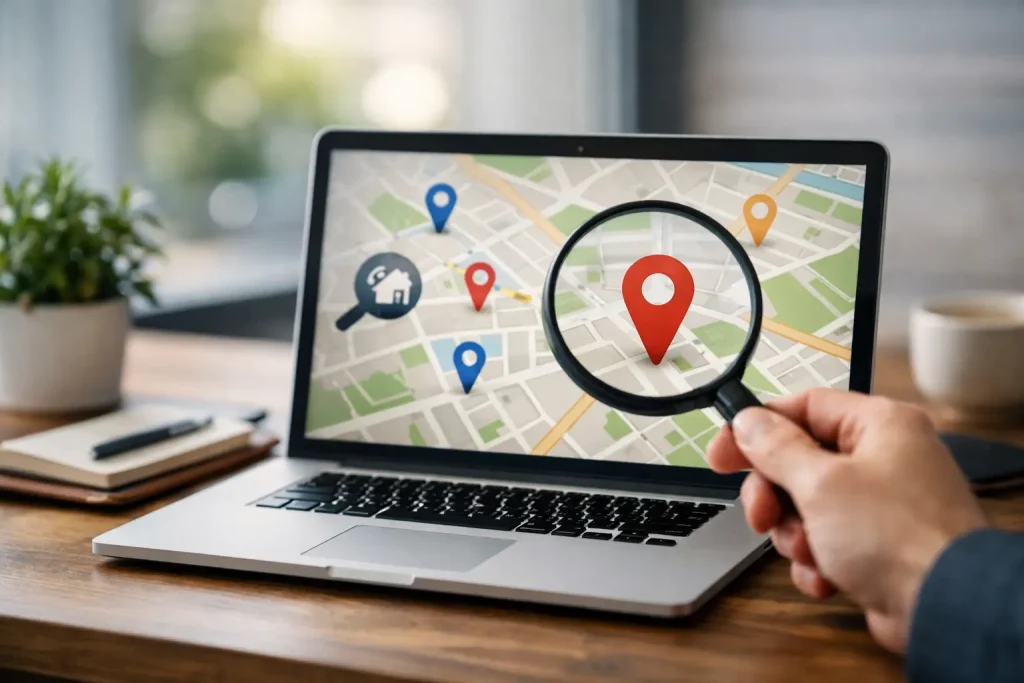
Explore local seo strategy examples that help small businesses rank in Maps and search, attract nearby customers, and turn visibility into leads.
If your business shows up third in Google Maps but your competitor with worse reviews gets the call, the problem usually is not luck. It is execution. The best local seo strategy examples are rarely flashy. They are built from small moves that make a business easier to find, easier to trust, and easier to choose.
That is good news for small businesses, service providers, and multi-location brands that do not have endless time or budget. Local search rewards relevance, consistency, and proximity, but it also rewards businesses that keep their information fresh and their customer signals strong. The right strategy is less about gaming the algorithm and more about removing friction between a nearby searcher and a buying decision.
Why local SEO works differently from standard SEO
Traditional SEO often aims for broad visibility. Local SEO is narrower and more transactional. A person searching for a plumber, a dentist, a brunch spot, or a tax preparer nearby usually wants an answer fast. That means Google leans heavily on business listings, reviews, map signals, service areas, and local relevance.
This is why a company with a modest website can still outrank a bigger competitor in local results. If the listing is complete, reviews are recent, the business category is accurate, and the site reinforces local intent, that business can win clicks and calls. On the other hand, a polished website with weak local signals may struggle.
Local SEO strategy examples that drive real results
1. Fully optimizing a Google Business Profile
A basic profile is not a strategy. A complete one is. One of the strongest local seo strategy examples is taking a Google Business Profile beyond the minimum setup and treating it like a living storefront.
That means using the right primary category, adding secondary categories only when they truly fit, writing a useful business description, uploading current photos, listing services, setting hours accurately, and keeping holiday hours updated. For a restaurant, menu details matter. For a home service business, service areas and appointment options matter more.
The trade-off is time. Profiles need upkeep. But this is often the fastest local SEO win because it directly affects map visibility and click-through behavior.
2. Building location pages with actual local value
A common mistake is creating thin city pages that swap out only the town name. Search engines are better than they used to be at spotting filler. Strong location pages explain what the business offers in that market, where it serves customers, what makes that location useful, and how people can take the next step.
A roofing company, for example, should not publish ten near-identical pages for nearby suburbs. It should create pages that reflect local service patterns, storm issues, neighborhoods served, response times, and customer expectations in each area. Even a simple map, team details, and local testimonials can make the page more credible.
This works especially well for businesses with multiple locations or broad service areas. It takes more effort upfront, but it gives each page a real reason to rank.
3. Earning and responding to reviews consistently
Reviews do more than build trust. They shape conversion rates and can influence local rankings. One of the most practical local SEO strategy examples is creating a repeatable review process instead of asking randomly when someone remembers.
A med spa might ask after a successful follow-up visit. A contractor might request a review right after project completion. A law firm may need a more careful, compliant timing depending on client sensitivity. The point is consistency.
Responding matters too. Thank positive reviewers in a natural way, and handle negative feedback calmly. A response will not erase a bad experience, but it signals professionalism to the next person reading. If every review is two years old, your rating still looks stale.
4. Keeping NAP data consistent across the web
NAP means name, address, and phone number. It sounds simple, but mismatched listings create confusion for both search engines and customers. If your suite number appears in one directory, your old phone number is still live elsewhere, and your business name has three versions online, local trust weakens.
One solid strategy is auditing the major directories and industry-specific listings, then standardizing the core details everywhere possible. This is less glamorous than publishing new content, but it solves a foundational issue. For newer businesses or those that recently moved, this cleanup can make a real difference.
There is a nuance here. Minor formatting differences are not always disastrous. “Street” versus “St.” usually is not the end of the world. But different phone numbers, duplicate listings, and old addresses can absolutely hurt performance.
5. Publishing locally relevant content that matches search behavior
Local content works best when it answers a nearby question with clear buying intent behind it. A pediatric dentist might publish advice for parents about first visits. A pest control company could cover seasonal bug problems by region. A real estate office may create neighborhood guides that actually help buyers compare areas.
The key is avoiding generic blog filler. “Top tips for choosing a contractor” is broad. “What homeowners in Phoenix should know before monsoon roof repairs” is local and useful. The second topic has stronger contextual relevance and is more likely to attract qualified traffic.
This strategy takes patience because content often compounds over time. It is not always the fastest route to calls next week, but it can strengthen authority and support location pages.
6. Using local schema and on-page signals correctly
Schema markup helps search engines interpret business details, although it is not a magic button. Still, one of the smarter local SEO strategy examples is combining technical clarity with visible page signals.
That means placing the business name, address, phone number, service area, and core offerings in obvious places on the site, especially on contact and location pages. Schema can reinforce that information in a machine-readable format. Title tags, headings, and image alt text can also reflect local intent when used naturally.
It depends on the site, though. For a single-location business, implementation is usually straightforward. For multi-location brands, schema and page structure need tighter organization so one branch does not blur into another.
7. Targeting the right local keywords, not just the biggest ones
Many businesses chase broad, high-volume phrases and miss the terms that actually convert. A family law attorney may want to rank for “lawyer,” but “child custody lawyer in Tampa” is far more actionable. A salon may focus on “hair salon” while ignoring “balayage specialist near me” or “bridal hair in Austin.”
The best keyword mix usually includes service plus city terms, neighborhood modifiers, and intent-rich phrases tied to urgent needs or specific services. Search volume may look smaller, but those searches often come from people much closer to booking.
This is where strategy beats ego. Ranking for a vanity keyword feels good. Ranking for the phrase that brings paying customers feels better.
8. Adding proof elements that increase local conversion
Local SEO is not only about ranking. It is also about what happens after the click. A page can earn traffic and still lose business if the visitor does not feel confident enough to call.
That is why trust elements matter. Local testimonials, before-and-after photos, licenses, insurance details, years in business, neighborhood references, and clear service descriptions can all improve conversion. For professional services, bios and credentials often help. For restaurants or retail, updated photos and popular offerings may carry more weight.
This is a useful reminder that SEO and conversion are connected. Better rankings with weak trust signals can still produce mediocre results.
9. Creating separate strategies for storefronts and service-area businesses
Not every local business should follow the same playbook. A coffee shop with foot traffic needs different signals than a mobile locksmith or an HVAC company that travels to customers. Storefronts benefit heavily from map visibility, photos, and walk-in intent. Service-area businesses often need stronger service pages, broader geographic relevance, and clearer coverage details.
The mistake is forcing one model onto the other. If you hide your address because customers do not visit your location, your profile setup and page structure should reflect that. If you do depend on in-person visits, proximity and storefront credibility become much more important.
How to choose the right local SEO example for your business
Start with the leak, not the trend. If your listing is incomplete, fix that first. If reviews are sparse, build a better review process. If your site has no location pages, that may be the gap. If traffic is fine but leads are weak, focus on trust and conversion signals.
Most local businesses do not need ten new tactics. They need three basics done consistently for six months. That is often enough to outperform competitors who keep chasing shortcuts.
A smart local strategy is rarely complicated. It is clear, specific, and maintained. Show search engines where you are, show customers why they should trust you, and make the next step easy. That is still the local edge that holds up.

















Leave a Comment
Your email address will not be published. Required fields are marked with *