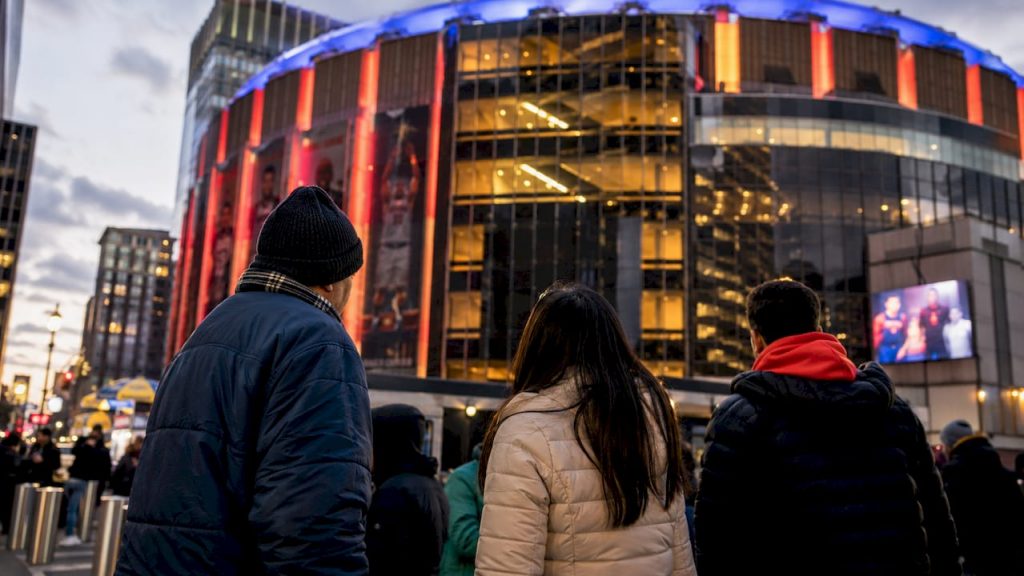
Explore the world’s most famous arena, Madison Square Garden, and other legendary venues that shape sports and music history. Discover why they matter!
Madison Square Garden is the world’s most famous arena, a title it has held as an official trademark since 1968. No other venue on earth carries that designation. Yet the story of legendary stadiums stretches far beyond midtown Manhattan. From the thunderous terraces of Estadio Azteca in Mexico City to the cathedral atmosphere of Camp Nou in Barcelona, the planet’s most iconic sports venues share a rare quality: they feel alive. This guide covers the arenas that define sports, music, and travel history, and explains exactly what makes each one worth your time.
1. What makes Madison Square Garden the world’s most famous arena?
Madison Square Garden is the only venue that officially holds the trademarked title of “The World’s Most Famous Arena,” registered since 1968. That is not marketing copy. It is a legal trademark, and no other arena in the world can claim it. The current building is actually the fourth iteration of the arena, constructed on the site of the original Pennsylvania Station in New York City. That layered history gives MSG a depth that newer venues simply cannot replicate.
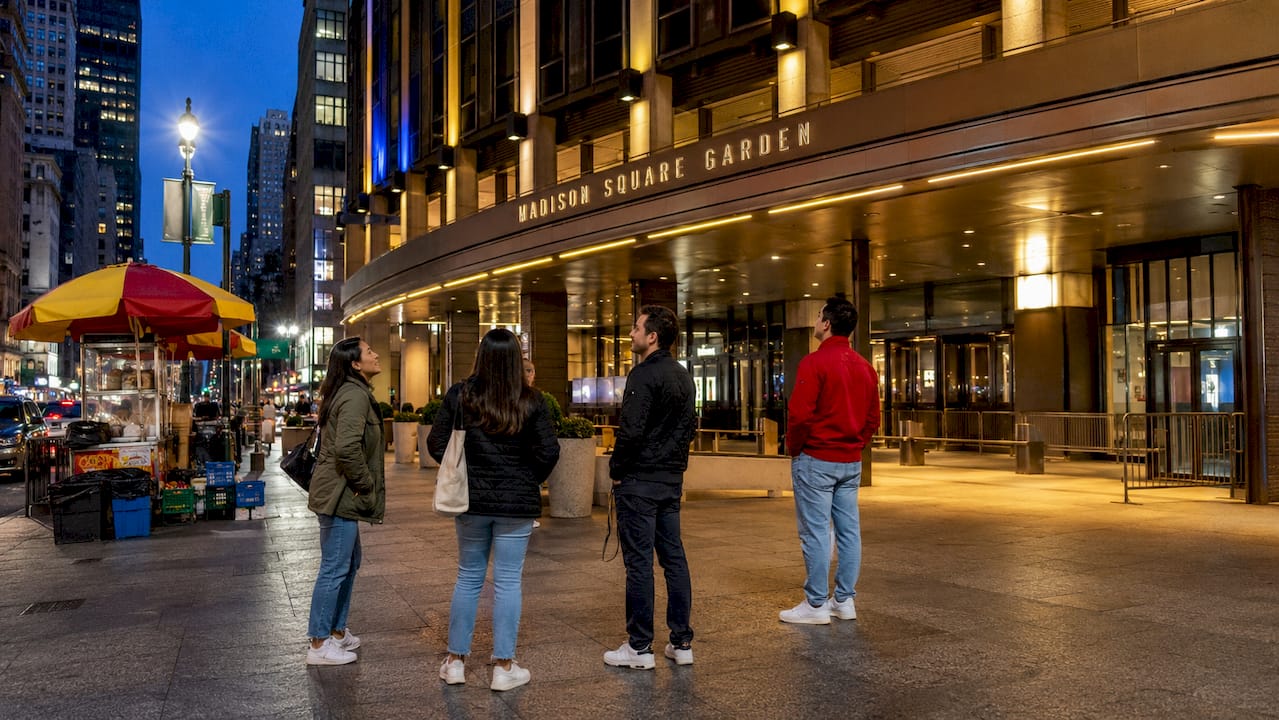
The numbers back up the reputation. MSG holds 22,000 fans for concerts and 19,812 for basketball. The construction cost of the current building ran approximately $1.1 billion. It sits above an active transit hub, making it one of the most architecturally complex arenas ever built. You can read more about its full story in the history of MSG on Lizardslunch.
The venue’s event history is staggering. MSG is the oldest arena in the NBA and the second oldest in the NHL. It hosted the New York Knicks’ 1970 NBA championship, multiple heavyweight boxing title fights, and concerts by Elvis Presley, The Rolling Stones, and Billy Joel. Joel has performed there more than 150 times, making the venue his unofficial home stage.
- Home of the New York Knicks (NBA) and New York Rangers (NHL)
- Site of legendary boxing matches including Muhammad Ali vs. Joe Frazier in 1971
- Hosted concerts by artists from Frank Sinatra to Beyoncé
- Located in the heart of Midtown Manhattan, steps from Penn Station
- Underwent major renovations completed in 2013 to modernize the experience
Pro Tip: If you visit MSG for a concert, arrive early and walk the exterior ring on the upper level. The views of Midtown Manhattan from that vantage point are genuinely spectacular and most visitors never bother.
2. Estadio Azteca: the only stadium to host three FIFA World Cups
Estadio Azteca in Mexico City is the only stadium in history to host three FIFA World Cups, in 1970, 1986, and 2026. That achievement alone places it among the most historic sports arenas on earth. With a seating capacity of 87,523, it is also the largest football stadium in Latin America. The scale and the history combine to create an atmosphere that visitors describe as overwhelming in the best possible way.
The 1986 World Cup gave Azteca two of football’s most debated and celebrated moments in the same match. Diego Maradona scored both the infamous “Hand of God” goal and the “Goal of the Century” against England in the quarterfinals. Both Pelé and Maradona lifted the FIFA World Cup trophy at this stadium. No other venue holds that distinction. The legendary moments at Azteca are woven into the fabric of global football history.
3. Camp Nou: Europe’s largest stadium and FC Barcelona’s cathedral
Camp Nou is Europe’s largest stadium and one of the most recognized landmarks in all of sport. Completed in 1957, it holds over 99,000 fans and sits in the Les Corts neighborhood of Barcelona. The stadium is inseparable from FC Barcelona’s identity, and the club’s motto, “Més que un club” (More than a club), reflects how deeply the venue connects to Catalan culture and politics.
The fan culture at Camp Nou is unlike anything in European football. Pre-match rituals in Les Corts begin hours before kickoff, with supporters filling local bars and plazas in a tradition that stretches back decades. The stadium itself underwent a major renovation project, known as the Espai Barça project, to modernize facilities while preserving its iconic character. Staying in the Les Corts neighborhood puts you directly inside that culture rather than watching it from a distance.
4. Santiago Bernabéu: Real Madrid’s architectural landmark
The Santiago Bernabéu in Madrid is one of the most architecturally ambitious stadium renovations in recent history. Real Madrid completed a sweeping overhaul of the venue in 2023, adding a retractable roof, a 360-degree LED screen, and a transformed exterior facade. The result is a stadium that feels both historic and genuinely futuristic. It holds approximately 81,000 fans and has hosted five UEFA Champions League finals.
Sports historians point to the Bernabéu as a case study in how architecture shapes atmosphere. The steep upper tiers create an intense noise environment that visiting teams consistently cite as one of the hardest atmospheres to play in. The surrounding Paseo de la Castellana boulevard adds a grand civic dimension to match days that few other venues can match.
5. La Bombonera: the most intense atmosphere in world football
La Bombonera in Buenos Aires is the home of Boca Juniors and widely regarded as the most intimidating stadium atmosphere in world football. The stadium holds approximately 54,000 fans, but its vertical design means the upper tiers lean directly over the pitch. The effect is a wall of sound that physically shakes the structure during big matches. Players and coaches from rival clubs regularly describe it as the most hostile environment they have ever experienced.
The name “La Bombonera” translates loosely to “the chocolate box,” a reference to the stadium’s unusual shape. Three sides of the ground are steep and tall, while the fourth is flat and low due to space constraints in the La Boca neighborhood. That asymmetry is part of its charm. The surrounding barrio, with its colorful buildings and tango culture, makes a visit to La Bombonera a full cultural experience rather than just a sporting event.
6. Madison Square Garden vs. other top arenas: a quick comparison
The venues above each hold a distinct place in the global hierarchy of famous arenas in sports. Here is a direct comparison of key facts.
| Arena | Location | Capacity | Signature Claim |
|---|---|---|---|
| Madison Square Garden | New York City, USA | 22,000 (concerts) | Official trademark: “The World’s Most Famous Arena” |
| Estadio Azteca | Mexico City, Mexico | 87,523 | Only stadium to host three FIFA World Cups |
| Camp Nou | Barcelona, Spain | 99,000+ | Europe’s largest stadium |
| Santiago Bernabéu | Madrid, Spain | 81,000 | Five UEFA Champions League finals |
| La Bombonera | Buenos Aires, Argentina | 54,000 | Most intense atmosphere in world football |
Pro Tip: When comparing arenas, capacity alone tells you very little. La Bombonera holds far fewer fans than Camp Nou but consistently ranks higher for atmosphere. The shape of the bowl and the culture of the fanbase matter far more than raw numbers.
7. How architecture and local culture create an iconic arena
The magic of a legendary stadium comes from its integration into local culture, not from technology or amenities alone. Sports historians consistently make this point when explaining why certain venues feel electric and others feel sterile. A brand new arena with perfect sightlines and premium food options can still feel soulless if it has no roots in its community. The uniqueness of iconic stadiums comes from the combination of architecture, surroundings, and fan culture.
Madison Square Garden illustrates this perfectly. The arena sits above Penn Station, one of the busiest transit hubs in North America. Fans arrive from across the city and the region, creating a cross-section of New York life that no suburban arena can replicate. The building’s circular design, rising above street level, makes it a physical presence in the neighborhood rather than a box dropped into a parking lot.
“The stadium is not just a building. It is a place where the city expresses itself. When the architecture responds to the neighborhood and the neighborhood responds to the stadium, you get something that lasts for generations.” — Sports historian perspective on iconic venues
Camp Nou reinforces the same idea. The stadium’s location in Les Corts means the surrounding streets fill with supporters hours before kickoff. Local restaurants, bars, and shops are all oriented around match days. The stadium and the neighborhood have grown together over nearly 70 years. That kind of deep integration cannot be manufactured or fast-tracked.
The Bernabéu’s renovation shows that architecture can refresh an arena’s iconic status without erasing its history. The new retractable roof and LED facade modernize the experience while the steep bowl and the club’s 120-year history remain the emotional core. The lesson is clear: great arenas honor their past while adapting to the present.
8. How to experience visiting famous arenas as a traveler
Visiting a legendary stadium is one of the most rewarding travel experiences available to sports fans and music lovers. The key is treating the arena as the center of a wider cultural experience rather than just a destination for the event itself. Staying within a 15-minute walk of the venue allows you to participate in the pre-event rituals that are central to each stadium’s reputation. Those rituals are often more memorable than the event itself.
Here is a practical approach to planning your visit:
- Book accommodation close to the arena. For Camp Nou, Les Corts is the ideal neighborhood. For MSG, Midtown Manhattan puts you within walking distance and gives you access to the best pre-show dining.
- Arrive at least two hours before the event. The atmosphere builds gradually. Arriving late means missing the energy that defines these venues.
- Eat and drink locally before you go in. The bars and restaurants near La Bombonera, the Bernabéu, and Camp Nou are part of the experience. Stadium food is secondary.
- Take a stadium tour if no event is scheduled. Most of these venues offer guided tours that include locker rooms, press boxes, and pitch-side access. MSG offers tours daily.
- Research the local fan culture before you travel. Boca Juniors supporters have specific chants and rituals. Camp Nou has its own traditions around the club anthem. Knowing these in advance makes you a participant rather than a spectator.
- Plan your transport home in advance. Post-event crowds at venues like Azteca and Camp Nou are enormous. Knowing your exit route saves significant time and stress.
Pro Tip: For travel tech gadgets that make arena visits easier, a portable battery pack and a compact camera are the two most useful items you can carry. Phone batteries drain fast in crowded, high-energy environments.
Key takeaways
The world’s most famous arena is Madison Square Garden, and its official trademark since 1968 sets it apart from every other legendary venue on earth.
| Point | Details |
|---|---|
| MSG holds the official title | Madison Square Garden is the only venue with a legal trademark as “The World’s Most Famous Arena.” |
| History beats size | The oldest NBA arena and second-oldest NHL arena, MSG earns its status through decades of iconic events. |
| Azteca stands alone globally | Estadio Azteca is the only stadium to host three FIFA World Cups, cementing its place in football history. |
| Culture defines iconic status | Architecture and local fan culture matter more than capacity or technology in creating a legendary arena. |
| Proximity enhances the experience | Staying within walking distance of famous arenas and engaging with local pre-event culture transforms a visit. |
What I’ve learned from visiting the world’s great arenas
The debate over which venue deserves the title of the world’s most famous arena is genuinely fascinating to me. MSG’s trademark is legally airtight, and its history is extraordinary. But what strikes me most after visiting several of these venues is how different the emotional experience is at each one.
At MSG, the energy is urban and electric. The city pours into the building from every direction. At Camp Nou, the feeling is almost spiritual. The stadium is so large and so deeply connected to Catalan identity that attending a match there feels like witnessing something bigger than sport. At La Bombonera, the experience is raw and visceral in a way that no other stadium we have visited can match. The shaking upper tiers are not a metaphor. The structure literally vibrates.
What we find most interesting is that the venues people remember most are rarely the newest or the most technologically advanced. They are the ones with the deepest roots. The architecture of famous arenas tells you a great deal about the cities and cultures that built them. MSG tells you about New York’s density and ambition. Camp Nou tells you about Barcelona’s pride and resilience. La Bombonera tells you about Buenos Aires’s passion and its relationship with limited space.
Our honest recommendation: do not limit yourself to one famous arena. Each one teaches you something different about how sport and music connect to human identity. If you can only visit one, start with MSG. Then let it make you curious about the rest.
Planning your next great arena experience with LizardsLunch
Visiting a legendary stadium or concert venue takes more than buying a ticket. Smart travelers plan their gear, their neighborhoods, and their logistics well in advance. Lizardslunch covers the full picture, from travel cameras for adventurous photographers to wearable tech for smarter trips that keep you connected and prepared at every major venue. Whether you are heading to New York for a night at MSG or flying to Barcelona for a Camp Nou match day, the right preparation makes the difference between a good trip and an unforgettable one. Lizardslunch has the guides to help you get there ready.
FAQ
What is the world’s most famous arena?
Madison Square Garden in New York City is the world’s most famous arena. It is the only venue that holds this as an official legal trademark, registered since 1968.
Which stadium has hosted the most FIFA World Cups?
Estadio Azteca in Mexico City is the only stadium to host three FIFA World Cups, in 1970, 1986, and 2026. It also holds 87,523 fans, making it the largest football stadium in Latin America.
What makes an arena truly iconic?
Sports historians agree that iconic status comes from the combination of architecture, local culture, and fan rituals rather than size or technology alone. Venues like Camp Nou and La Bombonera demonstrate that deep community integration is the defining factor.
Is Madison Square Garden worth visiting without an event?
Yes. MSG offers daily guided tours that include access to locker rooms, the arena floor, and historical exhibits. The surrounding Midtown Manhattan neighborhood also makes it a natural stop on any New York City visit.
How do you get the most out of visiting a famous arena?
Stay close to the venue and arrive at least two hours before the event. Engaging with local pre-event culture in the surrounding neighborhood is what separates a memorable visit from an ordinary one.


















Leave a Comment
Your email address will not be published. Required fields are marked with *