
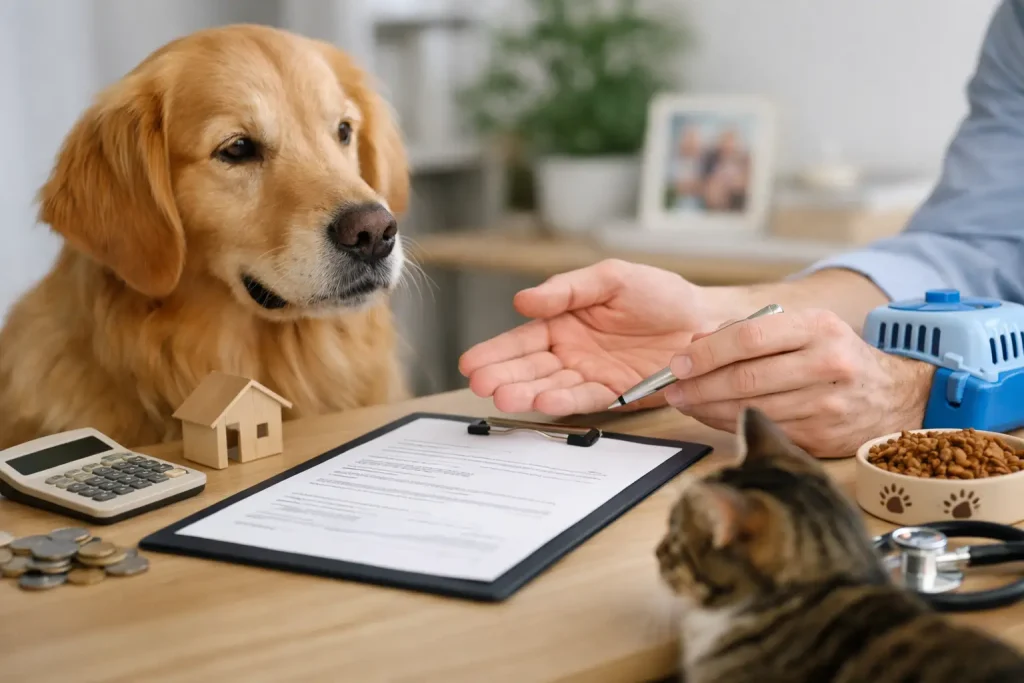
Pet insurance explained in plain English – learn what it covers, what it excludes, how claims work, and how to choose the right policy.
A single emergency vet visit can cost more than many people expect. One swallowed sock, one torn ACL, or one late-night trip to the animal hospital can turn into a bill for hundreds or even thousands of dollars. That is why pet insurance explained in plain English matters – not as a sales pitch, but as a way to figure out whether it actually fits your budget, your pet, and your risk tolerance.
For many owners, pet insurance feels simple until they start reading policy details. Then the questions pile up fast. Does it cover routine checkups? What about dental work? Why do some plans reimburse after you pay, while others talk about deductibles, annual limits, and waiting periods? The short version is that pet insurance is less like a maintenance plan and more like a financial safety net for unexpected veterinary costs.
Pet insurance explained: what it actually is
Pet insurance is a policy that helps reimburse you for covered veterinary expenses. In most cases, you pay the vet bill upfront, submit a claim, and then the insurer pays you back based on your plan terms. That reimbursement usually depends on your deductible, reimbursement rate, and annual or lifetime coverage limit.
If you have seen health insurance for people, it may be tempting to assume it works the same way. It does not, at least not exactly. Most pet insurance plans are simpler in structure but stricter in some key areas, especially around pre-existing conditions. There is also less standardization from one company to another, which means the details matter more than the marketing headline.
At its core, pet insurance is designed to soften the financial hit from accidents and illnesses. Think broken bones, infections, surgeries, cancer treatment, imaging, hospital stays, and prescriptions tied to covered conditions. It is not usually the best tool for predictable, low-cost care unless you buy add-ons for wellness.
What pet insurance usually covers
The broadest plans generally cover accidents and illnesses. That means if your dog gets hit by a car, tears a ligament, develops allergies, or needs treatment for a serious disease, the policy may help with eligible costs. Cat owners may see value too, especially for issues like urinary blockages, diabetes, dental disease, or emergency care.
Coverage often includes diagnostic tests, surgery, hospitalization, specialist care, and medication related to a covered condition. Some plans also include hereditary and congenital conditions, but this is one of those areas where reading the fine print matters. A company may advertise broad protection, yet still place restrictions on certain breeds, conditions, or treatment types.
Routine care is a separate issue. Standard accident-and-illness policies usually do not cover annual exams, vaccines, flea and tick prevention, or standard dental cleanings. Some insurers offer wellness riders for an extra monthly cost, but these are closer to prepaid budgeting tools than true insurance.
What pet insurance usually does not cover
The biggest exclusion is pre-existing conditions. If your pet showed symptoms, got diagnosed, or was treated for a condition before the policy started, that issue will usually be excluded. This rule catches many owners off guard because it applies even when a problem seems minor at first.
For example, if your dog had chronic ear infections before enrollment, future treatment tied to that issue may not be covered. If your cat had signs of arthritis before the policy began, related claims may be denied later. Some companies make a distinction between curable and incurable pre-existing conditions, but not all do.
Other common exclusions include cosmetic procedures, breeding costs, boarding, grooming, and injuries tied to excluded activities. Many plans also have waiting periods, so coverage does not start the day you sign up. Accident coverage may kick in after a few days, while illness coverage can take a couple of weeks or more.
How claims, deductibles, and reimbursement really work
This is where pet insurance explained clearly can save a lot of frustration. Most plans use a reimbursement model. You take your pet to the vet, pay the full invoice, send in the claim, and then get reimbursed for the covered portion.
Three numbers shape what you get back. First is the deductible, which is the amount you must pay before reimbursement starts. Second is the reimbursement rate, often 70 percent, 80 percent, or 90 percent. Third is the coverage limit, which may be annual, per-condition, or unlimited depending on the policy.
Say your plan has a $500 deductible and 80 percent reimbursement. If your pet has a covered surgery costing $3,000, you would first account for the deductible, then the insurer would typically reimburse 80 percent of the remaining eligible amount. If there are non-covered items on the invoice, those would not count. This is why two owners with the same vet bill can get very different payouts.
Some plans use annual deductibles, while others use per-incident or per-condition deductibles. Annual deductibles are often easier for consumers to track. Per-condition deductibles can work well if your pet has one isolated issue, but they may be less appealing if multiple conditions show up in the same year.
Is pet insurance worth it?
That depends on your pet, your finances, and how comfortable you are paying a large surprise bill. For some households, the value is obvious. If a $5,000 emergency would force you into debt or difficult treatment decisions, insurance can provide real peace of mind. It turns a catastrophic expense into a more manageable monthly cost.
For others, self-funding may make more sense. If you already have a healthy emergency fund set aside for pet care and can absorb major bills without stress, insurance may feel less necessary. The trade-off is that you are betting your savings can keep up with worst-case costs, especially as your pet ages.
Age matters here. Buying coverage when a pet is young and healthy usually gives you more options and fewer exclusions. Waiting until a senior pet starts having problems often means higher premiums, tighter terms, or ineligibility for conditions already documented.
Breed can matter too. Some breeds are more prone to orthopedic, cardiac, respiratory, or skin issues. That does not automatically make insurance a must-buy, but it should shape the math.
How to compare plans without getting lost
Price is the first thing most people notice, but it should not be the only factor. A lower premium can come with a lower reimbursement rate, a higher deductible, or more exclusions. A pricier plan may look better on paper but offer benefits you may never use.
Start by checking the policy type. Accident-only plans are cheaper but narrower. Accident-and-illness plans are more comprehensive and more common for owners who want stronger protection. Wellness add-ons are optional and usually make sense only if the numbers work for your routine care spending.
Then compare waiting periods, deductible structure, reimbursement percentages, annual limits, and exclusions. Look closely at dental coverage, prescription food rules, exam fee coverage, alternative therapies, and hereditary conditions if those matter for your pet.
Customer experience matters more than many buyers expect. Fast claims processing, a clean app experience, and clear policy language can make a big difference when you are stressed and dealing with a sick pet. The cheapest premium loses some appeal if claims become a battle.
Pet insurance explained for puppies, kittens, and older pets
For puppies and kittens, pet insurance is often easiest to justify because enrollment happens before health issues start showing up in medical records. Premiums are generally lower, and there is less risk of a future claim being labeled pre-existing. The downside is obvious – you may pay for years before needing a major claim.
For adult pets, the decision often comes down to current health and financial flexibility. If your pet is healthy and active, there may still be strong value, especially for accident coverage or broader protection before age-related conditions appear.
For senior pets, the answer gets more complicated. Coverage can still help, but premiums tend to rise and exclusions become more significant. In some cases, a dedicated pet emergency fund may be the better fit. In others, insurance is still worth it if one major illness could create a financial strain.
Common mistakes owners make
One common mistake is assuming all vet bills are covered. They are not. Another is buying a plan based on the monthly premium alone without checking payout limits and exclusions.
A third mistake is waiting too long. Once a condition appears in the record, insurance usually will not erase that history. Owners also sometimes skip the waiting period details and assume they are protected immediately after signing up.
The smartest approach is to think of pet insurance as a risk-management tool, not a refund machine. If you expect it to pay for every routine expense, you will probably be disappointed. If you use it to protect against expensive surprises, it tends to make more sense.
A good policy should fit your real life, not just look good in an ad. If you compare the fine print, match the plan to your pet’s likely needs, and keep your own budget front and center, the right choice becomes much easier to spot. Sometimes the best decision is buying coverage early. Sometimes it is building a bigger savings cushion instead. The useful part is knowing the difference before the emergency happens.


















Leave a Comment
Your email address will not be published. Required fields are marked with *