
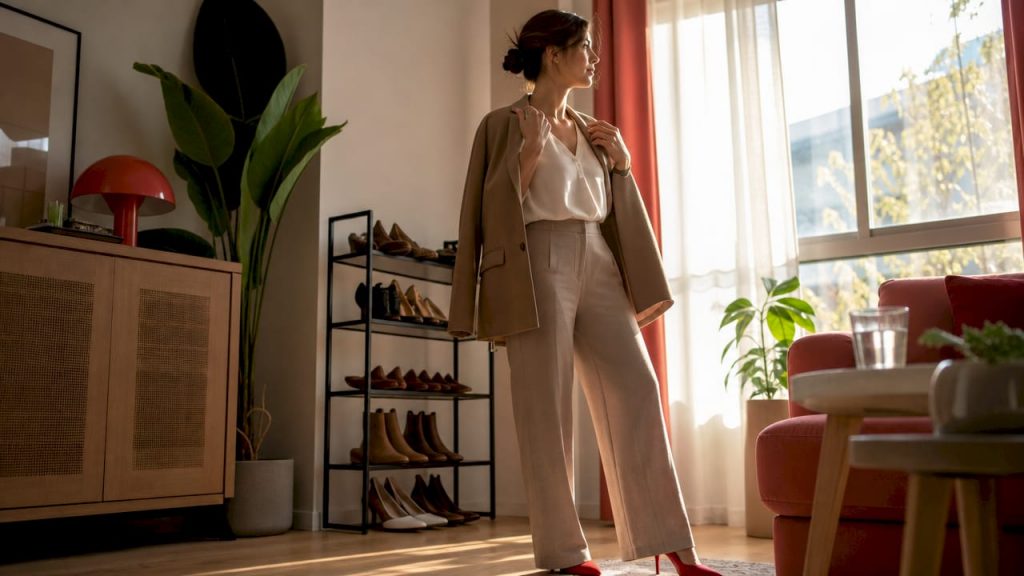
Discover expert insights in this fashion styling tips guide. Build a wardrobe that reflects your style with confidence and timeless principles.
Fashion styling is the art of creating cohesive, flattering outfits that reflect your personality and lifestyle. This fashion styling tips guide delivers practical, expert-backed principles to help you refine your wardrobe with real confidence. The best personal style is not about owning the most clothes or chasing every new trend. It is built on timeless principles: fit, proportion, color harmony, and intentional accessorizing. Whether you are just starting out with fashion advice for beginners or refining a look you have worn for years, these strategies give you a clear, repeatable system for getting dressed well every single day.
How to build a functional wardrobe foundation
The most effective wardrobe starts with a small, deliberate set of core pieces. A functional wardrobe should be anchored by 7–10 core basics that make up 60–70% of your daily outfits. That number matters because it proves you do not need a full closet to dress well. You need the right pieces.
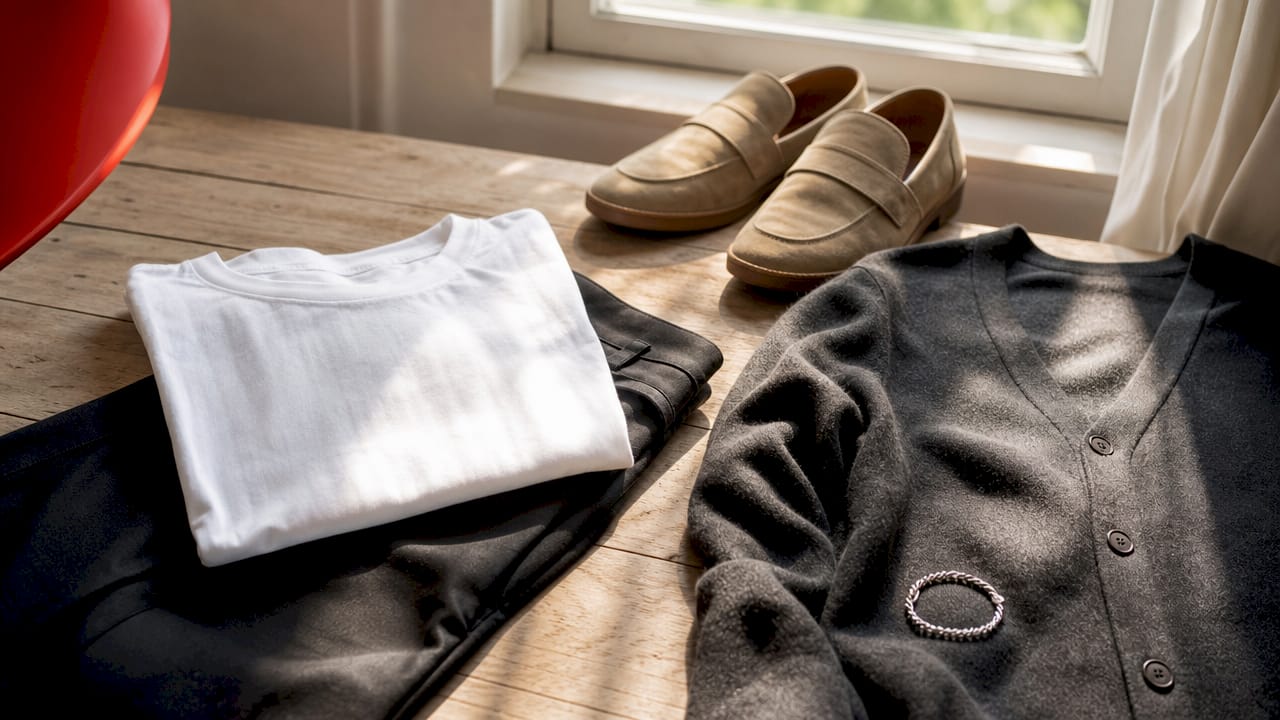
What belongs in your core wardrobe
These basics form the backbone of a 30–40 piece capsule wardrobe that simplifies dressing every morning. A capsule wardrobe is a curated collection of versatile, coordinating pieces that work together across multiple outfits. The goal is maximum combinations from minimum items.
Your core basics should include:
- A well-fitted white or cream button-down shirt
- Dark wash straight-leg or slim jeans
- A tailored blazer in a neutral tone (navy, camel, or charcoal)
- A classic crewneck or V-neck sweater
- A simple black or white T-shirt in quality cotton
- Tailored trousers in a neutral color
- A versatile midi skirt or dress
- Clean white sneakers and one pair of leather or leather-look shoes
- A structured tote or shoulder bag
Each of these pieces works with at least five others in the same wardrobe. That is the test worth applying before any purchase.
Quality over quantity: the cost-per-wear principle
Fabric quality and fit over quantity is a growing priority in 2026, with natural fibers and well-constructed garments delivering both better style and longer life. This shift matters because a garment you wear 50 times costs far less per wear than a trend piece worn twice. Natural fibers like cotton, wool, linen, and silk drape better, breathe better, and hold their shape longer than synthetic alternatives.
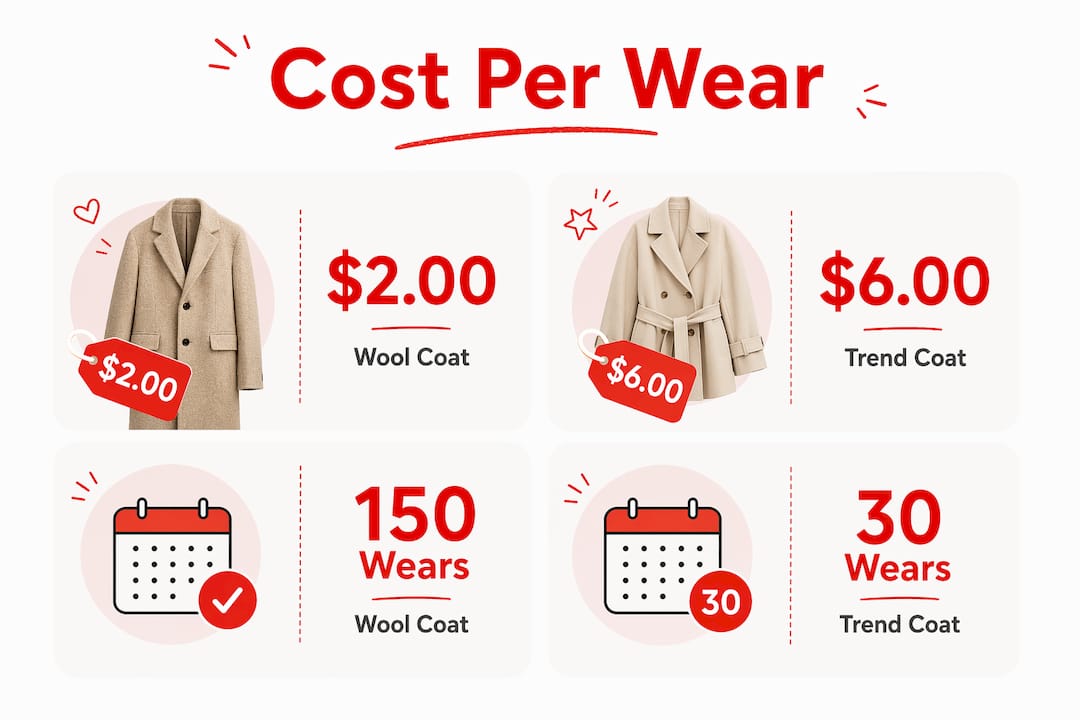
The cost-per-wear formula is simple: divide the price of a garment by the number of times you realistically expect to wear it. A $150 cashmere sweater worn 100 times costs $1.50 per wear. A $30 fast-fashion top worn three times costs $10 per wear. The math consistently favors quality.
| Item | Estimated wears | Cost per wear (example) |
|---|---|---|
| Quality wool coat ($300) | 150 | $2.00 |
| Trend coat ($80) | 10 | $8.00 |
| Classic white shirt ($90) | 80 | $1.13 |
| Novelty print blouse ($35) | 4 | $8.75 |
Pro Tip: Before buying anything new, ask whether it works with at least three items already in your wardrobe. If it does not, it is a costume, not a wardrobe piece.
You can also apply capsule wardrobe thinking to travel packing. Our minimalist packing guide shows how the same principles that build a great home wardrobe translate directly into stress-free travel dressing.
Why does fit matter more than size?
Fit is the single most powerful styling tool available to you. Clothes should fit by how they sit on your body, not by the size label inside the collar. Size numbers vary significantly by brand and country of manufacture, making them an unreliable guide to how a garment will actually look on you.
How to assess fit correctly
The right fit means shoulders sit at the edge of your actual shoulder, not drooping down your arm. Shirt buttons should not pull across the chest. Trouser hems should graze the top of your shoe without bunching. These are the markers that matter, not the number on the tag.
Taking your own measurements is the most reliable starting point. You need four numbers: chest or bust, waist, hips, and inseam. With those four figures, you can shop online with far greater accuracy and avoid the guesswork of sizing charts.
Common fit mistakes to avoid:
- Wearing tops that are too wide across the shoulders
- Choosing jeans that sag at the seat or bunch at the ankle
- Wearing blazers where the sleeve is too long, covering the hand
- Picking dresses that pull across the hips or chest
- Buying trousers that are too long and never getting them hemmed
Tailoring as a styling tool
A $20 professional alteration can make a $50 garment appear as polished as a $200 piece. Tailoring is the most underused styling tool in most wardrobes. A simple hem, a taken-in waist, or a shortened sleeve transforms how a garment reads on the body.
The balance of opposites principle is the core rule for proportional dressing. Pair a loose, oversized top with fitted trousers or slim jeans. Pair a wide-leg pant with a tucked-in, close-fitting top. This contrast creates visual interest and prevents an outfit from reading as shapeless. Professional stylists apply this rule consistently because it works on every body type.
Pro Tip: When you find a brand whose sizing fits you well, note the specific size and cut. Consistency within one brand saves enormous time and reduces returns.
What are the best outfit formulas for effortless style?
Outfit formulas are repeatable structures that take the guesswork out of getting dressed. The 3-Part Outfit Formula involves one statement piece, a grounding neutral, and one intentional styling detail. This formula reduces decision fatigue and keeps your look distinctive without requiring constant creativity.
Applying the 3-Part Formula in practice
Here is how the formula works across different outfit types:
- Choose your statement piece. This is the item that carries the visual weight of the outfit. It could be a printed blouse, a structured blazer, wide-leg trousers in a bold color, or a standout shoe.
- Ground it with a neutral. Pair your statement piece with something that recedes visually: white, black, cream, gray, or camel. This lets the statement piece breathe without competing for attention.
- Add one intentional styling detail. This is where personality enters. Roll your sleeves. Half-tuck your shirt. Add a belt to define the waist. Layer a delicate necklace. This detail signals that the outfit is considered, not accidental.
Using outfit formulas alleviates dressing stress and produces more confident style choices. The formula works because it gives structure without rigidity. You can rotate the statement piece endlessly while keeping the neutral and detail consistent.
The 60-30-10 color rule
The 60-30-10 color rule ensures visual harmony by dividing color across an outfit: 60% base color, 30% secondary tone, and 10% accent. This prevents color clashing while still allowing you to mix prints and textures confidently.
In practice: wear navy trousers and a navy blazer (60%), a white shirt (30%), and a rust-colored belt or earrings (10%). The result is a polished, intentional look that feels put together without appearing overdone.
| Color strategy | Best for | Example |
|---|---|---|
| 60-30-10 rule | Mixed color outfits | Navy, white, and rust |
| Monochromatic | Elongating the silhouette | All camel, head to toe |
| Tonal dressing | Subtle, editorial looks | Cream, ivory, and oatmeal |
| Neutral base + one pop | Beginners | Black outfit, red bag |
Monochromatic dressing, wearing one color in different shades and textures, is one of the most effective wardrobe styling ideas for creating a polished look with minimal effort. Tonal dressing works similarly but uses closely related hues rather than a single color family. Both strategies make getting dressed faster and the results more consistent.
Layering textures within a color palette adds depth without adding complexity. A cream silk blouse under a cream knit cardigan, worn with cream wide-leg trousers, reads as intentional and editorial. The variation in fabric surface, smooth versus textured, does the visual work that color would otherwise do.
Pro Tip: Build your outfit around the current fashion trends for the season, but anchor every look in a neutral base. Trends add freshness; neutrals add longevity.
How to accessorize outfits for a polished, personal look
Accessories are the fastest way to shift an outfit from basic to intentional. The key is proportion and restraint. Choosing between a statement accessory and a supporting one is the first decision to make before adding anything to an outfit.
Statement vs. supporting accessories
A statement accessory carries visual weight on its own: a chunky gold chain, an oversized tote, a wide-brimmed hat, or a bold printed scarf. One statement accessory per outfit is the rule that prevents overload. Everything else should support, not compete.
Supporting accessories are smaller and quieter: stud earrings, a thin belt, a simple watch, a delicate ring. They add polish without drawing attention away from the outfit’s focal point.
- Jewelry proportion: Wear one large piece or several small ones. Never multiple large pieces at once.
- Bag proportion: A petite frame calls for a smaller bag. A tall or broad frame can carry a larger tote without it overwhelming the look.
- Belt use: A belt at the natural waist defines the silhouette on any body type. Use it on dresses, oversized shirts, and high-waisted trousers alike.
- Shoe color: Shoes in a color close to your skin tone visually lengthen the leg. Shoes that match the trouser color create an unbroken vertical line.
Finishing details that signal intention
Rolling sleeves or half-tucking a shirt elevates an outfit’s polish significantly. These small adjustments signal that the outfit is considered rather than thrown together. Steaming or ironing garments before wearing them has the same effect. A wrinkled silk blouse reads as careless; a smooth one reads as deliberate.
Hair and makeup function as fashion elements too. A sleek low bun reads differently than loose waves with the same outfit. Neither is better, but both are choices that complete the look. Treating hair and makeup as part of the outfit, rather than separate from it, produces more cohesive results.
“Style is not about being noticed. It is about being remembered.” Accessories and finishing details are what make an outfit memorable. They are the signature that tells people this look was assembled with care, not chance.
Pro Tip: Lay your full outfit flat, including shoes, bag, and jewelry, before putting it on. Seeing the complete picture lets you edit before you dress, not after.
For visual inspiration on how accessories and styling details translate in editorial and real-world contexts, editorial photography offers a useful reference for understanding how proportion and styling choices read on camera and in person.
Key Takeaways
Personal style is built on repeatable principles, not on owning more clothes, and mastering fit, color, and proportion produces consistently polished results.
| Point | Details |
|---|---|
| Build a capsule wardrobe | Anchor your wardrobe in 7–10 core basics that cover the majority of your daily outfits. |
| Prioritize fit over size | Clothes should fit your body, not a label; a $20 alteration can transform a garment’s appearance. |
| Use the 3-Part Formula | Combine one statement piece, one grounding neutral, and one intentional detail for every outfit. |
| Apply the 60-30-10 rule | Distribute color as 60% base, 30% secondary, and 10% accent to prevent clashing and add harmony. |
| Accessorize with intention | Choose one statement accessory per outfit and let finishing details signal that the look is deliberate. |
What our team has learned about building real style confidence
Our team at Lizard’s Lunch has spent years covering fashion, lifestyle, and personal style across dozens of guides and features. The single most consistent finding is this: personal style is a learned skill, not something you are born with. The people who dress well are not naturally gifted. They have simply paid attention longer.
The most useful exercise we have seen is the wardrobe audit. Pull everything out. Look at what you actually reach for versus what sits untouched. The patterns you find, the colors, the silhouettes, the fabrics, tell you more about your real style than any quiz or trend report. Most people discover they already have a signature style. They just have not named it yet.
What we push back on is the idea that following trends is the path to great style. Trends are useful for adding freshness to a wardrobe, but they are not the foundation of one. The readers who dress most confidently are the ones who have built a clear wardrobe identity and then selectively incorporate trends that fit within it. They are not chasing. They are editing.
The other thing worth saying plainly: intentional dressing takes about five minutes more than careless dressing. Laying out an outfit the night before, steaming a shirt, choosing the right shoe. These are small investments that produce outsized results in how you feel and how others perceive you. Style confidence is not a personality trait. It is a habit.
— Our team at Lizard’s Lunch
Style and travel go hand in hand at Lizardslunch
Great personal style does not stop at your front door. At Lizardslunch, we cover the full lifestyle picture, including how your wardrobe travels with you. If you have built a capsule wardrobe at home, you already have the foundation for stress-free travel packing. Our packing light guide takes the same principles covered here, versatility, quality, and proportion, and applies them to every trip you take. Whether you are packing for a weekend city break or a two-week international trip, a well-edited wardrobe makes every destination easier. Lizardslunch brings together fashion, travel, and lifestyle guidance in one place, so your style works as hard as you do.
FAQ
What is a capsule wardrobe?
A capsule wardrobe is a curated collection of 30–40 versatile pieces that coordinate with each other, built around 7–10 core basics that cover the majority of daily outfits.
How do I find my personal style as a beginner?
Start with a wardrobe audit: pull out everything you own and identify the colors, silhouettes, and fabrics you reach for most. Those patterns reveal your existing style preferences and give you a clear direction for future purchases.
What is the 60-30-10 color rule in fashion?
The 60-30-10 rule divides color across an outfit into 60% base color, 30% secondary tone, and 10% accent color. This structure prevents clashing and creates visual harmony in any outfit combination.
How important is tailoring for everyday style?
Tailoring is one of the most effective styling tools available. A professional alteration costing as little as $20 can make an affordable garment look as polished as a much more expensive piece.
How many accessories should I wear at once?
Wear one statement accessory per outfit and complement it with smaller, quieter supporting pieces. Stacking multiple large accessories creates visual noise and pulls attention away from the outfit itself.

















Leave a Comment
Your email address will not be published. Required fields are marked with *