
Discover what boutique accommodation truly offers—unique design, personalized service, and memorable experiences beyond chain hotels.
Boutique accommodation is a small-scale, design-led lodging experience, generally with a limited number of rooms, where personalized service, a strong sense of place, and intentional design work together to create something a chain hotel simply cannot replicate. The term covers everything from a converted Victorian townhouse in Brooklyn to a coastal retreat on the Oregon coast, but the defining ingredients stay consistent across all of them.
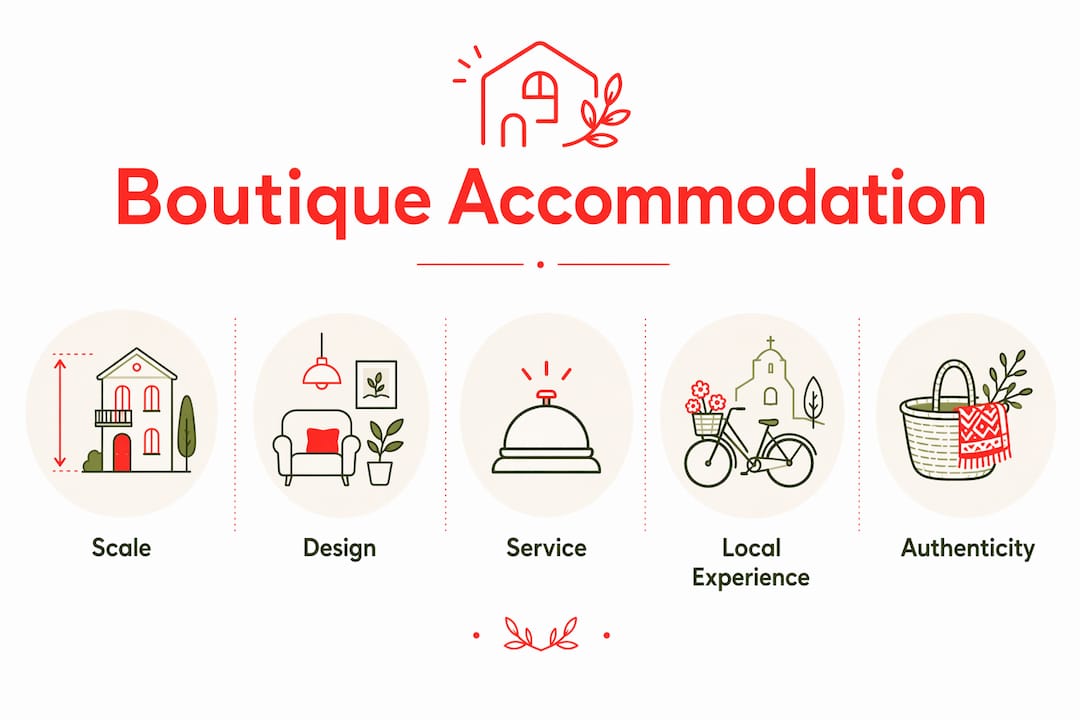
Here are the five characteristics that genuinely separate boutique properties from everything else:
- Small scale: Typically a small number of rooms, small enough that staff actually learn your name.
- Design intentionality: Curated interiors that tell a story rooted in the local place, not a corporate style guide.
- Independent ownership or a distinct operational philosophy: Run by owners or managers who make decisions on-site, not by a regional VP.
- Personalized service: Staff empowered to tailor your stay, from restaurant recommendations to room preferences.
- Strong local identity: Food, art, programming, and partnerships that reflect the surrounding community.
No government body regulates the word “boutique,” so anyone can use it. Industry organizations like the Boutique Lifestyle Leaders Association (BLLA) and recognition programs such as the Boutique Hotel Awards use subjective criteria, including individuality and emotional impact, to identify properties that genuinely earn the label.
Table of Contents
- What makes accommodation truly boutique?
- How did the boutique hotel concept begin?
- What types of boutique accommodation exist?
- Where are boutique properties found, and what do they look like?
- How does boutique accommodation differ from chains, B&Bs, and luxury hotels?
- Are boutique accommodations more expensive?
- How do you choose a genuine boutique accommodation?
- What do genuine boutique stays look like in practice?
- How do you separate genuine boutique lodging from marketing copy?
- Key Takeaways
- When our team recommends boutique accommodation
- Sources and further reading
What makes accommodation truly boutique?
The short answer: it feels different because it operates differently. Boutique hotels distinguish themselves through experience design and a strong sense of place, often using historic or uniquely converted buildings and themed interiors that reflect the local community. That is not just an aesthetic choice. It shapes every interaction you have from check-in to checkout.
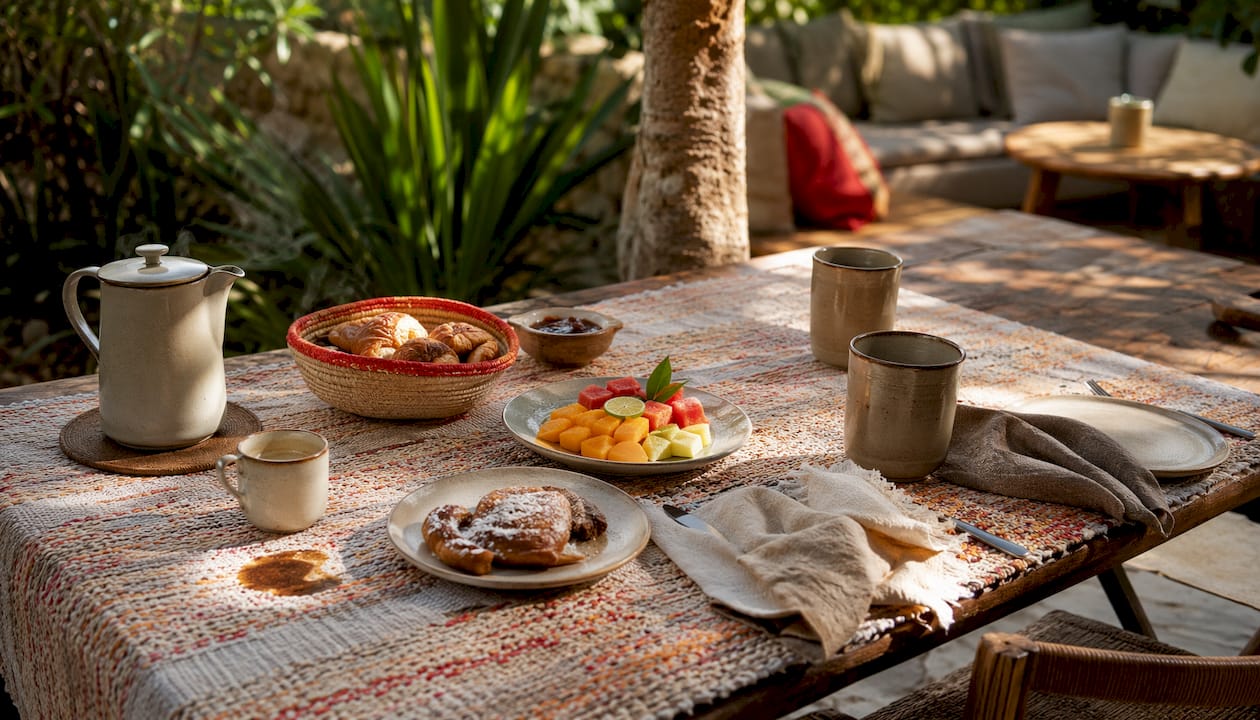
Design intentionality is the most visible signal. Walk into a genuine boutique property and the lobby tells you exactly where you are: locally commissioned artwork, materials sourced from regional craftspeople, a color palette drawn from the surrounding landscape. The rooms follow the same logic. Nothing feels like it was ordered from a hospitality supply catalog.
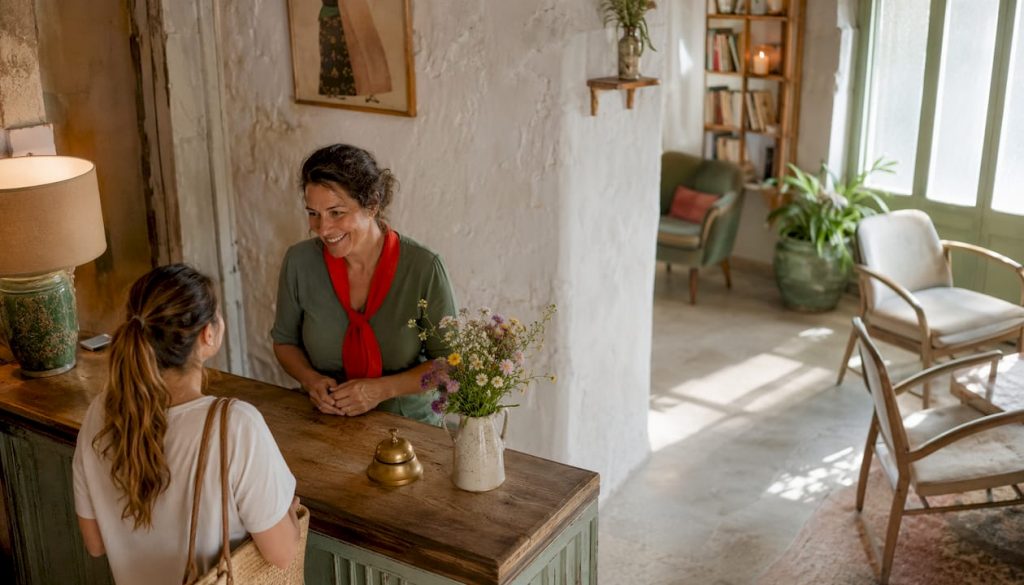
Service is where boutique properties either earn their reputation or lose it. Higher staff-to-guest ratios mean the front desk team can remember that you asked for a quiet room away from the elevator, or that you mentioned a food allergy at breakfast. Staff are empowered to make decisions without escalating to a manager, which makes the experience feel genuinely responsive rather than scripted.
Commercially, boutique properties operate on a different model too. Because they lack the distribution muscle of a major brand, they rely heavily on direct bookings, editorial coverage, and word of mouth. That dependency actually works in your favor as a guest: properties that survive on reputation tend to protect it fiercely.
Pro Tip: When evaluating a boutique property, weight service and local programming above Instagram-worthy decor. A stunning lobby with generic staff responses is a design hotel, not a boutique one.
How did the boutique hotel concept begin?
The term “boutique hotel” took root in the 1980s, borrowing the retail word “boutique” to signal something small, curated, and personal in contrast to the sprawling chain hotels that dominated the era. New York and London were the twin birthplaces of the concept, with designers and independent hoteliers proving that intimacy and strong aesthetic identity could command serious demand.
Key milestones in the boutique hotel timeline:
- 1980s: The concept emerges in New York and London, driven by designer-led independent properties that prioritized character over scale.
- 1990s: The model spreads across major U.S. cities and European capitals; travel media begins using “boutique” as a distinct lodging category.
- 2000s: Larger hotel groups take notice. Soft brands and lifestyle collections begin appearing, offering boutique aesthetics with brand-level distribution.
- 2010s onward: The label broadens further. Major groups launch boutique-style collections that blur the line between independent character and branded reliability.
One important caveat: “boutique” is an industry term, not a regulated classification. No star-rating body or government agency certifies it. That flexibility is both the concept’s strength and its biggest vulnerability for travelers trying to book one.
What types of boutique accommodation exist?
The category is broader than most people expect. Here are the six main subgenres you will encounter in the U.S. market:
Design-led urban boutique. Found in city neighborhoods rather than downtown convention corridors. The property’s identity is tied to the block it sits on: the art scene, the food culture, the architectural history. Best for travelers who want to feel like a local rather than a tourist.
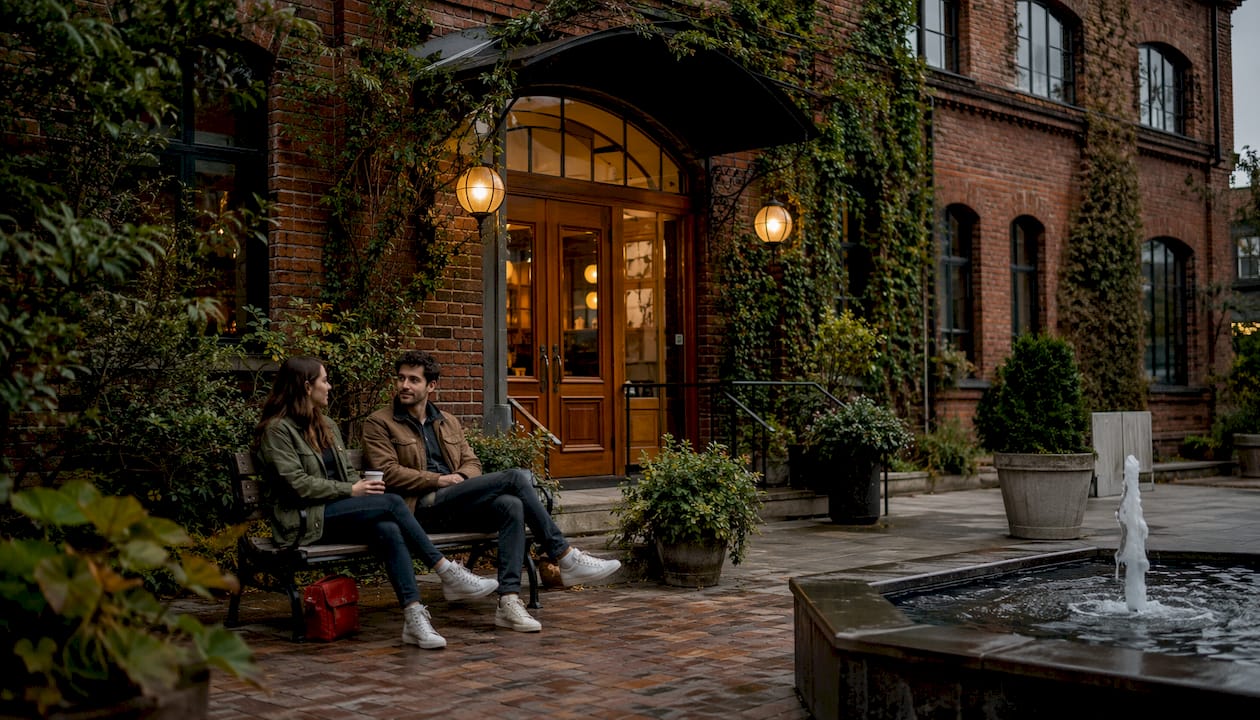
Heritage and conversion properties. Former factories, banks, schools, or warehouses transformed into lodging. The original structure is part of the experience, with exposed brick, original fixtures, and architectural details that a new-build could never replicate. Ideal for guests who find history genuinely interesting.
Micro-boutique or limited-service. Typically 10 to 20 rooms, sometimes as few as five or six. Service is highly personal by necessity. These properties often skip a full restaurant but offer curated breakfast or a well-stocked pantry. A strong fit for couples or solo travelers who want quiet and privacy.
Boutique luxury. Small scale meets high-end service: private butlers, tasting-menu dinners, spa programming. The room count stays low, but the investment per guest is high. Pricing reflects it.
Soft-brand or lifestyle collection. Operated under a major hotel group’s umbrella but designed to feel independent. You get loyalty points and brand-level booking infrastructure alongside boutique aesthetics. The trade-off is that operational decisions may be less owner-driven.
Budget or mid-range boutique. Design-forward properties that keep rates accessible by trimming amenities without sacrificing personality. Think thoughtfully designed rooms, a great coffee bar, and a strong neighborhood location, without the full-service restaurant or spa.
Where are boutique properties found, and what do they look like?
Scale is the first thing to understand. Boutique accommodations typically have between 10 and 100 rooms, a range that allows for the staff-to-guest familiarity required for personalized service. Many of the most celebrated boutique stays in the U.S. sit between 15 and 50 rooms.
Location patterns are equally telling. You will find boutique properties concentrated in:
- Urban neighborhoods: Arts districts, historic quarters, and emerging food scenes rather than airport corridors or convention-center blocks.
- Converted historic buildings: Adaptive reuse of mills, banks, courthouses, and warehouses is a boutique hallmark, particularly in the Northeast and Midwest.
- Resort pockets and coastal towns: Smaller coastal communities along the Maine, California, and Pacific Northwest coastlines support intimate retreats that larger resorts cannot fit into.
- Rural and mountain getaways: Farm stays, vineyard lodges, and mountain cabins that lean into landscape and agricultural identity.
On arrival, look for these design cues: locally commissioned artwork displayed with artist attribution, furniture sourced from regional makers, public spaces that invite lingering rather than just passing through, and menus that name local farms and producers. When those details are present and consistent, the property is doing the work. When the lobby has a single generic landscape print and the menu lists “seasonal vegetables,” the boutique claim is mostly cosmetic.
If you love the design philosophy of boutique interiors, our guide on home renovation ideas explores how the same character-driven approach translates into residential spaces.
How does boutique accommodation differ from chains, B&Bs, and luxury hotels?
The core difference is scale plus individuality plus service model. Everything else flows from those three things.
Versus chain hotels: A chain property delivers consistency. You know exactly what the room will look like, what the breakfast will cost, and how the loyalty program works. That predictability is genuinely valuable for frequent business travelers. A boutique property trades that consistency for character. The room might be slightly irregular in shape because the building is 120 years old. The breakfast menu changes with the season. There is no loyalty program, but the owner might remember your name on a return visit.
Versus bed-and-breakfasts: B&Bs share boutique accommodation’s small scale and personal service, but they are typically owner-operated homes with guest rooms rather than purpose-designed lodging experiences. The line blurs at the high end, but a B&B usually lacks the design intentionality and curated local programming that define a genuine boutique property.
Versus luxury chain hotels: A luxury chain delivers breadth: multiple restaurants, a full spa, concierge services, and a global reservations network. A boutique luxury property delivers depth. Fewer options, but each one executed with more care and more local specificity. If you want a grand ballroom and 400 rooms of consistent five-star service, a luxury chain wins. If you want a 12-room property where the chef sources ingredients from the farm next door and the owner joins guests for evening drinks, boutique luxury is the better fit.
Decision tip: Choose boutique when the destination itself is the point and you want the property to deepen that experience. Choose a chain when consistency, loyalty rewards, or amenity breadth matter more than local character. A B&B suits travelers who want home-like warmth without the design-forward experience.
Are boutique accommodations more expensive?
Often, yes, but not always. Boutique properties frequently command premium nightly rates justified by personalized service and curated experiences, yet pricing varies widely across the segment. A micro-boutique in a small Midwestern city might run $120 a night. A boutique luxury property on Nantucket might exceed $800. The label alone tells you nothing about the price.
What drives higher rates at genuine boutique properties? Personalized service costs more to deliver. Smaller properties cannot spread fixed costs across hundreds of rooms. Small-batch food and beverage programs, locally sourced amenities, and curated experiences all carry higher per-unit costs than bulk-purchased chain equivalents.
Worth knowing: Some advisors warn that “boutique” can be misused to charge premium rates without delivering corresponding service. A higher price tag is not evidence of a genuine boutique experience.
Three booking tips to get real value:
- Read reviews for service language, not just star ratings. Phrases like “the owner personally showed us around” or “staff remembered our anniversary” signal operational authenticity.
- Confirm on-site experiences before you book. A genuine boutique property can usually tell you about its local partnerships, curated activities, or F&B sourcing. Vague answers are a warning sign.
- Compare packaged inclusions. Boutique properties often bundle breakfast, local tours, or welcome amenities. Factor those in before comparing the nightly rate to a chain.
If keeping travel costs in check matters to you, our guide on vacation budget tips covers practical strategies that work alongside boutique booking.
How do you choose a genuine boutique accommodation?
Start here: prioritize evidence of personalization and local integration over decor claims. A beautiful property with no operational substance behind the aesthetics is not a boutique stay. It is a design hotel with good photography.
Checklist before you book:
- Check ownership and management. Is the property independently owned, or is it part of a large group’s lifestyle collection? Both can be good, but knowing which one sets your expectations correctly.
- Search reviews for personalized service mentions. Look for repeated guest references to staff by name, owner involvement, or tailored experiences.
- Look for evidence of local programming. Does the property offer guided neighborhood walks, partnerships with local restaurants, or curated itineraries? Generic “explore the city” suggestions do not count.
- Confirm the room count. Properties with more than 100 rooms claiming to be boutique deserve extra scrutiny.
- Check staff empowerment signals. Can the team make decisions on-site, or do all requests go through a central reservations system?
- Read the cancellation policy and fee structure carefully. Smaller properties often have stricter cancellation terms. Know what you are agreeing to.
Red flags that suggest “boutique” is cosmetic:
- No mention of local partnerships, sourcing, or community involvement anywhere on the website.
- Generic staff responses in reviews (“Thank you for your feedback, we hope to see you again”).
- Inconsistent guest experiences described across reviews, suggesting no consistent service philosophy.
- A property that lists “boutique” in its marketing but operates with the workflow of a large hotel.
Pro Tip: Search for the property name plus “owner” or “manager” in guest reviews. If multiple guests mention a specific person by name who made their stay memorable, that is one of the strongest signals of genuine boutique operation.
What do genuine boutique stays look like in practice?
These illustrative U.S.-focused examples show how different boutique approaches play out for guests.
A converted textile mill in a Northeastern city. The building’s industrial bones, exposed brick, original timber beams, and factory windows, are the design. Local artists rotate work through the common spaces. The restaurant sources from farms within 50 miles. What it illustrates: adaptive reuse done with enough restraint that the history speaks louder than the renovation.
A coastal cottage cluster on the Maine coast. Six freestanding cottages, each named for a local fishing family. The innkeeper prepares a different breakfast each morning and keeps a hand-annotated map of the best tide pools and lobster shacks. What it illustrates: micro-scale ownership where the host’s personality is the product.
A historic carriage house in Charleston, South Carolina. Twelve rooms in a pre-Civil War structure, with period furniture sourced from regional estate sales and a cocktail program built around South Carolina spirits. What it illustrates: heritage properties where the building’s story is inseparable from the guest experience.
An urban micro-boutique in a Chicago arts district. Twenty rooms above a gallery that the property co-curates with neighborhood artists. No restaurant, but a curated list of nearby spots with owner-negotiated guest discounts. What it illustrates: how limited-service boutique properties use community partnerships to compensate for smaller amenity footprints.
A vineyard lodge in Sonoma County. Sixteen rooms surrounded by working vines, with daily tastings led by the winemaker and farm-to-table dinners three nights a week. What it illustrates: boutique luxury where the setting and programming are inseparable.
How do you separate genuine boutique lodging from marketing copy?
Because “boutique” is unregulated, the label is only as meaningful as the operation behind it. Industry experts consistently emphasize that individuality without operational substance, owner involvement, service autonomy, and local programs, undermines the concept entirely.
The signals that matter most are operational, not visual. A property can have stunning interiors and still deliver a generic, transactional experience. Conversely, a modest property with mismatched furniture can deliver one of the most memorable stays of your life if the owner is present, the staff are empowered, and the local programming is genuine.
Authenticity checklist:
- Ownership transparency: Is the owner or general manager named and visible, on the website and in guest interactions?
- Staff autonomy: Can staff resolve requests and make decisions without escalating every issue?
- Local partnerships: Does the property have named relationships with local farms, artists, guides, or producers?
- Consistent personalization in reviews: Do multiple guests across different dates describe similar personalized moments?
Awards and curated collections like those from the BLLA measure boutique quality using subjective criteria, individuality and emotional impact, which are useful signals but not technical standards. Use them as a starting filter, not a final verdict.
Key Takeaways
Boutique accommodation earns its name through small scale, design intentionality, personalized service, and deep local integration, not through marketing language or decor alone.
| Point | Details |
|---|---|
| Scale defines the category | Genuine boutique properties typically have between 10 and 100 rooms, making true personalization possible. |
| Design must reflect place | Curated interiors tied to local history, art, and culture separate boutique stays from design hotels. |
| “Boutique” is unregulated | No government body certifies the label; look for operational signals, not just aesthetic claims. |
| Pricing varies widely | Boutique rates range from mid-range to luxury; a premium price alone does not confirm a genuine experience. |
| Reviews reveal the truth | Guest mentions of staff by name, owner visibility, and tailored moments are the strongest authenticity signals. |
When our team recommends boutique accommodation
Our team at Lizard’s Lunch finds that boutique stays add the most value on short city breaks, immersive regional trips, and special occasions where the destination itself is the reason for the journey. When you are traveling to experience a place rather than simply sleep somewhere near it, a property that is genuinely woven into its community will consistently outperform a chain on the things that actually make a trip memorable.
Our strongest advice: look for operational authenticity before you fall for the photography. A property that can name its local partners, whose staff appear in guest reviews by name, and whose owner is reachable is worth far more than a beautifully staged lobby with no soul behind it. The eco-friendly hotel movement shares this same philosophy, and many of the best boutique properties in the U.S. today sit squarely at that intersection of local integrity and sustainable practice.
Sources and further reading
- Boutique hotel, Wikipedia: Historical overview of the term’s retail origins and the 1980s emergence of the boutique hotel concept in New York and London.
- AFAR: What Is a Boutique Hotel, Exactly?: Expert perspectives on individuality, pricing variability, and the distinction between independent boutique and lifestyle soft-brand properties.
- Emerald Insight: Academic analysis of boutique hotel experience design: Peer-reviewed examination of sense of place, design-led differentiation, and boutique hotel commercial economics.
- Lake Glossary: Boutique accommodations definition: Industry glossary definition covering room count standards, individuality criteria, and the spread of soft-brand boutique collections.
- Cvent: What Is a Boutique Hotel?: Hospitality industry guide covering the unregulated nature of the label, individuality as a core ingredient, and how awards programs assess boutique quality.
- DowntownerLV: The Surprising Truth about Boutique Hotel Pricing: Practical analysis of boutique pricing myths and the risk of the label being used without corresponding service delivery.
- BLLA: Categories and Definitions: The Boutique Lifestyle Leaders Association’s framework for categorizing boutique and lifestyle properties, used as an industry credibility anchor.
- JETIR: Understanding the concept and planning of boutique hotels: Academic paper covering boutique hotel characteristics, architectural features, and how the category distinguishes itself within the broader lodging market.


















Leave a Comment
Your email address will not be published. Required fields are marked with *