
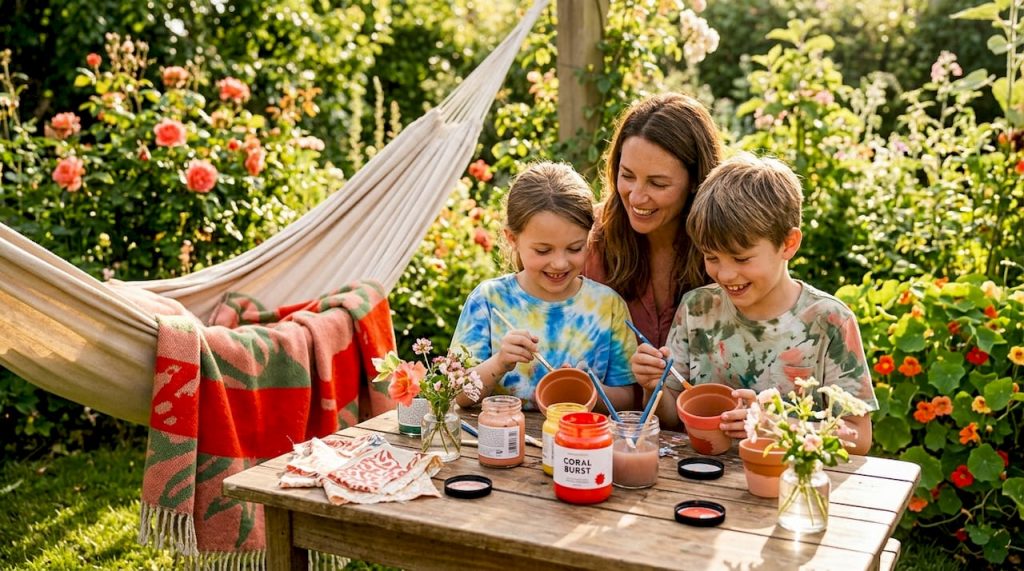
Discover engaging summer hobby ideas for all ages! Find the perfect activity based on your schedule, skill level, and energy. Start your summer right!
Summer stretches out in front of you like a blank canvas, full of possibility. But with so many summer hobby ideas floating around, that canvas can quickly feel overwhelming rather than exciting. Tie-dye or hiking? Gardening or farm stays? Something the whole family can do, or a solo pursuit that’s finally just yours? Choosing well means matching the right activity to your real schedule, skill level, and energy. This guide cuts through the noise with a practical framework and a curated set of hobbies that genuinely deliver joy, learning, and memories worth keeping.
Table of Contents
- How to choose the right summer hobby: key criteria to consider
- Creative summer hobbies: DIY crafts for all ages and skill levels
- Outdoor summer hobbies: hiking and exploration with safety in mind
- Hands-on learning hobby: farm volunteering with WWOOF
- Comparing popular summer hobbies: crafts, hiking, and structured volunteering
- Rethinking summer hobbies: focus on planning and rhythm over activity choice
- Get started with home improvement and creative projects this summer
- Frequently asked questions
Key Takeaways
| Point | Details |
|---|---|
| Choose hobbies by criteria | Selecting summer hobbies based on time, skill, and safety ensures fun fits real life. |
| Time-boxed crafts win | Crafts with clear time and difficulty estimates make summer creativity manageable. |
| Plan for heat safety | Hydration and timing are critical for safe outdoor hobbies in hot weather. |
| Structured hobbies last | Repeatable, community-based activities like WWOOF offer durable summer engagement. |
| Logistics matter most | Success in summer hobbies is about planning mess, timing, and resources, not just activity choice. |
How to choose the right summer hobby: key criteria to consider
Before you buy supplies or book a trail, it pays to run any hobby idea through a simple four-point check. Getting this right upfront saves you from the classic summer trap: starting something enthusiastic on a Tuesday and abandoning it by Friday.
Time availability. Be honest about your schedule. A weekend hiker has different needs than someone with three free hours every afternoon. Choosing projects with clear time estimates and defined difficulty ratings is the single biggest driver of whether a summer activity actually sticks. Look for hobbies that have a natural stopping point so they don’t bleed into everything else.
Skill level. Nothing kills enthusiasm faster than picking a project that’s three levels above your current ability. Matching difficulty to experience matters enormously, whether you’re a toddler finger-painting or an adult attempting macramé for the first time. Start one notch below where you think you should be. You can always scale up.
Setting. Summer offers glorious options for outdoor activities, but indoor hobbies have their own appeal, especially during heat waves. Think honestly about your home setup, your yard space, and your family’s comfort with the outdoors. Some of the best summer hobby ideas work beautifully in both settings depending on the day.
Safety. This one gets overlooked until it really shouldn’t. Summer heat is not just uncomfortable; it’s genuinely dangerous. Heat-related illness follows predictable patterns, and most cases are preventable with basic hydration and timing adjustments. Always plan outdoor activities for early morning or early evening, carry water, and know the warning signs of heat exhaustion.
Here is a quick checklist to apply before committing to any summer hobby:
- Can you realistically do this 2 to 3 times per week without stress?
- Do you have the materials, tools, or access needed to start within a week?
- Is this appropriate for everyone who will be participating?
- Have you accounted for heat, sun exposure, or physical demands?
- Does it excite you enough to return to it after a bad first session?
With that framework in hand, you’re ready to look at specific options. And don’t worry if summer fitness tips are also on your list. Many of the best hobbies double as light exercise in a way that feels nothing like working out.
Creative summer hobbies: DIY crafts for all ages and skill levels
Few things beat a creative project for sheer accessibility. You can do summer crafting ideas at the kitchen table, on the back porch, or spread across a picnic blanket. No gym membership, no special trail access, no weather dependency. Just materials, imagination, and the satisfying feeling of making something with your hands.
The 2026 guide from PatPat organizes creative projects by age group and skill level with time and difficulty guidance, which makes planning genuinely easy. Here are ten standout craft ideas organized by who they work best for:
| Craft project | Best age group | Time needed | Difficulty |
|---|---|---|---|
| Finger-paint canvas art | Toddlers (2 to 4) | 20 minutes | Easy |
| Paper plate ocean animals | Kids (5 to 8) | 30 minutes | Easy |
| Seashell wind chimes | Kids (6 to 10) | 30 minutes | Easy |
| Tie-dye t-shirts | Kids to teens | 45 minutes | Easy |
| Friendship bracelets | Teens (10 plus) | 45 to 60 minutes | Medium |
| Pressed flower bookmarks | All ages | 30 minutes | Easy |
| Painted rock garden markers | All ages | 40 minutes | Easy |
| Macramé plant hangers | Adults | 2 hours | Medium |
| Upcycled denim tote bag | Teens to adults | 1.5 hours | Medium |
| Mosaic stepping stones | Adults | 2 to 3 hours | Hard |
A few of these deserve a closer look because they punch above their weight in terms of what you get out of them.
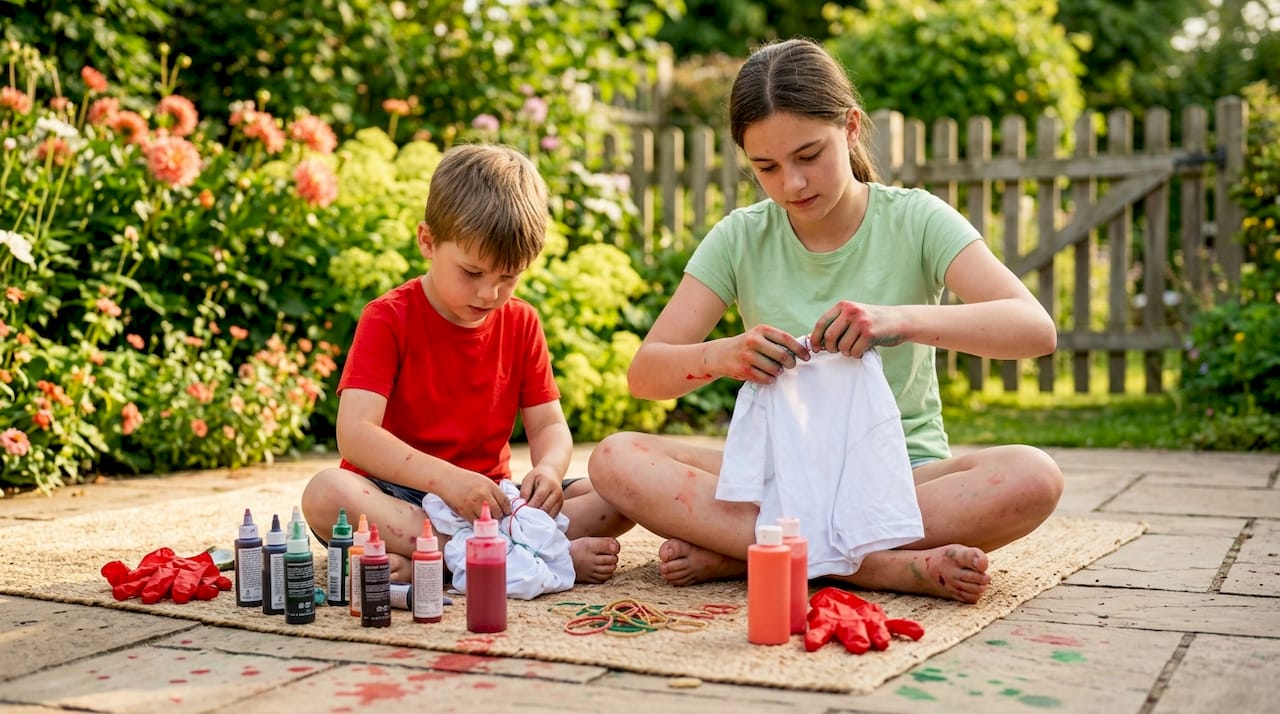
Tie-dye t-shirts are a family classic for a reason. You get bold, satisfying results with inexpensive supplies, and the whole process takes about 45 minutes of active time (plus a soak overnight). The unpredictability of the dye pattern means everyone’s shirt looks different, which kids absolutely love. It turns a simple craft into a conversation piece.
Seashell wind chimes work especially well if your family has spent time near the ocean and collected shells. String them with fishing line, add a driftwood rod at the top, and you have a piece of outdoor decor that actually means something. The whole project costs almost nothing and connects summer memories to a tangible object.
Macramé plant hangers are having a genuine moment as one of the more popular best hobbies for summer among adults. The knot-tying technique is methodical in a way that feels almost meditative. You only need cotton cord and a wooden dowel to get started, and there’s a huge community of tutorials online to guide you through.
Pro Tip: Set up a dedicated craft station with a drop cloth and labeled supply bins before the summer starts. Lowering the setup barrier from 10 minutes to 30 seconds is often the difference between a craft getting done or getting skipped.
If you love the idea of turning these projects into lasting home decor, exploring DIY home decor tutorials can take your summer crafting ideas from table project to wall-worthy display. And for more DIY summer crafting tips on organizing your creative time, there’s a wealth of practical guidance to dig into.
Outdoor summer hobbies: hiking and exploration with safety in mind
Getting outside this summer can feel electric. The smell of pine on a shaded trail, the sound of moving water, the visual reward at the top of even a modest climb. Hiking is one of the most satisfying outdoor activities precisely because the investment is low and the return is high. But summer hiking comes with real risks that deserve honest attention before you lace up.
Heat stroke prevention centers on two fundamentals: staying hydrated and planning around peak heat periods. The guidelines from the Wilderness Medical Society are clear that most heat illness is preventable. The hottest window is typically 11 a.m. to 3 p.m. Start your hikes by 7 a.m. or wait until 5 p.m. Carry more water than you think you need. Electrolyte tablets are cheap insurance.
“The best outdoor experience is the one you come home safely from. Planning your timing and water intake isn’t caution — it’s just smart hiking.”
Here’s what a well-prepared summer hiking kit looks like:
- Minimum 2 liters of water per person for hikes under 3 hours
- Electrolyte packets or drinks for hikes over 90 minutes
- Sun-protective clothing and a wide-brim hat
- Sunscreen reapplied every 90 minutes
- A basic first-aid kit with blister treatment
- A fully charged phone and a downloaded offline trail map
- A light emergency blanket in case of unexpected weather
For families just starting out with trail hiking, Lynn Canyon Park in North Vancouver is a beautifully accessible option. It offers multiple trails of varying difficulty, a suspension bridge, swimming holes, and an ecology center that turns the whole day into an educational experience. There’s even a café on site, which makes it easy to plan a full family outing without packing every single thing from home.
Pro Tip: Let kids lead the pace on family hikes, even if it means going slower than you’d like. Children who feel in control of the experience are far more likely to ask to go again.
For more trail inspiration, browsing outdoor hiking spots can open up destinations you might not have considered. Pairing trail time with good summer hiking fitness tips also helps you build the stamina to tackle more rewarding routes as the season progresses.
Hands-on learning hobby: farm volunteering with WWOOF
Here’s a summer hobby idea that most people have never considered, and it’s one of the most genuinely transformative options on this list. WWOOF, which stands for World Wide Opportunities on Organic Farms, connects volunteers with host farms where you work a few hours each day in exchange for meals and accommodation. It is equal parts hobby, education, and adventure.
WWOOF connects over 100,000 volunteers with 12,000 host farms across 130 countries, and has been running since 1971. That’s a network broad enough to find a farm that fits your interests precisely, whether you want to learn beekeeping in Vermont, grow lavender in Provence, or tend vegetables on a Japanese mountain homestead.
What makes this one of the more compelling fun summer pastimes for adults is the built-in rhythm. You’re not staring at a blank afternoon wondering what to do. Your day has structure: morning work, meals together, afternoons often free for exploring the local area. That rhythm is genuinely good for mental well-being in a way that open-ended leisure sometimes isn’t.
Here’s what draws people to WWOOF as a seasonal activity:
- Learning real skills like composting, seed saving, irrigation, and animal care
- Reducing costs since food and lodging are covered by the host
- Meeting a global community of like-minded travelers and farmers
- Building something meaningful over weeks rather than just experiencing a single afternoon
- Supporting sustainable agriculture in a hands-on, direct way
The one honest caveat: this is physical work. You’ll be outdoors in warm weather, often for three to five hours each morning. That makes heat safety, hydration, and rest just as important here as it is on a recreational hike. WWOOF volunteering is best suited to people who want a summer hobby with real depth and don’t mind getting their hands genuinely dirty.
For inspiration on how to build a lifestyle around engaging lifestyle activities like this, there’s no shortage of practical direction to explore.
Comparing popular summer hobbies: crafts, hiking, and structured volunteering
Now that you have a feel for each option, here’s how they stack up side by side. This comparison is designed to help you make a quick, clear decision based on what your summer actually looks like.
| Factor | DIY crafts | Hiking | WWOOF volunteering |
|---|---|---|---|
| Time commitment | 30 min to 3 hours | 1 to 6 hours | Several weeks |
| Skill required | Low to medium | Low to medium | Low (willingness to learn) |
| Setting | Primarily indoor | Outdoor | Outdoor and rural |
| Best for | Families, all ages | Families, solo hikers | Adults, solo travelers |
| Social aspect | Moderate (family, friends) | Low to moderate | High (live-in community) |
| Cost | Low | Low to moderate | Very low (room and board covered) |
| Heat safety concern | Low | High | High |
| Learning depth | Moderate | Low to moderate | Very high |
A few things stand out from this comparison that are worth naming directly.
- Crafts are the most accessible entry point for choosing summer hobbies because they require almost no logistical planning
- Hiking has the best strength-to-cost ratio for active families, but time-and-cooling logistics are essential for safe outdoor summer activities
- WWOOF offers the deepest learning but demands the most commitment
“The right summer hobby isn’t the most exciting one on paper. It’s the one that fits your actual life well enough that you do it more than twice.”
Pro Tip: If you’re trying to decide between hiking and crafting for a family, try both in the same week before committing any real resources. A single afternoon on a local trail and one evening craft session will tell you more than any comparison table can.
Finding a fitness and hobby balance matters too, particularly if you’re mixing active outdoor pursuits with quieter creative ones. The two complement each other beautifully.
Rethinking summer hobbies: focus on planning and rhythm over activity choice
Here’s the thing most summer hobby articles don’t tell you: the hobby itself matters less than you think. What actually determines whether you stick with something and genuinely enjoy it is the planning structure around it.
We’ve all seen it happen. Someone decides to take up watercolor painting, buys a beautiful set, and then never opens it because setup feels like effort at the end of a tired day. Or a family plans ambitious hikes all summer and abandons the plan after two weeks because no one accounted for the midday heat. The activity wasn’t wrong. The planning was.
Choosing projects with defined time commitments and mess management built in predicts family craft success far better than the specific craft chosen. That same principle applies across all summer hobbies. Define when you’ll do it, for how long, and what the cleanup or cool-down looks like. Make the decision once, not every time.
Rhythm is the secret ingredient. A repeatable structure, even just “Saturday morning hike” or “Wednesday evening craft,” removes the decision fatigue that kills most new hobbies. You’re no longer choosing whether to do it. You’re just doing it because that’s what Saturday mornings are for.
Heat planning deserves its own place in this conversation. It’s not just a safety issue. It’s a scheduling discipline. Knowing you’ll hike at 7 a.m. and be done by 9 a.m. changes the entire feel of the activity from stressful to invigorating. The same hike at 1 p.m. is miserable and potentially dangerous.
For families specifically, managing craft mess is a real logistical challenge that doesn’t get enough attention. A dedicated craft bin, a vinyl tablecloth, and a clear “we clean up before dinner” rule transform a chaotic craft session into something everyone actually wants to repeat. The experience doesn’t have to be perfect. It just has to be repeatable enough to become a ritual.
The real skill behind a great summer isn’t picking the right hobby from a list. It’s building the conditions where any good hobby can thrive. Explore summer hobby planning resources to help you design those conditions intentionally.
Get started with home improvement and creative projects this summer
If this guide has sparked some genuine excitement about how to spend your summer, the next step is putting that inspiration into motion. Lizard’s Lunch has everything you need to go from “that sounds interesting” to fully underway. Dive into home improvement tips that help you create a better space for your new hobby, whether that means a craft corner, a garden workspace, or an organized garage for your gear. Explore DIY home decor tutorials to turn your craft projects into beautiful additions to your living space. And if your summer plans involve outdoor activities, check out the summer fitness ideas to build the energy and stamina to make the most of every adventure.
Frequently asked questions
What are some quick and easy summer crafts for beginners?
Easy summer crafts include tie-dye t-shirts, seashell wind chimes, and paper plate ocean animals, which require minimal materials and about 20 to 45 minutes to complete. These projects are ideal for beginners of any age and need no special equipment.
How can I stay safe while hiking in the summer heat?
Prevent heat illness by drinking to thirst, scheduling hikes outside the hottest midday hours, and being prepared to cool down and seek help quickly if symptoms arise. Carrying electrolytes and a fully charged phone are simple habits that make a real difference.
What is WWOOF and how does it work as a summer hobby?
WWOOF links volunteers with organic farms worldwide where they work several hours each day, learn sustainable farming practices, and experience cultural exchange with meals and lodging provided by the host. It has operated since 1971 and now spans 130 countries.
Can summer hobbies help with family bonding and children’s development?
Yes, and the benefits are more specific than people often realize. Children who engage in crafts and outdoor activities show improved creativity and problem-solving skills, while the shared experience builds trust and communication between family members in ways that screen-based activities simply don’t.


















Leave a Comment
Your email address will not be published. Required fields are marked with *