
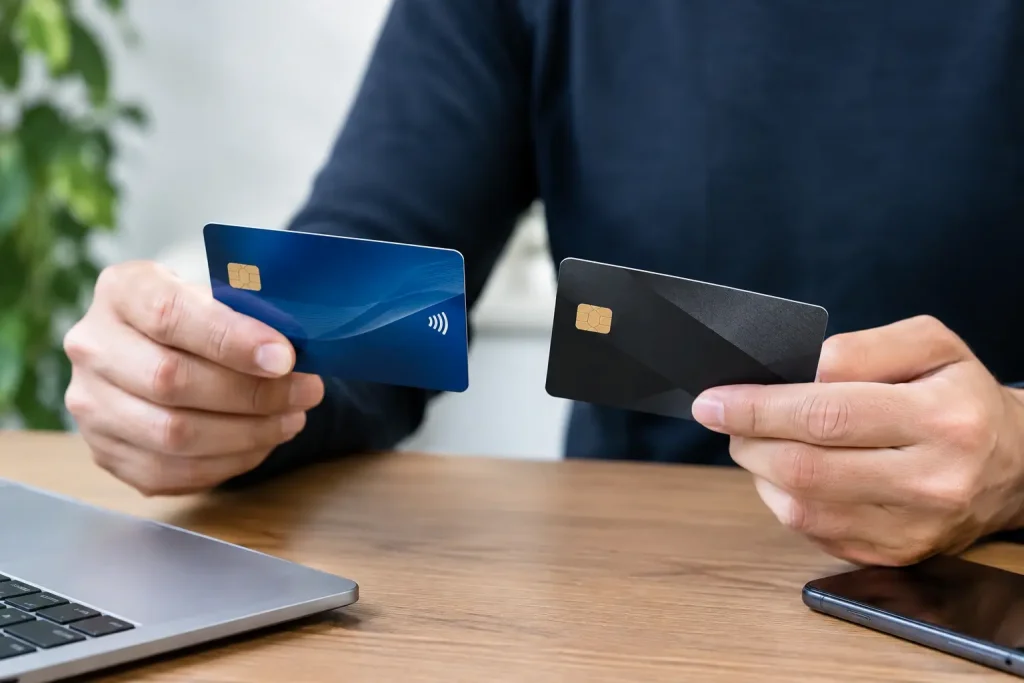
Debit versus credit cards affect your budget, fraud protection, credit score, and rewards. Learn when each payment method makes sense for you every day.
A $60 grocery run, a hotel reservation, an online purchase from an unfamiliar store – each can call for a different payment choice. The debit versus credit cards question is not really about which plastic is better. It is about how much protection, spending control, and flexibility you need for a specific transaction.
For many households, the practical answer is to use both strategically. A debit card can make everyday spending feel immediate and manageable, while a credit card can offer stronger purchase protections and a path to building credit. Knowing the trade-offs helps you avoid fees, interest, and unnecessary risk.
Debit Versus Credit Cards: The Core Difference
A debit card pulls money directly from your checking account. When you buy lunch or pay for gas, the funds are generally taken from the money you already have available. That makes debit a straightforward tool for spending within a set budget.
A credit card lets you borrow from a card issuer up to an approved limit. You receive a monthly statement and can either pay the full balance by the due date or carry some of it into the next month. Paying the statement balance in full typically avoids interest on purchases, but carrying a balance can become expensive quickly.
The distinction matters because the source of the money changes your risk. With debit, unauthorized activity can temporarily tie up cash you need for rent, bills, or groceries. With credit, fraud usually affects the lender’s available credit first, though you still need to report suspicious charges promptly.
When a Debit Card Makes the Most Sense
Debit cards are a solid choice when your main priority is spending only what is in your account. For people rebuilding a budget, avoiding debt, or managing variable income, that direct connection can be useful. You do not have to track a future bill or worry about interest accumulating.
Debit can work especially well for routine, low-risk purchases such as a familiar grocery store, local coffee shop, or recurring bill you have already reviewed. It is also useful for withdrawing cash at your bank’s in-network ATM, since credit card cash advances commonly come with fees and begin accruing interest right away.
That said, a debit card is not automatically fee-free. If you spend more than your available account balance, overdraft fees may apply depending on your bank settings and whether you opted into certain overdraft services. Some banks decline the transaction instead, which can be inconvenient but may save you money.
Debit helps create a clear spending boundary
Seeing the checking account balance drop after each purchase creates a feedback loop that many people find helpful. If a weekly food budget is $150, paying with debit makes it easier to see whether you are nearing the limit without mentally setting aside money for a future card payment.
This benefit can disappear if you routinely use overdraft coverage or fail to account for pending transactions. Keep a small cushion in checking, review transactions regularly, and know your bank’s overdraft policies before assuming every debit purchase is safely covered.
When a Credit Card Is the Better Choice
Credit cards tend to be more useful for purchases where protection, flexibility, or rewards matter. Think travel bookings, electronics, furniture, online orders, and anything expensive enough that a problem would be frustrating to resolve.
Most major credit cards provide $0 fraud liability as a cardholder benefit, provided you report the issue quickly. Federal law also limits consumer liability for unauthorized credit card use in many cases. Debit cards have fraud protections too, but reporting delays can lead to greater liability and, more immediately, the missing money may come out of your bank account while the dispute is investigated.
Credit can also be more practical for a hotel or rental car. These businesses may place a temporary hold for incidentals. A large hold on a debit card can reduce the cash available in your checking account, while a hold on a credit card generally uses part of your credit limit instead.
Credit cards can build credit, but only with good habits
Responsible use of a credit card can help establish a credit history. Payment history and credit utilization, or the percentage of your available credit you are using, can influence your credit scores. Paying on time is essential, and keeping reported balances relatively low can be helpful.
The key phrase is responsible use. A card does not improve your financial position simply because you have one. Late payments, high balances, and maxed-out limits can hurt your credit and cost far more than any rewards points are worth.
A simple approach is to put predictable purchases on one card, then set up automatic payments for the full statement balance. Check the account regularly anyway. Autopay is useful, but it does not replace reviewing charges for errors or fraud.
Rewards Are Valuable Only If You Avoid Interest
Cash back, travel points, store discounts, and purchase perks can make credit cards appealing. A card earning 2% cash back on groceries can provide a modest return on spending you would make anyway. But rewards are not a discount if you carry a balance at a high annual percentage rate.
For example, earning $20 in cash back while paying $75 in interest is not a win. If you are currently paying down card debt, consider using a debit card for new discretionary purchases until you have a reliable payoff plan. The best card reward is often avoiding interest altogether.
Store-branded cards deserve extra caution. Their introductory offers can be tempting, but they may have higher interest rates or rewards that are limited to one retailer. Compare the ongoing value, not just the sign-up discount at the checkout screen.
A Quick Way to Choose at Checkout
Before paying, consider the purchase itself and your current cash flow. Debit may be the better fit if it is a routine purchase, you have enough money set aside, and using credit might encourage overspending. Credit may be preferable if the transaction is online, involves a deposit or authorization hold, costs enough to make purchase protection useful, or earns rewards you can use without carrying a balance.
For subscriptions and recurring services, either option can work, but review them often. A credit card can prevent an unwanted charge from draining your checking account, while a debit card can make it easier to keep spending tied to available cash. The best choice depends on whether protection or tighter day-to-day limits matter more to you.
Common Mistakes to Avoid
The biggest mistake is treating a credit limit like income. Your limit is borrowed money, not extra room in your budget. Build your spending plan around take-home pay and savings goals, then use the card as a payment method rather than a financing plan.
Another common problem is using debit for a purchase without considering the merchant. An unfamiliar website, an overseas booking, or a seller offering a deal that seems too good to be true may present a higher fraud or dispute risk. A credit card is often the safer first choice in those situations.
Finally, do not assume a dispute means an automatic refund. Save receipts, order confirmations, and communication with the merchant. Contact the seller first when appropriate, then notify your bank or card issuer promptly if the issue is not resolved.
Use the Card That Supports Your Next Move
There is no prize for using only debit or only credit. A debit card can protect a carefully planned spending limit. A credit card can provide useful safeguards and benefits when it is paid in full each month. Keep both tools available, choose based on the purchase in front of you, and let your budget make the final call.

















Leave a Comment
Your email address will not be published. Required fields are marked with *