

Discover effective energy saving tips 2026 to reduce bills and live greener. Learn easy habits and smart upgrades for real savings.
Home energy management in 2026 is defined by one clear principle: the biggest savings come from layering simple behavioral changes on top of smart technology and targeted home upgrades. Home heating and cooling account for more than 52% of the average electricity bill, making temperature control the single highest-leverage place to start. Whether you own your home or rent, the energy saving tips 2026 demands are practical, tiered, and built for real budgets. This guide walks you through every level, from free habits you can adopt today to upgrades that pay back within two years.
1. Adjust your thermostat settings first
Thermostat behavior is the fastest way to cut your heating and cooling bill. Lowering your thermostat by just 1°C saves €60–€120 annually. That single adjustment costs nothing and takes thirty seconds.
Going further, setting your thermostat back 7–10 degrees when you sleep or leave the house adds another 10% in savings on top of your baseline reduction. Most households never use this feature, even when their thermostat supports it.
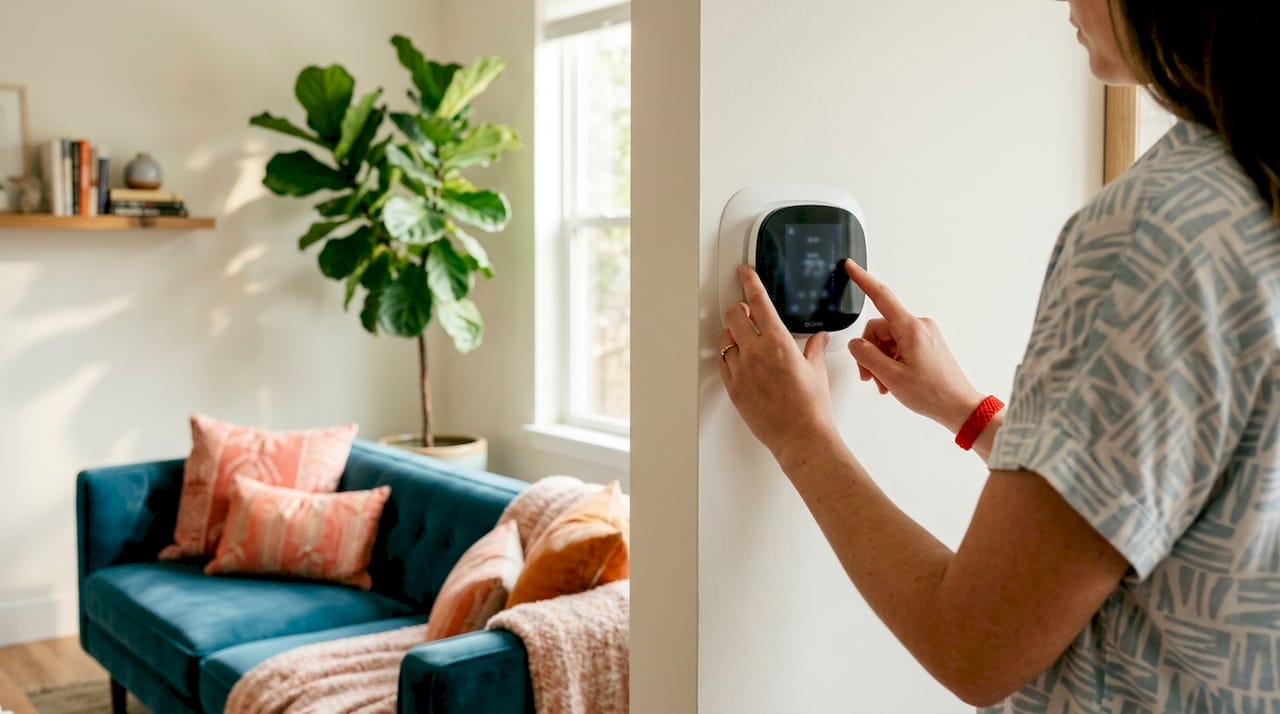
The difference between a programmable thermostat and a true smart thermostat matters here. A programmable model follows a fixed schedule you set manually. A smart thermostat adapts based on occupancy and actual usage patterns, learning when rooms are empty and adjusting automatically. That adaptive behavior produces superior savings over time compared to any fixed schedule.
Pro Tip: Lowering your combi boiler flow temperature is a free adjustment that most plumbers never mention. This one change can reduce your gas bill by £65–£100 annually without affecting comfort in most homes.
Regular HVAC maintenance also matters. Dirty filters force your system to work harder, raising energy use without raising comfort. Replacing filters every 90 days and sealing leaky ducts keeps your system running at full efficiency.
2. Stop standby power from draining your wallet
Standby power, sometimes called “vampire power,” is the electricity your devices consume while switched off but still plugged in. TVs, game consoles, phone chargers, and microwaves all draw power in standby mode. Across a full year, this adds up to a meaningful portion of your bill.
The fix is straightforward. Unplug devices you are not using, or plug them into a power strip with an on/off switch. Switching off the strip cuts power to everything at once. This habit costs nothing and takes seconds.
No-cost behavioral changes like this one, combined with washing clothes in cold water and air drying, deliver immediate savings with zero investment. Cold water washing uses significantly less energy than hot cycles and is gentler on fabrics.
Pro Tip: Check your electronics for an “eco mode” or “energy saving” setting in the display or power menu. Activating this on your TV alone can reduce its energy draw by up to a third.
Switching to LED bulbs in every fixture is one of the highest-return low-cost moves available. LEDs use a fraction of the energy of incandescent bulbs and last years longer. Turning off lights in unused rooms compounds those savings further.
3. Use efficient cooking habits every day
Cooking accounts for a surprisingly large share of daily energy use. Small technique changes add up across hundreds of meals per year. Covering pots while boiling water brings it to temperature faster and uses less energy. Boiling only the amount of water you actually need, rather than filling the kettle to the top, cuts energy use on every single cup of tea or pot of pasta.
Using the residual heat in an electric oven during the last few minutes of cooking is another underused trick. Turn the oven off five minutes early and let the retained heat finish the job. The food cooks fully and you save energy on every meal.
Microwaves and air fryers use far less energy than conventional ovens for smaller portions. Matching the cooking method to the meal size is a simple habit that reduces your kitchen’s energy footprint without changing what you eat.
4. Seal your home against heat loss
Draught-proofing is one of the most cost-effective upgrades available to both homeowners and renters. Draught-proofing and loft insulation typically pay back in under two years, with draught-proofing alone saving €30–€80 annually and loft insulation saving €150–€400 per year.
Sealing gaps around doors, windows, and ducts prevents conditioned air from escaping. Weatherstripping kits cost very little and most renters can install them without landlord permission. The payback period on these materials is often measured in weeks, not years.
| Upgrade | Typical annual saving | Payback period |
|---|---|---|
| Draught-proofing | €30–€80 | Under 1 year |
| Loft insulation | €150–€400 | 1–2 years |
| Hot water cylinder jacket | €30–€50 | Under 1 year |
| Radiator reflector panels | €15–€30 | Under 1 year |
Hot water cylinder jackets and radiator reflector panels are two more low-cost upgrades that most homeowners overlook. A jacket keeps your hot water tank insulated so it loses less heat between uses. Reflector panels sit behind radiators and bounce heat back into the room instead of letting it absorb into the wall.
For a deeper look at insulation options and their impact, the type of insulation you choose matters as much as where you install it. Mineral wool, spray foam, and rigid board each suit different applications and budgets.
5. Consider a heat pump for long-term savings
Heat pumps are now the dominant home heating technology in many markets. Heat pumps outsold gas furnaces for the fourth consecutive year, with 3.6 million units shipped in 2025. That adoption rate reflects a clear shift in how homeowners heat their homes.
The financial case is strong. Heat pump adoption saves €200–€1,000 annually compared to older gas or electric heating systems. The exact saving depends on your home size, climate, and the efficiency rating of the unit you choose. Most modern heat pumps carry a Coefficient of Performance (COP) rating above 3, meaning they produce three units of heat for every one unit of electricity consumed.
Renters face more barriers here since installing a heat pump requires landlord approval and structural access. However, renters can advocate for upgrades by sharing the financial case with landlords, who benefit from higher property values and lower maintenance costs over time.
Financial incentives are available in many U.S. states and European countries to offset the upfront cost. Checking for federal tax credits, state rebates, and utility incentives before purchasing can significantly reduce your out-of-pocket expense. The top energy-efficient home upgrades guide at Lizardslunch covers the most common mistakes homeowners make when choosing heating systems.
6. Get a smart meter and actually use the data
Smart meters are now standard in many utility markets, but most households treat them as passive monitors. The real value of a smart meter is the data it generates. Smart meter value lies in using that data to switch tariffs and manage when you run heavy appliances.
Data literacy is as important as the hardware itself. Reading your usage patterns reveals which appliances consume the most power and at what times. That knowledge lets you make targeted changes rather than guessing.
Dynamic tariffs, also called time-of-use tariffs, charge different rates depending on the time of day. Electricity is cheapest during off-peak hours, typically late at night or early morning. Shifting heavy appliance use to those windows cuts electricity bills by 20–35% without any change to your lifestyle.
- Run your dishwasher after 10 p.m.
- Schedule washing machine cycles for early morning.
- Charge electric vehicles overnight on off-peak rates.
- Use delayed-start settings on dryers and dishwashers.
- Avoid running multiple high-draw appliances simultaneously during peak hours.
Electric vehicle owners gain the most from time-of-use tariffs. Overnight charging at off-peak rates can cut the cost of charging dramatically compared to daytime rates. The EV benefits guide at Lizardslunch breaks down exactly how much homeowners save by pairing an EV with a dynamic tariff plan.
7. Embrace the right-to-repair mindset
Sustainability in 2026 is increasingly about financial stability and product durability, not ideology. Right-to-repair laws now cover over 25% of the U.S. market, making it easier and cheaper to fix appliances rather than replace them. A repaired washing machine uses no manufacturing energy. A replaced one does.
The secondhand market for appliances and tools is growing rapidly. Buying a certified refurbished refrigerator or dishwasher gives you a working, energy-rated appliance at a fraction of the new price. Many refurbished units carry energy efficiency ratings comparable to new models.
When you do buy new, checking the Energy Star rating is the minimum standard. Energy Star certified appliances meet strict efficiency guidelines set by the U.S. Environmental Protection Agency. Choosing the highest-rated model in your budget category reduces your running costs for the life of the appliance.
- Buy refurbished or secondhand appliances when possible.
- Repair before replacing using right-to-repair resources.
- Check Energy Star ratings on every new appliance purchase.
- Look for utility rebates on high-efficiency models.
- Choose durable products with long manufacturer warranties.
Simple lifestyle adaptations support long-term savings without requiring major purchases. Air drying laundry instead of using a dryer, using cold water for most washing, and reducing overall consumption all lower your energy footprint steadily over time.
8. Prepare your home for seasonal energy peaks
Winter and summer are when energy bills spike most sharply. Preparing your home before each season arrives prevents reactive spending on heating and cooling. Winter preparation covers the practical steps that reduce heating demand before temperatures drop.
Checking window seals in early fall costs nothing. Replacing worn weatherstripping before the first cold snap prevents heat loss all winter. Adding thermal curtains to north-facing windows keeps cold air from radiating into rooms overnight.
In summer, the same logic applies in reverse. Blocking direct sunlight with blinds or external shading reduces the cooling load on your air conditioner. A ceiling fan set to run counterclockwise in summer creates a wind-chill effect that lets you raise the thermostat by 2–4 degrees without feeling warmer. That thermostat adjustment alone translates directly into lower cooling costs.
Seasonal maintenance checks on your HVAC system, including cleaning coils, checking refrigerant levels, and clearing debris from outdoor units, keep the system running at peak efficiency when demand is highest.
Key takeaways
The most effective home energy strategy in 2026 starts with free behavioral changes, layers in low-cost upgrades, and reserves larger investments for proven technologies like heat pumps and smart metering.
| Point | Details |
|---|---|
| Start with thermostat behavior | Adjusting temperature by 1°C and using setbacks saves €60–€120 or more annually at zero cost. |
| Seal before you spend | Draught-proofing and insulation pay back in under two years and reduce heating costs significantly. |
| Use smart meter data actively | Reading usage patterns and shifting to off-peak hours cuts bills by 20–35% without lifestyle changes. |
| Heat pumps deliver long-term ROI | Replacing older heating systems with a heat pump saves €200–€1,000 annually depending on home size. |
| Repair and buy secondhand | Right-to-repair laws and growing secondhand markets make durable, efficient living more accessible than ever. |
Our team’s take on energy saving in 2026
Our team at Lizard’s Lunch has spent considerable time reviewing what actually works for homeowners and renters versus what sounds good in theory. The honest observation is this: most people skip straight to researching heat pumps or solar panels before they have sealed a single draught or checked their thermostat schedule. That ordering costs them money.
The tiered approach works because it builds momentum. Free changes deliver immediate results on your next bill. That visible progress motivates the next step. Low-cost upgrades like draught-proofing and LED bulbs compound those savings. By the time you are ready to evaluate a heat pump or dynamic tariff plan, you already understand your home’s energy behavior and can make a genuinely informed decision.
Renters face real constraints here. Many of the best upgrades require landlord approval. But behavioral changes, smart power strips, LED bulbs, and time-of-use tariff switching are all fully accessible to renters. The 20–35% saving from off-peak appliance timing requires nothing more than a smart meter and a willingness to run your dishwasher at night.
Data literacy is the skill most energy guides ignore. Installing a smart meter without reading the data is like buying a gym membership and never going. The homeowners who see the biggest reductions are the ones who check their usage weekly, identify the biggest draws, and make targeted changes. That habit costs nothing and compounds every month.
— Our Team at Lizard’s Lunch
Practical resources for a lower-energy lifestyle
Reducing your energy footprint connects naturally to a broader shift toward intentional, simpler living. At Lizardslunch, our guides on minimalism and simple living show how consuming less across every category, from appliances to clothing to gadgets, directly lowers your energy use and your bills. Owning fewer devices means fewer devices drawing standby power. Buying durable goods means fewer replacements and less manufacturing energy. Our home improvement tech guide covers the specific technology upgrades that deliver the best return for homeowners ready to take the next step. Both resources are free and built for readers who want practical guidance, not sales pitches.
FAQ
What is the single fastest way to lower my energy bill?
Adjusting your thermostat by 1°C and activating setback temperatures when you sleep or leave home saves €60–€120 annually at zero cost. This is the highest-return action available to any homeowner or renter.
Do smart meters actually save money?
Smart meters save money only when you use the data they generate. Shifting heavy appliance use to off-peak hours on a dynamic tariff cuts electricity bills by 20–35% without changing your daily routine.
Are heat pumps worth the upfront cost?
Heat pumps save €200–€1,000 annually compared to older gas or electric heating systems, and financial incentives in many states and countries reduce the upfront cost significantly. Most units pay back within several years.
Can renters benefit from energy saving tips in 2026?
Renters can access most behavioral changes, including thermostat setbacks, LED bulbs, cold water washing, off-peak appliance timing, and draught-proofing with removable weatherstripping, without landlord approval.
What does right-to-repair mean for energy savings?
Right-to-repair laws, now covering over 25% of the U.S. market, make it easier to fix appliances rather than replace them. Repairing extends product life, avoids manufacturing energy costs, and keeps functional appliances out of landfills.

















Leave a Comment
Your email address will not be published. Required fields are marked with *