

Explore the vibrant world of European music in 2026! Discover genres, from Europop to Celtic traditions, and meet today’s top artists.
European music is one of the most thrilling and layered collections of sound on the planet. From the polished pop hooks of Sweden to the fiery brass of the Balkans, Celtic fiddle traditions in Ireland, and the experimental electronic scenes of Tallinn and Warsaw, the continent produces a staggering range of styles that continue to shape what the world listens to. Artists like ABBA defined an era, while 2026 names like Zara Larsson, Ed Sheeran, and Olivia Dean carry that tradition forward with fresh energy.
Here is a quick look at what makes this musical world so captivating:
- Europop: Polished, melody-driven pop with global chart appeal
- Balkan music: Complex rhythms, brass instrumentation, and deep folk roots
- Celtic traditions: Fiddle, harp, and vocal harmonies from Ireland, Scotland, and Wales
- Classical heritage: Centuries of orchestral and choral composition from across the continent
- Electronic and experimental: Cutting scenes in Berlin, Tallinn, and beyond
- Folk traditions: Hundreds of distinct regional styles, from Scandinavian to Romani
What are the major European music genres?
Europop is the genre most Americans recognize first, and for good reason. Characterized by polished production, highly catchy melodies, and repetitive choruses, it consolidated in continental Europe from the mid to late 1960s and topped global charts through the 1980s and 1990s. ABBA, the Swedish four-person group, is widely considered the leading representative of classic Europop, achieving significant chart success in the UK and internationally during their peak years in the 1970s and early 1980s. Later, acts like Roxette and Ace of Base brought the sound directly into American mainstream audiences.
Balkan music sits at the opposite end of the spectrum in terms of complexity. Defined by intricate, asymmetric rhythms and instruments like the gadulka, tambura, and violin, it carries centuries of southeastern European tradition. Bands like Fanfare Ciocărlia and Taraf de Haïdouks brought this sound to rock and world music audiences across Europe and the US. Then came BalkanBeats, a fusion genre born in Berlin’s underground scene in the mid-1990s, coined by DJ Robert Soko, which blends traditional Balkan instrumentation with electronic beats. That genre has since spread globally and remains a vibrant, evolving force.
Beyond these two anchors, Europe’s genre map is genuinely vast:
- Celtic music: Rooted in Ireland, Scotland, and Wales, built on fiddle, uilleann pipes, and close vocal harmonies
- Flamenco: Spain’s emotionally charged guitar and vocal tradition, with Moorish and Romani influences
- Chanson: France’s lyric-driven song form, prioritizing poetry and storytelling over production
- Nordic folk: Haunting, drone-based traditions from Scandinavia, often featuring the hardanger fiddle or nyckelharpa
- Classical and opera: Italy, Germany, and Austria gave the world Beethoven, Mozart, Verdi, and Puccini, a legacy that still anchors concert halls worldwide
Pro Tip: If you want to explore beyond mainstream Europop, search for “Nordic folk” or “BalkanBeats” playlists on streaming platforms. These genres reward patient listening and open up entirely new sonic worlds.
How does European music vary by country?
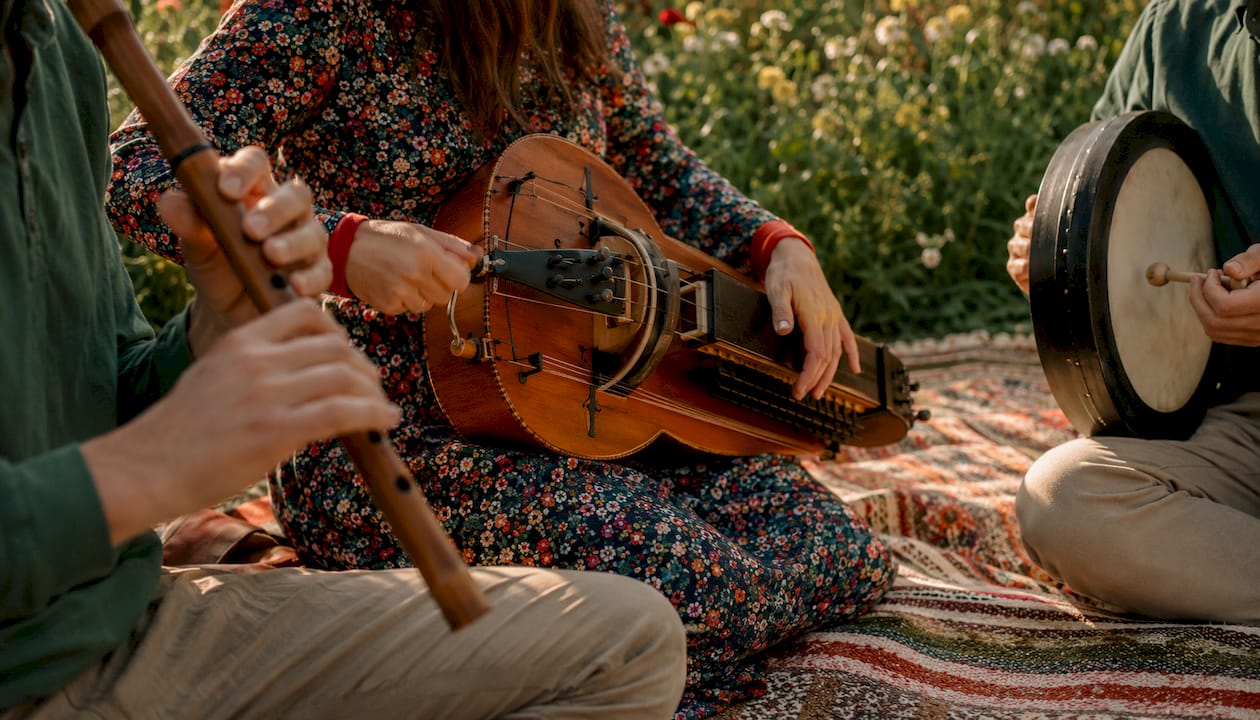
Europe’s musical identity is inseparable from its language diversity. With dozens of languages and regional dialects across the continent, each country’s music carries a distinct vocal character, rhythmic sensibility, and instrumental palette. That variety is part of what makes exploring European traditions so rewarding.
Here is a country-by-country snapshot of traditions and artists worth knowing:
- Sweden: The birthplace of classic Europop via ABBA, and still a pop powerhouse with Zara Larsson leading the current generation
- Ireland: Home to Celtic fiddle traditions, sean-nós singing, and globally beloved acts like U2 and Hozier
- Spain: Flamenco from Andalusia, plus a thriving indie and electronic scene; the Music Moves Europe Awards recognized ROSALÍA as an emerging talent before her global breakthrough
- France: Chanson tradition running from Édith Piaf through contemporary artists, alongside a world-class electronic scene
- Germany: Classical heritage from Bach and Beethoven, plus Berlin’s legendary techno and BalkanBeats underground
- Romania and Bulgaria: Rich Balkan brass and folk traditions, with Fanfare Ciocărlia representing Romania internationally
- United Kingdom: Ed Sheeran and Olivia Dean anchor the contemporary British pop and soul scene, continuing a lineage from The Beatles through Adele
- Estonia: Tallinn’s experimental folk and electronica scene reflects the country’s unique cultural-political identity
Language shapes the music in ways that go beyond lyrics. Hungarian folk uses pentatonic scales that feel genuinely foreign to Western ears. Welsh choral music, known as corawl, builds dense harmonies that feel almost architectural. These are not just stylistic quirks; they are windows into entirely different ways of organizing sound. You can explore some of these localized European scenes to get a feel for how city and regional identity shapes contemporary music.
Who are the top European artists and playlists in 2026?
The European artists dominating 2026 playlists span a wide stylistic range, which is exactly what makes the current moment so exciting for music fans.
- Zara Larsson (Sweden): One of Europe’s most consistent pop exports, blending R&B-influenced production with Europop sensibility. Her tracks appear on virtually every major “European Pop Hits” playlist across streaming platforms.
- Ed Sheeran (United Kingdom): A global phenomenon whose acoustic-driven songwriting sits comfortably alongside both mainstream pop and folk-influenced British traditions. His catalog anchors countless “Best of British” and “European Acoustic” playlists.
- Olivia Dean (United Kingdom): A rising British soul and jazz-pop artist whose warm, intimate sound has earned her a devoted following and placement on “New European Soul” and “UK Emerging Artists” playlists.
- ROSALÍA (Spain): Already a global name, her fusion of flamenco with reggaeton and electronic production continues to redefine what European music can mean in 2026.
Pro Tip: The Music Moves Europe Awards, held annually through the Eurosonic Noorderslag festival, spotlight emerging European artists before they reach mainstream audiences. Past winners include Dua Lipa and ROSALÍA. Checking the annual shortlist is one of the best ways to find your next favorite artist.
For playlist discovery, a few categories consistently deliver:
- “European Pop Essentials” playlists on major streaming platforms capture the Europop lineage from ABBA through Zara Larsson
- “Balkan Beats and Folk Fusion” collections bring together BalkanBeats, traditional brass, and electronic crossovers
- “Celtic and Nordic Folk” playlists offer a quieter, deeply atmospheric alternative to mainstream pop
- “New European Soul and Jazz” playlists feature artists like Olivia Dean alongside French and Scandinavian jazz voices
What shaped the cultural and historical roots of European music?
European folk music has a complicated history. Traditional folk styles were once actively suppressed by Christian authorities during the medieval period, yet over time those same traditions were absorbed and transformed into liturgical and Renaissance music. That tension between suppression and preservation runs through centuries of European musical development, and it is why so many folk traditions carry both a sense of resilience and a deep connection to community identity.
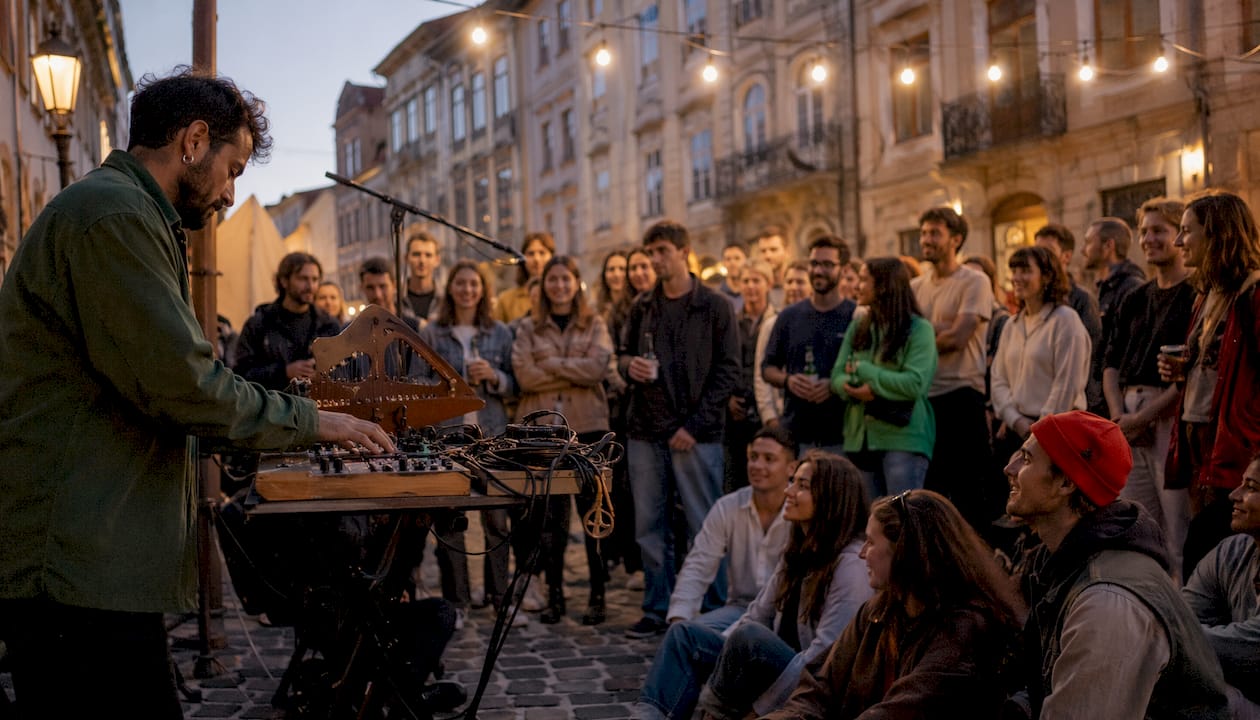
The European Music Council frames music today not just as entertainment but as a catalyst for social cohesion, wellbeing, and community health. Their work emphasizes musician wellbeing and the sustainability of the broader music ecosystem, reflecting a growing recognition that cultural infrastructure needs active support to survive.
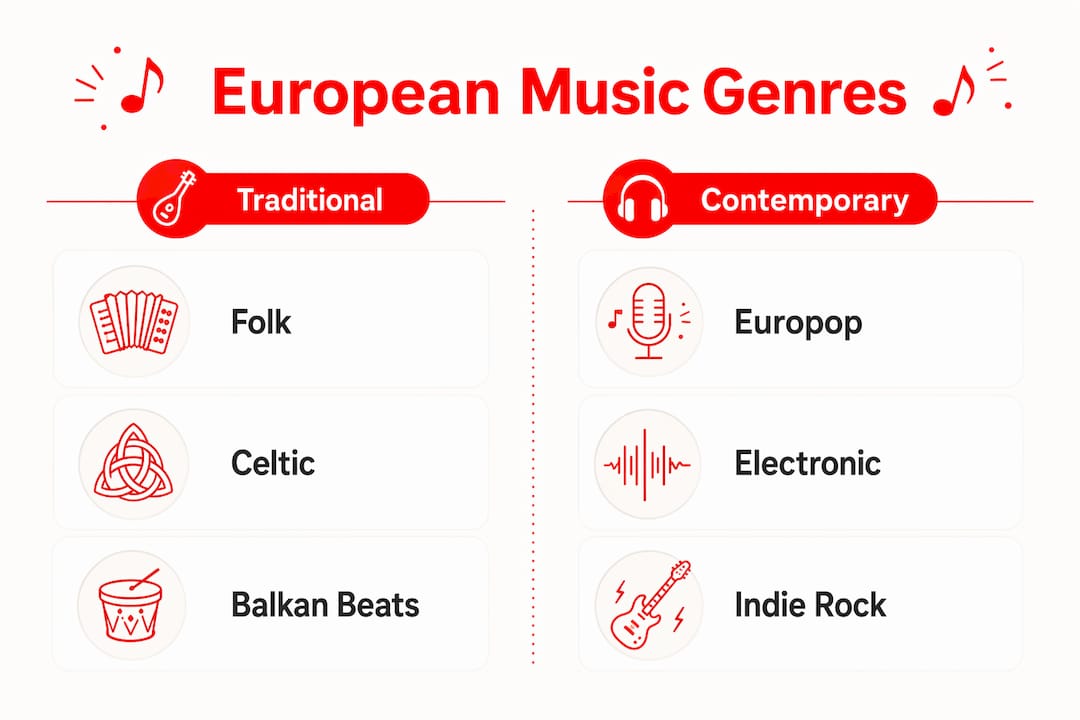
Contemporary localized scenes in cities like Moscow, Tallinn, and Warsaw show how that history plays out in real time. Each city’s music reflects its specific cultural and political context, producing sounds that feel genuinely distinct from mainstream European pop. These scenes reward curious listeners willing to look beyond the obvious playlist categories.
The European Music Exporters Exchange connects a network of 37 export offices across 30 countries, helping artists and music professionals promote authentic European sounds internationally. That infrastructure is part of why American listeners have access to such a wide range of European music today, from niche folk recordings to chart-ready pop.
Pro Tip: If you want to go deep on music discovery, the European Music Exporters Exchange maintains curated databases of artists and export resources organized by country and genre. It is a genuinely useful tool for finding music that has not yet crossed the Atlantic.
Key Takeaways
European music spans centuries of tradition and contemporary innovation, with Europop, Balkan music, Celtic folk, and electronic scenes each offering distinct entry points for curious listeners.
| Point | Details |
|---|---|
| Europop’s global reach | ABBA scored twenty top 10 UK singles; acts like Zara Larsson and Ed Sheeran carry that tradition into 2026. |
| BalkanBeats origin | The genre emerged from Berlin’s underground scene in the mid-1990s, coined by DJ Robert Soko, and is now globally influential. |
| Folk music’s resilience | Traditional European folk was suppressed during the medieval period but was later absorbed into liturgical and Renaissance music traditions. |
| Best discovery tool | The Music Moves Europe Awards, held through Eurosonic Noorderslag, identified Dua Lipa and ROSALÍA before their global breakthroughs. |
| Export infrastructure | The European Music Exporters Exchange unifies 37 export offices across 30 countries to promote diverse European music internationally. |

















Leave a Comment
Your email address will not be published. Required fields are marked with *