
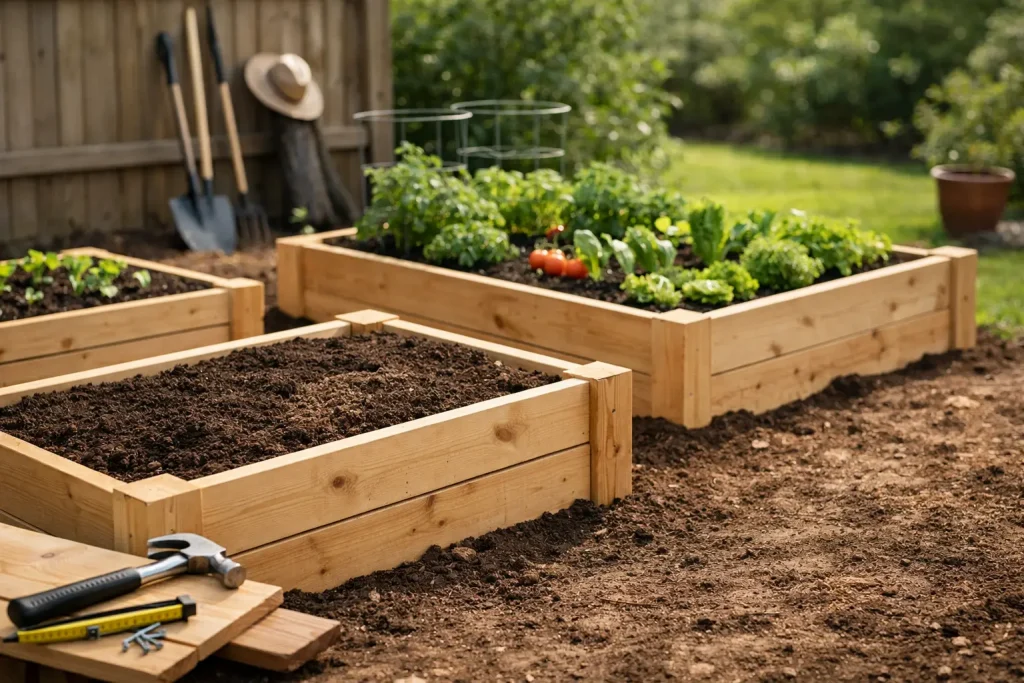
Learn how to build raised garden beds with the right wood, size, soil, and setup so your garden lasts longer and grows better from day one.
A raised bed can fix a lot of common garden headaches fast. If your yard has hard clay, poor drainage, or weeds that seem to win every season, learning how to build raised garden beds is one of the smartest upgrades you can make. It gives you better control over soil, easier access for planting and harvesting, and a cleaner, more organized growing space.
Why raised beds work so well
Raised beds are popular for good reason. They warm up faster in spring, drain better after heavy rain, and let you start with quality soil instead of trying to rescue whatever is already in your yard. That matters whether you want a simple herb patch or a productive vegetable garden.
They also reduce compaction. When you grow in traditional rows, people tend to step near or into the planting area. Over time, that presses air out of the soil and makes root growth harder. A properly sized raised bed keeps the growing space separate from the walking space, which is better for plants and easier on your back.
The trade-off is cost. Lumber, soil, hardware, and mulch add up quickly, especially if you build several beds at once. Still, many gardeners find the cleaner layout and stronger yields worth the upfront investment.
Before you build, choose the right spot
The best raised bed in the wrong location will still disappoint. Most vegetables need at least six to eight hours of direct sun each day, so watch your yard before you start building. A spot that looks bright in the morning may be shaded by a fence or tree in the afternoon.
You also want easy access to water. Hauling a hose across the yard every evening gets old fast, and if watering becomes annoying, the garden usually suffers. Try to place the bed near a spigot, or at least somewhere that works well with your hose length or irrigation setup.
Flat ground is ideal, but a slight slope can still work if you level the bed during installation. Avoid low spots where water collects after rain. Good drainage underneath the bed matters almost as much as good soil inside it.
How to build raised garden beds with the right size
When people first look into how to build raised garden beds, they often focus on materials first. Size matters just as much. A bed that is too wide becomes awkward to plant, weed, and harvest.
For most home gardens, four feet wide is the sweet spot because you can reach the center from either side without stepping into the soil. Length is more flexible. Eight feet is common because it fits standard lumber dimensions and gives you plenty of room without feeling oversized.
Depth depends on what you want to grow and what is under the bed. A height of 10 to 12 inches works for many vegetables, herbs, and flowers. If you are gardening over compacted soil or want better root room for crops like carrots, tomatoes, or peppers, 14 to 18 inches is a safer bet. Taller beds are easier on your knees and back, but they require more soil, which increases the total price.
Pick a material that fits your budget and climate
Wood is the most popular choice because it is affordable, easy to cut, and simple for beginners to assemble. Cedar and redwood last longer because they naturally resist rot, but they cost more. Pine is cheaper and widely available, though it will usually break down sooner.
Pressure-treated lumber used to raise concern for food gardens, but modern versions are generally considered safer than older treatments. Even so, some gardeners still prefer untreated wood for peace of mind. If you want a middle ground, line the inside walls with heavy plastic sheeting, keeping drainage holes clear.
Metal raised beds are another option. They often last longer and have a clean, modern look, but they can heat up more in strong summer sun depending on your climate. Composite boards are low-maintenance, though often more expensive than basic lumber.
For a practical first build, many homeowners stick with untreated cedar or a budget-friendly pine bed they are willing to replace after a few seasons.
Tools and materials you will likely need
This project is straightforward, and most basic backyard builds do not require a workshop full of gear. You will usually need boards cut to size, exterior-grade screws, a drill, a tape measure, a level, a shovel, and work gloves. A saw is helpful if the store does not cut lumber for you.
If you want extra strength, corner posts made from 2×2 or 4×4 lumber help keep the frame square. Hardware cloth can be useful under the bed if burrowing pests are a problem in your area.
Building the frame step by step
Start by marking the bed location and clearing grass, weeds, and rocks. You do not need to dig a deep trench, but you do want the area reasonably level. If the ground is uneven, scrape high spots and fill low ones until the frame sits flat.
Next, assemble the rectangular frame. If you are using four boards, screw the shorter end boards into the longer side boards, or fasten everything into corner posts placed at each inside corner. Check for square by measuring diagonally from corner to corner. If both measurements match, the frame is square.
Set the frame in place and use a level on all sides. This step is worth taking seriously. A bed that is visibly out of level can shift over time and hold water unevenly.
Once it is positioned, you can anchor it if needed. Some gardeners drive rebar or stakes along the outside or inside corners, especially for longer beds. This adds stability in soft ground and helps prevent bowing.
If gophers, moles, or other diggers are common where you live, lay hardware cloth beneath the bed before filling it. Then add cardboard in a thin layer if you want to smother existing grass and weeds. Cardboard breaks down over time and can help suppress growth during the first season.
Filling raised garden beds the smart way
This is where many new gardeners overspend. Filling a large bed entirely with premium bagged soil gets expensive quickly. A better approach is to use quality bulk garden soil if you have access to it, then improve it with compost.
A reliable mix for most raised beds is about 60 percent topsoil, 30 percent compost, and 10 percent aeration material such as coarse sand or a soil conditioner if needed. The exact mix depends on your native conditions and what you plan to grow. If drainage is already excellent, you may not need extra sand at all.
Avoid filling beds with random yard dirt alone. It often compacts too much and may bring weed seeds along with it. Fresh wood chips are also not a soil substitute. They can be useful for pathways, but inside the bed they tie up nitrogen as they decompose.
After filling, water the bed deeply so the soil settles. You may need to top it off again before planting.
What to plant first
If this is your first raised bed, start with crops that tend to reward beginners. Lettuce, radishes, basil, green beans, zucchini, peppers, and cherry tomatoes are all solid choices depending on the season and sunlight.
Think about spacing early. Raised beds are productive because you can plant a bit more intensively than in row gardens, but overcrowding still causes trouble. Less airflow can lead to mildew, and heavy-feeding plants compete fast when they are crammed together.
A trellis on the north side of the bed works well for cucumbers, peas, or indeterminate tomatoes. That keeps taller plants from shading shorter ones.
Common mistakes that make raised beds fail early
The biggest mistake is building beds too wide. It sounds minor at first, but difficult access leads to neglected harvesting, awkward weeding, and eventually compacted soil from reaching too far.
Another common problem is skimping on soil. Great raised beds are really a soil project wrapped in a frame. If the fill is poor, the lumber will not save the harvest.
It is also easy to underestimate drainage and sun exposure. Beds near trees may struggle because roots steal water and nutrients. Beds in partial shade can still work for leafy greens, but fruiting crops usually need more light to perform well.
Finally, do not make the bed so deep and expensive that you burn your entire gardening budget before planting anything. One well-built bed with good soil is usually better than three rushed ones.
Maintaining your bed after the build
Raised beds are not maintenance-free, but they are simpler to manage than many in-ground gardens. Add compost once or twice a year to keep soil fertile. Mulch the surface with straw or shredded leaves to hold moisture and suppress weeds.
Watch the wood over time, especially at the corners and along the bottom edges where moisture lingers. Even durable lumber ages faster in wet climates. If a board starts to warp or soften, replacing one side is usually easier than rebuilding the whole bed.
Watering is a little different in raised beds because they drain faster than ground-level plots. That is great after storms, but it also means you may need to water more often in hot weather. A soaker hose or drip line can make a big difference if you want less daily work.
A raised bed does not need to be fancy to be productive. If it gets enough sun, has solid soil, and is sized for easy access, you are already ahead of most first-time garden setups.


















Leave a Comment
Your email address will not be published. Required fields are marked with *