
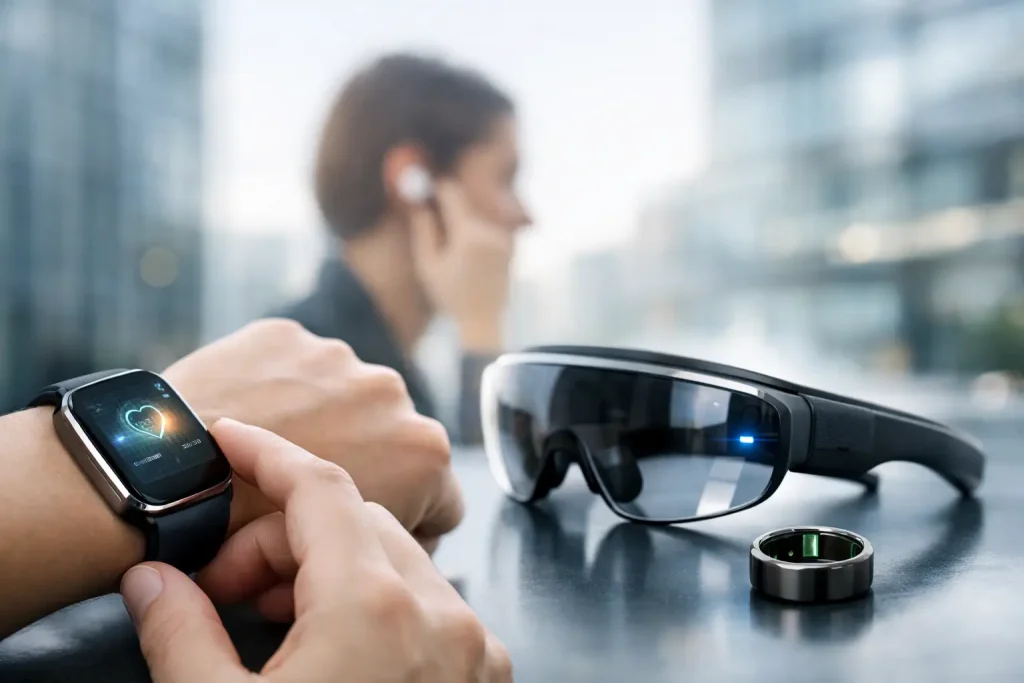
Wearable tech trends for 2026 put smarter health tracking, discreet AI, personal safety, and practical everyday design ahead of short-lived gadget hype.
A smartwatch that flags an irregular heart rhythm, earbuds that translate a conversation, and a ring that explains why you woke up exhausted all point to the same shift: wearable tech trends are becoming less about showing off hardware and more about getting useful help at the right moment. The best new devices are quieter, more personal, and increasingly designed to disappear into routines people already have.
For shoppers, that is good news and a reason to look past flashy launch-day claims. A wearable only earns its place on your wrist, finger, face, or clothing if it delivers information you can understand and act on. Here are the trends shaping what people will actually wear in 2026.
Wearable Tech Trends Are Moving Beyond Step Counts
Counting steps was a breakthrough when fitness trackers first became mainstream. It is now the baseline. The more valuable devices combine movement, heart rate, sleep patterns, stress signals, temperature changes, and workout recovery to create a broader picture of daily health.
This does not mean every wearable is turning into a doctor’s office. Consumer devices can spot patterns and provide useful prompts, but they do not diagnose illness. A high stress score may reflect poor sleep, a tough workout, alcohol, illness, or a loose-fitting sensor. Treat alerts as a reason to pay attention or speak with a qualified clinician, especially when symptoms are involved.
What is changing is the quality of context. Instead of simply reporting that you slept six hours, a device may identify repeated sleep disruptions, compare them with your normal baseline, and suggest an earlier bedtime after several low-recovery days. That is more practical than a dashboard full of unexplained numbers.
Recovery Scores Will Matter More Than Raw Activity
For active people, the next useful question is not “Did I close my rings?” but “Is today a good day to push harder?” Recovery-focused guidance is becoming a major selling point in watches, rings, and advanced fitness bands.
These estimates typically draw from resting heart rate, heart rate variability, sleep, recent exercise load, and sometimes skin temperature. They are not perfect. A parent with a sick child and a marathon trainee may receive similar low-readiness scores for very different reasons. Still, the data can help users recognize when their habits are catching up with them.
The strongest products will make this advice flexible rather than bossy. A device that recommends a lighter workout is useful. One that makes users feel guilty for taking a rest day is not.
Smart Rings Gain Ground for Sleep and Comfort
Smart rings have moved from niche curiosity to a serious alternative for people who want health insights without another glowing screen. Their appeal is straightforward: they are small, often lighter than a watch, and generally less distracting at night.
Rings are particularly well suited to sleep, overnight heart rate, temperature trends, and recovery tracking. They can also appeal to people who already wear a traditional watch, work in settings where a smartwatch is inconvenient, or dislike sleeping with a bulky device on their wrist.
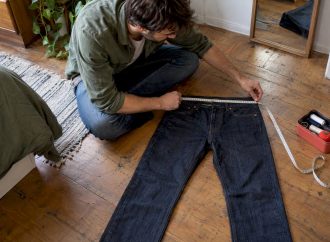
The trade-off is functionality. A ring does not offer the same maps, messages, music controls, emergency features, or workout screen as a full smartwatch. Sizing also matters more than many buyers expect. Fingers can swell with heat, exercise, and changing seasons, so a proper sizing kit or careful fit check is worth the extra effort.
Expect the category to keep growing, but not to replace watches for everyone. A ring is often the better choice for passive wellness tracking. A watch remains more versatile for navigation, communication, and live exercise data.
AI Will Show Up as Coaching, Not Just Chat
Artificial intelligence is entering wearables in a more useful form than a tiny chatbot squeezed onto a small screen. The real opportunity is personalized interpretation. Wearables collect a steady stream of signals; AI can help turn that stream into understandable recommendations.
For example, a device may notice that late-evening workouts are linked to poorer sleep, that your heart rate rises unusually during a routine walk, or that you consistently recover better after days with more movement. The value is not in making dramatic predictions. It is in spotting repeatable patterns that are easy to miss.
AI also supports more natural voice controls. Instead of tapping through menus during a run, users may ask for a pace update, start a timer, send a quick message, or get a recap of their day. This works best when commands are fast and dependable. If voice control requires repeated corrections in public, it becomes less convenient than pressing a button.
Privacy is the key question. Health and location data are deeply personal, so shoppers should check what information is stored, whether it is used to train services, and how easily it can be deleted. Helpful coaching should not require giving up control of your personal data.
Hearing Tech Becomes an Everyday Wearable
Wireless earbuds are evolving into all-day tools rather than simple music accessories. Better microphones, adaptive noise control, live captions, and translation features are making them more useful in offices, airports, classrooms, and busy restaurants.
This is also where the line between earbuds and hearing assistance is becoming less clear. Some products can amplify speech or tune out background noise in ways that benefit people who struggle in loud environments. That can be genuinely helpful, but it is not a substitute for a professional hearing evaluation when hearing loss is suspected.
Comfort will decide which features stick. Earbuds that need frequent charging, hurt after an hour, or block too much outside sound are unlikely to become daily companions. Open-ear designs and more adjustable sound modes are gaining attention because they allow users to stay aware of traffic, coworkers, and family without giving up audio entirely.
Safety Features Become a Real Buying Factor
Personal safety has become one of the most compelling reasons to wear connected technology. Fall detection, crash detection, emergency calling, location sharing, and check-in tools can provide reassurance for solo runners, older adults, commuters, and families.
The most useful safety features are the ones that work with minimal setup and do not depend on a phone being nearby. Cellular-enabled watches can be especially valuable for runners or walkers who prefer leaving their phone at home. However, that freedom usually comes with a higher upfront cost and a monthly service fee.
Buyers should also avoid assuming every model offers the same protection. Features can vary by device, carrier, region, and subscription plan. Before purchasing for a parent, teen, or outdoor enthusiast, verify the exact emergency functions available on that specific model.
Wearables Are Getting Less Noticeable
The next wave of wearable design is not necessarily more futuristic-looking. It is more discreet. People want useful technology that works with work clothes, formal outfits, sleepwear, and everyday life without announcing itself.
That is driving interest in slimmer watches, screen-free bands, smart jewelry, open-ear audio, and sensor-equipped clothing. Clothing is still the hardest category to get right because garments need washing, durable sensors, reliable sizing, and a reason to cost more than standard apparel. It may remain specialized for sports teams, workplace safety, and serious training rather than becoming a wardrobe staple overnight.
Battery life is part of this trend, too. A wearable that needs constant charging creates friction, especially if it tracks sleep. Multi-day battery life is not exciting in an advertisement, but it can be the feature that determines whether a device stays in use after the first month.
What to Look for Before You Buy
The smartest purchase starts with a single job. If you want live workout metrics, navigation, notifications, and emergency tools, a smartwatch may be worth the larger screen and shorter battery life. If your priority is sleep and recovery, a smart ring or screen-free band may fit better. If calls, audio, and hands-free assistance matter most, earbuds could be the wearable you use more than anything else.
Compatibility deserves equal attention. Check whether the device works well with your phone, preferred workout apps, and payment method. Consider recurring costs, too. Some advanced insights, cellular connections, and coaching platforms require subscriptions that can change the long-term value of an otherwise affordable device.
Finally, choose a wearable you will realistically wear. The most advanced sensor package cannot help if the device sits on a charger or in a drawer. As wearable tech trends move toward better health context, smarter assistance, and more comfortable designs, the winning device will be the one that fits your habits without asking you to rebuild your life around it.












Leave a Comment
Your email address will not be published. Required fields are marked with *