
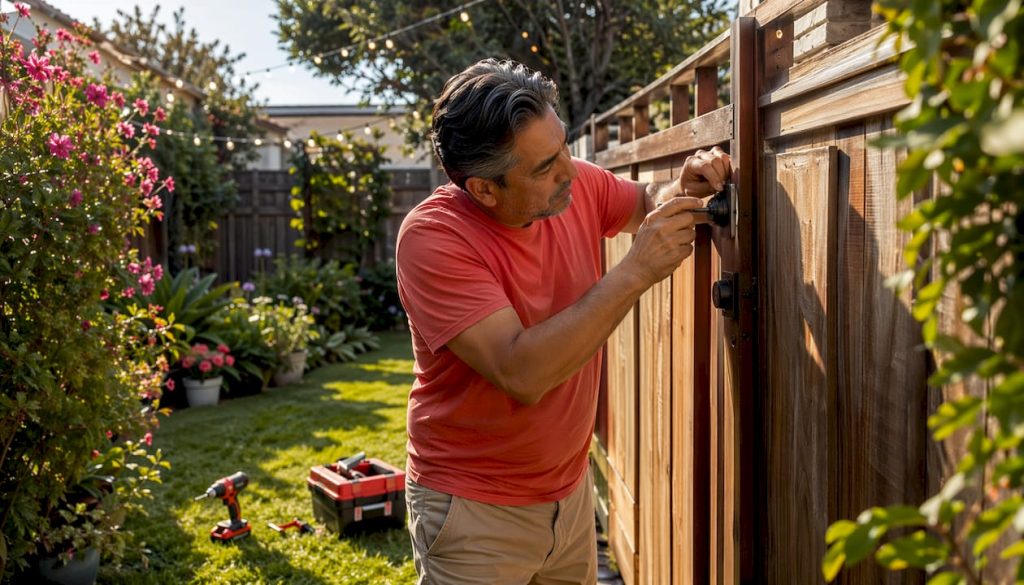
Discover effective ways to improve home security in 2026. Learn how to create multiple barriers against intruders for better safety.
Home security is most effectively improved by combining reinforced locks, motion-activated lighting, secured windows, visible deterrents, and disciplined locking habits. This layered approach, known in the security industry as “defense in depth,” creates multiple barriers that force intruders to spend more time, make more noise, and take greater risks. Layering security measures is more effective than relying on any single device or system. The data backs this up: 37% of burglaries exploit unlocked doors or windows, meaning the highest-impact security habit costs you nothing at all.
1. Ways to improve home security through door reinforcement
Your front door is the first line of defense, and most standard doors fail under a single kick. The fix is not expensive, but it does require attention to the right details.
The most common mistake homeowners make is installing a quality deadbolt with the wrong screws. Standard strike plate screws are only ¾ inch long and anchor into the door frame, not the wall studs behind it. Replacing those screws with 3-inch heavy-duty screws that reach the structural studs dramatically increases kick-in resistance. This single upgrade costs under $10 and takes 15 minutes.
Beyond the strike plate, the door itself matters. Hollow-core doors offer almost no resistance. Replace them with solid-core wood or steel doors at all exterior entry points. Pair that with an ANSI Grade 1 deadbolt, which is the highest residential rating, featuring a 1-inch throw bolt that extends deep into the reinforced frame.
- Solid-core or steel door: Replaces hollow-core doors that splinter easily
- ANSI Grade 1 deadbolt: The top residential standard; look for a 1-inch throw bolt
- 3-inch strike plate screws: Anchor into wall studs, not just the door frame
- Double-cylinder deadbolt: Requires a key on both sides; use near glass panels to prevent reach-through unlocking
- Video doorbell or peephole: Lets you see who is at the door without opening it
Pro Tip: If your door has a glass panel within 40 inches of the lock, a standard single-cylinder deadbolt is a liability. A burglar can break the glass and turn the thumb-turn from inside. A double-cylinder deadbolt eliminates that risk, though you should keep a key nearby for fire safety.
2. Securing windows and other vulnerable entry points
Windows are the second most common entry point for intruders, yet most homeowners treat them as an afterthought. Ground-floor and basement windows deserve the same attention as your front door.
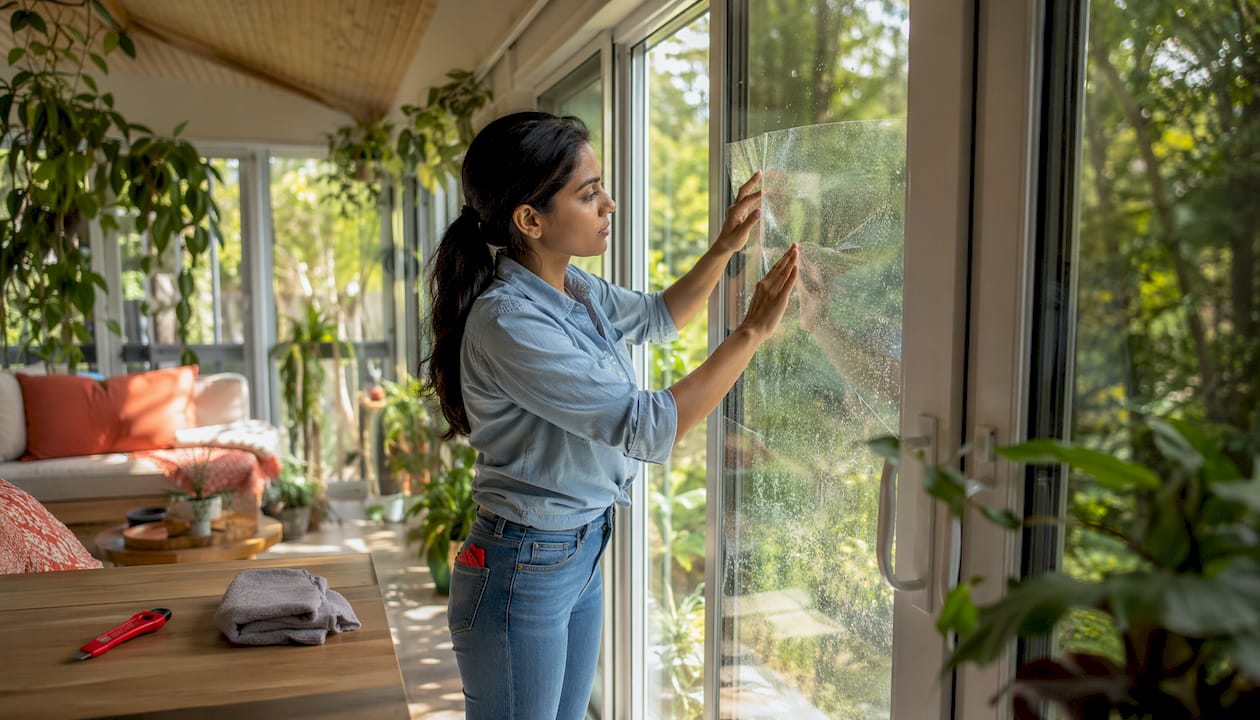
Start by testing every window lock in your home. Many factory-installed latches are flimsy and can be jiggled open from outside. Upgrade to keyed window locks or secondary locking pins that drop into a drilled hole in the frame, preventing the sash from sliding even if the latch is defeated. For sliding glass doors, place a cut-down wooden dowel or a commercial security bar in the track. This stops the door from being forced open even if the lock is bypassed.
Security film is one of the most underused home safety upgrades available. Applied directly to glass, it holds shards together after impact, slowing entry and creating noise. It does not make glass unbreakable, but it adds critical seconds that most opportunistic burglars are not willing to spend.
- Keyed window locks: Replace flimsy factory latches on all ground-floor windows
- Security film: Holds broken glass in place; slows forced entry significantly
- Dowel or security bar: Blocks sliding door tracks from being forced open
- Anti-lift brackets: Prevent sliding doors or windows from being lifted off their tracks
- Shrubbery trimming: Clear sightlines within 10 feet of doors and windows remove hiding spots
Pro Tip: Walk around the outside of your home at night and look for spots where a person could crouch unseen for 30 seconds or more. Those are your highest-risk zones. Trim any shrub or hedge that provides that kind of cover, especially near windows and side gates.
3. Motion-activated lighting and visibility upgrades
Strategic lighting is one of the most cost-effective ways to secure your home at night. Motion-sensor lighting deters up to 80% of nighttime intruders who rely on darkness for concealment. That number reflects a simple truth: most burglars are opportunists who avoid risk, and a sudden flood of light is a powerful signal to move on.
Install LED motion-sensor lights at every exterior entry point. That means the front door, back door, garage entries, and side gates. Position them high enough that they cannot be easily unscrewed or redirected. Aim for a detection range that covers the full approach path, not just the doorstep.
When you are away from home, interior lighting matters just as much. Use plug-in timers or smart bulbs to turn lights on and off in different rooms throughout the evening. A home that looks occupied is a home that gets skipped. Pair this with smart home automation to control lights remotely from your phone.
- Install LED motion-sensor lights at the front door, back door, and garage
- Add lights at side gates and any pathway that approaches a window
- Position fixtures high enough to prevent tampering
- Use interior light timers to simulate occupancy when you travel
- Maintain clear sightlines by trimming trees and shrubs that block light spread
Visible security cameras complement lighting perfectly. Doorbell and driveway cameras with night vision and motion alerts both deter intruders and capture evidence if a break-in occurs. Place cameras where they are clearly visible. The deterrence value of a camera that is seen is higher than one that is hidden.
4. Behavioral habits and routines that boost home security
Hardware upgrades mean nothing if you leave the back door unlocked. The data is clear: over a third of burglaries succeed because someone simply forgot to lock a door or window. Building consistent habits is the highest-return security investment you can make, and it costs nothing.
The most effective habit is a nightly and pre-departure security check. Walk through every room, confirm every window is locked, and check every exterior door. Make it a routine the same way you check your phone before leaving the house. Pair this with a neighborhood safety checklist to cover community-level habits that reinforce your personal security.
- Lock every door and window: Do this every time you leave and every night before bed
- Secure the garage: Garages are a frequently overlooked entry point; treat the interior garage-to-house door as an exterior door with a deadbolt
- Never leave spare keys outside: Fake rocks and door frame ledges are the first places intruders check; give a spare to a trusted neighbor instead
- Lock bedroom doors at night: Interior bedroom locks add a final barrier if an intruder enters the home
- Coordinate with neighbors: A watchful neighbor who knows your schedule is one of the most effective deterrents available
Pro Tip: Install a smart lock with auto-lock on your most-used exterior door. Smart locks can send you a phone notification if a door is left unlocked, and they auto-lock after a set time. This removes human error from your most critical security habit.
5. Upgrading to a monitored alarm system
A monitored alarm system adds a layer of protection that passive hardware cannot provide. When a sensor triggers, a monitoring center contacts you and, if needed, dispatches emergency services. That response capability changes the risk calculation for any intruder.
Entry-level alarm systems cover doors and windows with magnetic contact sensors. More complete setups add motion detectors, glass-break sensors, and smoke or carbon monoxide detection. The key distinction is between self-monitored systems, which send alerts only to your phone, and professionally monitored systems, which involve a 24/7 response center. For homeowners who travel frequently or live alone, professional monitoring adds meaningful peace of mind. You can review home security system options to compare what different tiers of coverage actually include.
Visible alarm signage and window decals serve a deterrence function even before a sensor triggers. Place them at eye level near entry points. The goal is to communicate that your home is monitored before an intruder makes a decision to attempt entry.
6. Integrating smart technology for remote awareness
Smart home technology has made remote security monitoring accessible to renters and homeowners alike. You no longer need a professional installation to know what is happening at your front door while you are at work. The role of tech in home security has shifted from luxury to practical standard.
Smart locks, video doorbells, and indoor cameras all connect to your smartphone through dedicated apps. You can see who rings your doorbell, receive alerts when motion is detected, and lock or unlock doors remotely. This level of awareness catches problems early, whether that is a package theft, an unexpected visitor, or a door you forgot to lock.
The most practical starting point is a video doorbell paired with a smart lock. Together, they cover the highest-risk entry point with both visual monitoring and remote access control. Add a smart indoor camera for a second layer of interior awareness. For a broader look at how these devices fit into a connected home, the benefits of smart home systems go well beyond security alone.
7. Community and environmental security measures
Your home does not exist in isolation. The environment around it, and the neighbors within it, are part of your security system whether you treat them that way or not.
Introduce yourself to your immediate neighbors and share contact information. A neighbor who knows your car, your schedule, and your household members will notice when something looks wrong. This informal network, sometimes called a neighborhood watch, is one of the oldest and most effective deterrents in residential security. Local resources like community safety checklists can help you and your neighbors build a shared awareness routine.
Environmental design also plays a role. Keep your lawn maintained and mail collected when you travel. An overgrown yard and a full mailbox signal an absent homeowner. Use a mail hold service through the U.S. Postal Service when you are away for more than a day or two. Ask a neighbor to park in your driveway occasionally to maintain the appearance of an occupied home.
Key takeaways
The most effective home security combines reinforced hardware, strategic lighting, consistent locking habits, and community awareness to create multiple barriers that deter opportunistic intruders.
| Point | Details |
|---|---|
| Reinforce door strike plates | Replace short screws with 3-inch screws anchored into wall studs to resist kick-in attacks. |
| Lock every entry point consistently | Over 37% of burglaries exploit unlocked doors or windows, making locking a zero-cost priority. |
| Use motion-sensor lighting | Strategic placement deters up to 80% of nighttime intruders who rely on darkness. |
| Treat the garage as an exterior entry | Install a deadbolt on the interior garage-to-house door to prevent concealed forced entry. |
| Layer hardware with habits | No single device replaces consistent routines; combine technology with daily security checks. |
What our team has learned about home security that most guides miss
Our team at Lizard’s Lunch has spent considerable time reviewing security research, and one pattern stands out clearly: most homeowners invest in the wrong things first. They buy a video doorbell or a smart lock and feel protected, without ever fixing the strike plate that would fail in two kicks.
The uncomfortable truth is that most burglars are opportunists, not skilled criminals bypassing sophisticated systems. They are looking for the easiest target on the street. That means your goal is not to build an impenetrable fortress. Your goal is to look harder to break into than the next house.
That reframe changes everything. A $10 bag of 3-inch screws and a $20 motion-sensor light do more for your actual security than a $300 smart lock on a hollow-core door with a weak strike plate. The hardware matters, but the sequence matters more. Fix the fundamentals first, then layer technology on top.
We also believe that behavioral discipline is consistently underrated. The homeowners who get burglarized are rarely the ones with no security system. They are the ones who had a system and got complacent. A nightly lock check takes 90 seconds. That habit, done consistently, closes the gap that 37% of burglars walk through.
Security is not a product you buy once. It is a practice you maintain. The homes that stay safe are the ones where the owners treat security as a living routine, not a one-time installation.
— Our team at Lizard’s Lunch
Home improvement upgrades that double as security enhancements
Security and style do not have to be separate projects. Some of the most effective home safety upgrades also add genuine character and value to your property. Solid exterior doors, quality lighting fixtures, and well-maintained landscaping all improve curb appeal while making your home harder to breach.
At Lizardslunch, we cover the full range of home improvement ideas that serve both purposes. If you are ready to go beyond basic security and invest in upgrades that protect and beautify your home simultaneously, our guide to home renovation ideas is a strong next step. You will find practical projects that add character to your space while reinforcing the layers of protection covered in this article. For a broader view of improvements that increase both comfort and value, our home upgrades guide covers the projects worth prioritizing in 2026.
FAQ
What is the single most effective way to secure a home?
Consistently locking all doors and windows is the highest-impact security habit, since over 37% of burglaries exploit unlocked entry points. Pair that with reinforced strike plates and motion-sensor lighting for a strong baseline.
How do motion-sensor lights improve home security?
Strategic motion-sensor light placement deters up to 80% of nighttime intruders who rely on darkness for concealment. Install them at every exterior entry point, including the garage and side gates.
Are smart locks worth it for home security?
Smart locks add real value through auto-locking, unique access codes, and phone notifications when a door is left unlocked. They work best when installed on a solid-core door with a properly reinforced strike plate.
How do I secure sliding glass doors?
Place a cut-down wooden dowel or a commercial security bar in the track to prevent forced sliding, and add anti-lift brackets to stop the door from being lifted off its track. Upgrade the factory latch to a keyed lock for added resistance.
What is the most overlooked entry point in a home?
The interior garage-to-house door is one of the most neglected entry points. Intruders who access a garage can work quietly and out of sight, so that door should be treated as a full exterior entry with a deadbolt installed.

















Leave a Comment
Your email address will not be published. Required fields are marked with *