
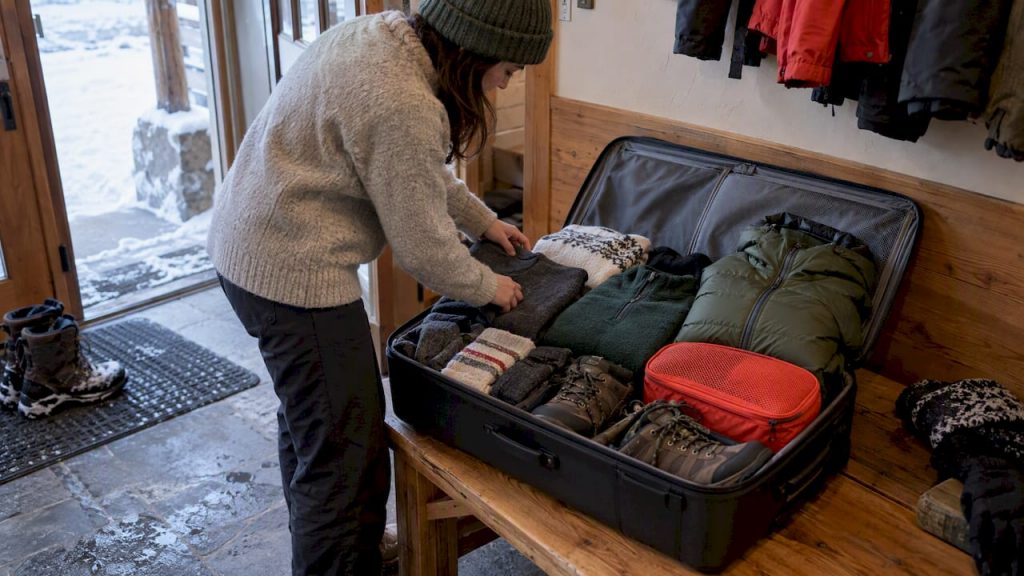
Pack smart for Canadian winters with region and activity specific checklists, a seven day packing framework, and safety steps for wind chill below minus 27°C.
Pack for Canadian winter trips by building moisture-managing base layers, insulating mid-layers, and a windproof, waterproof outer, plus warm waterproof boots and traction devices for ice. Tailor the mix to where you’re headed: a Toronto weekend needs less bulk than a mountain ski trip or a Prairie road trip. Wind chill below -27°C raises frostbite risk fast, so always build in a backup plan for exposed skin and sudden weather shifts.
TL;DR:
- Wear layered moisture-wicking base layers, insulated mid-layers, and a windproof, waterproof outer coat to adapt to changing weather conditions.
- In the Prairies and mountains, add wind protection and snow gear like goggles and helmets, while northern routes require extra dry layers and contingency planning.
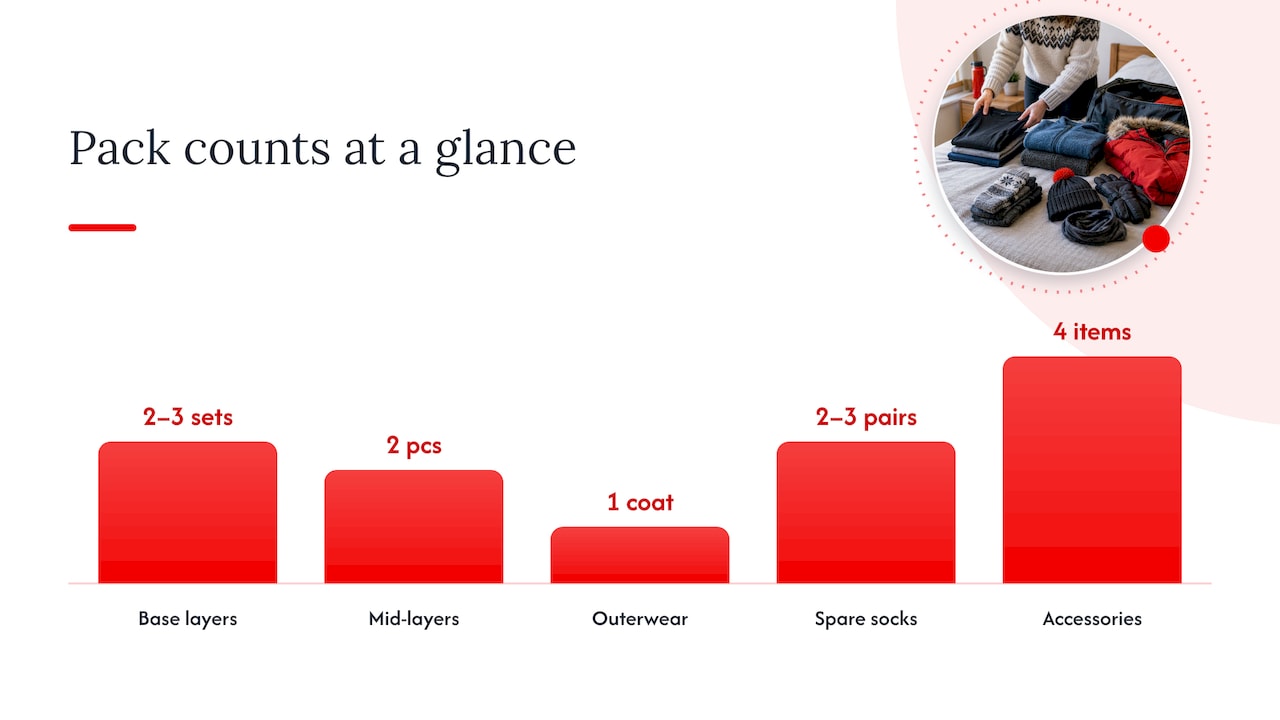
- Pack two to three base-layer sets, one outer coat, warm socks, and accessories for a week, using the 5-4-3-2-1 framework to balance warmth and luggage space.
- Always prepare a vehicle emergency kit with blankets, a shovel, and food, and monitor wind chill forecasts below -27°C to prevent frostbite and hypothermia.
- Wool and synthetic fabrics outperform cotton for moisture management, and keeping layers dry and aired prevents heat loss and odor buildup.
Table of Contents
- 1. What belongs on your core winter packing checklist
- 2. Adjusting your packing list by Canadian region
- 3. How much to pack for a 7-day winter trip
- 4. Packing for skiing, road trips, hiking, and city days
- 5. Staying safe: wind chill, weather alerts, and your vehicle kit
- 6. Choosing fabrics that actually keep you warm
- 7. Our team’s quick packing lessons from the field
- Advertise your travel gear brand with us
- FAQ
- Sources
1. What belongs on your core winter packing checklist
A solid Canada winter packing list starts with layers, not a single heavy coat. We like to think of it as three jobs: wick moisture, trap warmth, block wind and water.
Base layers: pack two to three sets of wool or synthetic long underwear. These fabrics pull sweat away from your skin, while cotton holds moisture against you and speeds up heat loss, a risk Health Canada specifically warns against in cold weather.
Mid-layers: a fleece pullover or down sweater adds trapped air for insulation. Pack two so you can layer up on brutal days and strip down indoors without sacrificing your only warm piece.
Outerwear: one insulated, waterproof, windproof coat with a hood, sealed seams, and a length that covers your hips. Environment and Climate Change Canada recommends a wind-resistant outer layer as a baseline for any outdoor winter activity.
Footwear and traction: insulated, waterproof boots rated for temperatures well below freezing, plus microspikes or slip-on traction for icy sidewalks. Toss in two or three spare pairs of wool socks beyond your trip length, since wet feet are a fast route to discomfort and cold injury.
Accessories: a toque that covers your ears, a neck gaiter or scarf, insulated gloves or mittens, and a few chemical hand warmers for emergencies.
Toiletries, tech, and documents: lip balm and sunscreen (snow reflects UV), a portable charger, and a printed or digital copy of your travel insurance and ID.
- Base layers (2-3 sets, wool or synthetic)
- Insulated waterproof boots plus traction device
- Windproof, waterproof outer coat
- Toque, neck gaiter, insulated gloves
- Portable charger, and travel insurance copy
Pro Tip: Pack one complete dry backup outfit, including socks, in a sealed bag at the top of your luggage so you can swap out instantly if anything gets wet.
2. Adjusting your packing list by Canadian region
Canada’s winter climate shifts dramatically by region, and your local climate normals should guide what actually goes in the bag.
- Coastal areas (Vancouver, Atlantic provinces): prioritize a waterproof rain shell over heavy insulation, plus gaiters and genuinely waterproof footwear for slush and rain.
- Prairies and interior plains: wind cuts through everything here, so pack a windproof outer layer and a face covering; wind chill can make conditions far colder than the thermometer suggests.
- Mountains and ski towns (Rockies and similar): add goggles, a helmet, and snow pants; consider renting bulky ski equipment locally rather than hauling it from home.
- Northern and remote routes: pack extra spare dry layers, carry a communication plan beyond cell service, and build in contingency time for extreme cold.
- Urban city trips: a compact traction device and flexible layering work better than bulky snow gear, since you’ll move between cold streets and heated interiors often.
3. How much to pack for a 7-day winter trip
You don’t need seven complete outfits to stay warm for a week. A practical starting point balances warmth against luggage weight.
- Two to three base-layer sets (wool or synthetic)
- Two insulating mid-layers (fleece or down)
- One insulated, weatherproof outer coat
- One pair of insulated, waterproof boots
- Five to seven pairs of underwear
- Several pairs of warm wool socks
- One toque, one neck gaiter, one pair of insulated gloves
The 5-4-3-2-1 approach (five tops, four bottoms, three mid-layers, two pairs of shoes, one outer coat) works as a flexible mix-and-match framework rather than a safety rule, and you’ll adjust it up for colder destinations or down for shorter, milder trips. For longer stays, plan a laundry stop instead of overpacking, and always keep one spare dry top in reserve.
Pro Tip: Compress bulky mid-layers in packing cubes to free up space for boots and accessories, which rarely compress well. For more on building a flexible wardrobe with fewer pieces, our guide to packing light walks through capsule strategies that apply directly to winter trips.
4. Packing for skiing, road trips, hiking, and city days
Your itinerary changes what earns a spot in your bag.
- Skiing and snow sports: pack goggles, activity gloves, and base layers, but consider renting a helmet, skis, and snow pants locally to save luggage space, especially since ski towns often have well-stocked rental shops right at the base.
- Road trips: keep a separate vehicle emergency kit with blankets, a shovel, a flashlight, and jumper cables, plus a charged phone, charger, and a stash of snacks and water.
- Cold-weather hiking: bring microspikes, gaiters, a windproof shell, and a backup navigation tool along with a headlamp in case daylight runs short.
- Urban sightseeing: a compact traction device, waterproof day shoes, and one extra warm layer for evening temperature drops cover most city itineraries without adding bulk.
5. Staying safe: wind chill, weather alerts, and your vehicle kit
Cold weather in Canada carries real risk, and the numbers back that up.
Wind chill below -27°C significantly increases frostbite and windburn risk on exposed skin, according to Health Canada’s extreme cold guidance. At that threshold, cover exposed skin fully and get to heated shelter quickly if you notice numbness or tingling.
Before heading outdoors, check Environment and Climate Change Canada’s winter weather guidance for wind-chill alerts and forecasts, and postpone outdoor plans when alerts are active.
If you’re driving, pack a vehicle emergency kit separately from your personal luggage. Transport Canada recommends carrying:
- Blankets and extra warm clothing
- A flashlight and spare batteries
- A shovel and jumper cables
- Non-perishable snacks and water
Keep this kit accessible in the vehicle, not buried under suitcases, and delay travel when storm warnings are in effect.
6. Choosing fabrics that actually keep you warm
Wool and synthetic fabrics outperform cotton for one simple reason: they move moisture away from your skin instead of holding it there. Health Canada’s guidance is direct about this, since wet skin loses heat far faster than dry skin, even in mild cold.
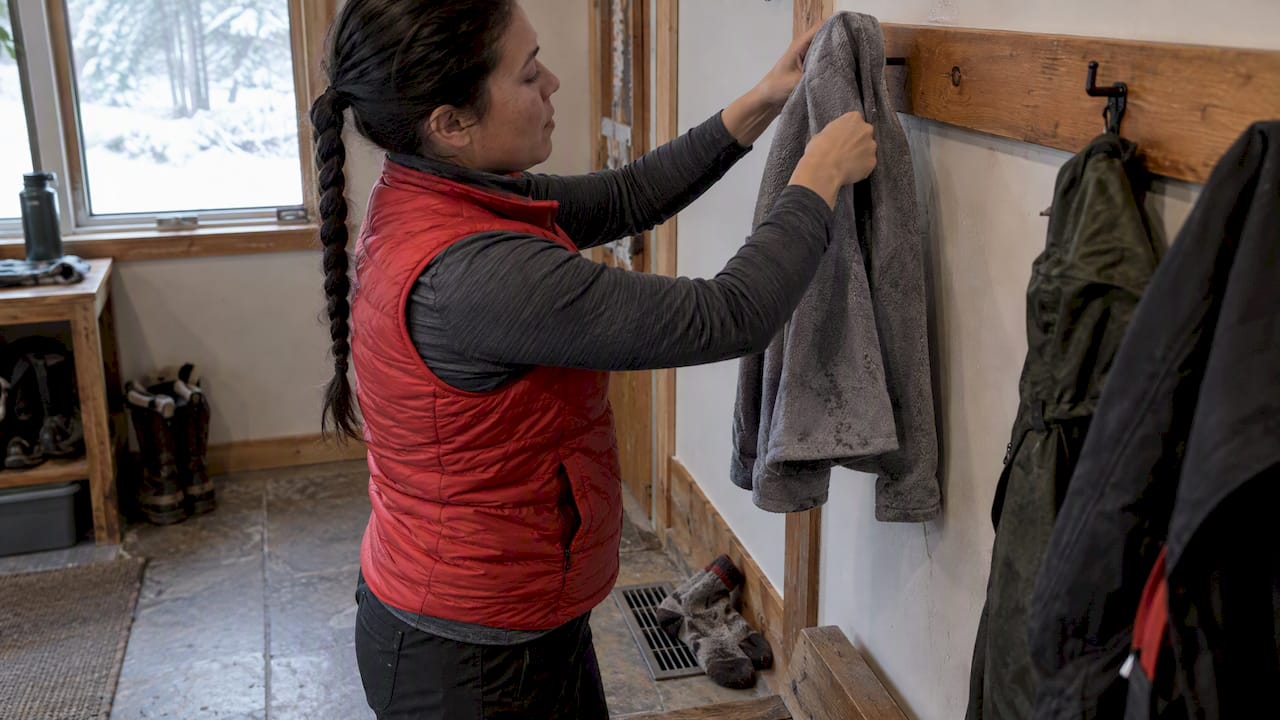
Treat layering as an active system rather than a one-time decision. Remove a layer before you start sweating on a hike or a brisk walk, and pack that layer away dry rather than stuffing it back on over damp skin. Keep one spare dry top in an accessible pocket of your bag for exactly this reason. At the end of each day, hang damp layers to air dry rather than balling them into a suitcase, since trapped moisture lingers and starts to smell.
7. Our team’s quick packing lessons from the field
We have learned that small habits matter most. Keep spare socks in their own small dry bag, separate from everything else, so a wet boot never ruins your only backup. Carry a lightweight windproof shell even on mild days, since Canadian wind can turn a comfortable afternoon cold within minutes. For a broader look at trimming your bag down to essentials, see our step-by-step travel checklist for documents and backups you might otherwise forget.
— Alexander
Advertise your travel gear brand with us
If you sell winter travel gear, outdoor apparel, or trip-planning services, reaching readers who are actively building a Canada winter packing list is exactly the kind of targeted attention that moves product. Banner advertising and guest post placements can put your brand in front of readers mid-decision, right as they’re choosing what to buy before a trip. Rather than competing for broad, unfocused traffic, you reach people already searching for the exact category you sell. Check out our advertising and guest post options to see how a placement might fit your next campaign.
FAQ
What is the 5-4-3-2-1 rule for packing?
The 5-4-3-2-1 rule is an informal packing framework: five tops, four bottoms, three mid-layers, two pairs of shoes, and one outer coat, all chosen to mix and match. It’s not an official safety standard, just a practical way to limit overpacking while keeping enough variety for a week-long trip.
What is the 5-4-3-2-1 packing method for cold weather?
For cold weather, the same framework shifts toward warmth: five base-layer and mid-layer tops, four bottoms including thermal layers, three insulating pieces, two pairs of footwear (boots and a backup), and one heavy windproof, waterproof outer coat. Adjust the ratio toward more mid-layers if you’re heading somewhere with wind chill risk.
What is the 3-5-7 rule in packing?
The 3-5-7 rule suggests packing three bottoms, five tops, and seven pairs of underwear and socks for a trip of roughly a week, regardless of destination. For winter travel in Canada, pair this with extra insulating layers and waterproof outerwear, since the base rule doesn’t account for cold-specific gear.
What should I pack for a 7-day winter trip in Canada?
Pack two to three base-layer sets, two insulating mid-layers, one insulated waterproof coat, one pair of insulated waterproof boots, five to seven pairs of underwear, several warm socks, and core accessories like a toque, neck gaiter, and insulated gloves. Adjust the mix based on your region and planned activities, adding items like goggles for skiing or a vehicle emergency kit for road trips.














Leave a Comment
Your email address will not be published. Required fields are marked with *