
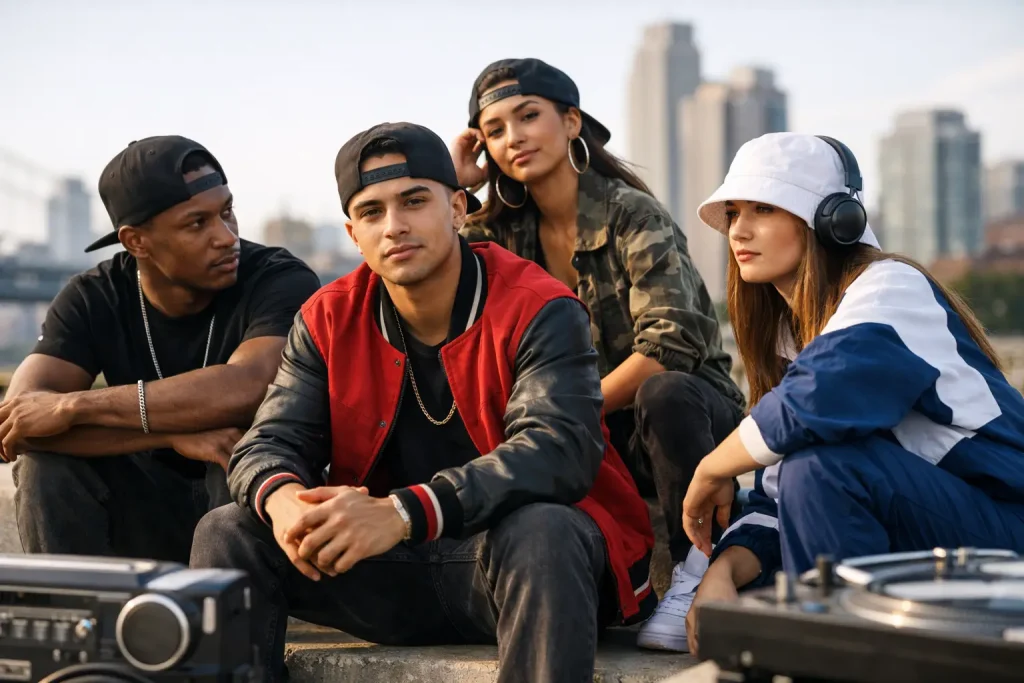
Hip hop culture is more than music. Learn its roots, core elements, influence on fashion, language, business, and why it still shapes culture.
A beat starts, a crowd reacts, and within seconds you can feel it – not just hear it. That instant energy is part of why hip hop culture has lasted for decades. It is not only a music genre or a fashion look. It is a creative system, a social language, and a way communities turn struggle, style, and ambition into something the world cannot ignore.
For many people, hip hop begins with rap songs on the radio or viral clips online. That is understandable, but it only tells part of the story. To really understand its staying power, you have to look at where it came from, what it includes, and why it continues to influence everything from sneakers and advertising to politics and entrepreneurship.
Where hip hop culture started
Hip hop culture took shape in the Bronx in the 1970s, during a period of economic stress, disinvestment, and limited opportunity for many Black and Latino communities. Out of that environment came a new creative movement built from what was available – turntables, speakers, public spaces, local parties, dance battles, and a strong need for expression.
DJing was central in those early years. DJs extended the instrumental break sections of funk and soul records so dancers could keep moving longer. MCs started by hyping up parties and audiences, then grew into lyricists with their own styles, stories, and competitive voices. Around them, breakdancers and graffiti writers developed visual and physical forms of expression that were just as important.
That origin matters because hip hop was never only about entertainment. It was also about invention under pressure. When people say hip hop is authentic, they often mean it came from real conditions and gave people a way to be seen, heard, and respected.
The core elements of hip hop culture
The most common way to explain hip hop culture is through its foundational elements: DJing, MCing, breakdancing, and graffiti. Some people also include knowledge as a fifth element, meaning self-awareness, community history, and cultural understanding.
DJing shaped the sound. MCing gave it voice. Breakdancing turned music into movement. Graffiti turned public space into a canvas. Together, these elements created more than a trend. They formed a culture with its own codes, rivalries, aesthetics, and standards.
Knowledge deserves special attention because it explains why hip hop has always been bigger than performance. At its best, the culture teaches history, survival, confidence, and critique. It can celebrate success while still questioning power. It can be flashy and deeply political at the same time.
Why music became the most visible part
Rap became the most visible part of hip hop culture largely because it scaled well. Recorded music could travel across cities, states, and eventually the globe in a way local dance scenes and graffiti communities could not. Once labels, radio, MTV, and later streaming platforms got involved, rap became the face of the culture for mainstream audiences.
That visibility came with benefits and trade-offs. On one hand, artists gained money, influence, and reach. On the other, a lot of mainstream coverage flattened hip hop into a narrow product. It sometimes reduced a broad culture into a few marketable images – luxury, conflict, bravado, or shock value.
That is why conversations about hip hop can feel split. One person may think of lyrical storytelling and neighborhood identity. Another may think of chart hits, brand deals, and celebrity drama. Both are seeing part of the picture, but not the whole frame.
Hip hop culture and fashion
Few cultural movements have shaped American style as strongly as hip hop. Oversized silhouettes, tracksuits, sneakers, fitted caps, gold jewelry, streetwear labels, and luxury remixes all gained momentum through hip hop influence. Even when mainstream fashion did not credit it properly, the borrowing was obvious.
What makes hip hop fashion so influential is that it has never been static. It changes by region, era, and artist. New York, Atlanta, Los Angeles, Houston, Chicago, and Detroit have all brought distinct style codes into the spotlight. The result is a living fashion language that keeps updating itself.
There is also a business lesson here. Hip hop did not just influence what people wear. It changed who gets to sell style and define taste. Artists moved from endorsing products to building brands, launching labels, and collaborating with major retailers. That shift helped turn cultural relevance into real economic power.
Language, identity, and cultural reach
Hip hop culture has reshaped how people talk, present themselves, and understand confidence. Slang travels fast through songs, interviews, social platforms, and memes. Phrases born in local communities often become national vocabulary within months.
This reach can be exciting, but it raises questions too. When language, style, and aesthetics move into the mainstream, context often gets lost. A phrase might be repeated by millions of people who have no connection to the community that created it. That does not erase the creativity behind it, but it can blur ownership and meaning.
The same is true with identity. Hip hop gives people a framework for self-expression, whether through music, clothing, dance, or attitude. But using hip hop style without understanding its roots can turn appreciation into imitation. The line is not always simple. It depends on respect, awareness, and whether people are engaging with the culture or just taking from it.
The business side of hip hop culture
Hip hop is now a serious business force. It drives streaming numbers, fashion sales, sneaker launches, live events, film soundtracks, endorsements, and media platforms. Artists are often entrepreneurs as much as performers, building portfolios that extend far beyond music.
That entrepreneurial side is one reason hip hop resonates with so many American audiences. It reflects ambition in a very visible way. The artist is not only making songs. They are building leverage, negotiating ownership, and turning personal identity into a market advantage.
Still, success in hip hop business is not one-size-fits-all. Some artists thrive through major partnerships. Others build loyal audiences independently. Some expand into fashion or spirits, while others focus on touring or publishing. The smartest moves depend on timing, audience trust, and how well a brand extension actually fits the artist.
How hip hop culture influences media and everyday life
Hip hop is everywhere because it fits modern media so well. It is visual, quotable, rhythmic, competitive, and highly adaptable. It works in short-form video, commercials, podcasts, sports arenas, political messaging, and blockbuster films.
You can see its influence in how products are marketed, how athletes build their image, how brands use sound, and how younger audiences judge authenticity. Even outside music, hip hop has trained the public to pay attention to storytelling, personal branding, and the power of a distinct voice.
At the same time, wider exposure creates tension. Once a culture becomes commercially valuable, gatekeepers show up. Brands want relevance. Media companies want trend coverage. Corporations want the energy, but not always the accountability. That tension is part of why debates over cultural ownership, authenticity, and profit keep returning.
Why hip hop culture still matters
Hip hop culture still matters because it remains one of the clearest ways to track how America talks about class, race, creativity, power, and success. It captures what people want, what they fear, and what they are pushing back against. It reflects local realities while shaping global trends.
It also remains open-ended. Hip hop can hold celebration and criticism at once. It can be commercial and deeply personal. It can create space for joy, competition, protest, humor, and reinvention. That range is part of its durability.
If you want to understand where popular culture is headed, hip hop is not a side topic. It is one of the main signals. Watch the music, but also watch the fashion, the language, the business moves, and the neighborhoods where the next sound is forming. The culture keeps moving, and the people paying attention usually hear the future a little earlier.


















Leave a Comment
Your email address will not be published. Required fields are marked with *