
Unlock the benefits of smart gadgets for an easier life. Discover how these devices can save money, enhance security, and boost home value!
Running a household is a constant balancing act. Between rising energy bills, juggling daily schedules, and worrying about home security, it can feel like you’re always one step behind. Smart gadgets have quietly become one of the most practical solutions for modern homeowners, and the results are measurable. From smart thermostats cutting heating costs by up to 17% to security cameras that send real-time alerts straight to your phone, these devices aren’t just cool toys. They’re tools that solve real problems. In this guide, we’ll walk through exactly what to look for, what you’ll gain, and how smart tech can even boost your home’s resale value.
Table of Contents
- Criteria for choosing smart gadgets
- Top benefits of smart gadgets for home and daily life
- How smart gadgets compare: Features, integration, and costs
- Smart gadgets and property value: An investment perspective
- A smarter approach: What most people overlook in smart gadgets
- Start your smart home journey with expert guides
- Frequently asked questions
Key Takeaways
| Point | Details |
|---|---|
| Save on energy | Smart gadgets like thermostats and lighting can reduce your utility bills by automating efficiency. |
| Boost home security | Remote monitoring, alerts, and smart locks protect your home and add peace of mind. |
| Increase property value | Homes with smart devices sell faster and command higher prices in today’s market. |
| Choose wisely for real benefit | Pick compatible gadgets that suit your needs, focusing on devices you’ll actually use every day. |
| Evaluate before buying | Compare feature sets, integration, and costs to maximize the real-life impact of your smart tech investment. |
Criteria for choosing smart gadgets
Now that we’ve touched on the promise of smart gadgets, let’s clarify exactly what to look for before investing.
Choosing the right smart gadget isn’t as simple as picking the one with the most features or the flashiest app. The best devices are the ones that actually fit your life, work reliably, and connect seamlessly with what you already own. It helps to understand the basics of what makes these gadgets “smart” in the first place.
What actually makes a gadget smart?
A gadget earns the “smart” label when it connects to the internet or a local network and can respond automatically to conditions, schedules, or commands. IoT connectivity and AI learning are the mechanics behind popular devices like adaptive thermostats, smart locks, and voice assistants. For example, a smart thermostat doesn’t just let you adjust temperature from your phone. It learns your schedule and automatically lowers the heat when you leave for work. That kind of automated intelligence is what separates a smart device from a simply connected one.
Compatibility and standards: The glue that holds it all together
Before buying any smart gadget, check whether it supports widely used communication standards. Wi-Fi and Bluetooth are the most common, but newer standards like Matter and Thread are rapidly becoming the gold standard for smart home interoperability. Matter is a universal compatibility protocol, meaning a Matter-certified device will work with Google Home, Amazon Alexa, Apple HomeKit, and Samsung SmartThings without frustrating workarounds. Thread is a low-power mesh networking protocol that keeps devices connected even when your Wi-Fi router is busy. Checking for these certifications before you buy can save you enormous headaches down the road.
You’ll also want to review your chosen devices against a solid smart home setup guide to ensure your network and hub are ready to support new additions.
Key features to prioritize:
- App quality and long-term support: A gadget is only as good as the software running it. Check app reviews and confirm the manufacturer has a track record of updates.
- Security protocols: Look for devices that offer end-to-end encryption, two-factor authentication, and automatic firmware updates.
- Battery life or power reliability: For wireless sensors and locks, battery life is critical. Some devices drain fast if poorly designed.
- Ease of installation: Many great smart gadgets are plug-and-play. Others require professional installation or electrical work.
- Return and warranty policies: Especially important for higher-priced devices like smart displays or security systems.
Common pitfalls to dodge
One of the biggest mistakes new smart home users make is buying too many devices from different ecosystems. You might end up with a thermostat that talks to Alexa but not Google, and a doorbell that works with HomeKit but not SmartThings. The result is an app-cluttered phone and a home that never quite works in unison. Over-featured devices are another trap. If a gadget does ten things but you only need two, you’re paying for complexity you’ll never use.
Pro Tip: When browsing smart gadgets, prioritize devices that explicitly support over-the-air (OTA) updates and multiple ecosystems. This future-proofs your investment and means your gadget stays relevant even as standards evolve.
Top benefits of smart gadgets for home and daily life
With the buying criteria established, here’s what you actually gain when you put smart tech into practice.
Smart gadgets deliver real, tangible improvements to your daily routine. Not in vague, marketing-speak ways, but in measurable dollar savings, fewer worried glances at your phone, and a home environment that works harder for you. Here’s a breakdown of the most important benefits, illustrated with real-world examples.
1. Energy savings that show up on your bills
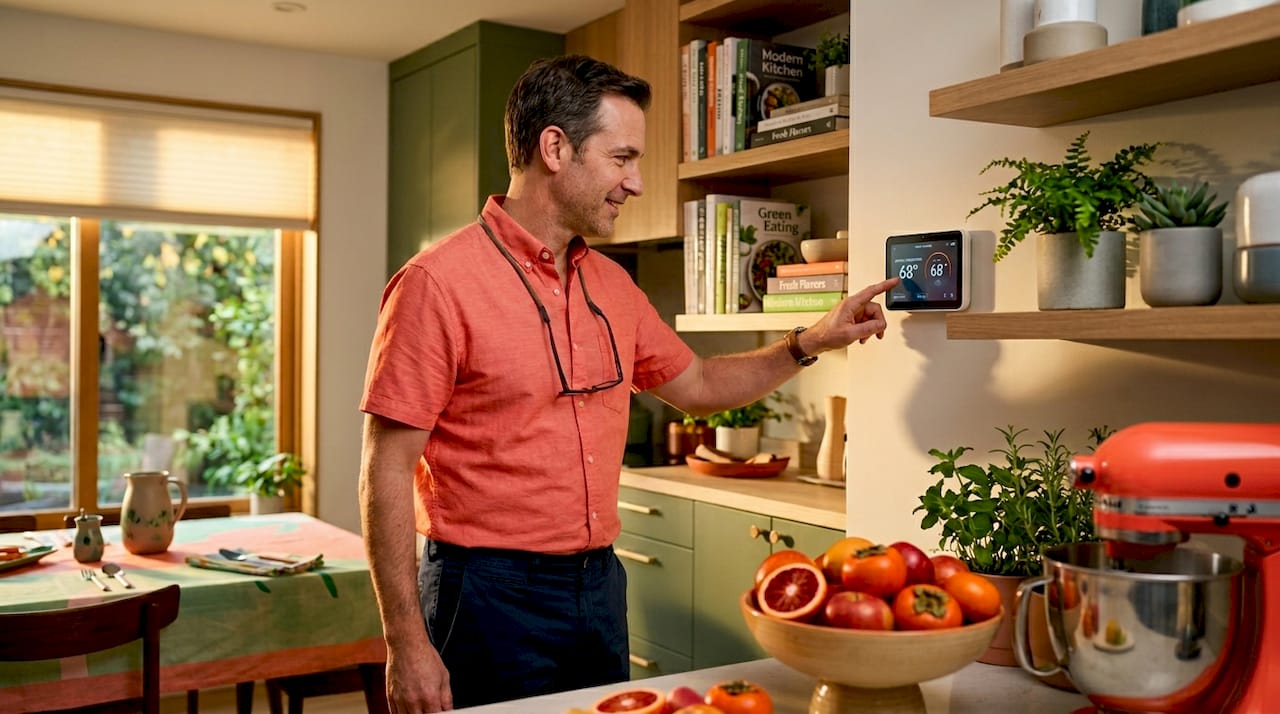
Smart thermostats are often the first device people install, and for good reason. Energy savings of 8 to 17% on heating and cooling are realistic for households that switch from manual to automated temperature management. Imagine you currently spend $200 per month on energy. Even an 8% reduction saves $192 per year, often more than paying off the cost of the thermostat itself within the first year. Smart plugs add another layer, letting you cut phantom power draw from devices left in standby mode, which can account for up to 10% of a home’s electricity use. Smart lighting with occupancy sensors means no more lights blazing in an empty room.
2. Security that works around the clock
One of the most captivating benefits of smart gadgets is the sense of reassurance they provide. Smart locks, cameras, and sensors deliver remote monitoring and real-time alerts, meaning you’ll know instantly if your front door opens unexpectedly or a motion sensor is triggered in your backyard. You can grant temporary digital keys to house cleaners or dog walkers, then revoke access with a tap. Video doorbells let you see and speak to visitors even when you’re on vacation. This level of awareness genuinely reduces anxiety and, in many cases, can lower your homeowner’s insurance premium.
3. Convenience that simplifies your entire routine
Consider the mundane: you leave for work and wonder if you turned off the stove, locked the front door, or left the AC running all day. Smart gadgets eliminate those nagging doubts. A smart plug on your coffee maker means your morning brew starts automatically at 6:45 a.m. Voice assistants let you add items to your grocery list, check the weather, and control your lights without stopping what you’re doing. Automations like “arrive home” routines can unlock your door, adjust the thermostat, and turn on your favorite playlist all at once. These micro-conveniences add up to a noticeably more relaxed daily rhythm.
“Homes equipped with smart technology sell faster and at higher prices than those without, reflecting growing buyer demand for connected living.”
4. Comfort boosts you’ll notice every day
Smart lighting lets you set the perfect ambiance for every moment. Bright, cool light for focused work in the afternoon. Warm, dim light for winding down in the evening. Smart blinds or shades can open automatically in the morning to let in natural light, helping you wake up more gently. A smart air quality monitor can alert you when CO2 levels rise in your home office, a surprisingly common issue that directly affects concentration and mental clarity.
5. Property value you can take to the bank
Homes with smart tech sell faster and at higher prices, which means upgrading your home today is also a financial investment in your future. Buyers increasingly expect smart features, especially in competitive real estate markets. We’ll look at the specific numbers in the next section.
Pro Tip: Start with small, affordable smart gadgets like motion-sensing plugs or door sensors before committing to a full ecosystem. These low-cost devices often deliver outsized value and help you understand which features genuinely matter to your routine. Check out our guide on energy efficient home upgrades for additional ways to cut costs alongside your smart gadgets.
You can also pair smart devices with automation workflow tips to unlock even more time-saving routines once your devices are set up.
How smart gadgets compare: Features, integration, and costs
To help you narrow down your options, let’s compare the most popular smart devices, showing trade-offs side by side.
Not all smart gadgets deliver the same value for every household. A renter in an apartment has different priorities than a homeowner with a large yard. A tech enthusiast comfortable with complex setups will approach things differently than someone who just wants simplicity. The table below gives you a clear side-by-side view of the most popular smart device categories.
| Device category | Key features | Typical savings | Ease of install | Integration support | Avg. price range |
|---|---|---|---|---|---|
| Smart thermostat | Auto scheduling, remote control, energy reports | 8-17% on HVAC | Moderate | Alexa, Google, Matter | $100-$250 |
| Smart lock | Keyless entry, guest codes, alerts | Insurance discount possible | Easy-Moderate | Alexa, Google, HomeKit | $100-$300 |
| Smart lighting | Dimming, color, schedules, scenes | Up to 10% on electricity | Very easy | Most ecosystems | $15-$80/bulb |
| Smart plug/switch | Remote on/off, scheduling, energy monitoring | 5-10% on standby draw | Very easy | Most ecosystems | $10-$40 |
| Indoor/outdoor camera | Live view, motion alerts, night vision | Security cost reduction | Easy | Alexa, Google, HomeKit | $50-$200 |
| Voice assistant hub | Centralized control, routines, smart home bridge | Indirect via automation | Very easy | Broad | $30-$200 |
| Smart sensor | Door/window, motion, air quality, water leak | Prevention savings | Very easy | Most ecosystems | $15-$60 |
Savings from smart devices vary based on user behavior, home configuration, and the specific device installed. A smart thermostat in a drafty older home will deliver different results than the same model in a newly insulated house. This is why understanding your own home’s biggest energy or security vulnerabilities before buying matters so much.
Which device is right for your situation?
- If energy bills are your biggest concern: Start with a smart thermostat and smart plugs. These two categories alone can noticeably reduce monthly costs.
- If security is the priority: A video doorbell, smart lock, and a few door/window sensors create an effective, layered security setup without a large upfront investment.
- If daily convenience is what you’re after: A voice assistant hub paired with smart lighting and a smart coffee maker or plug creates a genuinely seamless morning routine.
- If you want the best resale value: Focus on smart thermostats, video doorbells, and smart locks, as these are the features buyers most frequently request.
- If you’re renting: Stick with smart plugs, lighting, and portable sensors that won’t require any permanent installation.
For a more detailed breakdown of specific product recommendations, explore our roundup of top smart home devices that balance performance and price across all major categories.
Smart gadgets and property value: An investment perspective
Beyond convenience for you, smart gadgets can deliver serious returns when it’s time to sell your home.
The real estate market has shifted significantly over the past several years. Buyers, especially younger generations, now expect homes to have at least some smart features as a baseline. A home that already has a smart thermostat, keyless entry, and a connected security system stands out immediately in a listing and often commands a faster sale at a better price.
What the numbers look like
Smart home features are linked to faster sales timelines and higher final offers. Sellers report that smart home upgrades generate stronger buyer interest and reduce negotiating friction, because buyers don’t have to budget for upgrades themselves.
| Smart gadget type | Estimated value added | Buyer appeal level | Typical installation cost |
|---|---|---|---|
| Smart thermostat | $1,500-$2,000 value uplift | Very High | $100-$250 + labor |
| Smart security system | $2,000-$3,500 value uplift | Very High | $200-$600 |
| Smart lighting package | $500-$1,000 value uplift | High | $150-$400 |
| Smart lock and doorbell | $1,000-$2,000 value uplift | Very High | $150-$400 |
| Full smart home integration | $5,000-$15,000 value uplift | Extremely High | $1,000-$5,000+ |
A practical illustration
Imagine you’re preparing to sell a three-bedroom home in a competitive suburban market. You invest approximately $800 in a smart thermostat, a video doorbell, a smart lock, and a voice assistant hub. Real estate agents consistently highlight these features in listings, and buyers respond positively. The home sells in fewer days than comparable properties on the street, and the final offer reflects a premium that more than recoups your gadget investment. This is exactly the kind of scenario playing out in markets across the country right now.
Key stat: Homes with smart security systems and thermostats are among the fastest-selling properties in competitive markets, with smart features listed as a top priority by a growing share of home buyers under 45.
It’s also worth noting that smart gadget upgrades often complement other improvements. Pairing a smart thermostat with better insulation, or combining a security camera with exterior lighting, multiplies the perceived value and the actual energy performance. Smart tech doesn’t exist in a vacuum. It works best as part of a broader home improvement strategy. Explore property market tips for insight into how to position these upgrades when listing your home.
A smarter approach: What most people overlook in smart gadgets
Having covered the measurable benefits, it’s important to step back and look at the bigger picture.
Here’s something you won’t often read in typical smart home articles: buying more devices doesn’t automatically make your life easier. In fact, it can make things considerably harder. We’ve seen plenty of enthusiastic homeowners load up on a dozen gadgets, only to find themselves managing six apps, three incompatible ecosystems, and a set of automations that constantly malfunction when the Wi-Fi hiccups. The result is frustration, not freedom.
The real value of smart gadgets comes from solving specific problems in your routine, not from collecting impressive hardware. Before you buy anything, ask yourself one honest question: what actually wastes my time or money every week? Is it the energy bill? The worry about whether you locked the door? The constant juggling of light switches when you have your hands full? Let that answer guide your purchases, not a product’s feature list.
There’s also a hidden cost that rarely gets discussed: subscription fatigue. Many smart cameras, security systems, and monitoring services require monthly fees to unlock full functionality. A camera that costs $80 upfront might require a $10 per month cloud storage subscription to store more than 24 hours of footage. Over three years, that’s $360 in subscription costs on top of the hardware. Always factor in recurring costs before committing.
Privacy is another area worth genuine consideration. Smart speakers and cameras are constantly connected, and while reputable manufacturers take security seriously, every connected device is a potential entry point if not properly secured. Use strong, unique passwords for every device account. Enable two-factor authentication wherever it’s offered. Keep firmware updated and retire old devices that no longer receive security patches.
The most rewarding smart home setups we’ve seen share one common trait: they started small, focused on one or two genuine pain points, and expanded deliberately over time. A single smart thermostat and a motion-sensing light can transform your energy bill. One smart lock and a video doorbell can eliminate a daily source of anxiety. These aren’t glamorous purchases, but they deliver real, sustained improvements to daily life. Once you experience that, the path to a more connected home becomes intuitive.
Pairing your devices with well-designed automation workflow strategies is what separates a frustrating smart home from one that genuinely runs itself. The hardware matters, but the automations you build around it matter just as much.
Start your smart home journey with expert guides
When you’re ready to take action, these resources can guide you from inspiration to implementation.
Whether you’re just getting started or looking to fine-tune what you already have, Lizard’s Lunch has you covered every step of the way. If you’re exploring home tech improvement ideas for the first time, our dedicated guides break down the best gadgets by room, budget, and use case so you can find the perfect fit without the guesswork. Ready to think bigger? Our roundup of upgrade ideas for value shows you exactly which improvements deliver the strongest returns on comfort and resale. And when you’re ready to plug in and get going, the step-by-step smart home setup guide walks you through the entire process from router configuration to your first automation routine.
Frequently asked questions
How much can I save on energy bills with smart gadgets?
You can realistically save 8 to 17% on heating and cooling costs with smart thermostats and automated scheduling, though exact savings depend on your climate, home size, and usage habits.
Are smart home devices safe from hacking?
Smart devices are generally secure when configured with unique passwords, two-factor authentication, and regular firmware updates, but no internet-connected device is completely risk-free, so staying on top of updates is essential.
Do smart gadgets work if I have an older home?
Yes, the majority of smart gadgets are designed for easy retrofitting, and plug-and-play devices like smart plugs, bulbs, and sensors work perfectly in older homes without any rewiring.
Which smart device offers the highest return on investment?
Smart thermostats and security systems consistently top the ROI rankings by reducing monthly bills and boosting home sale value, making them the most financially rewarding starting point for most homeowners.
What is the Matter standard, and why does it matter?
Matter is a universal interoperability standard that allows smart devices from different brands to communicate with each other reliably, meaning a Matter-certified gadget will work with virtually every major smart home platform without compatibility headaches.
















Leave a Comment
Your email address will not be published. Required fields are marked with *