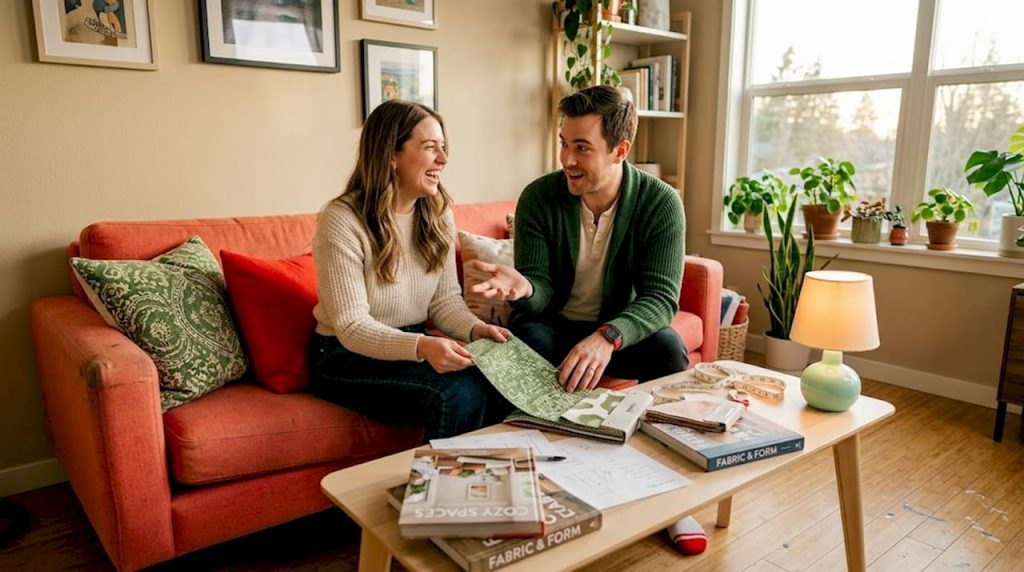
Discover 2026 home trends explained in this essential guide! Embrace warmth, texture, and personalization for spaces you’ll love.
If you’ve been scrolling through design accounts and feeling like 2026 home trends are pointing in a dozen different directions at once, you’re not imagining it. The real story behind 2026 home trends explained properly is this: this year’s design movement is less about following a strict aesthetic and far more about building spaces that feel genuinely good to live in. Warmth is winning over sleekness. Texture is beating bare walls. And personalization is pushing cookie-cutter interiors out the door. This guide breaks down exactly what’s shaping homes in 2026, from color palettes and materials to smart tech and layout, so you can make choices you’ll love for years.
Table of Contents
- Key Takeaways
- Colors and materials shaping 2026 homes
- Layout and floor plan trends
- Furniture and decorative trends in 2026
- Smart home tech and wellness design
- What’s fading and how to apply 2026 trends
- My honest take on 2026 home design
- Ready to transform your space?
- FAQ
Key Takeaways
| Point | Details |
|---|---|
| Warm palettes dominate | Terracotta, sage green, and soft navy are replacing cool grays across kitchens, living rooms, and beyond. |
| Layouts are getting cozier | Semi-closed floor plans and dedicated reading nooks reflect a growing demand for privacy and purpose in every room. |
| Texture beats uniformity | Mixing handmade ceramics, weathered linen, and oxidized metals creates depth that matched sets simply cannot. |
| Tech is going invisible | Smart home systems are being embedded discreetly, prioritizing both convenience and aesthetics in equal measure. |
| Sustainability is mainstream | Reclaimed wood, bamboo, and natural stone have moved from specialty choice to everyday expectation. |
Colors and materials shaping 2026 homes
The biggest shift in home design trends 2026 is one that feels almost like a collective exhale. After years of cool grays, stark whites, and hyper-minimal interiors, homeowners are gravitating toward palettes that feel grounded, lived-in, and genuinely warm.
The rise of color drenching
Real estate listings show a 149% year-over-year increase in color drenching, the practice of painting walls, trim, and ceiling in the same rich tone for a fully immersive effect. The colors leading this charge are terracotta, sage green, warm beige, dusty rose, and soft navy. These are not timid choices. They’re confident, enveloping, and deeply flattering to natural light.
What makes this trend exciting is how it transforms a space without a single piece of new furniture. You coat a study in deep sage from baseboard to ceiling, and suddenly the room feels like a retreat rather than a leftover corner. That’s the power of immersive color, and it’s why all-white kitchens have officially run their course in 2026, replaced by warm neutrals and wood-grain cabinetry that actually ages beautifully.
Materials that feel honest
The material story in 2026 runs parallel to the color story. Sustainable materials like reclaimed wood, bamboo, cork, and natural stone are no longer specialty choices reserved for eco-conscious renovators. They’re mainstream, and rightfully so. These materials bring texture, history, and a sense of connection to the natural world that no synthetic surface can replicate.
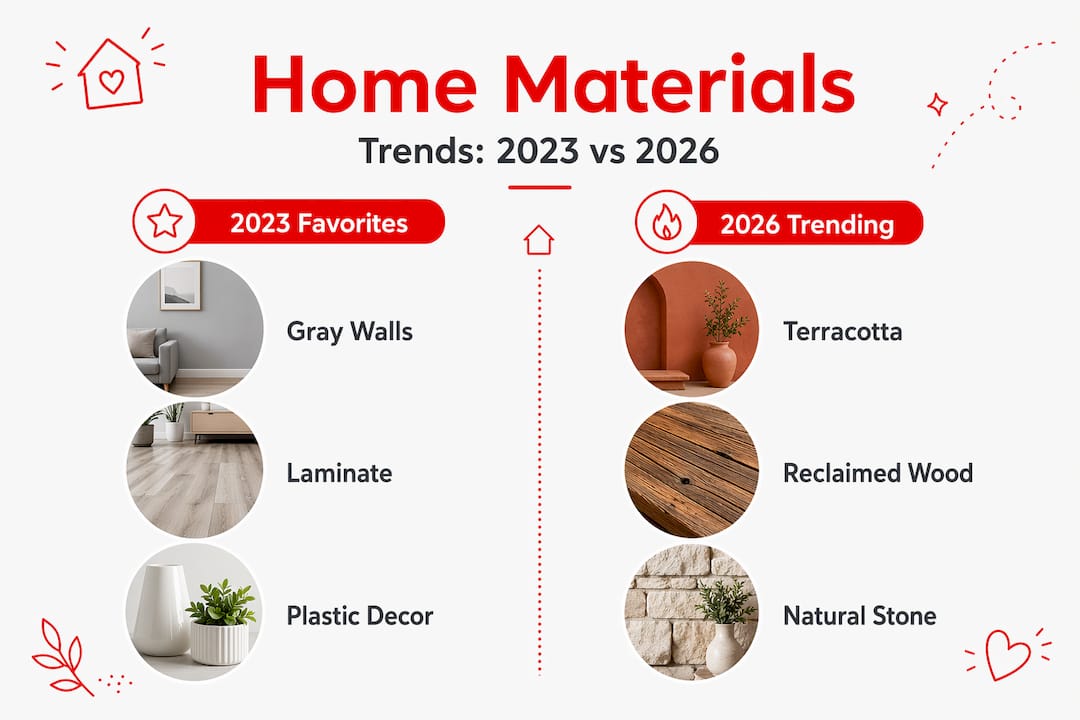
Here’s a quick comparison to help you visualize where things stand:
| 2023 to 2024 Favorites | 2026 Trending Replacements |
|---|---|
| Cool gray walls | Warm terracotta and sage green |
| All-white kitchens | Wood-grain cabinetry and warm neutrals |
| Polished chrome fixtures | Brushed brass and oxidized metals |
| Smooth MDF surfaces | Reclaimed wood and natural stone |
| Synthetic textiles | Linen, wool, and organic cotton |
The appeal of these materials goes beyond aesthetics. Reclaimed wood carries character that can’t be manufactured. Natural stone ages in a way that looks intentional rather than worn. Linen softens with every wash. These are materials that grow with you rather than against you.
Key material choices gaining traction this year include:
- Reclaimed wood for flooring, shelving, and accent walls
- Bamboo for cabinetry, screens, and furniture frames
- Natural stone for countertops, fireplace surrounds, and feature walls
- Cork for flooring and wall panels in home offices and reading rooms
- Linen and organic cotton for upholstery, drapery, and bedding
Pro Tip: If a full renovation feels out of reach, start with a single linen throw, a ceramic lamp, or a reclaimed wood shelf. These small investments shift a room’s atmosphere instantly and cost far less than you’d expect.
Layout and floor plan trends
The open floor plan had a remarkable run. It offered light, flexibility, and a sense of togetherness that appealed to families and entertainers alike. But something interesting has happened. After years of working from home, homeschooling, and spending unprecedented time indoors, people have realized that total openness can be exhausting. The latest interior trends 2026 are responding with a gentle but deliberate correction.
Semi-closed spaces and defined zones
Semi-closed floor plans are now preferred by a growing number of homeowners. Rather than tearing down every wall, the approach uses partial walls, sliding panels, arched doorways, and strategic furniture placement to define distinct zones within a larger space. You get the light and flow of an open layout, but with enough separation to actually concentrate in the home office while dinner is being prepared thirty feet away.
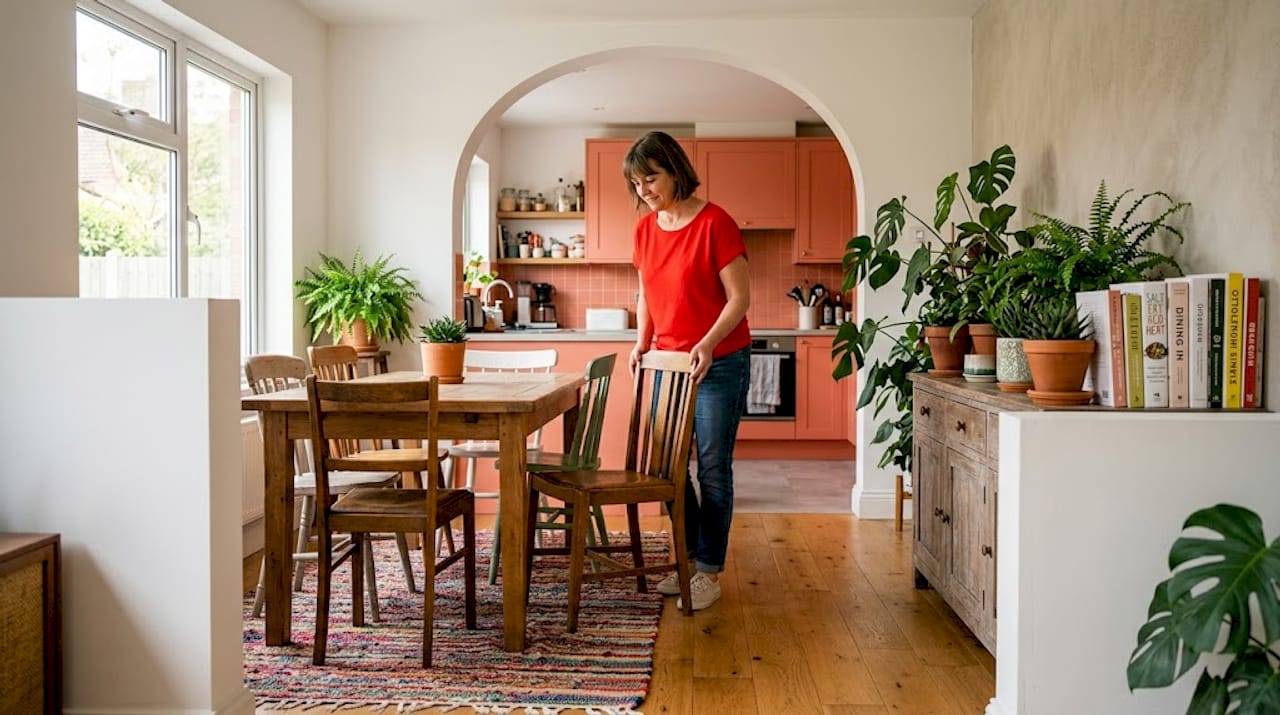
This shift matters practically because it affects how you’ll approach any renovation or refresh in 2026. Think of layout not as a fixed decision but as a spectrum. You’re not choosing between fully open and fully closed. You’re choosing how much connection and how much separation each activity zone in your home needs.
Here are four layout strategies gaining real momentum this year:
- Add a partial wall or bookshelf divider between your living and dining areas to create visual separation without sacrificing light or airflow.
- Define a reading nook using a built-in bench, curtain, or recessed alcove. Listing mentions of reading nooks are up 48% on Zillow, reflecting just how much buyers value these tucked-away retreats.
- Convert underused square footage like an awkward landing or oversized hallway into a focused home office alcove. A desk, a task light, and a curtain can transform dead space into a productive corner.
- Use area rugs and ceiling-height bookshelves to signal zone boundaries in open-plan rooms without a single structural change.
The goal of every one of these strategies is the same: give each activity a home. When your space has purpose at every square foot, it stops feeling chaotic and starts feeling calm. These home upgrades that boost comfort consistently show up as among the most satisfying investments homeowners make.
Furniture and decorative trends in 2026
Here’s something that surprises many people when they first encounter it: in 2026, matching is out. Not quietly out. Aggressively, intentionally out. The new standard for 2026 home decor ideas is layering, and the richest-looking rooms are the ones that feel like they’ve been collected over time rather than purchased all at once.
Mixing textures and metals with confidence
Experts consistently point to the combination of handmade ceramics, weathered linen, and oxidized metals alongside modern pieces as the defining aesthetic of 2026 interiors. A brushed brass lamp next to a matte black side table. A rough-textured ceramic bowl on a smooth marble surface. A velvet cushion against a nubby wool throw. These pairings create depth, warmth, and a sense that a real person with real taste lives there.
The metal mixing trend deserves special attention because it represents a genuine departure from the rule-following instincts most homeowners carry. For years, the advice was to pick one metal finish and stick to it. Now, intentionally layered metals are considered a mark of sophisticated design rather than a mistake. The key is varying the finish rather than the color family. Matte brass, brushed gold, and antique bronze all live happily together. Polished chrome next to matte black requires a bit more confidence, but it can work beautifully in the right space.
Standout furniture and decor features to watch in 2026:
- Curved sofas and rounded furniture replace sharp-edged sectionals, softening rooms and encouraging people to actually sit close together
- Arched mirrors as focal points in living rooms, hallways, and bedrooms
- Tactile upholstery including boucle, velvet, and ribbed cotton that invites touch
- Handmade or artisan ceramics used as vases, bowls, and decorative objects
- Weathered or antiqued finishes on picture frames, side tables, and light fixtures
Pro Tip: Before purchasing new furniture, experiment with what you already own. Rearranging existing pieces, adding a textured throw, or swapping out hardware on a dresser can create a noticeably more layered look without spending a cent.
Personalization matters here, but with one caveat worth noting. If you’re planning to sell within a few years, keep your most expressive choices in secondary spaces like guest rooms or home offices. Main living areas benefit from warmth and texture, but staying within broadly appealing palettes protects resale appeal.
Smart home tech and wellness design
Modern living trends 2026 are defined by a fascinating duality. Homeowners want their spaces to feel warmer, more natural, and less tech-heavy on the surface, while simultaneously asking more of their home’s systems than ever before. The resolution to this apparent contradiction is invisible integration.
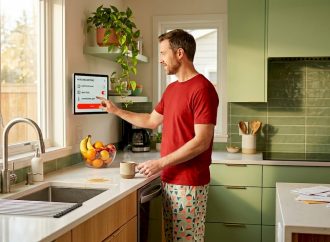
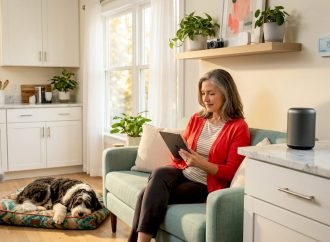
Smart home systems are increasingly being designed to disappear into the fabric of a home rather than announce themselves. Thermostats tuck behind trim. Speakers integrate into ceilings. Lighting systems operate automatically based on time of day and occupancy. The technology becomes the infrastructure, and the aesthetic remains uninterrupted.
Wellness design is the other side of this coin. Biophilic design, which incorporates natural elements like plants, water features, and natural light to support human wellbeing, is no longer a trend reserved for spas and hotels. It’s becoming a residential standard. Circadian lighting systems that shift from cool energizing white in the morning to warm amber in the evening are appearing in master bedrooms and home offices alike. Quiet zones, rooms intentionally stripped of screens and audio, are being designed into new builds and retrofitted into existing homes.
Key tech and wellness features making the biggest impact in 2026 homes:
- Automated lighting that adjusts color temperature throughout the day, supporting natural sleep cycles
- Whole-home batteries and energy management systems, with 86% of buyers considering climate-resilient features very important
- Integrated audio systems with in-wall or in-ceiling speakers that eliminate visible equipment
- Indoor plants and living walls as structural design elements, not afterthoughts
- Natural ventilation planning and air quality monitoring for genuinely healthier indoor environments
The best home improvement tech choices in 2026 are the ones you stop noticing after a week because they simply make your home feel better without demanding your attention.
What’s fading and how to apply 2026 trends
Understanding future home styles means knowing what to move away from just as much as knowing what to move toward. Some trends have run their course, and holding onto them now works against both your enjoyment and your home’s value.
Here’s what design professionals consistently flag as fading out in 2026:
- All-gray interiors from walls to cabinetry to flooring feel cold and dated. Warm neutrals have comprehensively taken their place.
- Overdone farmhouse elements including shiplap walls, mason jar lighting, and galvanized metal accents have reached saturation point.
- Two-story entry foyers are being seen as impractical, energy-inefficient, and wasteful of livable square footage.
- Uniform metal finishes throughout a home signal an absence of personality in 2026. Mixing is now the mark of a thoughtful space.
- Open shelving in kitchens without careful curation. The look requires constant maintenance and quickly turns from airy to cluttered.
The good news is that applying 2026 trends doesn’t have to mean a full renovation. 62% of renovators purchase paint as their primary tool for home refreshes, and a single warm paint color remains one of the highest-impact, lowest-cost updates you can make.
Here’s a practical starting framework:
| Update type | Estimated impact | Approximate cost range |
|---|---|---|
| Warm paint color throughout a room | High visual impact | $50 to $200 |
| Textured throw and cushion swap | Medium warmth and comfort gain | $80 to $300 |
| New lighting fixture in mixed metal finish | High aesthetic shift | $100 to $500 |
| Feature wall in natural stone or reclaimed wood | Very high visual impact | $500 to $3,000 |
| Smart lighting system installation | High daily quality of life gain | $200 to $1,500 |
The most satisfying renovations in 2026 are the ones that serve the people living in the home, not just the people who might visit it. Start with the rooms you spend the most time in, and work outward from there. Maximizing ROI on renovations means aligning your improvements with both current buyer preferences and your own daily experience.
My honest take on 2026 home design
I’ve worked through enough home improvement projects to have a strong, perhaps stubborn opinion about what actually makes a space good to be in. And I’ll say it plainly: the minimalism era pushed too hard for too long. I’ve been in beautifully styled homes where nothing was out of place and nothing felt welcoming either. You were afraid to set down a coffee mug.
What I find genuinely exciting about 2026 trends is that they’re correcting this. The move toward texture, warmth, and layered imperfection isn’t just aesthetically appealing. It’s psychologically sound. Spaces with varied surfaces, warm tones, and natural materials actually reduce perceived stress. I’ve experienced this firsthand in rooms I’ve worked on, and the difference between a flat, cool room and a layered, warm one is not subtle.
On the smart home side, I’ll offer one caution I’ve learned the hard way. Technology that requires your active attention isn’t invisible tech. It’s just complicated tech. The best integrations are the ones you set once and genuinely forget about. If you’re considering a smart lighting system or a whole-home audio setup, spend your money on professional installation rather than the flashiest hardware. The result will feel effortless, which is exactly the point.
My biggest piece of advice for 2026? Design for the life you actually live, not the life you think you should live or the home you think you should show off. Warmth, texture, and personality are not decorating risks. They’re what makes a house feel like yours.
— Alexander
Ready to transform your space?
The trends shaping 2026 are genuinely exciting because they’re pointing homeowners back toward spaces that feel real, warm, and purposeful. Whether you’re planning a full renovation or just looking for your next smart update, knowing which directions have staying power makes every decision more confident.
If you’re ready to take the next step, explore the practical guides built to help you get more out of every improvement you make. The tips that maximize your ROI cover everything from budget-conscious color refreshes to high-impact tech integrations that align perfectly with what buyers and families are prioritizing right now. You’ll also find deep dives on home improvement projects across every corner of the house, from kitchens and living rooms to outdoor spaces and smart systems. The resources are there to make your 2026 transformation feel as rewarding as it looks.
FAQ
What are the top color trends for homes in 2026?
Terracotta, sage green, warm beige, and soft navy are leading the 2026 palette, with color drenching growing 149% year-over-year in real estate listings. Cool grays and all-white interiors are being widely replaced by these warmer, more immersive tones.
Is the open floor plan still popular in 2026?
Open floor plans are giving way to semi-closed layouts that use partial walls, arched openings, and furniture zoning to create purposeful, defined spaces. Reading nooks and home offices are up 48% in listing mentions, reflecting a clear preference for privacy and dedicated functional zones.
What sustainable materials are trending in 2026?
Reclaimed wood, bamboo, cork, and natural stone are the leading sustainable choices for 2026 interiors. These materials have moved from niche eco-renovations into mainstream home design, valued for both their environmental credentials and their natural texture.
How do I update my home to match 2026 trends on a budget?
Start with paint. 62% of renovators use color as their primary refresh tool, and a warm earth tone on a single room can dramatically shift the feel of your home. Add textured textiles and swap out one metal fixture for a mixed-finish alternative to layer the look further.
Are smart home features worth investing in for 2026?
Yes, particularly systems that integrate discreetly with your home’s design. Automated lighting, smart thermostats, and whole-home energy systems are increasingly standard expectations among buyers, and they add genuine daily comfort alongside measurable property value.















Leave a Comment
Your email address will not be published. Required fields are marked with *