
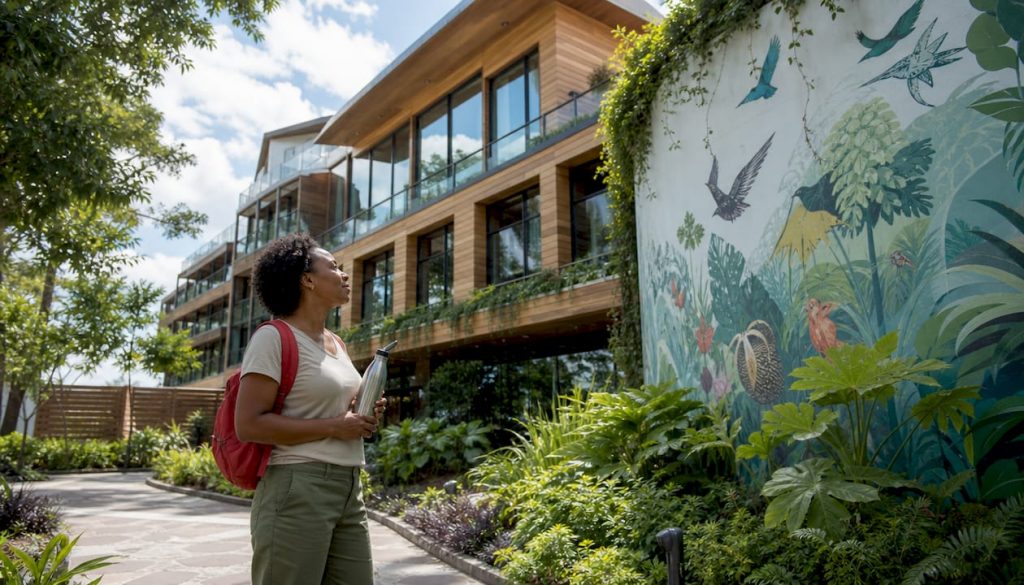
Discover why eco-friendly hotels are worth choosing in 2026. Enjoy healthier stays while minimizing your environmental impact!
Eco-friendly hotels are accommodations designed to minimize environmental impact while delivering healthier, more authentic travel experiences. Why eco-friendly hotels matter is no longer a niche question. 75% of global travelers want to travel more sustainably, with 43% reporting eco-guilt over less environmentally friendly choices. That shift reflects a deeper change in how people think about travel. Sustainable hotels, the industry’s recognized term for this category, go far beyond recycling bins and refillable shampoo bottles. They address energy use, indoor air quality, food sourcing, and building materials in ways that directly improve your stay. Certifications from third-party auditing bodies, biophilic design techniques like moon wood construction, and off-grid operations set the best properties apart from those making surface-level green claims.
Why eco-friendly hotels offer real environmental benefits
Sustainable hotels reduce environmental impact across three core areas: energy consumption, water use, and waste generation. Each area connects directly to the carbon footprint of your stay, and the best properties treat all three as integrated systems rather than isolated checkboxes.
Energy reduction is the most visible commitment. Properties powered by solar panels eliminate reliance on fossil-fuel grids for daily operations. Some mountain lodges go further, limiting car access entirely and relying on public transport or cable cars to reduce transport-related emissions. That logistical choice signals a genuine commitment to sustainability rather than a marketing posture.
Water conservation works through low-flow fixtures, greywater recycling systems, and native landscaping that requires minimal irrigation. Waste reduction programs go beyond recycling to include composting, zero-waste kitchens, and partnerships with local farms that cut packaging and delivery traffic. Organic food sourcing shortens supply chains and reduces the carbon cost of getting ingredients to your plate.
Building materials tell an equally important story. Moon wood, harvested during waning lunar phases, has reduced water content that lowers shrinkage and mold risk. That makes structures more durable and extends building longevity without chemical treatments. Timber construction also stores carbon rather than releasing it, making wood-framed eco lodges a net positive for the atmosphere over their lifetime.
- Solar power and off-grid energy systems eliminate fossil-fuel dependence
- Public transport access and car-free zones cut transport emissions significantly
- Organic and regional food sourcing reduces packaging waste and delivery traffic
- Moon wood and untreated natural materials store carbon and avoid chemical off-gassing
- Composting and zero-waste kitchens divert organic material from landfills
Pro Tip: When researching a property, check whether its sustainability report covers energy, water, and waste together. A hotel that addresses only one area is likely making a partial commitment.
How do eco-friendly hotels improve guest health and wellness?
Sustainable hotels offer better indoor air quality through non-toxic products and healthier building materials. That benefit is more significant than it sounds. Conventional hotels often use synthetic cleaning agents, flame-retardant-treated fabrics, and VOC-heavy paints that accumulate in enclosed spaces. Eco properties replace these with plant-based cleaners, organic cotton linens, and natural finishes that keep the air genuinely clean.

Biophilic design amplifies the wellness effect. Properties built with untreated moon wood, stone, and natural fibers create environments that feel grounded and calm. The absence of synthetic materials means fewer allergens, less off-gassing, and a sensory experience that feels noticeably different from a standard hotel room. Guests with respiratory sensitivities or chemical sensitivities often report that eco lodges are the only hotel environments where they sleep well.
Food quality is the third pillar of wellness in sustainable accommodation. Regionally sourced, organic menus reduce pesticide exposure and deliver fresher ingredients. Some properties grow produce in on-site organic gardens, meaning the vegetables on your plate were harvested hours earlier. That level of freshness is rare in conventional hospitality and represents a genuine advantage for health-conscious travelers.
Here is a practical breakdown of the wellness benefits you can expect from a well-run eco property:
- Cleaner indoor air from non-toxic cleaning products and natural building materials
- Better sleep quality from organic bedding, reduced chemical exposure, and quieter natural settings
- Fresher, more nutritious food from on-site gardens and local farm partnerships
- Lower allergen exposure from untreated natural materials and plant-based toiletries
- Reduced stress from biophilic design elements like natural wood, stone, and greenery
Pro Tip: Ask the property directly whether their cleaning products carry a recognized eco-label such as EPA Safer Choice or Green Seal. Properties with genuine wellness commitments will answer that question without hesitation.
Why does authenticity in green claims build guest loyalty?
Trust in a hotel’s genuine climate commitment drives customer loyalty more than the green claim itself. Guests who perceive that a property’s sustainability practices come from internal values rather than marketing strategy are more emotionally engaged and far more likely to return. That finding reframes the entire conversation about green hospitality. The question is not whether a hotel is sustainable. The question is whether guests believe it.
Third-party certification is the clearest signal of genuine commitment. Bodies like Green Key, LEED, and EarthCheck audit properties against measurable standards covering energy, water, waste, and community impact. A certification badge on a hotel website carries far more weight than self-reported claims because it represents an independent verification process. Travelers who understand this distinction make better booking decisions.
Greenwashing creates the opposite effect. Properties that rely on cosmetic swaps, such as removing single-use plastics while ignoring energy consumption, generate skepticism and backlash. Marketing that fosters guest pride in collective environmental efforts outperforms strategies that emphasize eco-guilt. Guests want to feel good about their choice, not lectured about their carbon footprint.
Emotional storytelling is the tool that converts a one-time guest into a loyal advocate. When a property shares the story of its local farm partnership, its solar installation journey, or its community reforestation program, it gives guests something to connect with and talk about. That pride travels home with them and generates word-of-mouth that no advertising budget can replicate.
- Third-party certifications (Green Key, LEED, EarthCheck) verify claims independently
- Internal motivation signals, like local farm contracts and off-grid design, build credibility
- Greenwashing triggers skepticism and reduces the likelihood of repeat stays
- Pride-based storytelling outperforms guilt-based messaging in driving loyalty
- Guest segmentation by environmental consciousness helps properties tailor communication effectively
How can you identify a truly sustainable hotel?
Authentic sustainability involves internal motivations like local farming partnerships and off-grid operations, not just surface-level green swaps. Knowing what to look for separates a genuinely responsible property from one that has simply updated its marketing language.
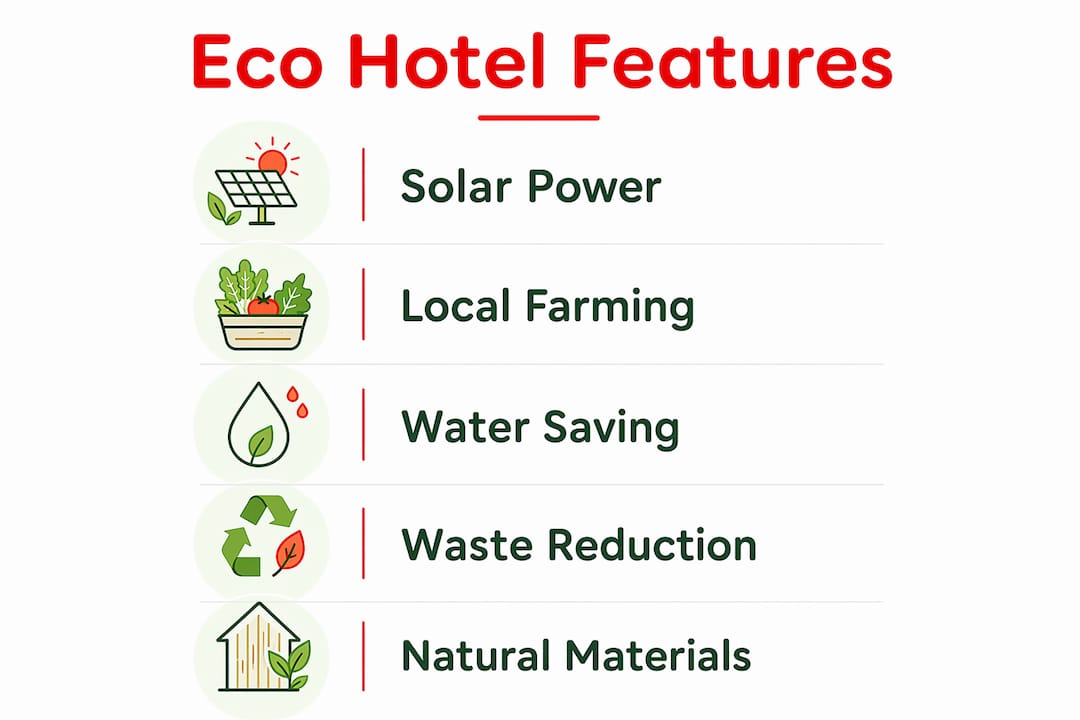
Start with the property’s operational choices. A hotel that sources produce from a named local farm, generates its own solar power, and composts kitchen waste has built sustainability into its daily operations. That integration is hard to fake and easy to verify. A hotel that offers refillable shampoo bottles but flies in ingredients from across the country has made a cosmetic change, not a structural one.
Location logistics matter more than most travelers realize. Properties in areas with restricted car access that rely on public transport or cable cars have made a commitment that shapes every guest’s experience. That choice reduces the property’s transport-related emissions and signals that sustainability extends beyond the building itself. Check whether the hotel provides clear guidance on car-free arrival options before you book.
Certifications and guest reviews work together as a verification system. A certification from Green Key or LEED tells you the property meets measurable standards. Guest reviews that specifically mention the quality of organic food, the freshness of the air, or the authenticity of the staff’s environmental knowledge confirm that the certification reflects daily reality. Look for both signals, not just one.
Perceived green practices are the strongest predictor of a traveler’s willingness to pay a premium, outweighing brand image alone. That means genuine sustainability has real commercial value, and properties that invest in it attract guests who are willing to pay for quality. Balancing sustainability with comfort, price, and service quality is not a compromise. The best eco properties prove that all four can coexist.
| Evaluation criterion | What to look for |
|---|---|
| Energy sourcing | Solar, wind, or off-grid systems rather than standard grid reliance |
| Food and supply chain | Named local farm partnerships and on-site organic gardens |
| Building materials | Natural, untreated materials like moon wood, stone, and organic textiles |
| Third-party certification | Green Key, LEED, or EarthCheck verification with current audit dates |
| Transport access | Car-free arrival options, public transport connections, or cable car access |
Pro Tip: Search the property name alongside “sustainability report” or “green certification” before booking. Genuine eco properties publish this information openly. If you cannot find it, that absence is itself an answer.
You can also explore eco-focused businesses in your destination city to understand the local sustainability culture before you arrive. Communities with strong green business networks tend to support hotels that share those values.
Key Takeaways
Eco-friendly hotels deliver measurable environmental, health, and loyalty benefits that make them the strongest choice for travelers who want their accommodation to match their values.
| Point | Details |
|---|---|
| Environmental impact is real | Solar power, moon wood construction, and car-free access reduce a property’s carbon footprint significantly. |
| Wellness benefits are tangible | Non-toxic materials, organic food, and biophilic design improve air quality and sleep for guests. |
| Authenticity drives loyalty | Guests return to properties where sustainability feels like a genuine value, not a marketing claim. |
| Certifications verify claims | Green Key, LEED, and EarthCheck audits confirm that a property meets measurable sustainability standards. |
| Comfort and sustainability coexist | The best eco properties prove that environmental responsibility and high-quality guest experience are not in conflict. |
The case for choosing green lodging with intention
Our team at Lizard’s Lunch has followed the sustainable travel space closely, and one pattern stands out clearly. The travelers who get the most from eco-friendly accommodation are the ones who choose it with intention rather than assumption.
The biggest mistake we see is treating a sustainability certification as a guarantee of a great stay. Certifications matter, but they measure operational standards, not guest experience. The properties that genuinely deliver on both are the ones where sustainability is woven into the culture of the staff, the design of the building, and the sourcing of every meal. You feel that difference within hours of arriving.
There is also a counterintuitive truth worth naming. Eco-friendly hotels are not always the most expensive option. Off-grid properties in rural or mountain settings often cost less than urban luxury hotels while delivering a far richer experience. The value equation shifts when you factor in the quality of food, the cleanliness of the air, and the depth of the natural setting.
The wellness dimension of green lodging is still underappreciated. Most travelers focus on the environmental argument, which is valid and important. But the personal benefit of sleeping in a room with clean air, eating food grown fifty meters away, and waking up in a building made from natural materials is something you carry home with you. That experience changes how you think about your everyday environment too. Pairing your travel choices with sustainable living habits at home creates a consistency that feels genuinely satisfying.
Support the properties that are doing this well. They are proving that hospitality and environmental responsibility belong together, and that proof matters for the entire industry.
— Our team at Lizard’s Lunch
Sustainable travel resources from Lizardslunch
Choosing a green hotel is one of the most meaningful decisions you can make as a traveler. Lizardslunch covers the full picture of sustainable and wellness-focused living, from packing strategies that reduce waste to healthy lifestyle habits that complement eco-conscious travel. If you want your trip to feel as good as it looks on paper, pairing smart accommodation choices with the right preparation makes all the difference. Our complete healthy lifestyle guide connects the dots between wellness, sustainability, and daily habits that support both. For travelers who want to travel lighter and smarter, our minimalist travel tips offer a practical starting point for every trip.
FAQ
What makes a hotel truly eco-friendly?
A truly eco-friendly hotel operates with internal sustainability systems, including solar energy, organic food sourcing, and third-party certification from bodies like Green Key or LEED. Properties that rely only on cosmetic changes, like refillable toiletries, without addressing energy or supply chains do not meet this standard.
Why do travelers choose sustainable hotels?
75% of global travelers want to travel more sustainably, driven by environmental values and the desire for healthier, more authentic experiences. Wellness benefits, cleaner air, and organic food are increasingly strong motivators alongside environmental responsibility.
Do eco-friendly hotels cost more?
Perceived green practices are the strongest predictor of willingness to pay a premium, but many eco properties, especially off-grid or rural lodges, are competitively priced. The value calculation changes when food quality, air quality, and setting are factored in alongside the room rate.
How do I avoid greenwashing when booking?
Look for current third-party certifications, named local farm partnerships, and guest reviews that confirm the property’s green claims in practice. If a hotel cannot provide a sustainability report or certification number, treat its green marketing with skepticism.
What is moon wood and why does it matter in eco hotels?
Moon wood is timber harvested during waning lunar phases when water content in the wood is naturally lower. That reduced moisture makes the wood more resistant to mold and shrinkage, extending building life and improving indoor air quality without chemical treatments.


















Leave a Comment
Your email address will not be published. Required fields are marked with *