

Discover sustainable living tech tips to transform your home in 2026. Cut costs and reduce your environmental impact with smart solutions.
Sustainable living tech tips are practical technologies and digital habits that reduce your environmental impact while cutting energy and water costs. The most effective green living approach combines smart energy management, water conservation, mindful digital behavior, and device longevity. AI-powered systems like EcoSense AI now reduce electricity bills by 18% on average by automating HVAC and water heating schedules. That single shift shows how technology, when applied thoughtfully, turns eco-friendly intentions into measurable results. Whether you rent or own, these strategies scale to your budget and home size.
1. How AI-powered energy management cuts your bills
AI energy management is the most direct path to lower utility bills and a smaller carbon footprint. Systems like EcoSense AI learn your household patterns and automatically shift heating, cooling, and water heating away from peak utility pricing hours. The result is an 18% average drop in electricity costs, based on 2025 user reports. That is not a marginal gain. For a household spending $200 per month on electricity, that translates to roughly $432 in annual savings.
The key features that make these systems work include:
- Predictive scheduling: The AI analyzes historical usage and weather forecasts to pre-cool or pre-heat your home before peak rate windows open.
- Appliance-level control: Connected thermostats and smart water heaters respond to real-time grid signals, not just timers.
- Usage dashboards: You see exactly where energy goes, which makes behavior change far easier.
- Remote access: Adjust settings from your phone when plans change, preventing wasted heating or cooling in an empty home.
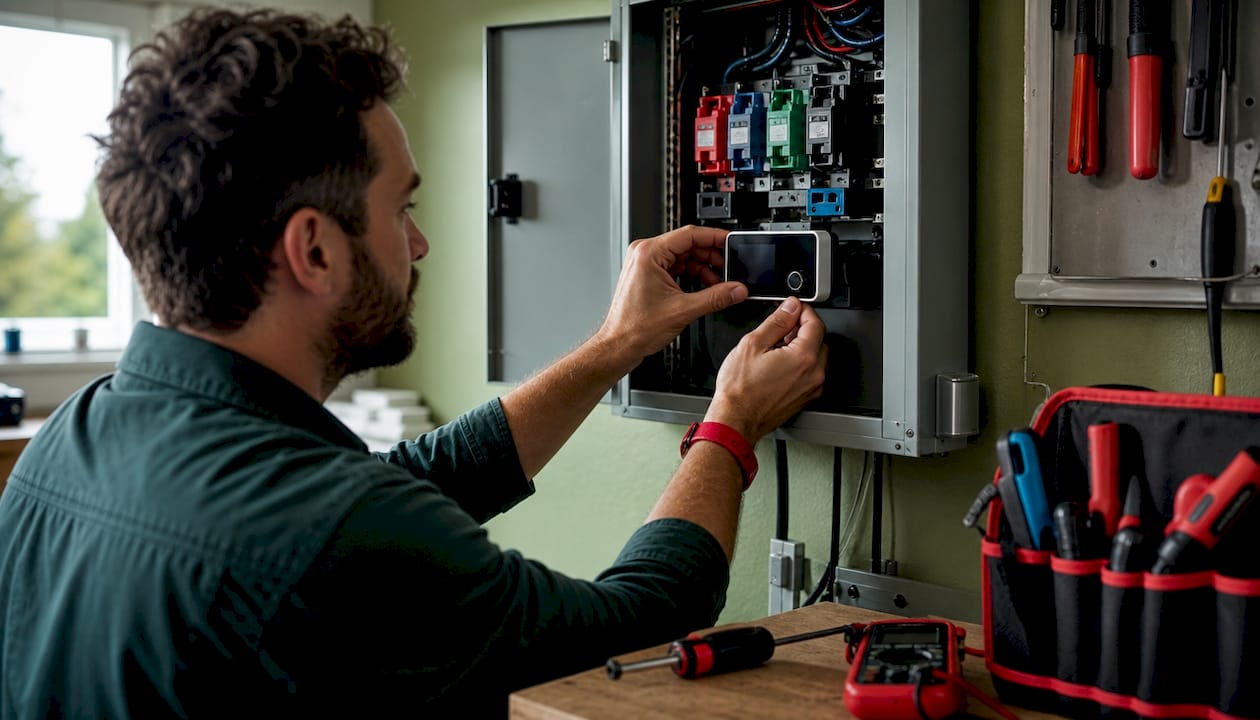
Starting with a real-time energy monitor before committing to a full AI system is the smartest first move. These standalone devices cost far less and give you the actual usage data you need to size any future upgrade correctly.
Pro Tip: Install a real-time energy monitor for 30 days before purchasing any smart thermostat or battery system. The data will tell you exactly where your biggest waste is, so you spend money where it counts.
2. What digital habits shrink your carbon footprint?
Your digital life has a physical cost. Data centers run 24 hours a day, 7 days a week, and every email you store, every redundant backup you keep, and every auto-play video you stream draws power from those facilities. Digital clutter contributes meaningfully to carbon emissions, and a weekly 10–15 minute cleanup routine is one of the highest-impact habits you can build for free.
Here are the digital habits that deliver real results:
- Enable dark mode on OLED screens. OLED pixels turn off completely when displaying black, so dark mode saves up to 30% energy on compatible devices. That extends battery life and reduces charging frequency.
- Delete redundant cloud backups. Three copies of the same photo stored across Google Photos, iCloud, and a local drive triple the server energy used to maintain them.
- Turn off auto-play. Streaming platforms default to continuous playback. Disabling auto-play stops hours of unintended video consumption.
- Share links, not attachments. Sharing expiring links instead of emailing large files reduces version sprawl and cuts the energy needed to store and transmit duplicate data.
- Limit auto-sync frequency. Setting cloud sync to manual or scheduled intervals rather than continuous reduces background data traffic significantly.
AI tools deserve a special mention here. AI-powered queries consume significantly more energy than a standard web search. Using AI assistants mindfully, rather than reflexively, is a genuine eco-friendly technology tip that most guides overlook.
Pro Tip: Set a recurring 10-minute calendar block each Sunday to clear your downloads folder, empty your email trash, and review your cloud storage. Treat it the same way you treat taking out the recycling.
3. Which water-saving technologies have the greatest impact?
Water is the resource most people forget when thinking about sustainable lifestyle hacks. The EPA reports that household leaks waste over 10,000 gallons of water annually. That volume equals roughly 270 full bathtubs, lost silently through dripping faucets, running toilets, and slow pipe seeps.
Smart water monitoring systems address this directly. They attach to your main water line and track flow patterns in real time. When the system detects an anomaly, such as water running at 3:00 AM with no fixtures open, it sends an alert and can trigger an automatic shutoff valve. This technology is especially valuable in water-scarce regions like California, where some insurers offer premium discounts for installation of certified leak detection systems.
Beyond leak detection, these affordable upgrades deliver strong results:
- Low-flow showerheads and faucet aerators: These retrofit onto existing fixtures in minutes and reduce water flow by 30–50% without noticeable pressure loss.
- Smart irrigation controllers: These systems connect to local weather data and skip scheduled watering cycles when rain is forecast, preventing the common waste of sprinklers running during a downpour.
- Dual-flush toilets: Replacing a standard toilet with a dual-flush model cuts toilet water use by roughly half.
- Insulated hot water pipes: Reducing the time you wait for hot water means less water runs down the drain while you wait.
Older homes benefit most from retrofitting. A smart water monitor paired with low-flow fixtures covers the majority of household water waste without requiring any major plumbing work.
4. Why extending your device lifespan is the greenest upgrade
The greenest device is the one you already own. Extending device life through repair and maintenance reduces the demand for raw material mining, lowers manufacturing emissions, and keeps electronics out of landfills. Every smartphone manufactured requires rare earth metals extracted through energy-intensive processes. Keeping your current phone for an extra two years avoids that entire production cycle.
Practical device care habits that extend lifespan include:
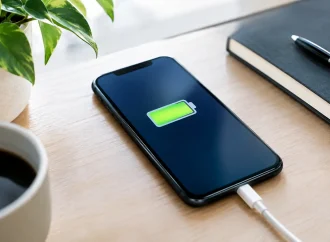
- Battery maintenance: Avoid charging to 100% or draining to 0% regularly. Keeping lithium batteries between 20–80% charge significantly slows degradation.
- Software updates: Manufacturers release updates that improve efficiency and security. Skipping them accelerates obsolescence.
- Physical protection: A quality case and screen protector cost under $30 and prevent the cracked screens that push people toward replacement.
- Professional repair: Screen replacements, battery swaps, and port cleaning are widely available and cost a fraction of a new device.
The right-to-repair movement has made this easier. More manufacturers now publish repair manuals and sell replacement parts directly. When a device reaches the end of its useful life with you, donating it to a certified refurbisher or recycling it through a manufacturer take-back program keeps it out of the waste stream. The role of gadgets in daily life includes a responsibility to manage them well from purchase to disposal.
5. How to prioritize sustainable tech upgrades for maximum impact
Sustainable tech adoption fails most often when people buy expensive systems before understanding their actual usage patterns. Installing a real-time energy monitor first gives you the data foundation every subsequent upgrade depends on. Without it, you risk oversizing a solar array or undersizing a battery backup, both of which waste money and resources.
A sequenced approach works far better than a single large purchase:
| Priority | Upgrade | Why it comes first |
|---|---|---|
| 1 | Real-time energy monitor | Reveals actual usage before any investment |
| 2 | Smart plugs on always-on devices | Eliminates phantom power with minimal cost |
| 3 | Smart thermostat | Automates the largest single energy draw |
| 4 | Low-flow water fixtures | High impact, low cost, no installation skill needed |
| 5 | Solar or battery storage | Sized correctly only after steps 1–4 are complete |
Phantom power, the electricity drawn by devices in standby mode, accounts for a meaningful share of home energy use. Smart plugs with scheduling features cut this waste automatically. Pairing them with a smart home setup lets you build an integrated system incrementally, adding components as your budget and data support each decision.
Regional factors matter too. Homes in hot climates gain more from smart thermostat automation. Homes in water-scarce areas gain more from leak detection. Budget-conscious readers should focus on the top three rows of the table above, since those three upgrades deliver the highest return per dollar spent.
Pro Tip: Before buying any smart home device, check whether your utility company offers rebates. Many U.S. utilities reimburse 50–100% of the cost of certified smart thermostats and energy monitors through demand-response programs.
6. Simple eco-friendly gadgets worth adding today
Not every green living upgrade requires a large investment or a contractor. A category of affordable, standalone devices delivers real environmental benefits right out of the box. These are the gadgets that earn their place in any eco-conscious home.
Smart power strips detect when a primary device, like a television, powers off and automatically cut power to connected peripherals like gaming consoles and soundbars. This eliminates standby waste across an entire entertainment setup without any app or configuration.
Programmable LED lighting with occupancy sensors turns lights off in empty rooms automatically. LED bulbs already use roughly 75% less energy than incandescent bulbs. Adding occupancy sensing removes the human error of leaving lights on.
Portable solar chargers are practical for anyone who spends time outdoors. They charge phones and small devices directly from sunlight, reducing grid dependence during travel or outdoor activities. Pairing one with wearable tech in travel creates a genuinely low-impact travel setup.
Compost sensors are a newer category worth watching. These small devices monitor moisture and temperature inside compost bins and send alerts when conditions are off, improving decomposition rates and reducing the methane produced by food waste in landfills.
The pattern across all of these gadgets is the same. They remove friction from sustainable behavior. You do not have to remember to turn off the power strip or check the compost. The device handles it, and your footprint shrinks without extra effort.
7. How to build lasting green digital habits with apps
The best sustainable apps do one thing well: they make the invisible visible. When you cannot see your energy use, water consumption, or digital storage footprint, you cannot manage it. Apps that surface this data in real time change behavior more reliably than willpower alone.
Energy tracking apps connect to smart meters or home monitors and display consumption by hour, day, and appliance category. The most useful ones send alerts when usage spikes above your baseline, catching problems like a refrigerator running warm or an HVAC system cycling too frequently.
Carbon footprint calculators, available through environmental nonprofits and government agencies, let you input travel, diet, and home energy data to see your total annual emissions. The value is not in the number itself. The value is in seeing which category dominates your footprint, because that tells you where to focus first.
Water usage apps paired with smart irrigation controllers track gallons used per zone and compare your consumption against regional averages. Seeing that your lawn uses three times the neighborhood median is a powerful motivator for switching to drought-tolerant landscaping or adjusting irrigation schedules.
For digital carbon management, file management apps that visualize storage usage make the cleanup process concrete. You can see that 40GB of duplicate photos costs real server energy, and deleting them takes two minutes. Pairing these tools with the digital skills needed to manage files and cloud accounts efficiently makes the habit stick long-term.
Key takeaways
Sustainable living with technology works best as a system: start with data, eliminate waste, then automate what remains.
| Point | Details |
|---|---|
| Start with energy monitoring | Install a real-time monitor before buying solar or battery systems to avoid costly sizing errors. |
| Dark mode saves real energy | Enabling dark mode on OLED devices cuts screen energy use by up to 30%. |
| Leaks waste 10,000+ gallons | Smart water monitors with auto-shutoff prevent the most common and invisible household water waste. |
| Repair beats replacement | Extending a device’s life by two years eliminates an entire manufacturing and mining cycle. |
| Sequence your upgrades | Smart plugs and thermostats deliver faster returns than solar when installed first. |
Our team’s take on sustainable tech in 2026
The conversation around sustainable tech tends to focus on the newest, most expensive products. Our team at Lizard’s Lunch finds that framing misleading. The most impactful green living advice we can offer is this: the device you already own, maintained well and used thoughtfully, is almost always greener than anything you could buy to replace it.
What surprises most readers is how much the digital side of sustainability gets ignored. Physical recycling and energy-efficient appliances get all the attention. But data centers consume enormous amounts of electricity, and the habits that feed them, storing everything, streaming constantly, and using AI for every minor task, add up in ways that are genuinely significant.
The integration principle matters more than any single purchase. A smart thermostat connected to a real-time energy monitor, paired with smart plugs eliminating phantom power, creates a system where each component makes the others more effective. That compounding effect is what separates households that see real reductions from those that buy green gadgets and see no change.
We also think the repair mindset deserves more credit than it gets. Choosing to fix a cracked screen or replace a battery is not a compromise. It is the most technically sound and environmentally correct decision available. The tech trends emerging in 2026 point toward longer software support cycles and more modular device design, which makes repair easier and more worthwhile than ever.
Incremental progress is real progress. You do not need to overhaul your home in a weekend. Pick one tip from this list, implement it fully, and measure the result. That feedback loop is what builds lasting sustainable habits.
— Our team at Lizard’s Lunch
Sustainable upgrades start at home
The tips in this article pair naturally with broader home improvement decisions. When you renovate or upgrade your space, those moments are the ideal time to wire in smart energy systems, upgrade plumbing fixtures, or add insulation that works alongside your new thermostat. Lizard’s Lunch covers the full picture of home improvement with practical, budget-conscious guidance. Our home renovation ideas show you how to add character and value while building a more efficient, comfortable space. If you want a structured approach, our home improvement workflow guide walks you through the process in seven clear steps, so every upgrade you make counts toward a greener, more rewarding home.
FAQ
What is the fastest sustainable living tech tip to implement?
Enabling dark mode on OLED devices takes under one minute and saves up to 30% of screen energy. Pairing it with a weekly digital declutter routine costs nothing and reduces your cloud storage footprint immediately.
How much can smart energy systems actually save?
AI-powered energy management systems reduce electricity bills by 18% on average by automating HVAC and water heating to avoid peak pricing hours. Results vary by home size, climate, and baseline consumption.
Are smart water monitors worth the cost?
Yes, especially in water-scarce regions. Household leaks waste over 10,000 gallons annually, and smart monitors with automatic shutoff valves prevent that loss. Some insurers offer premium discounts for certified installations, which can offset the purchase price.
Is repairing a device actually greener than buying a new one?
Repair is almost always the greener choice. Manufacturing a new device requires rare earth metal mining and significant energy. Extending your current device’s life by two years avoids that entire production cycle and reduces e-waste.
Where should I start if I have a limited budget?
Start with a real-time energy monitor, then add smart plugs to eliminate phantom power. These two steps cost under $100 combined and give you the data and immediate savings needed to plan any larger upgrade confidently.

















Leave a Comment
Your email address will not be published. Required fields are marked with *