
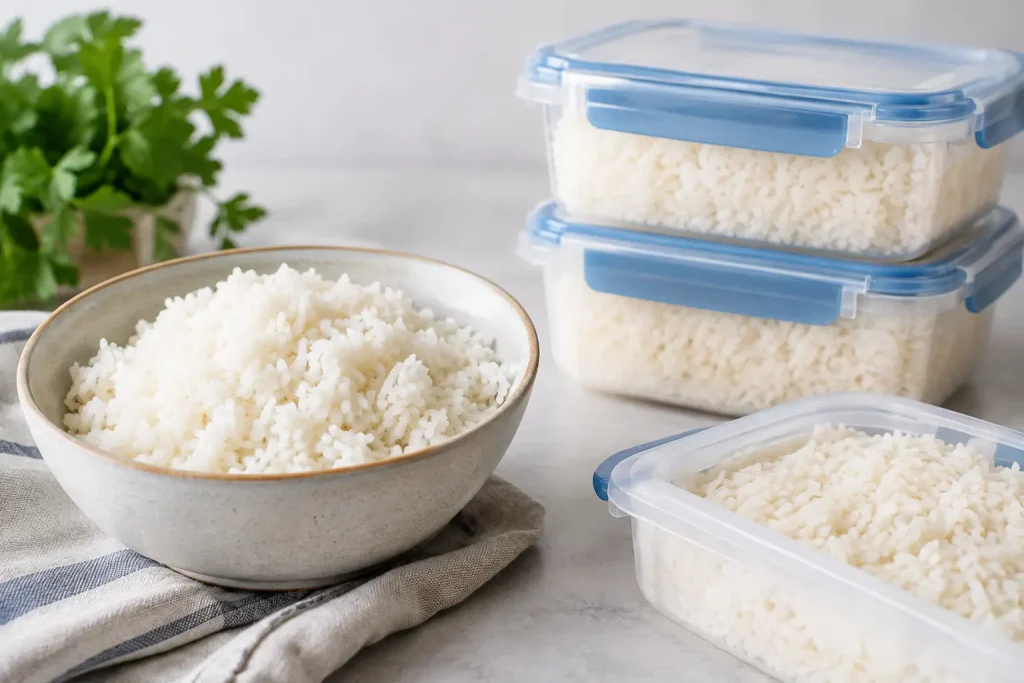
Can you freeze cooked rice safely? Learn how to cool, portion, freeze, thaw, and reheat it for easy meals with a great texture every time, all week long.
A pot of leftover rice can be tomorrow’s easiest lunch, not a forgotten container slowly taking over the back of the fridge. So, can you freeze cooked rice? Absolutely. When you cool it promptly, package it well, and reheat it thoroughly, frozen rice is a practical shortcut for stir-fries, grain bowls, burritos, soups, and weeknight dinners.
Rice does have one food-safety detail worth taking seriously: it should not sit at room temperature for long. The good news is that the process is simple, and a little planning can turn one cooking session into several convenient meals.
Can You Freeze Cooked Rice Safely?
Yes, cooked rice freezes very well. Freezing pauses bacterial growth and preserves the rice for later, but it does not fix rice that was left out too long before freezing. Cooked rice can contain spores from Bacillus cereus, a naturally occurring bacterium that can survive cooking. If warm rice lingers on the counter, those spores can multiply and create toxins that reheating may not remove.
That sounds alarming, but the practical rule is easy: move rice out of the danger zone quickly. Refrigerate or freeze it within two hours of cooking, or within one hour if the room or outdoor temperature is above 90°F. Do not leave a big pot out until it feels completely cool.
For the best balance of safety and texture, spread the rice into a shallow dish or divide it into smaller portions. This lets heat escape much faster than it would in a deep, covered pot. Once the rice has stopped steaming heavily, it can go into the refrigerator briefly or straight into freezer-ready portions.
How to Freeze Cooked Rice for Better Texture
Freshly cooked rice is full of steam. That steam is useful while dinner is on the table, but trapped moisture can become ice crystals in the freezer and leave rice wet or clumpy after reheating. A few small habits make a noticeable difference.
Cool it fast, but do not leave it out
Fluff the rice with a fork, then spread it in a thin layer on a baking sheet, large plate, or shallow container. This separates the grains and speeds cooling. You do not need to wait for it to become cold on the counter. The goal is simply to let excess steam escape, then get it chilled promptly.
If you made a very large batch, split it up right away. A shallow layer cools much more efficiently than a dense mound of rice in a stockpot.
Portion rice based on how you cook
Freeze the amount you realistically use at one time. A one-cup portion is handy for lunch bowls and side dishes, while two-cup portions suit family stir-fries or casseroles. Portioning prevents the frustrating cycle of thawing more food than you need and refreezing leftovers.
Freezer bags work especially well because you can press the rice into a flat, even layer. Flat bags freeze faster, take up less space, and thaw quickly. Airtight containers are also a solid option, especially if you prefer stackable meal-prep storage.
Leave a little room in rigid containers for expansion, but do not leave a lot of empty air around the rice. Pressing excess air from bags helps reduce freezer burn and keeps grains from drying out.
Label every package
Write the date and portion size on each bag or container. Plain rice is easy to identify at first, but after a few weeks, white rice, cauliflower rice, and a mystery freezer bag can look surprisingly similar.
For best quality, use frozen cooked rice within about one month. It remains safe longer when held continuously at 0°F or below, but texture gradually declines. The rice may become drier, more fragile, or a bit less flavorful after extended storage.
What Types of Rice Freeze Best?
Nearly every common variety can be frozen, though the final texture depends on the grain and how it was cooked. White rice, jasmine rice, basmati rice, brown rice, wild rice blends, and seasoned rice can all go into the freezer.
Long-grain varieties such as basmati and jasmine tend to reheat with distinct, fluffy grains, especially when they were cooked just until tender. Short-grain rice, sushi rice, and risotto-style rice are naturally stickier, so expect a softer, more cohesive texture after freezing. That is not necessarily a drawback. These varieties are great in bowls, soups, stuffed peppers, and rice patties.
Brown rice freezes well, but it can benefit from a touch more steam when reheating because its bran layer makes it naturally chewier and a little drier. Wild rice holds its shape nicely but may need an extra minute or two of reheating.
Fried rice can also be frozen, although vegetables may soften after thawing. If crisp vegetables are the point of the dish, freeze the rice base separately and add freshly cooked vegetables later. Rice with cream sauces or delicate seafood is more dependent on the full recipe, so judge those meals individually rather than freezing them by default.
The Best Ways to Reheat Frozen Rice
You can reheat rice directly from frozen. There is usually no need to thaw it overnight, and reheating from frozen can help it stay moist rather than turning gummy.
Microwave method
Place one portion of frozen rice in a microwave-safe bowl. Add a tablespoon or two of water, cover loosely with a microwave-safe lid or damp paper towel, and heat until piping hot. Break up the rice halfway through and stir it so the center heats evenly.
Most single portions take about two to four minutes, depending on the microwave and the density of the rice. The rice should reach 165°F throughout if you are checking with a food thermometer. Let it stand covered for one minute after heating so the steam finishes the job.
Stovetop method
For larger portions, add frozen rice to a skillet or saucepan with a small splash of water or broth. Cover and heat over low to medium-low heat, stirring occasionally as the rice separates. This method is especially useful when the rice is headed straight into fried rice, curry, beans, or a saucy skillet meal.
Avoid blasting frozen rice over high heat with no liquid. The outside can scorch while the middle remains cold. Gentle covered heat gives you better texture and more even warming.
Oven method
When feeding several people, place frozen rice in a baking dish, add a few tablespoons of water, cover tightly with foil, and warm it in a 300°F oven until hot. This takes longer than the microwave but keeps the rice from drying out while you prepare the rest of the meal.
Common Mistakes That Make Frozen Rice Disappointing
The biggest mistake is freezing rice after it has sat out for hours. Freezing is storage, not a reset button for food safety. When in doubt about how long rice has been at room temperature, it is safer to discard it.
Another common issue is packing hot rice into a deep container and sealing it immediately. The trapped heat cools slowly and creates condensation. Spread it out first, then package it once the steam has eased.
Overcooked rice can also suffer in the freezer. Rice that started out mushy will not become fluffy after reheating. If you regularly cook with leftovers in mind, aim for grains that are tender but still hold their shape.
Finally, do not reheat the same rice portion repeatedly. Heat only what you plan to eat, and refrigerate any leftover reheated rice promptly. This keeps both quality and food-safety decisions much simpler.
Easy Meals to Make With Frozen Rice
Frozen rice earns its freezer space because it shortens the slowest part of many meals. Add it to a skillet with eggs, frozen peas, soy sauce, and a little sesame oil for fast fried rice. Spoon it into a burrito with black beans, cheese, salsa, and chicken. Warm it under curry, chili, or red beans, or use it as the base for a quick grain bowl with roasted vegetables and a store-bought sauce.
It is also a smart way to keep portions under control. Instead of cooking a fresh pot whenever you want a side dish, grab exactly one serving. That can reduce food waste, speed up lunch, and make a homemade meal feel more realistic on a busy night.
The next time you make rice, cook a little extra on purpose. A few labeled freezer portions can turn a nearly empty kitchen into a fast, satisfying meal.

















Leave a Comment
Your email address will not be published. Required fields are marked with *