
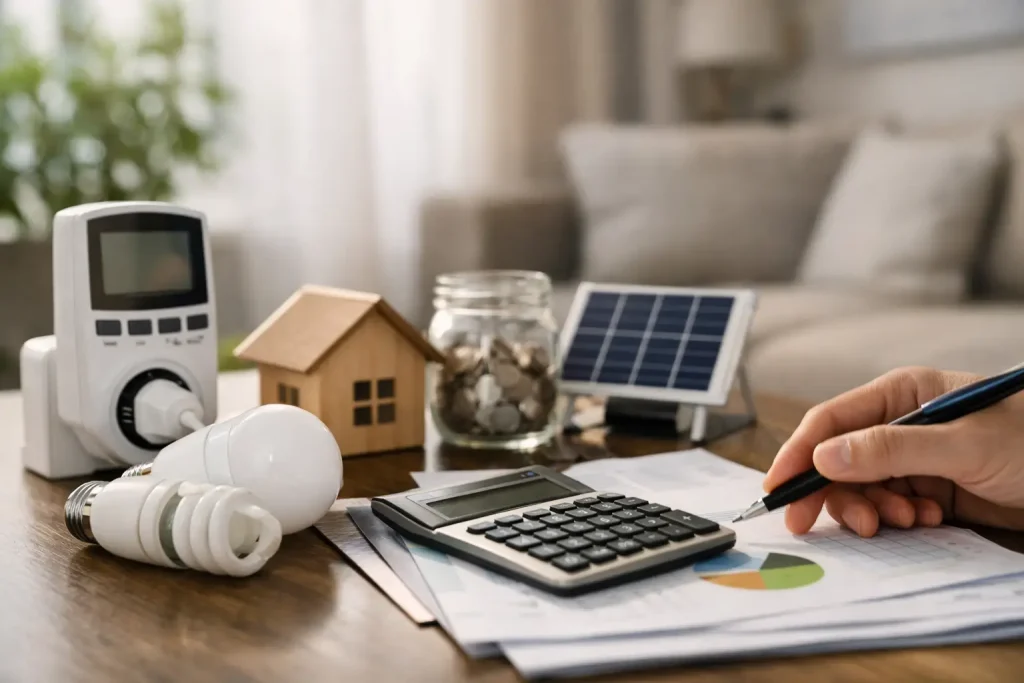
Learn how to lower electric bill costs with practical home energy tips, smarter appliance use, and low-cost upgrades that can cut monthly waste.
That jump in your electric bill usually isn’t caused by one dramatic mistake. It’s more often a handful of small habits, aging appliances, and a home that quietly wastes energy all day. If you’re trying to figure out how to lower electric bill costs without turning your house into a cave, the good news is that the biggest wins are often pretty manageable.
The trick is to focus on what uses the most electricity first. In most US homes, heating and cooling take the biggest share, followed by water heating, laundry, lighting, and always-on electronics. Start there, and you can usually cut costs faster than you would by obsessing over every light switch.
How to lower electric bill by targeting the biggest energy users
If your power bill feels high every month, your HVAC system is the first place to look. Heating and air conditioning can account for a large chunk of household electricity use, especially in places with hot summers or cold winters. Even a decent system gets expensive when filters are clogged, air leaks are everywhere, or the thermostat is working against your routine.
A smart thermostat can help, but only if your schedule makes sense. If everyone is out of the house from 8 to 5, there’s no reason to cool or heat empty rooms at full comfort levels. Raising the thermostat a few degrees in summer or lowering it a bit in winter can make a noticeable difference over a full billing cycle. The trade-off is comfort, of course, so the sweet spot depends on your climate, insulation, and tolerance.
Air filters also matter more than people think. A dirty HVAC filter forces the system to work harder, which can increase energy use and wear out equipment faster. Replacing it regularly is one of the cheapest ways to improve efficiency. If you have pets, live in a dusty area, or run the system constantly, you may need to change filters more often than the package suggests.
The next issue is air leakage. If cool air is slipping out through gaps around windows, doors, attic openings, or ductwork, you’re paying to condition the outdoors. Weatherstripping, caulk, and basic sealing supplies are inexpensive and often deliver a better return than more cosmetic upgrades. It’s not glamorous, but it works.
Small habit changes that can lower your electric bill
A lot of advice on how to lower electric bill totals sounds annoyingly tiny on its own. But stacked together, those changes can trim waste without making daily life harder.
Laundry is a good example. Washing clothes in cold water uses less energy because the machine doesn’t have to heat the water. For most everyday loads, cold water works well enough. Dryers are another major energy draw, so running full loads, cleaning the lint filter, and air-drying some items can cut usage fast. If your dryer takes forever, that may signal a clogged vent, which wastes power and can become a safety issue.
In the kitchen, your refrigerator and freezer run nonstop, so efficiency matters. If the fridge door seal is weak, cold air escapes and the compressor runs more often. The temperature setting matters too. Colder isn’t always better. Keeping the fridge and freezer at recommended settings helps preserve food without forcing the appliance to overwork.
Dishwashers can be surprisingly efficient compared with hand-washing, but only when used well. Run full loads, choose the air-dry setting if available, and skip the heated dry cycle when you can. That one setting alone can add unnecessary energy use.
Then there’s the quiet army of devices that never fully turn off. Game consoles, cable boxes, printers, coffee makers, chargers, and TVs often draw standby power around the clock. One device won’t wreck your budget, but a house full of them can push your bill higher than expected. Smart power strips or simply unplugging some items can help, especially in home offices and entertainment setups.
Lighting upgrades that actually make a difference
Lighting is not usually the biggest driver of an electric bill, but it’s one of the easiest fixes. If you still have older incandescent bulbs anywhere in the house, replacing them with LEDs is low effort and usually worth it. LEDs use far less electricity and last much longer, which also means fewer replacement costs.
That said, not every lighting change is equally valuable. Replacing a bulb in a guest room you barely use won’t move the needle much. Focus on the lights that stay on the longest, like kitchen fixtures, living room lamps, porch lights, bathrooms, and workspaces. Motion sensors or timers for outdoor lighting can also prevent waste without requiring anyone to remember to flip a switch.
Natural light helps too, especially in cooler months when opening blinds can brighten a room without adding heat from bulbs. In summer, though, window coverings become part of your cooling strategy. Closing blinds during the hottest part of the day can reduce indoor heat gain and ease the load on your AC.
When appliances are the real problem
Sometimes the answer to how to lower electric bill expenses is not about changing your habits at all. It’s about replacing an appliance that has become quietly expensive.
Older refrigerators, window AC units, dehumidifiers, and electric water heaters can be serious energy hogs. If one of these is nearing the end of its life, replacement may save enough on utilities to justify the upfront cost over time. Energy-efficient models are not magic, and the payback depends on your rates and usage, but in many homes the savings are real.
Water heating deserves extra attention because it’s a major energy user that people often overlook. Lowering the water heater temperature a bit can reduce electricity use while still keeping showers comfortable. Insulating hot water pipes can also help, especially in older homes where heat escapes before hot water reaches the tap. Shorter showers and lower hot-water laundry use add up here as well.
If you’re considering new appliances, compare estimated annual operating costs, not just sticker price. A cheaper model can cost more over the long run if it burns through electricity. Rebates from utilities or local programs may sweeten the deal, so it’s worth checking what’s available in your area.
How to lower electric bill in summer and winter
Seasonal strategy matters because your biggest energy costs usually shift with the weather. In summer, air conditioning is the headline expense. Ceiling fans can help rooms feel cooler, allowing you to set the thermostat a little higher. Just remember that fans cool people, not spaces, so turning them off in empty rooms is still smart.
In winter, electric heating can get expensive fast. If you use space heaters, be careful. They can make sense for warming a single occupied room instead of heating the whole house, but they also use a lot of electricity. Used carelessly, they can erase any savings and create fire risks. It depends on your home layout, insulation, and primary heating system.
Curtains and insulation become more valuable in both extremes. In winter, sealing drafts and adding insulation can reduce heat loss. In summer, reflective shades, blackout curtains, and attic insulation can keep indoor temperatures more stable. These aren’t always instant-payback fixes, but they can improve comfort while lowering long-term energy demand.
Check your rate plan before you change your whole life
Not every high bill means high usage. Sometimes the issue is your utility rate structure. Some providers use time-of-use pricing, where electricity costs more during peak hours. If that applies to your home, shifting laundry, dishwashing, or EV charging to cheaper periods may lower your bill without reducing usage much at all.
It’s also worth reviewing your statement for billing surprises. A sudden spike may come from estimated readings, rate changes, or fees rather than a huge change in behavior. If a bill looks unusually high, compare it with the same month last year. Weather, household size, and major appliance changes can all affect the number.
If you want the clearest picture, use a plug-in energy monitor for individual devices or check whether your utility offers hourly usage data. That kind of tracking can reveal what’s really driving costs. Sometimes the culprit is obvious once you look, like a second fridge in the garage or a dehumidifier running nonstop.
The best approach is usually not extreme. You don’t need to sweat through summer or eat cold dinners to save money on electricity. Focus on the big loads, fix obvious waste, and make a few upgrades where the math works in your favor. A lower bill often comes from a smarter home, not a more miserable one.


















Leave a Comment
Your email address will not be published. Required fields are marked with *