
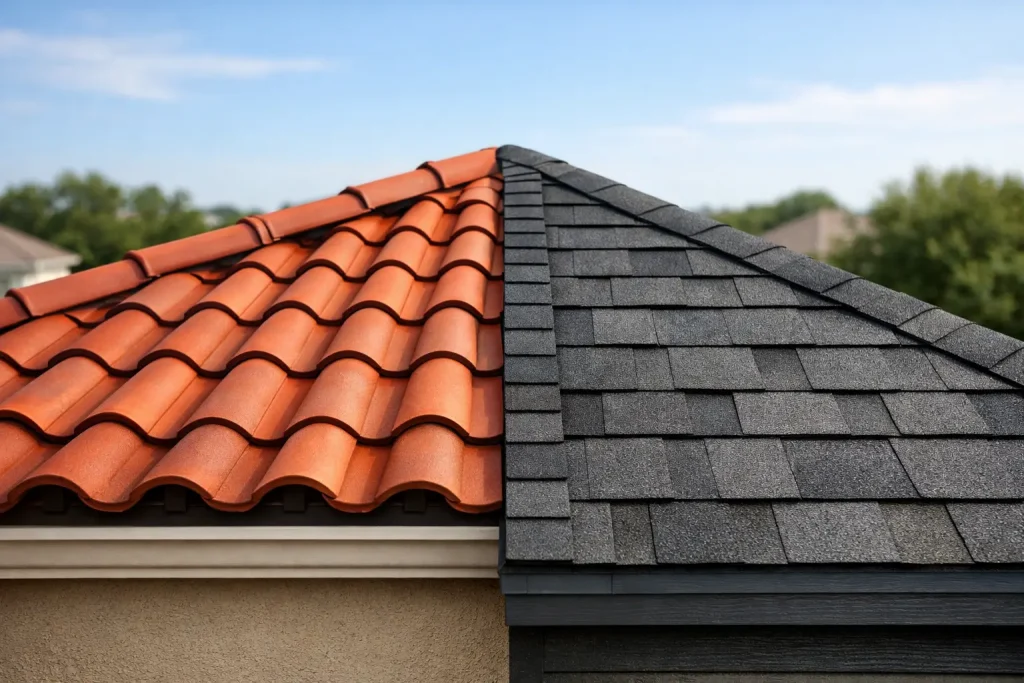
Tile roof versus shingles comes down to cost, climate, structure, style, and upkeep. Compare lifespan, energy use, repairs, and resale value when choosing.
A roof replacement is one of those home projects where the lowest upfront quote can become the most expensive decision later. The tile roof versus shingles question is really about more than curb appeal: it affects your budget, your home’s structure, storm performance, energy bills, and how long you expect to stay put.
For many U.S. homeowners, asphalt shingles are the practical default. Tile is the long-haul upgrade with a distinct look and an equally distinct price tag. Neither option wins in every ZIP code or on every house. The right choice depends on what your home can support and what you need the roof to do.
Tile Roof Versus Shingles: The Big Differences
Asphalt shingles are layered roofing materials installed in overlapping rows. They are available in three-tab, architectural, and premium designer styles, with architectural shingles being the common middle ground for homeowners who want better dimension and durability without a major price jump.
Roof tile is typically made from clay, concrete, or composite materials. Individual tiles interlock or overlap across the roof deck, creating a substantial, textured finish. Clay tile often delivers the classic Mediterranean or Spanish-style appearance, while concrete tile can mimic clay, slate, or wood shake at a lower material cost.
The most obvious difference is longevity. A well-installed tile roof can last 50 years or more, and some clay tile roofs last far longer when maintained properly. Asphalt shingles usually last about 15 to 30 years, depending on product quality, weather exposure, ventilation, and installation. Premium architectural shingles can push toward the higher end of that range, but they are not a lifetime roof.
That longer tile lifespan is appealing, but the roofing system beneath the tiles still matters. Underlayment, flashing, fasteners, and roof penetrations can need service before the tiles themselves wear out. A tile roof is durable, not maintenance-free.
Upfront Cost and Long-Term Value
Shingles generally cost far less to install than tile. They are lighter, quicker to install, and familiar to most roofing crews. If you are replacing a roof on a tight timeline or working within a defined renovation budget, asphalt is usually the easier path.
Tile costs more because materials are heavier, installation is more labor-intensive, and a qualified installer needs experience with the specific tile system. The existing roof structure may also require an inspection or reinforcement before tile can be installed. That expense is not optional: a roof frame designed for lightweight shingles may not safely handle the added load of concrete or clay tile.
The long-term math can favor tile for a homeowner who plans to stay for decades. You may avoid one or even two full shingle replacements during the time a tile roof remains in service. Tile can also add to perceived home value in markets where it matches local architecture, especially in warm-weather regions where tile roofs are common.
Still, resale value is not guaranteed dollar-for-dollar. Installing tile on a modest home in a neighborhood dominated by standard asphalt roofs may not return the full investment. Think of tile as a durability and design purchase first, with potential resale upside rather than a promised payoff.
Climate, Storms, and Energy Performance
Your local weather should carry real weight in this decision. Asphalt shingles perform well in a wide range of climates and are available in impact-resistant and high-wind-rated options. If hail is common where you live, ask a roofing contractor to explain the difference between standard shingles and Class 4 impact-rated shingles. The latter can cost more, but may be worth considering in hail-prone areas.
Tile holds up especially well against heat, sun, and fire. Its thermal mass and the air space beneath the tiles can help reduce heat transfer into the attic, particularly when paired with proper insulation and ventilation. Light-colored or reflective tile can further limit solar heat absorption.
Wind performance is more nuanced than many homeowners expect. Properly installed tile can perform very well in high winds, but each tile must be secured according to local code and the manufacturer’s specifications. Loose, cracked, or improperly fastened tiles can become a problem during severe storms. Shingles can also resist strong winds when installed correctly, although aging, curling, and lifted edges make them more vulnerable over time.
In freeze-thaw climates, material selection matters. Concrete and clay tiles must be rated for the conditions in your area. Water that enters porous or damaged tile can freeze and cause cracking. Asphalt shingles are often the more straightforward choice in regions with harsh winters, frequent ice dams, and heavy snow loads, though good attic ventilation and ice-and-water protection remain essential either way.
Appearance and Architectural Fit
Tile makes a visual statement. It suits Spanish Colonial, Mediterranean, Southwestern, coastal, and some contemporary homes beautifully. Its depth, shadow lines, and color variation can make a house look more established and custom-built.
Shingles offer more flexibility than their basic reputation suggests. Architectural shingles come in colors and profiles that complement Craftsman, Colonial, ranch, farmhouse, and traditional suburban homes. Some premium options imitate slate or shake without the weight and expense of the real materials.
The best-looking roof is usually one that respects the house rather than competing with it. A dramatic barrel tile profile may feel right in Arizona or South Florida but out of place on a New England Cape. Before choosing, look at comparable homes nearby and consider whether your homeowners association has material or color rules.
Repairs and Routine Maintenance
Shingle repairs are typically simpler and less expensive. A roofer can replace damaged shingles, address a flashing issue, or repair a small section without disturbing the entire roof. Matching older shingle colors can be difficult after years of sun exposure, but the work itself is familiar and relatively quick.
Tile repairs require more care. Walking directly on certain tile roofs can crack tiles, so technicians need the right method and equipment. Individual broken tiles can be replaced, but finding a close match for an older color or discontinued profile may take effort. More significantly, replacing underlayment beneath a tile roof can involve lifting and resetting large sections of tile.
Both roofing types benefit from basic attention. Keep gutters clear, remove branches and debris, inspect flashing after major storms, and address leaks quickly. A small water entry point can damage decking, insulation, and interior finishes long before the roof’s surface shows an obvious problem.
When Shingles Make the Most Sense
Asphalt shingles are often the smarter choice when your budget is limited, you expect to move within the next several years, or your home was not engineered for a heavy roof. They are also a strong fit for homeowners who want dependable protection, broad style options, and easy access to local installers.
Choose a higher-quality architectural shingle if you want a noticeable upgrade from basic three-tab products. Look beyond color alone. Review the wind rating, impact rating, warranty terms, ventilation requirements, and the installer’s workmanship warranty. The installation quality can matter as much as the shingle brand.
When Tile Is Worth the Investment
Tile is compelling when you plan to own the home long term, live in a hot or fire-prone region, and have a structure that can carry the weight. It is also a natural choice when the home’s architecture calls for it and neighboring properties establish tile as the local standard.
Before committing, arrange for a structural review and get quotes from roofers with documented tile experience. Ask what underlayment system they recommend, how they handle flashing, whether broken spare tiles will be left behind, and what the future underlayment replacement process could involve. Clear answers now prevent expensive surprises later.
A roof should fit your house, your climate, and your timeline, not just the showroom sample. If shingles deliver the protection and look you need at a comfortable price, they are a sound investment. If tile matches your home and you are prepared for the higher initial cost, it can reward you with decades of performance and standout curb appeal.
















Leave a Comment
Your email address will not be published. Required fields are marked with *