
Discover why buy refurbished gadgets to save money and reduce e-waste. Enjoy big savings while benefiting the planet with every purchase!
Refurbished gadgets are pre-owned electronics that have been professionally inspected, repaired, and tested to meet quality standards before being resold. The case for buying them is compelling: you can save 30% to 70% compared to new retail prices, and you keep functional hardware out of landfills. The refurbished electronics market was valued at $62 billion in 2025 and is projected to reach $122 billion by 2032. That growth reflects a real shift in how consumers think about technology ownership. Whether you are upgrading your phone, laptop, or tablet, refurbished options deliver genuine value without the guilt of unnecessary waste.
Why buy refurbished gadgets instead of new ones?
The single strongest reason to buy refurbished is price. A device that costs $1,000 new can often be found in certified refurbished condition for $400 to $700. That gap is not a sign of inferior quality. It reflects the steep depreciation electronics experience the moment they leave a store shelf.
Beyond price, refurbished gadgets reduce the demand for newly manufactured devices. Manufacturing a new laptop generates approximately 300 to 400 kg of CO₂-equivalent emissions. Choosing a refurbished unit instead avoids most of that carbon cost entirely.
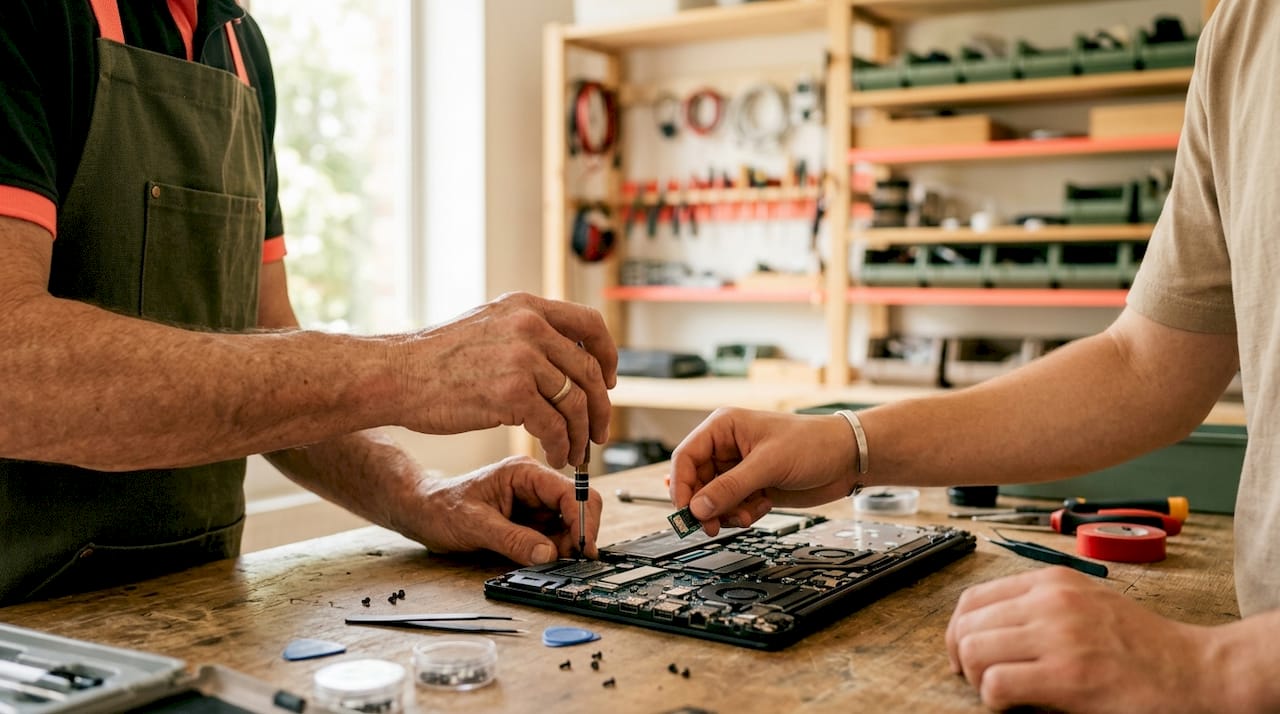
The role of gadgets in daily life has expanded dramatically, which means more devices are being bought, discarded, and replaced at a faster pace. Refurbished electronics slow that cycle down. They extend the useful life of hardware that still performs well, and they do it at a price point that makes upgrading accessible to far more people.
What are refurbished gadgets and how do they differ from used devices?
“Refurbished” and “used” are not the same thing, and confusing them is one of the most common mistakes buyers make. A used device is typically sold as-is, with no repairs, no testing, and no warranty. A refurbished device has gone through a documented process of inspection, component replacement, and quality testing before it reaches you.
The refurbishment process varies by seller, which is why certification matters so much. Certified refurbished products meet specific standards set by the original manufacturer or a recognized third-party program. Non-certified refurbished items may have been cleaned and reset, but there is no guarantee that faulty components were replaced or that the device was tested under load.
Certified vs. non-certified: what the difference costs you
Certified refurbished items cost 5% to 15% more than non-certified options. That premium buys you original replacement parts, thorough testing, and manufacturer approval. For most buyers, that extra cost is worth it because it removes the guesswork about what you are actually getting.
Industry standards like R2 (Responsible Recycling) and e-Stewards set the bar for quality assurance and data security in the refurbishment process. When a seller holds R2 certification, it means they follow documented procedures for testing, data wiping, and component sourcing. That standard protects you from receiving a device with hidden faults or, worse, leftover personal data from a previous owner.
Here is what to look for when evaluating a refurbished product listing:
- Certification label: Look for “Certified Refurbished” from the manufacturer or an R2-certified reseller.
- Warranty length: A credible seller offers at least 90 days. Certified programs typically provide 1 to 3 years.
- Return policy: A minimum 30-day return window signals seller confidence in the product.
- Grading system: Grades like “Grade A” or “Like New” indicate cosmetic condition. Ask what each grade means before buying.
- Data wipe confirmation: The seller should confirm all previous user data has been securely erased.
Pro Tip: Before purchasing, search the seller’s name alongside “R2 certified” or “manufacturer certified” to verify their credentials. A legitimate refurbisher will have this information publicly listed.
How much can you really save by buying refurbished gadgets?
The cost savings on refurbished electronics are substantial and well-documented. Buyers consistently save 30% to 70% off new retail prices across categories like smartphones, laptops, tablets, and gaming consoles. That range is wide because savings depend on the device’s age, condition grade, and how recently the model was released.
Electronics depreciate faster than almost any other consumer product. A flagship smartphone loses a significant portion of its value within the first 12 months. That depreciation works in your favor when you buy refurbished, because you are paying a price that reflects real-world value rather than the marketing premium baked into a brand-new launch price.
Where the savings show up most
The biggest discounts tend to appear in these categories:
- Smartphones: Flagship models from 18 to 24 months ago often sell refurbished at 40% to 60% below their original launch price.
- Laptops: Business-grade laptops returned after corporate leases are frequently available in excellent condition at steep discounts.
- Tablets: Refurbished tablets, especially older iPad generations, offer strong performance at a fraction of new pricing.
- Gaming consoles: Previous-generation consoles in certified condition can cost half what a new current-generation unit does.
Warranties and return policies add real financial value on top of the sticker price. A certified refurbished device with a one-year warranty gives you protection comparable to buying new. If something goes wrong, you are not absorbing the full replacement cost out of pocket.
Pro Tip: Check whether the warranty is backed by the original manufacturer or a third-party provider. Manufacturer-backed warranties are generally easier to claim and cover more repair scenarios.
What are the environmental benefits of choosing refurbished technology?
Refurbished electronics deliver a measurable environmental advantage over new devices. Refurbished units reuse 85% to 95% of their original materials, which means far fewer raw resources are extracted and processed to put a working device in your hands. That matters because mining the rare earth metals used in electronics is energy-intensive and environmentally damaging.
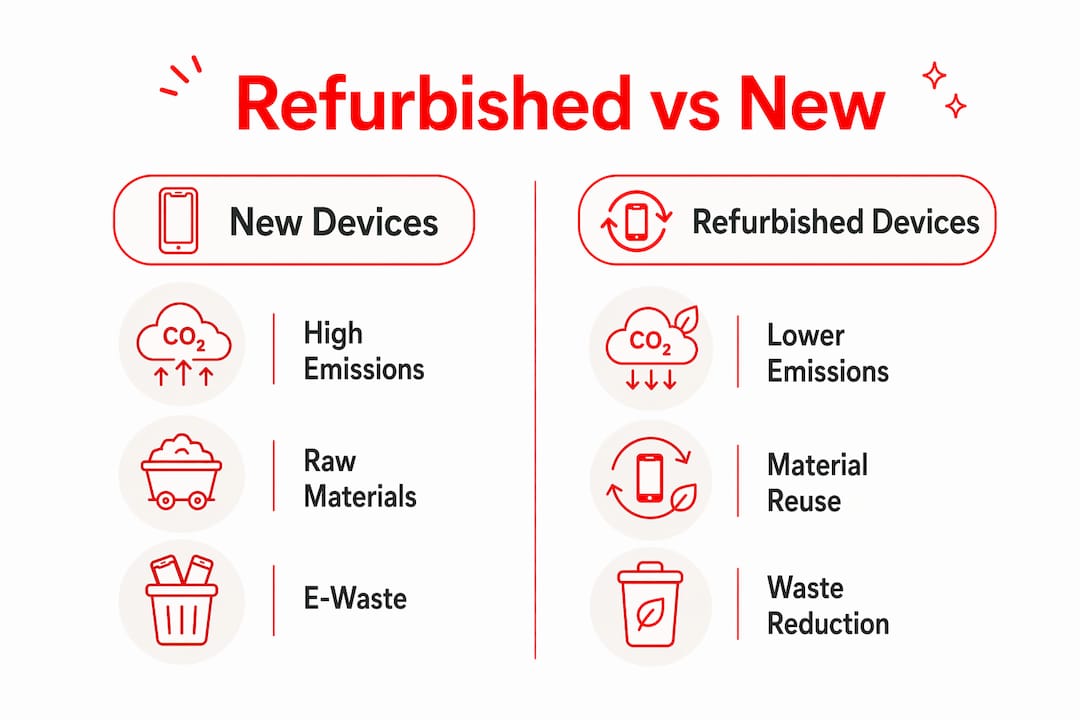
E-waste is one of the fastest-growing waste streams in the world. When devices are discarded rather than refurbished, the toxic materials inside them, including lead, mercury, and cadmium, risk leaching into soil and water. Buying refurbished directly reduces the volume of electronics that end up in landfills.
Environmental impact: new vs. refurbished
| Factor | New device | Refurbished device |
|---|---|---|
| CO₂ emissions (laptop) | 300–400 kg equivalent | Significantly lower, materials reused |
| Raw material extraction | Full manufacturing cycle | 85%–95% of original materials reused |
| E-waste contribution | Adds to disposal cycle | Extends product life, delays disposal |
| Carbon footprint of production | High | Minimal, no new manufacturing required |
The circular economy framework treats electronics as durable goods rather than disposable ones. Refurbishment is one of the most direct ways to participate in that system. As Fairphone advocates, buying refurbished is a “badge of honor” in the circular economy because it extends product lifecycle and reduces new resource extraction.
“Buying refurbished supports a circular economy that prioritizes resource efficiency and wastes less, treating electronics as durable goods rather than throwaway products. Every refurbished device sold is one fewer device manufactured from scratch.”
Consumer attitudes are shifting alongside the data. 47% of Gen Z consumers prefer refurbished or secondhand tech to reduce e-waste, compared to just 18% of Baby Boomers. That generational gap shows that younger buyers increasingly see refurbished purchases as a values-driven choice, not a compromise.
Are refurbished gadgets reliable and what warranty protections are typical?
Reliability is the concern that stops most buyers from choosing refurbished. The data says that concern is largely overstated. Certified refurbished products carry a first-year failure rate of 3% to 5%, compared to 2% to 4% for brand-new devices. That difference is small enough that it should not be a deciding factor for most buyers.
The quality assurance process behind certified refurbishment is more thorough than many buyers realize. Devices are tested under real operating conditions, not just powered on and checked visually. Components that show wear or reduced performance are replaced with original parts before the device is approved for resale.
What quality assurance actually covers
A certified refurbishment process typically includes:
- Full diagnostic testing: Battery health, screen performance, speaker output, camera function, and port connectivity are all tested.
- Component replacement: Any part that does not meet the manufacturer’s performance threshold is replaced with an original or equivalent-grade component.
- Software reset: The operating system is wiped and reinstalled to factory settings.
- Cosmetic inspection: The device is graded based on visible wear, and the grade is disclosed to the buyer.
- Data security: Previous user data is securely erased using certified wiping protocols.
Warranty coverage for certified refurbished products typically runs from 1 to 3 years. That range puts them on par with the standard warranty offered on new devices. You can also check the warranty status of a specific device, such as learning how to check a used iPhone warranty, to confirm exactly what coverage you have before you buy.
Pro Tip: Choose certified refurbished products backed by the original manufacturer when possible. Manufacturer-certified programs use original parts and honor claims through the same service network as new device warranties.
How to make an informed decision when buying refurbished gadgets
Buying refurbished well requires a short checklist, not a leap of faith. The difference between a great deal and a frustrating purchase almost always comes down to a few key decisions made before you click “buy.”
- Verify certification first. Check whether the product is certified by the manufacturer or an R2-certified reseller. Non-certified listings carry higher risk and should only be considered if the price difference is significant and the seller has strong reviews.
- Choose the right device age. Flagship models 18 to 24 months old offer the best balance of performance, software support, and price. Devices older than three years may no longer receive operating system updates, which creates security risks.
- Understand the grading scale. “Grade A” or “Like New” typically means minimal cosmetic wear. “Grade B” may have light scratches. “Grade C” devices show visible wear and should only be considered if price is the primary concern.
- Read the return policy carefully. A 30-day return window is the minimum you should accept. Some certified programs offer 60 to 90 days, which gives you enough time to identify any performance issues under real use.
- Check buyer reviews for the seller, not just the product. A device model may have a strong reputation, but a poor reseller can undermine that entirely. Look for consistent feedback about shipping condition, accuracy of grading, and responsiveness to warranty claims.
- Confirm software support timelines. Before buying, check how many years of software updates the device model is still scheduled to receive. A refurbished phone with only one year of security updates left is a poor long-term investment regardless of price.
If you are unsure whether your current device actually needs replacing, reviewing signs your laptop needs to be replaced can help you make a more grounded decision before spending anything at all.
Key Takeaways
Buying refurbished gadgets delivers real savings, comparable reliability to new devices, and a measurable reduction in environmental impact when you choose certified products from reputable sellers.
| Point | Details |
|---|---|
| Savings are substantial | Certified refurbished gadgets cost 30%–70% less than new retail prices. |
| Certification matters most | R2-certified or manufacturer-certified products include testing, original parts, and warranty coverage. |
| Reliability is close to new | Certified refurbished devices have a 3%–5% first-year failure rate, nearly identical to new devices. |
| Environmental impact is real | Refurbished units reuse 85%–95% of original materials, cutting CO₂ emissions and e-waste significantly. |
| Device age is a key factor | Flagship models 18–24 months old offer the best mix of performance, software support, and price. |
Our team’s take on where the refurbished market is heading
Our team at Lizard’s Lunch has watched the refurbished electronics market shift from a niche workaround to a mainstream purchasing strategy, and the change has been faster than most people expected.
A few years ago, buying refurbished carried a quiet stigma. People worried about hidden defects, short-lived batteries, and the feeling that they were settling for something second-rate. That perception is fading quickly, and not just because the products have improved. The cultural framing has changed. Younger buyers, particularly Gen Z and Millennials, are actively choosing refurbished as a statement about how they want to consume. They see it as the smarter option, not the cheaper one.
What strikes our team most is how the certified refurbished category has matured. Manufacturer-backed programs now offer warranties, original parts, and return policies that match or exceed what you get buying new from a third-party retailer. The gap in confidence between “new” and “certified refurbished” has essentially closed for most everyday devices.
The market growth tells the same story. A sector projected to reach $122 billion by 2032 is not a fringe trend. It reflects a permanent shift in how people think about the benefits of smart gadgets and whether paying a premium for a brand-new box is actually worth it. For most buyers, the honest answer is that it is not.
The one caution our team would offer is this: not all refurbished is equal. The category’s growth has attracted sellers who use the label loosely. Sticking to certified programs and verified resellers is not optional. It is the single decision that separates a great purchase from a regrettable one.
— Our team at Lizard’s Lunch
Affordable upgrades worth exploring at Lizard’s Lunch
Getting more value from your technology spending is just one part of living well on a budget. At Lizard’s Lunch, we cover the full picture, from smart gadget choices to practical home upgrades that stretch your dollar further. Whether you are refreshing your tech setup or thinking about home upgrades that boost comfort and long-term value, the same principles apply: buy smart, prioritize quality, and think about the long-term return on what you spend. Our guides are built to help you make those decisions with confidence.
FAQ
What does “certified refurbished” actually mean?
Certified refurbished means a device has been inspected, repaired with original parts, tested to manufacturer standards, and backed by a warranty. It is the most reliable category of refurbished product you can buy.
Is buying refurbished worth it for smartphones?
Yes. Flagship smartphones 18 to 24 months old offer strong performance and software support at 40% to 60% below their original launch price when purchased as certified refurbished.
How does refurbished differ from used?
Used devices are sold as-is with no repairs or testing. Refurbished devices undergo documented inspection, component replacement, and quality testing before resale, making them significantly more reliable.
What warranty should I expect on a refurbished gadget?
Certified refurbished products typically carry warranties of 1 to 3 years. Always confirm whether the warranty is backed by the original manufacturer or a third-party provider before purchasing.
Are refurbished gadgets better for the environment than new ones?
Yes. Refurbished units reuse 85% to 95% of original materials and avoid the 300 to 400 kg of CO₂-equivalent emissions generated by manufacturing a new laptop, making them a significantly greener choice.

















Leave a Comment
Your email address will not be published. Required fields are marked with *