
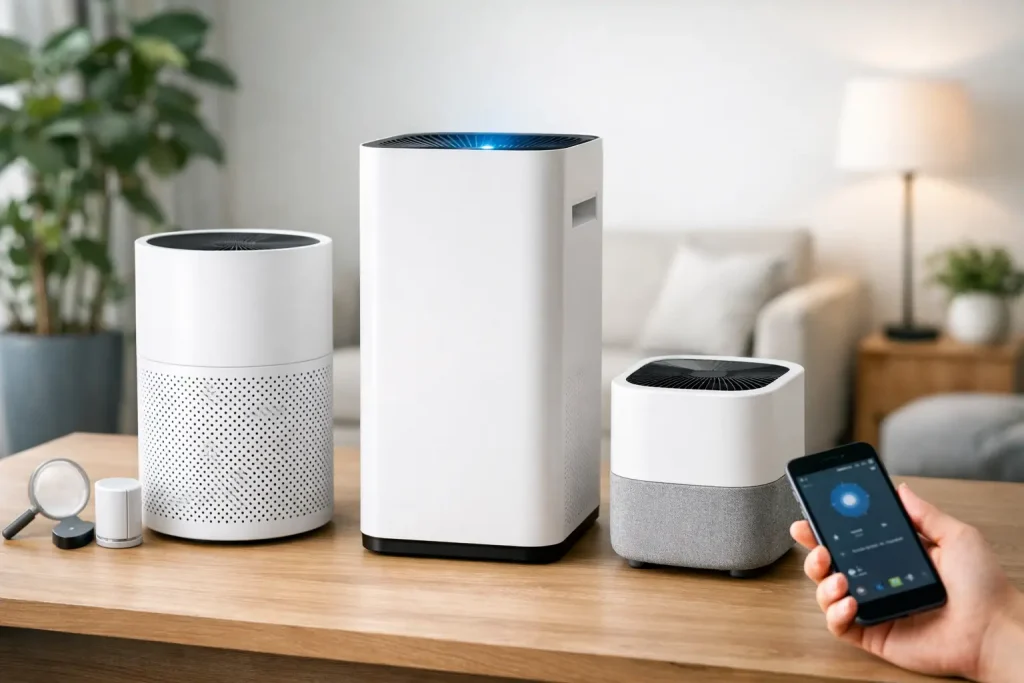
This air purifier review guide explains filters, room sizing, noise, costs, and features so you can choose a cleaner-air machine with confidence at home.
A good air purifier can make a bedroom feel less dusty, reduce lingering cooking smells, and offer some relief during smoky days or high-pollen seasons. But an air purifier review guide only helps if it looks beyond glossy claims like “covers 1,500 square feet.” The best choice comes down to what is in your air, the size of the room, and whether you can live with the noise and filter costs.
For most households, the smartest purchase is not necessarily the largest or most feature-packed model. It is the unit that can clean the room you actually use at a speed you can afford to run every day.
Start With the Air Problem You Want to Solve
Air purifiers are designed primarily to capture airborne particles. That includes pollen, pet dander, dust, smoke particles, mold spores, and some particulate matter that can enter from outdoor pollution. If allergies, pets, or wildfire smoke are your main concerns, a particle-focused purifier can be a practical addition to your home routine.
Odors and gases are different. A basic particle filter may reduce the particles that travel with smoke, but it will not necessarily remove the smell of fried food, fresh paint, cleaning products, or traffic fumes. For those issues, look for a unit with a meaningful amount of activated carbon or other gas-focused media. A thin carbon-coated sheet can help a little, but it should not be mistaken for a heavy-duty odor solution.
Also keep expectations realistic. A purifier does not remove dust already sitting on furniture, cure asthma, fix moisture problems, or replace ventilation. If your home has visible mold, a persistent burning smell, or a suspected gas leak, address the source first.
Air Purifier Review Guide: Read the Core Specs
Product pages often make coverage claims hard to compare. Focus on the specifications that explain actual cleaning performance rather than a single oversized room number.
CADR tells you how quickly particles are removed
CADR, short for Clean Air Delivery Rate, is one of the most useful numbers for comparing particle purifiers. It reflects how much clean air a unit delivers for certain pollutants, commonly smoke, dust, and pollen. Higher numbers generally mean faster particle removal.
For a bedroom, a moderate CADR may be plenty. For an open living room, a higher CADR matters because the purifier has more air to cycle through. When comparing two similarly priced machines, the one with a higher independently reported CADR is often the stronger value, assuming its filter replacement costs and noise level are reasonable.
Be cautious with vague claims such as “up to 2,000 square feet.” That figure may be based on one air change per hour, which means the purifier cleans the room’s full volume only once in an hour under test conditions. For allergy season, pets, or smoke, many shoppers want several air changes per hour.
Match the purifier to the room, not the whole house
Measure the room’s length and width, then multiply them for square footage. A 12-by-15-foot bedroom is 180 square feet. If ceilings are unusually high, the room has an open floor plan, or doors stay open, treat the space as larger than the basic math suggests.
Choose a purifier rated comfortably above your room size at the fan speed you expect to use. A unit that barely meets the room’s maximum rating may need to run loudly on high all day. A slightly oversized model can often run at a lower, quieter setting while still keeping up.
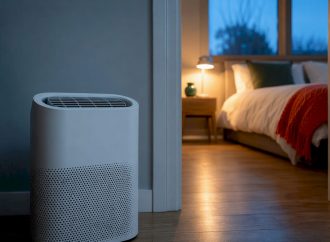
This is especially useful in bedrooms. A purifier that is powerful enough to run on low or medium overnight is usually more livable than a cheaper unit that requires turbo mode to make a difference.
Look for a true HEPA filter or clearly stated particle performance
Many reliable consumer purifiers use a true HEPA filter, which is designed to capture very fine airborne particles at high efficiency under established testing standards. Some brands use alternative language, such as “HEPA-type” or “HEPA-style.” Those labels do not automatically mean poor performance, but they require closer scrutiny.
Read the fine print for the particle size tested, the efficiency percentage, and whether performance was verified by an independent organization or stated only by the manufacturer. Clear, specific information is more useful than broad promises about “medical-grade” air.
A pre-filter is another worthwhile feature. It catches larger debris like hair and lint before it reaches the main filter, which can extend the life of the more expensive component. Washable or vacuumable pre-filters are convenient, particularly for homes with shedding pets.
Do Not Ignore Noise, Energy Use, and Ongoing Costs
The purchase price is only the beginning. A bargain purifier with expensive proprietary filters can cost more over two or three years than a pricier model with affordable replacements. Before buying, check how often filters need to be replaced and whether replacements are widely available.
Some filters last six months, while others are designed for a year or longer. Your actual replacement schedule depends on use, pets, smoke exposure, and outdoor air quality. A filter indicator is helpful, but it is usually estimating life from runtime rather than directly measuring how clogged the filter is.
Noise matters just as much. Review the decibel rating if one is listed, but remember that the sound quality also matters. A smooth fan hum is easier to tolerate than a high-pitched whine, even at a similar number. Consumer reviews can be useful here, especially when multiple owners mention rattling, bright displays, or annoying startup tones.
Energy use is generally modest for a small purifier, but it adds up if the unit runs around the clock. An Energy Star-certified model can be a sensible choice for continuous use. Features such as auto mode can reduce power use, although built-in air-quality sensors vary widely in accuracy.
Decide Which Features Are Worth Paying For
The best air purifier features are the ones you will actually use. A timer, child lock, dimmable display, and easy-to-clean intake grille can make everyday ownership simpler. Wi-Fi controls may be valuable if you want to check filter life or turn on the unit before getting home, but they do not improve filtration by themselves.
Auto mode is convenient for households that do not want to manage fan speeds manually. Still, it should not be the only mode you rely on during wildfire smoke or a major pollen day. Sensors may react differently to particles, humidity, and household activities, so manually increasing the fan during known bad-air events is often the better move.
Avoid purifiers that intentionally generate ozone. Ozone can irritate the lungs, particularly for people with asthma or other respiratory sensitivities. Be cautious with ionizer functions as well. Some can be turned off, which gives you more control, but a standard mechanical filtration system is usually the simpler route for most homes.
How to Compare Reviews Without Getting Misled
A five-star rating can tell you that a product arrived quickly and looks good on a countertop. It does not always tell you whether it cleans air effectively. Give more weight to detailed reviews that mention room size, fan setting, use case, and how long the owner has used the purifier.
Look for patterns rather than one dramatic complaint. If many buyers report that replacement filters are hard to find, the app stops working, or the motor becomes noisy after several months, that is meaningful. On the other hand, a handful of reports about noise may simply reflect users running a powerful purifier on its highest setting.
Professional testing is especially helpful when it reports particle reduction over time in a specified room size. Check whether tests were done at high, medium, or low fan speed. A model can perform exceptionally on turbo but offer far less cleaning power at a quiet overnight setting.
Set Up Your Purifier for Better Results
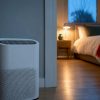
Placement can make an average machine work better. Keep the intake and outlet clear of walls, curtains, and furniture. A few feet of open space is ideal when possible. Do not hide the purifier in a corner or under a desk where it cannot circulate air effectively.
In a bedroom, place it near the bed but not so close that the airflow blows directly on your face. In a living area, position it where people spend time, while allowing room for air to move around the unit. Keep doors and windows closed during smoke events or heavy pollen periods if your goal is to clean indoor air.
Run the purifier consistently instead of waiting until the room smells dusty or smoky. Low or medium operation throughout the day often works better than short bursts at the highest speed. Replace filters on schedule, clean the pre-filter, and remove all packaging from a new filter before turning the unit on.
The right air purifier should fit quietly into your routine: strong enough for the room, affordable to maintain, and easy enough to run whenever your indoor air needs a little help.












Leave a Comment
Your email address will not be published. Required fields are marked with *