

Discover the crucial facts about lead paint risks explained. Learn how to protect your family from hidden dangers in older homes.
Lead paint is one of the most serious hidden hazards in American homes, and the damage it causes is often irreversible. About 75% of U.S. homes built before 1978 contain lead-based paint, and while intact paint poses little immediate danger, any deterioration or disturbance releases toxic dust that can harm multiple organs. Children under six and pregnant women face the greatest risk, with even low-level exposure capable of causing permanent cognitive impairment, developmental delays, and nervous system damage. Adults are not immune either, experiencing memory problems, high blood pressure, and mood changes from chronic exposure.
Key health effects to know:
- Children: developmental delays, reduced IQ, behavioral changes, hearing loss, and learning difficulties
- Pregnant women: risk of premature birth, low birth weight, and harm to fetal brain development
- Adults: memory loss, increased blood pressure, kidney damage, and fertility problems
- All ages: fatigue, abdominal pain, anemia, and in severe cases, seizures or coma
Lead is tasteless and odorless. You cannot detect it without testing, which makes awareness and prevention your most powerful tools.
How lead paint exposure actually happens in your home
Lead paint in good condition rarely poses an immediate threat. The real danger begins when paint deteriorates or gets disturbed. Lead dust from deteriorated paint is the primary exposure route, particularly for children who pick it up on their hands and transfer it to their mouths.
Common exposure pathways include:
- Renovation and repair work: Sanding, scraping, or cutting painted surfaces in pre-1978 homes releases fine lead particles into the air and onto surrounding surfaces.
- Everyday wear and friction: Windows, doors, stairs, and railings painted with lead-based paint shed dust through normal use.
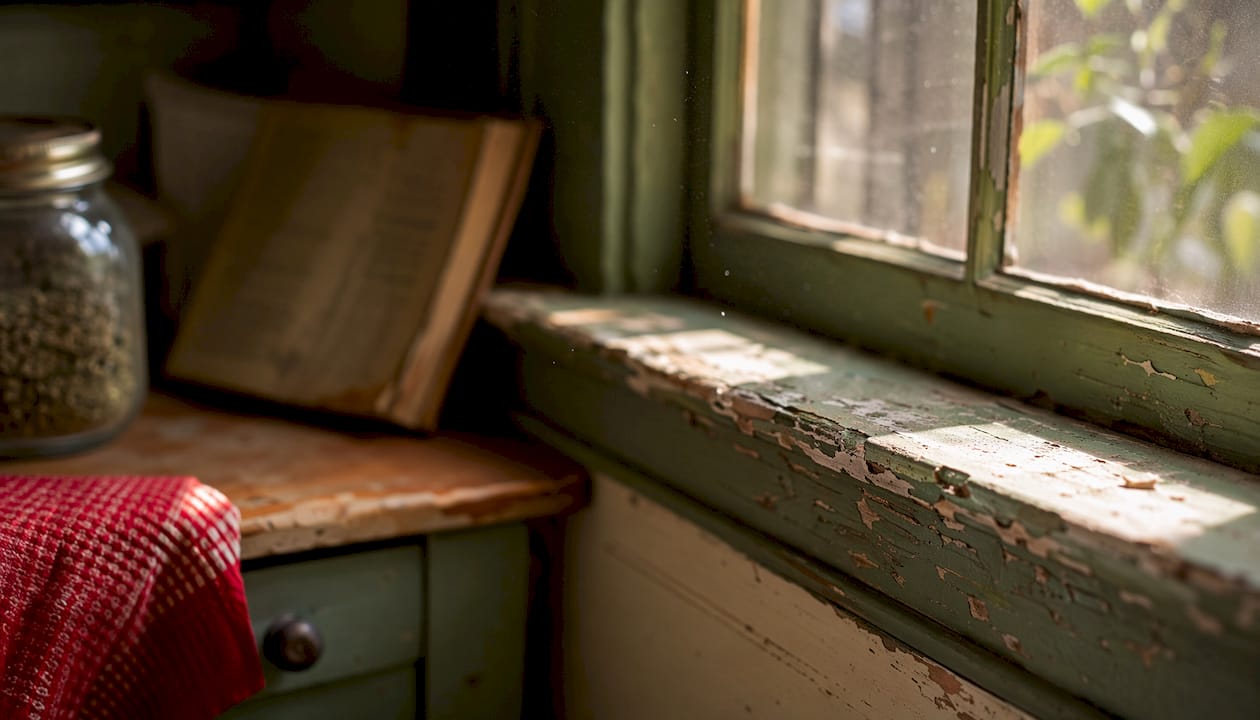
- Paint deterioration: Peeling, chipping, or chalking paint creates chips and dust that settle on floors, windowsills, and furniture.
- Contaminated soil: Exterior lead paint flaking off buildings mixes with yard soil, which children can ingest through hand-to-mouth contact.
- Occupational carry-in: Adults working in construction, battery recycling, or painting can bring lead dust home on clothing and shoes.
- Hobbies: Stained glass work, pottery glazing, and fishing tackle are lesser-known sources of lead exposure.
Homes built before 1940 carry the highest risk. 87% of homes built before 1940 have some lead-based paint, compared to 24% of homes built between 1960 and 1978.
Early warning signs of lead poisoning you should not ignore
Lead poisoning develops slowly, often over weeks or months of repeated exposure. Most cases are chronic and asymptomatic at first, which is exactly what makes them so dangerous. By the time obvious symptoms appear, significant damage may already have occurred.
Watch for these early signs:
- In children: irritability, reduced attention span, loss of previously learned skills, poor appetite, and sluggishness
- In adults: fatigue, abdominal pain, memory problems, mood changes, and elevated blood pressure
- In both groups: headaches, difficulty sleeping, and constipation
The tricky part is that these symptoms closely resemble common illnesses like the flu or anxiety disorders. Physicians often mislead poisoning as the underlying cause because patients rarely connect their symptoms to their home environment. If you live in a pre-1978 home and notice any combination of these signs, mention your home’s age to your doctor. That single piece of information can trigger the right test.
High-dose acute exposure is less common but causes vomiting, seizures, muscle weakness, and in extreme cases, coma.
Prevention tips and safe practices around lead paint
The single most effective strategy is preventing dust from forming in the first place. Cleaning up after the fact is far harder than stopping contamination at the source.
- Keep painted surfaces in good repair. Inspect walls, trim, windows, and doors regularly. Cracking or peeling paint needs prompt attention before it becomes airborne dust.
- Hire EPA-certified contractors for any renovation work. The EPA’s Renovation, Repair and Painting (RRP) Rule requires certified firms for work in pre-1978 homes. Never hire an uncertified contractor for a job that disturbs painted surfaces.
- Use wet methods when disturbance is unavoidable. Misting surfaces before scraping keeps dust from becoming airborne.
- Wet-mop floors and wipe windowsills regularly. Dry sweeping or vacuuming with a standard vacuum can actually spread lead dust rather than remove it.
- Wash children’s hands frequently, especially before meals and after playing near windows, doors, or exterior areas.
- Remove shoes at the door. Contaminated soil from outside is a surprisingly common indoor lead source.
- Keep children and pregnant women away from any active renovation area, even after work is done for the day.
Pro Tip: “Lead-safe” does not mean “lead-free.” Our team at Lizard’s Lunch stresses that homeowners should never assume their home is lead-free without professional testing. Consistent dust control is the real protection, not a one-time inspection from years ago.
If you are planning a renovation, our complete 2026 renovation guide walks through safe work practices step by step.
When and how to test for lead exposure and seek help
A blood lead test is the only definitive way to confirm exposure in a person. For homes, professional paint, dust, and soil testing can identify where hazards may exist before you disturb anything.
Get tested if:
- Your home was built before 1978 and you are planning any renovation
- You notice peeling, chipping, or chalking paint
- Your child shows any of the early symptoms listed above
- You have recently completed renovation work without lead-safe precautions
Testing options for your home:
- Certified inspector or risk assessor: The most thorough option. A risk assessor identifies active hazards and tells you what actions to take. Call the National Lead Information Center at 1-800-424-LEAD (5323) to find one near you.
- XRF (X-ray fluorescence) analysis: A non-destructive professional tool that reads lead content through painted layers without damaging surfaces.
- NLLAP-certified laboratory analysis: Paint chip or dust samples sent to a National Lead Laboratory Accreditation Program certified lab provide accurate results.
- EPA-recognized DIY test kits: LeadCheck™ and D-Lead® are EPA-recognized options, but only when used by a certified renovator. Consumer-grade kits sold at hardware stores are unreliable for confirming safety.
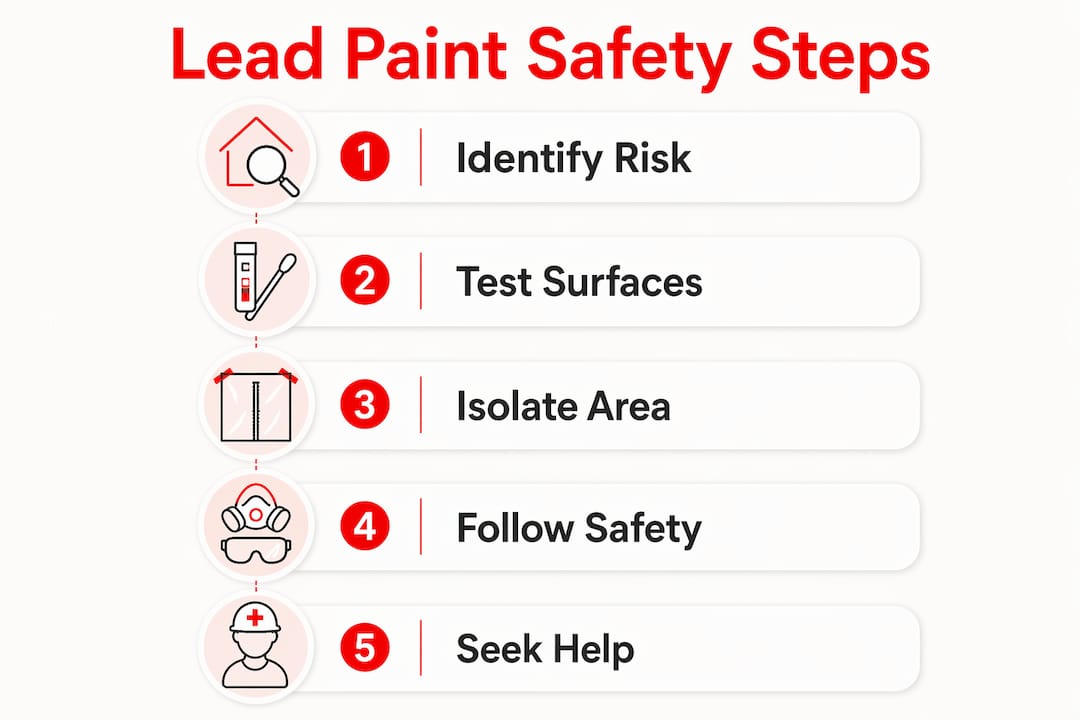
If you accidentally sand or scrape a surface and suspect it contains lead, stop work immediately, isolate the area, avoid sweeping the dust, and contact a certified professional before re-entering.
What the CDC, EPA, and Mayo Clinic say about lead paint risks
The picture painted by authoritative sources is consistent and sobering. Approximately 29 million housing units have lead-based paint hazards, including deteriorated paint and lead-contaminated dust, and about 2.6 million of those are home to young children.
The CDC notes that lead poisoning symptoms often mimic other illnesses, leading to underdiagnoses. Physicians rely heavily on patient-reported home history to decide whether a blood lead test is warranted. The CDC also states there is no safe level of lead in the blood, a position that underscores why even low-level chronic exposure demands attention.
The Mayo Clinic reinforces that most lead poisoning unfolds gradually, not as a dramatic acute event. Repeated small exposures accumulate silently, and by the time a child shows measurable cognitive effects, the damage is already done.
The EPA’s position is equally clear: lead-safe management focuses on controlling dust creation through maintenance and careful renovation, not on achieving a “lead-free” label. Professional testing using XRF analyzers or NLLAP-certified lab analysis is far more reliable than basic consumer kits, which have not met both EPA performance criteria to date.
Key statistic: 75% of U.S. homes built before 1978 contain lead-based paint. Most of that paint is currently safe. The hazard activates the moment it deteriorates or gets disturbed.
What the law requires: lead paint regulations in the U.S.
The federal government banned lead-based paint for residential use in 1978. Since then, several layers of regulation have been added to protect homeowners and workers.
Key regulations to know:
- EPA’s Renovation, Repair and Painting (RRP) Rule: Requires contractors working in pre-1978 homes and child-occupied facilities to be certified and follow lead-safe work practices. Firms must keep records for three years.
- HUD Lead Safe Housing Rule: Applies to federally assisted housing and requires disclosure, assessment, and hazard control for units where children under six reside.
- TSCA Section 1018 (Disclosure Rule): Sellers and landlords of pre-1978 housing must disclose known lead-based paint hazards and provide buyers or renters with the EPA’s “Protect Your Family From Lead in Your Home” pamphlet before sale or lease.
- OSHA Lead Standards: Set permissible exposure limits for workers in construction and general industry, requiring blood lead monitoring and protective equipment.
If you are buying or renting a pre-1978 home, the seller or landlord is legally required to tell you what they know about lead paint on the property. That disclosure is your starting point, not your finish line.
Remediation and removal options for lead paint hazards
Removing lead paint is not always the right answer. In many cases, encapsulation or enclosure is safer and less disruptive than full removal.
Three main approaches:
- Encapsulation: A specially formulated coating is applied over intact lead paint, sealing it and preventing dust release. This works well when the underlying paint is in good condition and the surface does not experience heavy friction or wear.
- Enclosure: Physical barriers such as new drywall, paneling, or flooring are installed over lead-painted surfaces. Effective for large areas, though it requires ongoing monitoring to ensure barriers remain intact.
- Abatement (full removal): The most permanent solution, involving stripping, chemical removal, or replacement of lead-painted components. Abatement must be performed by EPA-certified abatement contractors and generates hazardous waste that requires proper disposal.
For most homeowners, a certified risk assessor will recommend the least invasive option that eliminates the hazard. Full abatement is typically reserved for surfaces in severe deterioration or areas with very high child contact. Our guide on avoiding costly renovation mistakes covers how to vet contractors and plan this kind of work safely.
Steps to take if you suspect lead poisoning
Acting quickly matters. Lead poisoning is treatable, especially when caught early, but the window for preventing permanent damage is narrow in young children.
- Contact your doctor immediately. Request a blood lead level test. Levels above 3.5 mcg/dL in children warrant follow-up action, and any level above 10 mcg/dL is a definite concern requiring medical management.
- Identify and remove the source. Work with a certified inspector or risk assessor to locate the exposure source in your home before returning to normal activity.
- Improve nutrition. Diets high in calcium, iron, and vitamin C can reduce lead absorption. This is a supportive measure, not a cure.
- Follow your doctor’s treatment plan. For high blood lead levels, chelation therapy may be recommended. This involves medication that binds to lead and helps the body excrete it.
- Notify your child’s school or daycare if a child has been diagnosed, so the facility can assess its own environment.
- Report the hazard. Contact your local health department. Many states offer free blood lead testing and home inspection programs for families with young children.
Resources and support for affected families
You do not have to navigate this alone. Several federal and state programs exist specifically to help families dealing with lead exposure.
- National Lead Information Center: Call 1-800-424-LEAD (5323) for guidance on testing, certified professionals, and local resources. The center is operated under EPA authority.
- CDC Childhood Lead Poisoning Prevention Program: Provides state and local health departments with funding and technical support. Your local health department can connect you with free or low-cost blood testing and home assessments.
- MedlinePlus (National Library of Medicine): Offers plain-language medical information on lead poisoning treatment and follow-up care.
- HUD Lead Hazard Control Grant Program: Provides funding to state and local governments to identify and control lead hazards in low-income housing. Contact your local housing authority to find out if your area participates.
- EPA’s “Protect Your Family From Lead in Your Home” pamphlet: Available free at epa.gov/lead, this is the document landlords and sellers are legally required to provide. It is also a practical reference for any homeowner.
If you are planning renovations and want to keep your home safe and beautiful at the same time, explore renovation ideas that add character while respecting lead-safe practices.
Key Takeaways
Lead paint in pre-1978 homes is safe when intact, but any deterioration or disturbance creates toxic dust that causes irreversible harm, especially to children under six and pregnant women.
| Point | Details |
|---|---|
| Most pre-1978 homes contain lead paint | 75% of U.S. homes built before 1978 have lead-based paint, usually safe unless disturbed. |
| Dust is the primary hazard | Deteriorating paint and renovation work release lead dust, the main route of exposure for children. |
| Symptoms are easy to miss | Fatigue, irritability, and memory problems mimic common illnesses; a blood lead test is the only confirmation. |
| Professional testing beats DIY kits | XRF analysis and NLLAP-certified labs are far more reliable than consumer test kits for confirming safety. |
| Legal disclosure is required | Sellers and landlords of pre-1978 homes must disclose known lead hazards before sale or lease under federal law. |


















Leave a Comment
Your email address will not be published. Required fields are marked with *