
Evidence-backed look at how fashion influencers shape trends, why brands now use 15–25 micro creators, and how to measure ROI without fueling overconsumption.
Influencers now function as the industry’s fastest trend engine, translating runway ideas and niche aesthetics into relatable, purchasable moments for their audiences. They ignite trends through visibility and social proof, personalize style choices in ways glossy ads never could, and drive measurable sales through shoppable content. That same speed and reach also fuels overconsumption, which is why sustainability and authenticity concerns now sit right alongside campaign metrics. The mechanics behind all of it are worth unpacking.
TL;DR:
- Micro and nano influencers foster higher engagement and trust, making them more effective for conversion and authentic promotion than macro influencers.
- Sequential content creation starts with TikTok for trend discovery, then adapts to Instagram, as sound-on vertical formats perform poorly when reversed.
- Sustainability messaging must include clear, verifiable claims like sourcing details, avoiding vague terms like eco-friendly to prevent greenwashing accusations.
- Campaign measurement should focus on specific goals: awareness, consideration, or sales, using tools like promo codes and UTMs for accurate attribution.
- Creators who show real use of products rather than staged styling build more lasting trust and influence, especially when aligning with their authentic lifestyle.
Table of Contents
- How Influencers Shape and Accelerate Fashion Trends
- How Influencers Change Consumer Behavior and Purchase Intention
- Platforms and Content Formats That Actually Drive Fashion Influence
- How Brands Structure Influencer Strategies in Fashion
- Sustainability, Overconsumption, and the Rise of De-influencing
- How Brands Measure Influencer Impact and Prove ROI
- Authenticity, Disclosure, and Ethical Best Practices
- What Our Team at Lizard’s Lunch Observes and Recommends
- Why Influencers Carry Real Weight With Fashion Audiences
- The Historical Evolution of Influencer Marketing in Fashion
- Macro, Micro, and Nano Influencers Play Very Different Roles
- Global Reach Versus Local Relevance in Fashion Influence
- The Ongoing Challenges Fashion Influencers Face
- Influencer Content Is Reshaping Traditional Fashion Media
- Our Take on Where Fashion Influence Goes Next
- Sources
How Influencers Shape and Accelerate Fashion Trends
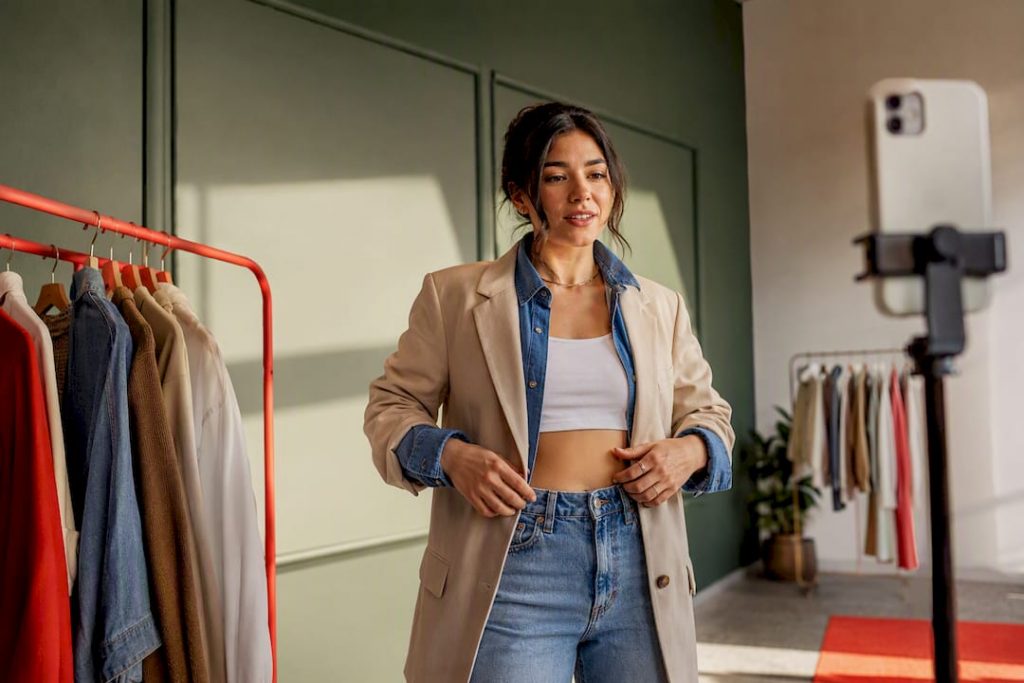
A single outfit post can turn into a global trend within days. It starts with visibility: a creator wears something distinctive, the platform’s algorithm rewards early engagement, and the content gets pushed to secondary audiences who remix it into their own versions. That remix loop, duets, stitches, “get ready with me” reaction videos, is what separates a fleeting post from an actual trend.
Try-on and styling content plays a specific psychological role here. Watching someone else wear a piece, move in it, and react to it in real time removes the guesswork that used to keep shoppers on the fence. It is proof of use before purchase, and it collapses the distance between seeing something and buying it.
Micro-trends now follow a predictable arc:
- A creator or small group posts something visually distinct.
- Platform algorithms surface it to lookalike audiences within hours, not weeks.
- Mainstream creators and brands pick it up, amplifying reach.
- The trend either gets normalized into wardrobes or gets replaced within a season by the next cycle.
Academic work on fashion consciousness backs up what marketers have observed anecdotally: influencer content shortens the gap between a trend’s origin and its mainstream saturation, partly because product involvement increases perceived authenticity, making viewers more willing to act on what they see rather than wait and watch.
How Influencers Change Consumer Behavior and Purchase Intention
Credibility is the real currency here, not follower count. Four dimensions consistently predict whether an influencer can move someone toward a purchase: trustworthiness, expertise, similarity to the viewer, and attractiveness. Audiences respond most strongly to creators who feel like a peer with good taste, not a distant celebrity reciting a script.
Product involvement matters just as much. When someone already cares about a category, say, sneakers or sustainable denim, an influencer’s endorsement lands harder because the viewer is primed to evaluate the claim rather than scroll past it.
Statistic Callout: A 2025 Frontiers study on influencer attitude and purchase intention found that credibility had the strongest effect on brand attitude among the variables tested, and brand attitude strongly mediated the path to actual purchase intention. In plain terms: people rarely buy because they like a creator. They buy because liking the creator changed how they feel about the brand.
This is especially visible with Gen Z shoppers, who tend to treat influencer recommendations less like advertising and more like a trusted friend’s opinion, provided the creator has not oversold themselves in the past.
Platforms and Content Formats That Actually Drive Fashion Influence
Not every platform does the same job, and brands that treat them interchangeably waste budget. Each one drives a different stage of the discovery-to-purchase path.
- TikTok runs on sound-on, vertical video and rewards speed over polish, which is why it functions as the primary discovery engine for new fashion trends.
- Instagram still owns aesthetic curation. Reels extend reach, while Shopping tags shorten the path from discovery to checkout.
- YouTube carries the weight of longer-form haul and lookbook content, the kind that sustains consideration over days rather than seconds.
Sequencing matters more than most brands realize. Creating TikTok-native content first and adapting it for Instagram afterward tends to outperform the reverse, since sound-on vertical formats rarely translate well when built backward from a static feed post. Readers curious about the platform mechanics behind this can look at our guide on starting an Instagram blog for the operational side of creator content.
How Brands Structure Influencer Strategies in Fashion
Budgets have shifted noticeably. Instead of one expensive macro deal, many fashion brands now split spend across 15 to 25 nano and micro creators, a pattern that industry data ties to stronger engagement and conversion than single big-name activations.
Here’s how the common deal structures break down:
- Gifting-only arrangements. Suitable for nano creators with highly engaged, small audiences where the product itself is the incentive.
- Affiliate and commission models. Creators earn a percentage of sales they drive, aligning their incentive with actual conversion rather than just posting.
- Flat-fee campaigns. Common with micro and mid-tier creators for a defined number of deliverables.
- Ambassador programs. Recurring, multi-month partnerships that compound trust over time rather than resetting with every new face.
Fashion briefs need details that other categories don’t. Always specify “size worn” and ask for true-to-size commentary, since fit is the number one purchase hesitation in apparel. Negotiate usage rights upfront too, so content can be repurposed across paid ads and owned channels without renegotiating later, a standard creative brief practice that saves brands from scrambling for rights mid-campaign.
Pro Tip: Ask creators for a “true to size” note in every try-on video. It’s a small request that removes one of the biggest reasons shoppers abandon a cart.
Sustainability, Overconsumption, and the Rise of De-influencing
Trend velocity has a cost, and it isn’t just financial. Rapid trend cycles driven by influencer visibility have been linked to increased production volume and its downstream effects, including microfiber pollution and other environmental harms tied to fast fashion.
“De-influencing,” the counter-movement where creators actively talk audiences out of impulse buys, has grown as a direct response. In practice, it looks like:
- Videos urging viewers to skip a viral item and consider what they already own.
- Content built around repair, resale, and clothing rental instead of new purchases.
- Capsule wardrobe challenges that frame fewer, better pieces as the aspirational goal.
Spotting genuine sustainability messaging versus greenwashing takes a bit of scrutiny. A UNEP-backed communication playbook recommends looking for specific, verifiable claims (named materials, certified supply chains) rather than vague language like “eco-friendly” with no substance behind it. Creators and brands genuinely trying to reduce harm tend to disclose sourcing details rather than lean on buzzwords, and they don’t pair a “sustainable” caption with a haul of ten new items in one video.
How Brands Measure Influencer Impact and Prove ROI
Measurement has to match campaign intent. A brand chasing awareness cares about different numbers than one chasing direct sales, and conflating the two leads to disappointing reports.
- Awareness tier: reach, impressions, engagement rate.
- Consideration tier: search lift, time on page, saves and shares.
- Conversion tier: unique promo codes, per-creator UTMs, platform-native shop sales.
Attribution gets more reliable when brands run per-creator UTMs alongside incrementality tests, comparing sales in markets exposed to a campaign against those that weren’t. Several fashion brands have documented this approach directly, using promo codes and UTMs across TikTok, Instagram, and YouTube simultaneously to isolate which platform and creator actually drove the sale rather than just guessing from vanity metrics.
Authenticity, Disclosure, and Ethical Best Practices
Disclosure isn’t just a legal checkbox, it’s the thing that keeps an audience from tuning out entirely once they suspect every post is paid. Clear sponsorship labels, whether “#ad” or a platform’s built-in paid partnership tag, protect the trust that makes influencer marketing work at all.
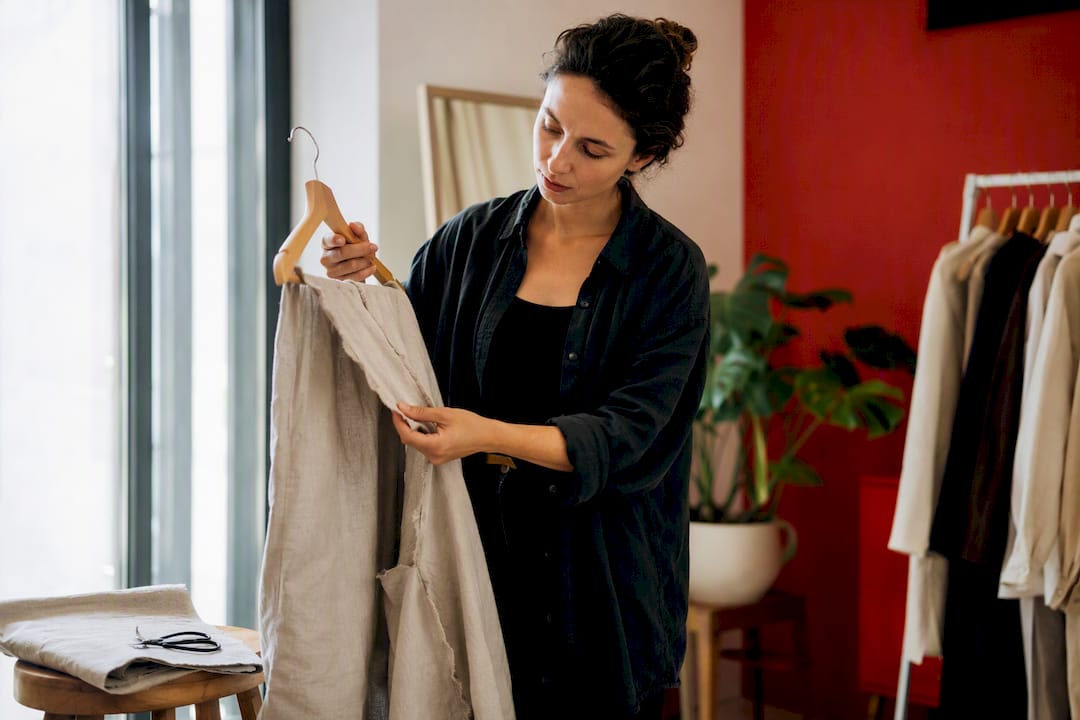
A few markers separate credible creators from opportunistic ones: sustained advocacy for a brand rather than a one-off post, consistency between what they say on camera and what they’re seen wearing off camera, and a willingness to show product flaws instead of only flattering angles.
Watch for red flags too: undisclosed paid content, health or performance claims with no backing, and manufactured urgency (“only 3 left!”) on items that are neither limited nor scarce.
What Our Team at Lizard’s Lunch Observes and Recommends
Across our coverage of fashion trends and how technology shapes fashion, the same pattern keeps surfacing: the creators who last are the ones who show their outfits used, not just styled for a single shot.
Our team at Lizard’s Lunch reads creator signals the way we’d ask any reader to: skepticism first, curiosity second. A few habits worth building:
- Follow creators who repeat pieces across multiple posts rather than debuting something new every video.
- Treat “everyone needs this” language as a cue to slow down, not speed up.
- Cross-check a viral piece against our styling guide before adding it to a cart.
Why Influencers Carry Real Weight With Fashion Audiences
Credibility does the heavy lifting. Viewers extend trust to creators who feel reachable, someone whose body type, budget, or daily life resembles their own, far more readily than they trust a studio ad with a professional model.
Parasocial bonds explain a lot of what looks, from the outside, like irrational brand loyalty. Watching someone’s daily outfit videos for months creates a one-sided intimacy that feels like friendship even though the creator has no idea the viewer exists. That bond makes recommendations land with the weight of advice from someone you know, not a pitch from someone trying to sell you something.
Authenticity is the fragile part of this equation. The moment a creator’s recommendations stop matching their visible lifestyle, say, someone known for thrifted looks suddenly pushing luxury hauls with no context, audiences notice fast and trust erodes quickly. Unlike a magazine ad, which nobody expected to be neutral in the first place, an influencer’s entire value proposition rests on seeming like they’d say the same thing without being paid. That’s a much higher bar to maintain, and it’s why the creators who survive years in the space tend to be selective about what they promote rather than saying yes to everything.
The Historical Evolution of Influencer Marketing in Fashion
Fashion influence used to run through a narrow funnel: magazine editors, runway shows, and a handful of celebrities whose red carpet choices trickled down into stores months later. Blogs cracked that funnel open in the mid 2000s, giving ordinary people with a camera and an opinion a direct line to readers who wanted style advice that didn’t come from an editorial office.
Instagram’s rise in the early 2010s turned that blogging trickle into a flood. Suddenly, anyone with a decent aesthetic and consistent posting could build an audience, and brands realized these accounts converted better than traditional ads because followers had opted in specifically for style content.
TikTok’s arrival changed the format again rather than just the platform. Where Instagram rewarded polish, TikTok rewarded speed and personality, and that shift is largely why fashion influencers today function less like walking advertisements and more like a hybrid of stylist, comedian, and product reviewer. The role kept expanding: from static outfit photos to video hauls to live shopping events, each format adding a new layer of immediacy between seeing a piece and buying it.
Macro, Micro, and Nano Influencers Play Very Different Roles
Follower count alone tells you almost nothing about what an influencer can actually do for a brand. The tiers matter because they map to different jobs.

Macro influencers, generally those with audiences in the hundreds of thousands or millions, deliver reach and legitimacy fast. They’re useful for launches that need immediate visibility, but their engagement rates tend to run lower relative to audience size, and their endorsements read as more transactional to viewers.
Micro influencers, roughly 10,000 to 100,000 followers, sit in the sweet spot brands increasingly favor. Their audiences are large enough to matter but small enough that the creator can still respond to comments and maintain a sense of relationship, which is a major reason multi-creator micro strategies now outperform single macro deals on conversion.
Nano influencers, often under 10,000 followers, offer the highest perceived trust of all three tiers because their audience frequently includes people who know them personally or feel like they do. Gifting alone often suffices here since the value exchange is closer to word-of-mouth than paid media. Brands running awareness campaigns lean macro; brands chasing conversion and content volume lean micro and nano.
Global Reach Versus Local Relevance in Fashion Influence
A trend born on TikTok can circle the globe within a week, but how it lands depends heavily on local context. Global influencers with cross-border audiences are excellent at spreading an aesthetic quickly, think a specific silhouette or color palette, but they rarely account for climate, body diversity norms, or price sensitivity in any single market.
Local and regional influencers fill that gap. A creator based in a specific city or country translates a global trend into something that actually fits local shopping habits, weather, and price points, which is why global brands increasingly run parallel campaigns: one macro-level push for awareness, paired with local micro creators who adapt the trend for their own market. Ignoring that local layer is a common reason global campaigns underperform in specific regions even when the content itself is polished and well produced.
The Ongoing Challenges Fashion Influencers Face
Influencer fatigue is real and measurable in falling engagement rates across saturated niches. Audiences who once found sponsored content novel now scroll past it reflexively, forcing creators to work harder for the same attention they used to get for free.
Diversity representation remains an unresolved friction point. Despite years of visible pressure, plus size, disabled, and non-white creators still report being offered smaller budgets and fewer high-profile brand deals than creators who fit conventional beauty standards, even when their engagement metrics are comparable or better.
There’s also a credibility tax that builds over time. A creator who takes on too many sponsorships in a short window risks looking like a billboard rather than a trusted voice, and audiences are quick to notice the shift from genuine enthusiasm to obvious paid rotation. Add to that the pressure of constant content output, since algorithms reward frequency, and burnout has become a common, if rarely discussed, occupational hazard in the space.
Influencer Content Is Reshaping Traditional Fashion Media
Magazine editorials and traditional ad campaigns used to set the agenda for what counted as fashionable. That authority has shifted, not disappeared, but shifted toward creators who can produce content faster and cheaper than any editorial team or ad agency.
Traditional publications have responded by hiring influencers as contributors or launching their own creator-style video content, an acknowledgment that audiences increasingly trust a familiar face over an anonymous byline. Advertising budgets have followed the same path, moving away from static print placements toward creator partnerships that generate content usable across multiple channels at once.
The net effect is a blurred line between editorial and advertising that didn’t exist twenty years ago. A styled photo shoot in a magazine reads as aspirational and distant, while a creator trying on the same look in their bedroom reads as achievable, and achievable content consistently outperforms aspirational content on the metrics that matter to advertisers now: engagement, saves, and click-through to purchase.
For brands building out a full creator partnership strategy, resources like this guide to leveraging influencer partnerships walk through how to align creative briefs with broader brand goals, a useful complement to the campaign structures covered earlier.
Readers looking to build a wardrobe that draws on these ideas without chasing every micro-trend might find our guide on what a healthy lifestyle actually looks like useful, since sustainable style choices tend to follow the same principles as sustainable living more broadly: intention over impulse, and consistency over novelty.
Our Take on Where Fashion Influence Goes Next
The next few years will reward creators who treat their audience like a relationship, not an inventory to sell against. Brands that keep chasing reach over relevance will lose ground to the multi-creator, micro-first approach already outperforming it. Our recommendation for readers: follow fewer accounts, but follow ones who show their clothes actually worn and washed, not just unboxed. For deeper style guidance that respects that same principle, our team at Lizard’s Lunch keeps building out practical, non-hype fashion coverage worth bookmarking.
— Alexander

















Leave a Comment
Your email address will not be published. Required fields are marked with *