
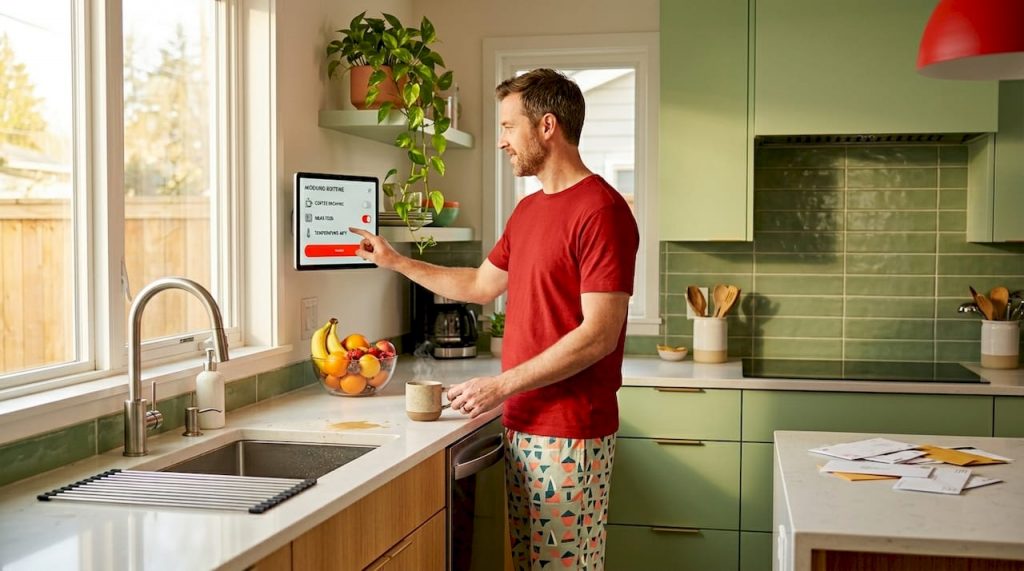
Discover the benefits of home automation for 2026! Streamline your life with convenience, enhanced security, and smart daily routines.
You already know your home could work harder for you. The question is whether the benefits of home automation actually justify the investment, or whether it’s just tech for the sake of tech. The honest answer is that it depends on what you want from it, but the range of advantages goes far beyond the obvious. Home automation broadly covers monitoring and controlling lighting, climate, and security through connected devices, and when done right, it touches nearly every part of daily life. This article walks you through the real, research-backed benefits so you can decide what fits your home and your lifestyle.
Table of Contents
- Key takeaways
- 1. Benefits of home automation for everyday convenience
- 2. Enhanced security you can actually rely on
- 3. Energy savings that show up on your bill
- 4. Real improvements to your health and comfort
- 5. Financial value and resale returns worth knowing
- 6. Peace of mind that works even when you are not paying attention
- 7. Flexibility for renters, not just homeowners
- 8. Smarter living with less mental load
- My honest take on what actually matters here
- Ready to put these benefits to work in your home?
- FAQ
Key takeaways
| Point | Details |
|---|---|
| Convenience drives daily value | Automated routines and remote control eliminate repetitive tasks and free up time every single day. |
| Security benefits are underrated | Multi-sensor systems reduce false alerts and give you reliable, real-time awareness of your property. |
| Energy savings are proven | Smart thermostats alone can cut heating and cooling costs by up to 8% annually, with optimized systems saving much more. |
| Health and comfort improve too | Automated lighting and air quality tools support better sleep, mood, and overall wellbeing. |
| Financial returns are real | Smart home features attract buyers, support higher resale prices, and utility rebates lower your upfront investment. |
1. Benefits of home automation for everyday convenience
Few things reshape your daily routine quite like automation that actually works. The core promise of home automation for convenience is simple: you spend less mental energy managing your home, and more time actually living in it.
Here is what that looks like in practice:
- Remote control of lighting, climate, and appliances via smartphone apps, meaning you can turn off lights you forgot, adjust the thermostat before you arrive home, or check whether the garage door is closed from anywhere in the world.
- Automated schedules and routines that handle repetitive tasks without any input from you. A “good morning” routine can raise the blinds, turn on the coffee maker, and set the thermostat to a comfortable temperature before your alarm goes off.
- Voice control integrations with assistants like Amazon Alexa or Google Home make hands-free operation possible. You do not have to reach for your phone or a switch when your hands are full.
- Vacation mode, which randomizes lighting and TV schedules to make your home appear occupied while you are away, saving you from manually setting timers.
The thing most people underestimate is how much these routines adapt as your life changes. Moving in with a partner, welcoming a baby, or shifting to remote work all change your daily patterns, and your automations can shift with you. You simply update the schedule or trigger conditions, and your home responds accordingly.
Pro Tip: Start with one room or one routine before automating your whole home. Getting the morning routine right in the bedroom builds confidence and gives you a clear template for every other space.
2. Enhanced security you can actually rely on
Home automation demand is primarily driven by personal and family security concerns, and it is easy to see why. A connected security system does things a traditional alarm simply cannot.
Here is where smart security genuinely outperforms older setups:
- Instant notifications when a sensor detects motion, a door opens unexpectedly, or a window breaks. You find out in real time, not after the fact.
- Remote surveillance through smart cameras lets you check live footage from anywhere. If your phone buzzes with an alert, you can confirm what is happening before calling anyone.
- Smart locks and access control let you grant temporary entry to a dog walker, a repair person, or a family member without handing over a physical key. You control who gets in and when.
- Automated lighting to simulate occupancy, which research consistently shows deters opportunistic intruders more effectively than alarm stickers.
The difference between a smart security setup and a frustrating one comes down to how you combine sensors. Multi-sensor rules reduce false alarms and make alerts far more actionable. For example, a motion sensor alone might trigger when your cat walks past it at 2 a.m. But a rule that requires both motion detection and a door contact sensor to activate simultaneously filters out almost all false positives.
“Combining multiple sensor types creates context-rich alerts that minimize false positives and alert fatigue, dramatically improving how likely you are to actually respond when something real happens.” — Smart home security best practices
This matters more than people realize. Alert fatigue is real. If your system cries wolf too often, you start ignoring it, which defeats the entire purpose.
3. Energy savings that show up on your bill
This is where the advantages of smart home technology get genuinely exciting, because the savings are measurable and they compound over time.
How the numbers stack up
Smart thermostats save approximately 8% of household heating and cooling costs annually, which translates to $50 or more per year depending on your climate and usage. That sounds modest, but combine it with smart lighting and appliance automation, and the picture changes considerably.
A six-month field study across 58 households found that well-designed IoT controls saved an average of 24.7% of total home energy use, with some households reaching 37.2% savings. The difference between average and exceptional outcomes comes down to one factor: occupancy awareness.
Automations that reflect actual occupancy outperform generic timers because your home is not heating or cooling an empty space. A fixed schedule assumes you leave at 8 a.m. and return at 6 p.m. every day. An occupancy-aware system knows when you are actually there.
Here is a quick comparison of automation strategies and their typical energy impact:
| Strategy | Estimated annual savings | Complexity |
|---|---|---|
| Smart thermostat with schedule | 8%–10% on HVAC | Low |
| Occupancy-aware HVAC control | 15%–20% on HVAC | Medium |
| Full IoT home energy management | Up to 24.7% total home energy | High |
| Demand-response program participation | Additional grid credits + savings | Low (enroll once) |
The demand-response bonus
There is a benefit here that most homeowners never hear about. Smart thermostats enrolled in demand-response programs contribute to peak-load reductions of around 1.1 kW per thermostat, supporting grid stability during high-demand periods. In return, many utilities offer bill credits or incentives. You save money and help stabilize the grid at the same time.
Pro Tip: The biggest thermostat savings come from automating temperature setbacks you would otherwise forget, like dropping the heat while you sleep or when you leave for work. Set those two triggers first and you will capture most of the available savings immediately.
4. Real improvements to your health and comfort
The benefits of home automation extend well beyond bills and security alerts. Your home environment has a direct impact on your health, your sleep, and how you feel on a daily basis, and automation gives you fine control over that environment without constant manual effort.
- Air quality monitoring and automatic HVAC adjustments mean your system responds when CO2 levels rise or humidity spikes, rather than waiting for you to notice something feels off.
- Lighting that supports your circadian rhythm is one of the most underappreciated home automation benefits. Warm, dim light in the evening signals your brain to wind down. Bright, cool light in the morning helps you feel alert. Smart bulbs can handle this transition automatically based on time of day.
- Automated reminders integrated with health devices, like smart scales or blood pressure monitors, can prompt you to take readings at the right times and log results without extra effort.
- Customization for different household members means your home can feel right for everyone. A teenager who stays up late and a parent who rises at 5 a.m. can have separate routines that do not interfere with each other.
- Accessible interfaces designed for varying tech comfort levels mean that older family members or those less comfortable with apps can still use voice commands or simple physical buttons to control their environment.
The comfort gains are cumulative. When your home is consistently at the right temperature, the right brightness, and the right air quality without you having to think about it, you feel the difference in your energy levels and your stress.
5. Financial value and resale returns worth knowing
Home automation is not just a lifestyle upgrade. It is increasingly a financial one, and the numbers are starting to reflect that.
What buyers are looking for right now
Buyer interest in smart home features has been growing year over year. Smart thermostats, security cameras, video doorbells, and smart locks consistently rank among the most desired features in home listings. Buyers are not just impressed by these features; they factor them into their offer decisions.
Homes with established smart systems often sell faster, and some real estate studies suggest they command a modest price premium over comparable non-automated properties. The premium varies by market, but the directional trend is clear.
Reducing your upfront costs
The financial case gets even stronger when you factor in rebates and incentives. Programs like BC Hydro’s Power Smart 2.0 offer free smart thermostats valued at $350 and up to $200 per year in energy incentives for eligible homes. Similar programs exist across the United States through utility companies and federal energy efficiency initiatives. These programs effectively reduce your net cost to near zero on foundational devices like thermostats.
| Smart home investment | Typical upfront cost | Estimated payback period |
|---|---|---|
| Smart thermostat | $150–$250 | 1–2 years |
| Smart lighting system | $200–$500 | 2–4 years |
| Smart security system | $300–$800 | 3–5 years (via insurance discounts) |
| Full home automation setup | $2,000–$10,000+ | 5–10 years |
The long-term ROI comes from stacking energy savings, lower insurance premiums (many insurers discount premiums for homes with monitored security systems), and the resale value bump. Start with high-impact, lower-cost devices and build from there. A full smart home setup is not required to see meaningful returns.
6. Peace of mind that works even when you are not paying attention
One benefit that does not get talked about enough is what you might call passive reassurance. A well-configured smart home monitors itself and only asks for your attention when something genuinely needs it. That is a different experience from conventional home management.
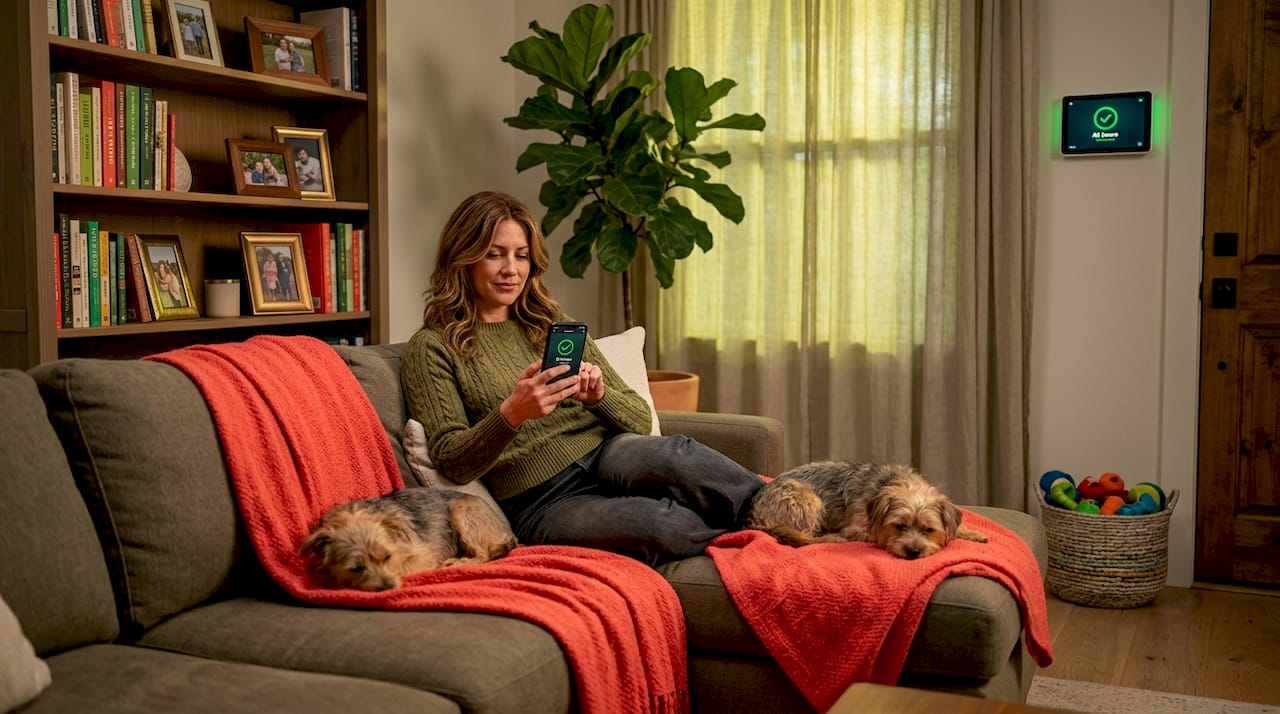
You are not constantly wondering whether you left the oven on, whether you locked the front door, or whether the temperature dropped in the basement. Your phone tells you if anything is wrong, and if nothing is wrong, you hear nothing at all. That silence is surprisingly valuable.
Smart home devices like leak detectors under sinks and washing machines, freeze sensors in basements, and smoke detectors linked to your phone all contribute to this layer of passive protection. The peace of mind that comes from knowing your home is watching itself, even when you are at work or traveling, is one of the most personal and hard-to-quantify home automation benefits.
7. Flexibility for renters, not just homeowners
A common misconception is that home automation is only for people who own their homes. The reality is that a meaningful portion of smart home technology is renter-friendly by design.
Smart plugs, smart bulbs, portable speakers with voice assistants, and wireless security cameras require no installation and leave no trace when you move out. A smart plug turns any lamp or appliance into an automated device. Smart bulbs fit standard fixtures. A video doorbell can mount without drilling in some configurations.
The advantages of smart home technology for renters are most pronounced in the areas of energy management and convenience. You can still automate your lighting, set HVAC schedules on a portable thermostat or window unit, and control devices remotely without making a single permanent change to your apartment.
The one area renters face more friction is security. Hardwired systems are generally not an option, but wireless camera systems and smart locks that replace knobs without modifying the door frame work well in most rental situations. Always check your lease and get landlord approval before installing anything lock-related.
8. Smarter living with less mental load
The cumulative effect of all these benefits is something worth naming directly: a reduction in the mental load of managing a home. Every automated decision is one fewer thing you have to remember, track, or act on manually.
Think about how many small home-related decisions you make each day. Did I turn off the lights? Is the door locked? What is the thermostat set to? Is the laundry done? These micro-decisions add up, and when automation handles them reliably, you genuinely feel the difference. It is the same principle as building a smarter workflow for any other area of your life. You design the system once, and it runs without constant input.
For households with children, elderly relatives, or demanding work schedules, this cognitive relief is not a luxury. It is practical and meaningful.
My honest take on what actually matters here
We have been covering home technology long enough to see the cycle repeat itself. A new wave of smart devices arrives, the marketing promises transform your life, and then a large number of people end up with three disconnected apps and a thermostat they never reprogrammed after the time change.
Here is what we have actually learned: convenience alone is a weak reason to automate your home. It sounds appealing, but it rarely justifies the setup time or the expense on its own. The people who get real, lasting value from home automation are the ones who start with a clear pain point. Usually that pain point is security or energy costs, the two areas where automation delivers something a conventional home genuinely cannot match.
The security benefits, specifically the multi-sensor approach that cuts false alerts and gives you real situational awareness, are more impactful than most people expect before they experience them. And the energy savings are not theoretical. They show up on your bill within the first billing cycle after a smart thermostat is properly configured.
What we would caution against is buying a comprehensive system before you know what you actually want from it. An expensive whole-home automation platform that you use to dim the living room lights is not a smart investment. A $150 thermostat that saves you $80 a year and earns you utility rebates absolutely is.
My take: start with the devices that solve a real problem in your specific home, get comfortable with how they work, and expand from there. The best smart home is not the most automated one. It is the one you actually use every day without thinking about it.
Ready to put these benefits to work in your home?
Understanding the benefits of home automation is the exciting first step. Putting them into practice is where the real transformation begins. Whether you are just starting out with a smart thermostat or planning a broader home upgrade, having the right resources makes a real difference.
For ideas on where to start and which upgrades deliver the most return, explore home improvement tips that cover both tech-driven and traditional upgrades for every budget. If you want to see which types of improvements add the most comfort and long-term value, this guide to home upgrades worth making is a great companion read. And for a practical walkthrough of setting up your first smart home devices, the smart home setup guide walks you through the process step by step.
Your home has more potential than you might think. The right upgrades, chosen thoughtfully, make daily life genuinely better.
FAQ
What are the main benefits of home automation?
The core benefits of home automation are improved convenience, stronger security, meaningful energy savings, and better home comfort. Research shows optimized systems can reduce total home energy use by up to 24.7% on average, while smart security setups provide real-time alerts and remote access that conventional systems cannot match.
Is home automation worth it for renters?
Yes, in many cases. Smart plugs, wireless cameras, and smart bulbs require no installation and move with you when you leave. Renters can enjoy most convenience and energy benefits of home automation without making permanent changes to the property.
How much can a smart thermostat actually save?
Smart thermostats save approximately 8% of heating and cooling costs per year, often equating to $50 or more annually. Homes using occupancy-aware controls and demand-response programs can save considerably more.
Does home automation increase resale value?
Smart home features are increasingly attractive to buyers, and homes with established automation systems often sell faster. Devices like smart thermostats, security cameras, and smart locks are among the most requested features in home listings, contributing to a modest but real price advantage in many markets.
How do I avoid false alarms in a smart security system?
Use multi-sensor rules that require two or more sensors to trigger simultaneously before sending an alert. For example, combining motion detection with a door contact sensor filters out the vast majority of false positives and ensures you respond when an alert is real.


















Leave a Comment
Your email address will not be published. Required fields are marked with *